

Botulinum neurotoxins (BoNTs) are potent neurotoxic proteins produced by Clostridium botulinum, ranking among the most toxic known biological substances. Administered via local injection, BoNTs are applied for the treatment of various neurological disorders, urological dysfunctions, dermatological conditions and aesthetic interventions. Since the approval of the first type A botulinum neurotoxin product in 1989, its clinical applications have been continuously expanded, and a variety of formulations and serotype-based products have been launched on the market. As a highly potent, reversible and precisely controllable neuromodulator, BoNTs feature unique structures and molecular mechanisms, serving as a powerful tool for clinical therapeutics and aesthetic medicine. With advances in protein engineering, recombinant expression and formulation technologies, next-generation botulinum neurotoxin products are evolving toward targeted therapy, prolonged efficacy and reduced immunogenicity, and are expected to unlock greater potential in neurological disease management and premium aesthetic medicine.
Structural Characteristics
Botulinum neurotoxin is a ~150 kDa multi-domain protein, which naturally exists in the form of progenitor toxin complexes. These complexes consist of the neurotoxin proper and multiple non-toxic accessory proteins (NAPs), including non-toxic non-hemagglutinin (NTNH) and hemagglutinin (HA). The accessory proteins protect the toxin against degradation induced by acidic environments and proteases, thereby enhancing its stability and biological activity.
The core toxin molecule comprises a 100 kDa heavy chain (HC) and a 50 kDa light chain (LC) linked by disulfide bonds. The heavy chain mediates recognition and binding to receptors on nerve terminals and subsequent internalization, while the light chain acts as a zinc-dependent metalloprotease that cleaves key proteins involved in neurotransmitter release, leading to the blockade of neural signal transmission. Complexes formed by different BoNT serotypes vary in molecular weight, ranging from 300 kDa to 900 kDa, and type A toxin typically presents as a large-sized complex.
Serotype Classification and Profiles
Based on antigenic distinctions, Clostridium botulinum produces seven classic serotypes of botulinum neurotoxin: serotypes A, B, C, D, E, F and G. Although all serotypes share similar fundamental modes of action, they differ in receptor binding preferences and SNARE protein cleavage targets, resulting in distinct clinical properties.
Type A BoNT is the most widely used serotype globally. It exhibits a relatively slow onset but long duration of action, generally lasting 3 to 6 months, and is extensively applied in neurological treatment and aesthetic procedures. Type B BoNT takes effect more rapidly but has a shorter duration, commonly used as an alternative for patients who fail to respond to type A. Serotypes E and F deliver short-acting effects and are mainly used for research purposes or special clinical scenarios.
The light chains of different serotypes target distinct substrates: serotypes A and E cleave SNAP-25, whereas serotypes B and G target VAMP. Such differences account for their divergent biological performances and applicable scope across various tissues.
Mechanism of Action
The pharmacological action of BoNTs proceeds in four sequential steps. First, binding: the C-terminal domain of the heavy chain dual-binds to gangliosides and synaptic vesicle proteins such as SV2 on neuronal membranes. Second, internalization: the bound toxin enters neurons via receptor-mediated endocytosis. Third, translocation: the N-terminal domain of the heavy chain facilitates the translocation of the light chain across the vesicle membrane into the cytoplasm. Fourth, neurotransmitter release inhibition: the light chain cleaves core proteins within the SNARE complex, preventing the fusion of acetylcholine-containing vesicles with the cell membrane. This process temporarily interrupts neural transmission and induces reversible muscle relaxation.
Notably, type A BoNT can not only block motor nerve signals but also suppress the release of pain-related neurotransmitters including CGRP and substance P in sensory nerves, as well as modulate TRP receptors involved in pain signaling pathways. Accordingly, it shows promising prospects for the treatment of chronic pain.
Medical and Aesthetic Applications
Clinical applications of botulinum neurotoxins fall into two major categories: therapeutic and aesthetic uses.
Therapeutic indications primarily include dystonia, strabismus, muscle spasm, migraine, overactive bladder and hyperhidrosis. By inhibiting acetylcholine release, BoNTs relieve excessive muscle contraction and oversecretion of glands. In the aesthetic field, BoNTs are predominantly utilized for dynamic wrinkle reduction and facial contouring. Local injection of type A BoNT temporarily paralyzes facial muscles to mitigate wrinkle formation, making it one of the most prevalent minimally invasive aesthetic procedures worldwide. Moreover, novel indications including chronic pain, depression and gastrointestinal disorders are under active investigation, pointing to broader medical applications of BoNTs.
Manufacturing Processes
Given its complex structure, ultra-high potency and pronounced biological effects, converting crude metabolites of Clostridium botulinum into safe and well-controlled pharmaceutical formulations requires a series of rigorously regulated biomanufacturing procedures. Minor deviations in any process step may compromise the potency and safety of final products. The entire production workflow is implemented in full compliance with GMP guidelines to guarantee consistent quality, safety and batch-to-batch reproducibility.
Strain Development and Master Cell Bank Establishment
Manufacturing starts with well-characterized Clostridium botulinum strains carrying neurotoxin genes and associated regulatory sequences. Manufacturers select high-yield and genetically stable strains of serotype A or B through screening, isolation and genotypic identification. To ensure production consistency, qualified strains are preserved as master cell banks and working cell banks, which undergo stringent validation for genetic stability, microbial purity and toxin expression capability.
In modern manufacturing workflows, strains are maintained at low passage numbers to minimize random mutations and metabolic drift. Lyophilization and liquid nitrogen cryopreservation systems are adopted for long-term strain conservation. In recent years, genetic engineering has been explored to optimize regulatory elements of toxin genes for enhanced and controllable expression, laying a foundation for the development of biosimilars in the future.
Fermentation
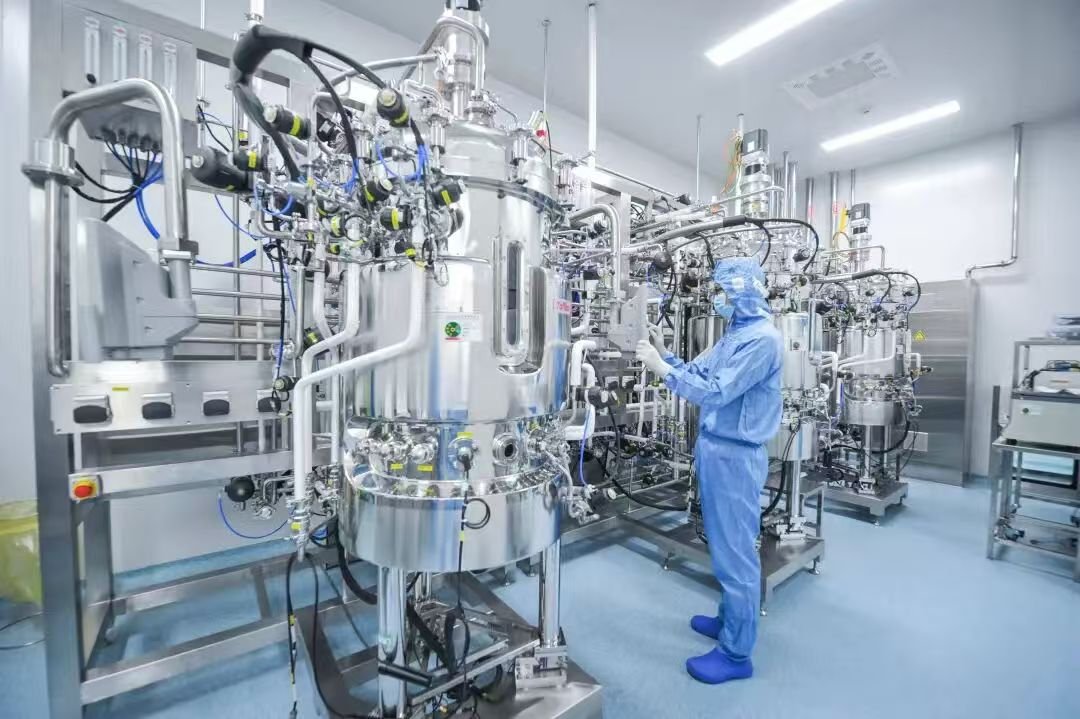
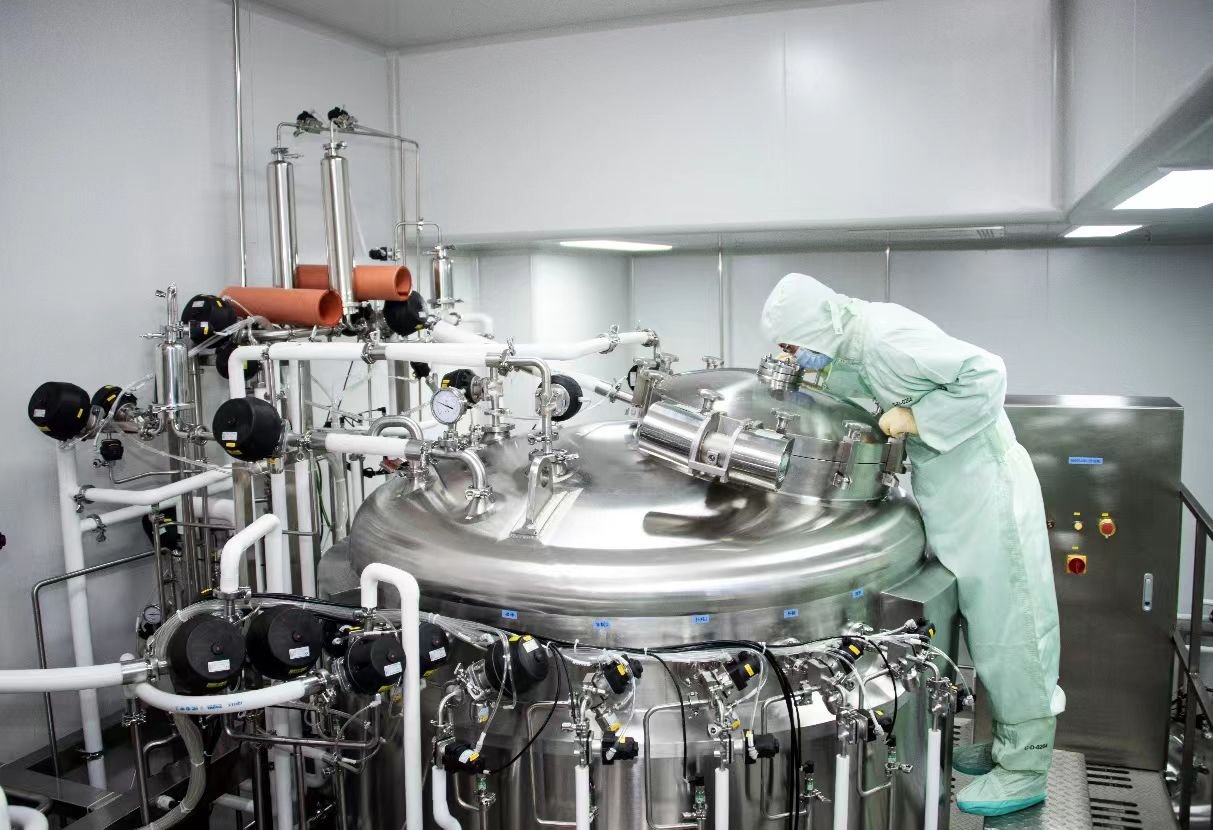
Clostridium botulinum is an obligate anaerobe, and toxin biosynthesis relies strictly on anaerobic fermentation. The process is carried out in hermetically sealed bioreactors. Oxygen-free conditions are maintained via nitrogen purging, reducing culture media and precise pH control. The culture medium is formulated with carbon sources (e.g., glucose, starch hydrolysate), nitrogen sources (e.g., peptone, yeast extract) and trace elements to support microbial growth and toxin synthesis.
Toxin yield is highly dependent on fermentation parameters, including temperature, pH, agitation speed, glucose concentration and cultivation duration. The fermentation process is divided into two phases: the exponential growth phase for rapid cell proliferation, followed by the toxin accumulation phase. In the late stage of toxin expression, partial cell lysis occurs, and toxins are released into the culture broth.
All operations are performed under strict aseptic conditions and high-level biosafety containment to avoid exogenous microbial contamination and toxin leakage. Upon fermentation completion, the broth is clarified or centrifuged to remove cell debris, yielding supernatant containing crude botulinum toxin complexes.
Purification and Complex Preservation
Purification is a core step that determines final product quality. Naturally occurring BoNTs exist as complexes bound with non-toxic accessory proteins, which improve toxin stability in acidic environments and reduce immunogenicity. Manufacturers may choose to retain or remove these accessory proteins based on product design.
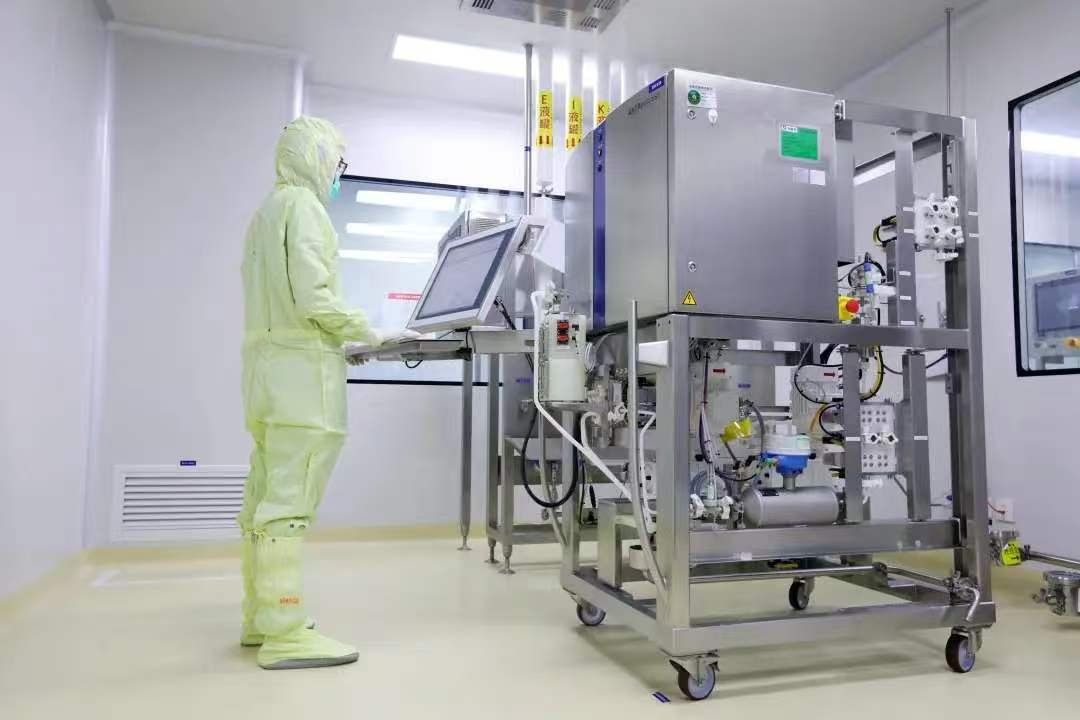
Common purification techniques include salting-out, filtration, centrifugation and chromatography. Traditional crystallization methods have been largely replaced by modern chromatographic approaches such as ion exchange chromatography, size-exclusion chromatography and affinity chromatography, which deliver higher purity and better batch consistency.
BoNTs are extremely sensitive to temperature, pH and shear force. Therefore, the entire purification process is operated at low temperatures, with strict control over metal ion exposure and interfacial stress to prevent protein denaturation. Intermediate testing is implemented throughout purification to monitor toxin potency, purity, molecular integrity and the ratio of accessory proteins,
ensuring uniform product attributes. The ultimate goal is to obtain highly purified and structurally intact botulinum neurotoxin or its complexes.
Formulation
Purified botulinum neurotoxin bulk is further processed into finished pharmaceutical formulations to retain protein stability and biological activity during storage and clinical use. Two major dosage forms are commercially available: lyophilized powder and liquid formulation.
Lyophilized products are manufactured by freeze-drying toxin solutions under low temperature and vacuum to remove moisture, forming stable solid powders that can be reconstituted with diluents prior to administration. For liquid formulations, excipients such as anti-adsorption agents and stabilizers are supplemented to maintain protein solubility.
Excipients play a critical role in formulation design: stabilizers including human serum albumin and gelatin prevent protein adsorption and aggregation; bulking agents and cryoprotectants such as sucrose, lactose and trehalose improve stability during lyophilization; surfactants like polysorbate reduce interfacial tension; osmotic regulators such as sodium chloride maintain isotonicity for injectable preparations. Manufacturers customize excipient systems according to product characteristics to strike a balance between long-term stability and clinical operability.
Analytical and Quality Control
Unlike conventional chemical drugs, the potency of botulinum neurotoxin cannot be quantified by mass or concentration, but is defined via biological activity units. The classic potency assay adopts the mouse LD₅₀ method. To reduce animal experimentation, cell-based functional assays and molecular-level activity tests have been increasingly applied in recent years.
Comprehensive release testing covers the following key items: visual inspection and pH measurement for formulation uniformity; protein purity and integrity analysis using SDS-PAGE, HPLC and mass spectrometry; sterility and endotoxin testing to guarantee injection safety; and stability testing to evaluate activity retention under specified storage conditions.
Summary
Botulinum neurotoxins are potent natural toxins produced by Clostridium botulinum. Early intoxication incidents revealed the hazards of this bacterium, while subsequent research unlocked its valuable biological properties. Today, BoNTs have been successfully developed into a wide range of therapeutic and aesthetic pharmaceuticals. Their manufacturing workflow shares similarities with general biologic production, including fermentation, purification and formulation, yet imposes far stricter requirements on safety and quality control.
Due to its extreme potency and inherent risks, the R&D and production of BoNTs must be conducted in facilities complying with designated biosafety standards and subject to rigorous regulatory oversight. Every procedure from strain screening and fermentation to final packaging requires official approval and ongoing regulatory review. Despite the extremely high technical barriers, this sophisticated biomanufacturing system ensures the safety, efficacy and consistency of BoNT products, consolidating their irreplaceable position in clinical therapy and aesthetic medicine.
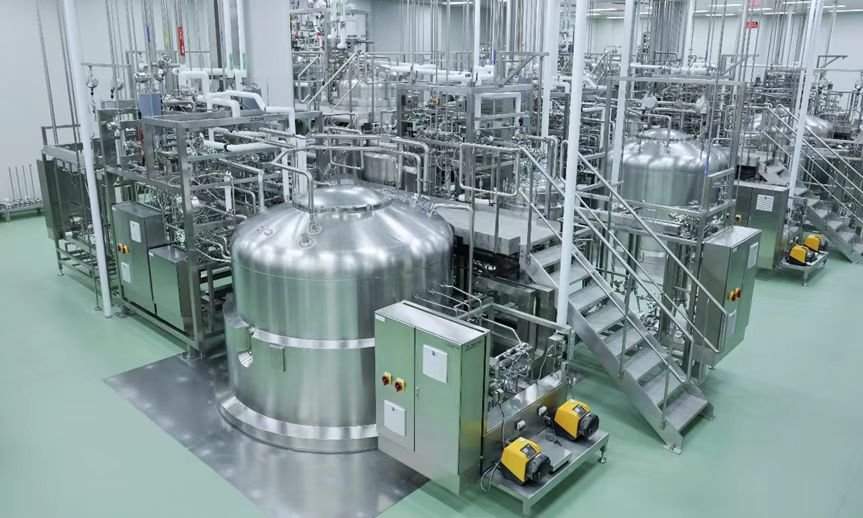
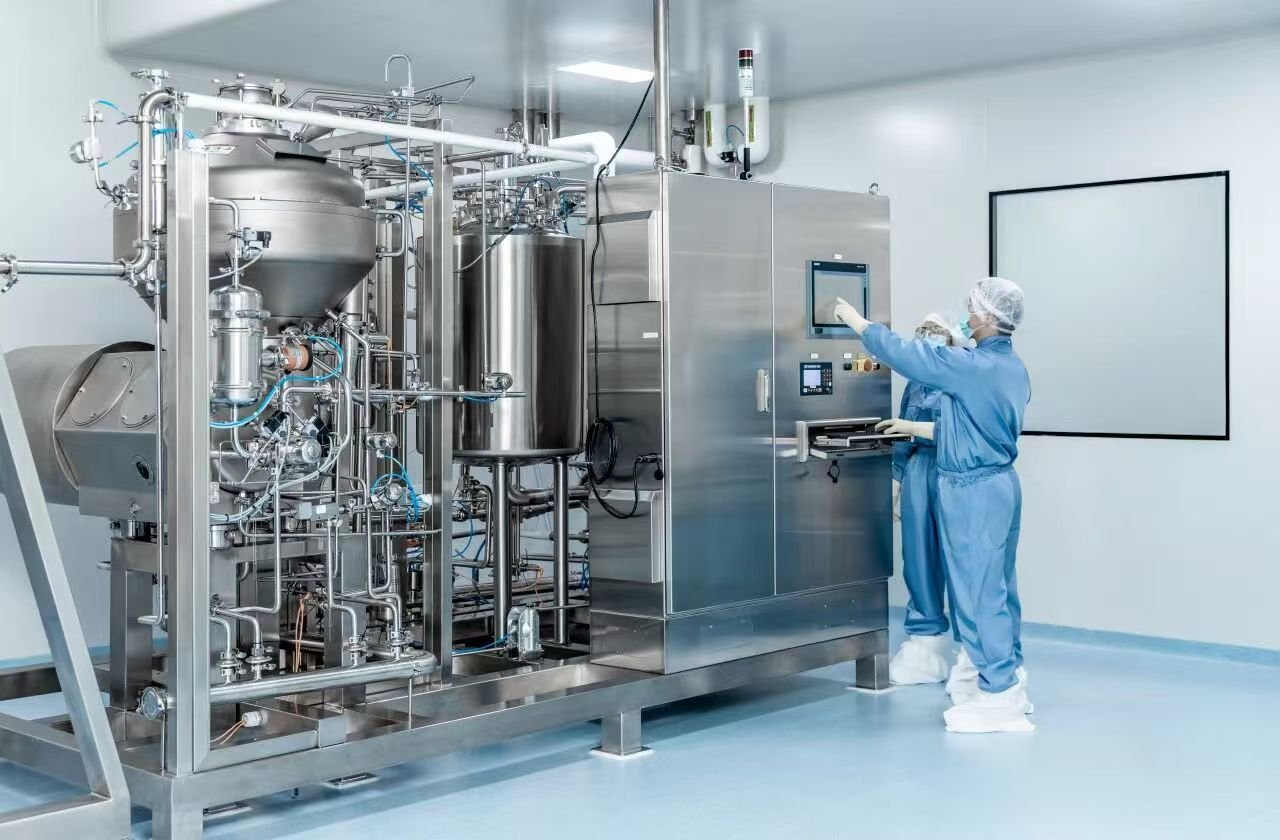
Sino Bioengineering delivers full-spectrum bioprocess solutions to support the R&D and commercial production of botulinum neurotoxins. For fermentation, we provide high-performance stainless steel bioreactors and precise process control systems to enable efficient toxin expression under stringent anaerobic conditions. In the purification stage, our tangential flow filtration (TFF) systems and diversified chromatographic media support target protein concentration, impurity removal and high-resolution separation, ensuring superior product purity and retained biological activity. For formulation, high-efficiency mixing systems and aseptic filling solutions maintain the stability and safety of finished products under GMP-compliant environments. With integrated capabilities covering fermentation, purification and formulation, Sino Bioengineering empowers clients to achieve high-quality translation of botulinum neurotoxin products from laboratory research to large-scale commercial manufacturing.