
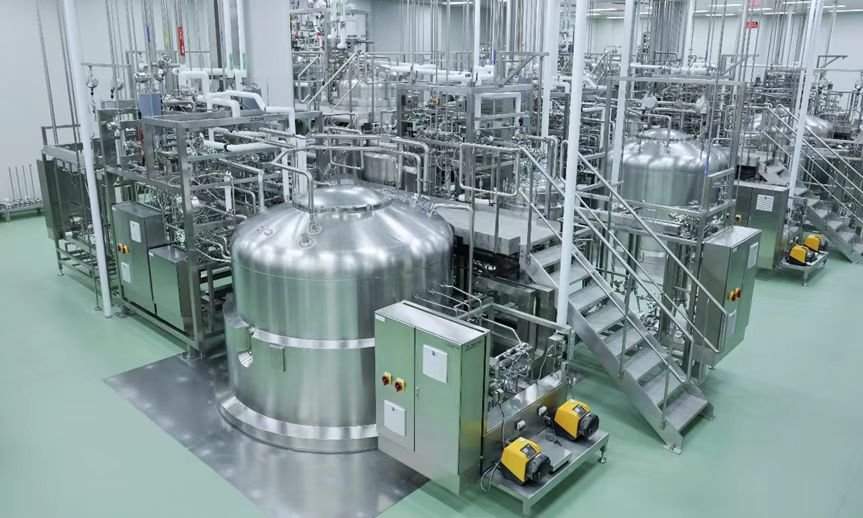

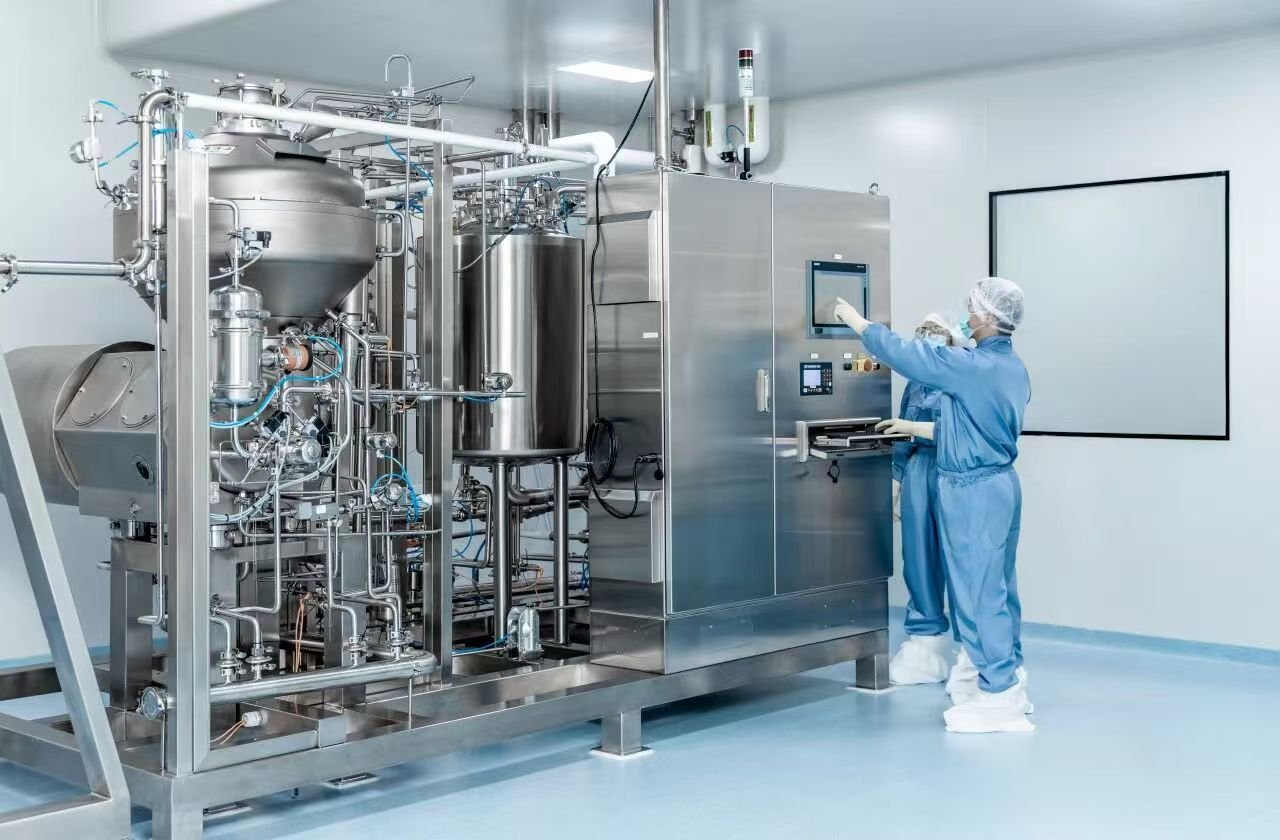
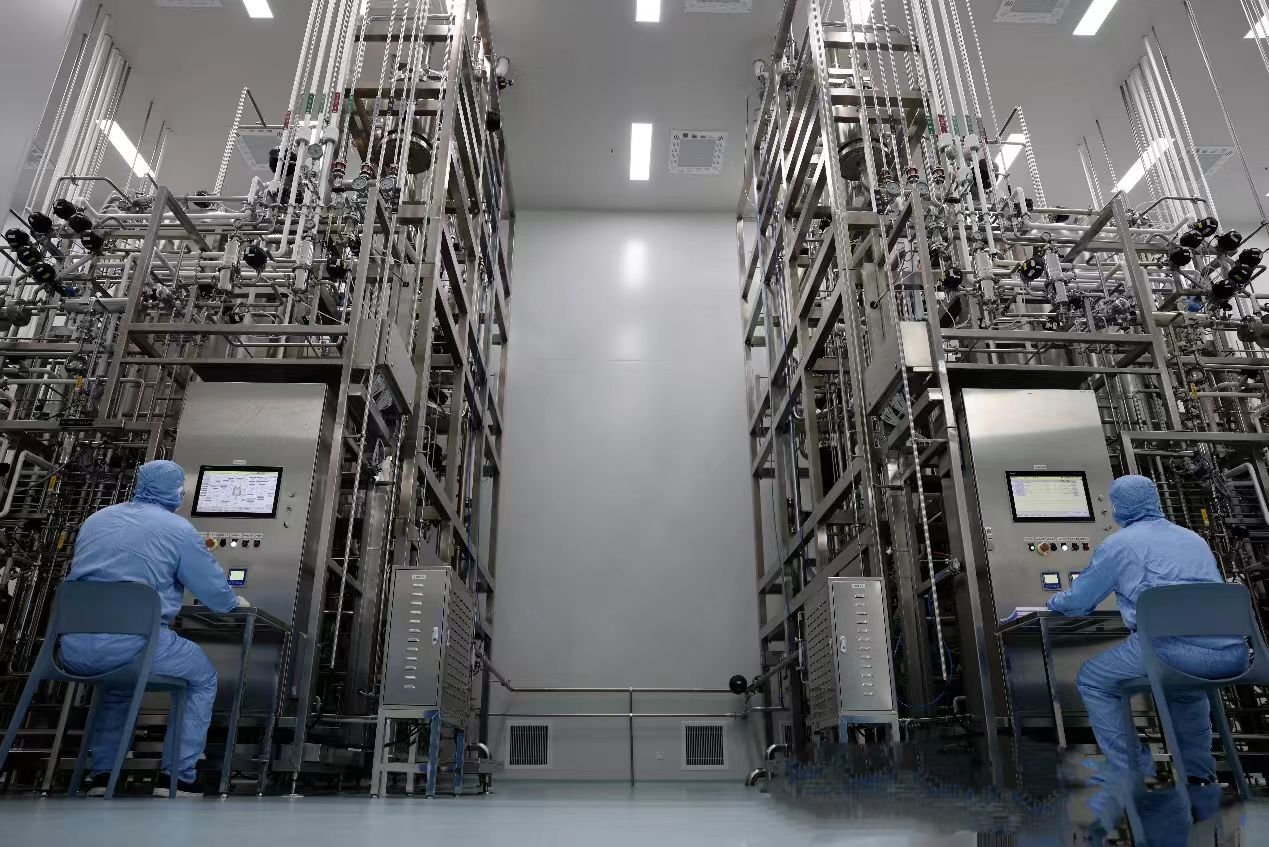
Once the production capacity of the facility is determined, the overarching boundaries and constraints of the facility design are fixed. Regardless of the differing variables effecting design, generally, a typical biopharmaceutical facility has three basic interdependent functions that should be accommodated: the core manufacturing process, process support activities and utility and mechanical systems. Production capacity will determine the requirements and sizing of the core manufacturing process, which will in turn determine the sizing and requirements of the process support activities that will subsequently be in the input needed for determining the utility and mechanical systems. Throughout these determinations, however, adherence to current good manufacturing practices (cGMP) will be required.
1. The core manufacturing process, consisting of:
The core manufacturing process is the heart of the production facility and is typically a prerequisite to the facility design project. It is the basis of the functional needs of the facility, and as such, dictates most aspects of design.
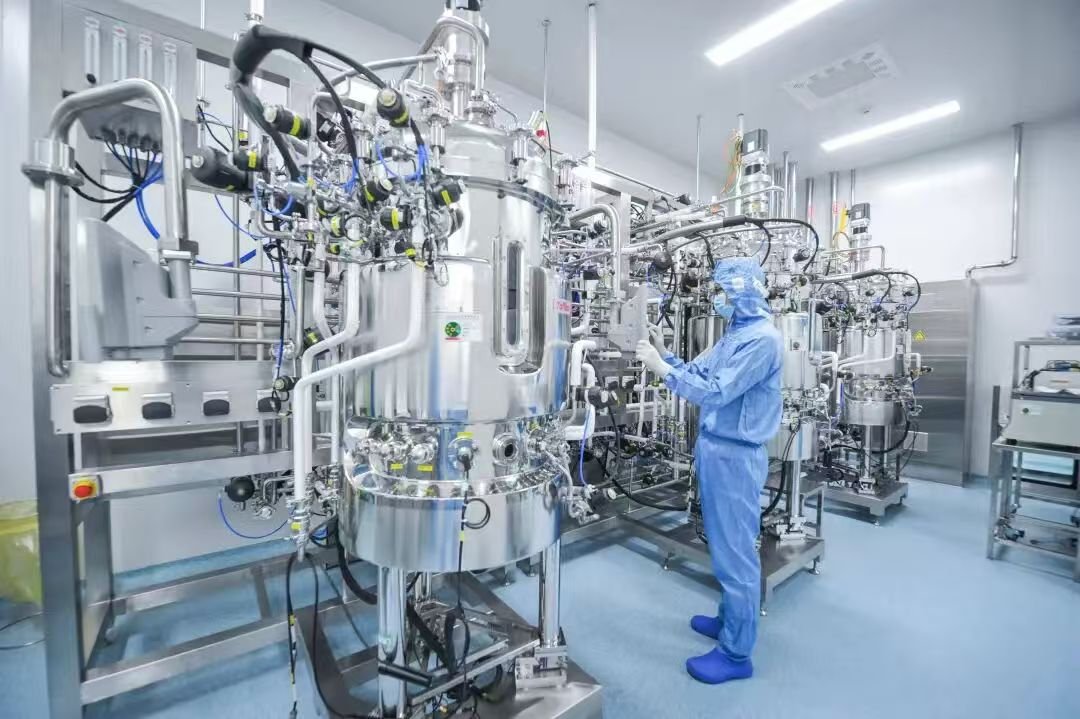
Upstream Processing (USP)—these steps include cell culture seed development, inoculum preparation, bioreactor or fermentation culturing and harvest. Upstream areas accommodate process steps that handle live organisms. Although
the demarcation between upstream and downstream activities varies with specific processes, upstream areas are generally considered to end with a recovery step.
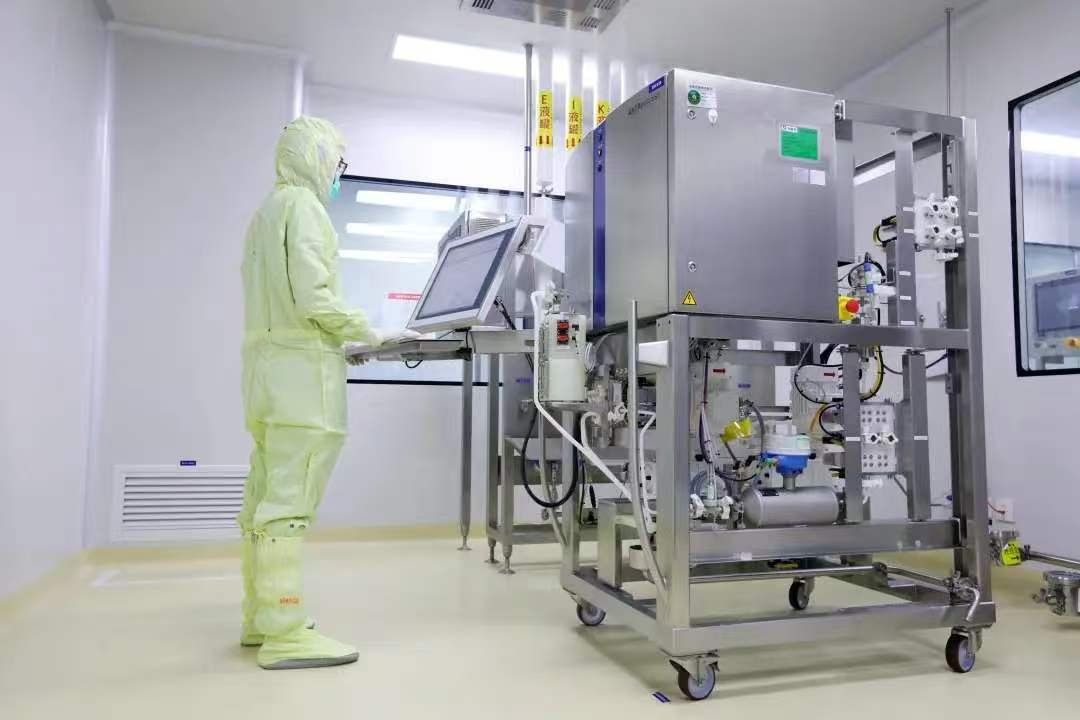
Downstream Processing (DSP)—these include purification steps and bulk formulation. Downstream activities aim to render the product in its final bulk form in a transportable closed container prior to fill-finish activities. The DSP may be further physically divided based on segregation objectives.
2. Process support activities:
The specific process support function needed will depend on the unit operation and its purpose within the overall manufacturing process. Therefore, once the core manufacturing process is defined, the required process support activities and areas can be established. Invariably, the individual unit operation steps of the process include the use of several ancillary steps over and above product processing, to ensure optimal performance. These ancillary steps vary from the necessary addition of cell culture growth media to encourage optimal growth of cells and product, to the introduction of various buffer sets on a chromatography column to change the different ionic or other state of the resin or the product solution; or the inclusion of buffer flushes on a filtration step to increase the yield of the step. In addition to the preparation of cell culture media (used in the USP areas) and buffer (used in harvest and DSP), areas are needed for equipment preparation, column packing, equipment cleaning, cell bank storage, and in-process control (IPC) analytics. These functions impact the quality of the product and serve as support to the core process functionality. Changes to the core process(es) impact the process support functions.
3. Utility and mechanical systems:
These include facility utilities (water, electricity, and gas), clean utilities (clean water, USP purified and WFI; clean air; and clean steam), waste collection and treatment systems and heating, ventilation, and air conditioning (HVAC) systems. Neither the core process nor the manufacturing support areas would be able to function without the appropriate utility and mechanical systems.
Neither the manufacturing process, nor the process support activities would be able to function without basic utilities such as electricity, gas, and water. These base utilities can be supplied to the facility from the local municipality. Gas can be used to supply a boiler to provide for heating within the facility. Similarly, the water needed can be used as potable (or town) water for washrooms, or for drinking, or for use around air humidification. However, water and constituent gases are also needed for the manufacturing process and therefore have a direct impact on product quality. For instance, oxygen, nitrogen, carbon dioxide, and compressed air are needed by certain unit operations (e.g., bioreactors) to function. Water is needed for buffer and cell culture media makeup and within certain steps of the manufacturing process. cGMP requirements necessitate that anything directly impacting the product (whether in its final or intermediate state) will need to be as contaminant free as the required product quality at the end of the process to reduce the risk of contamination. As a result, both water and gas supplied to manufacturing (or manufacturing support) operations should be purified to the required standard as referenced within the cGMPs. Thus, the facility shall also have to support this utility purification process.