

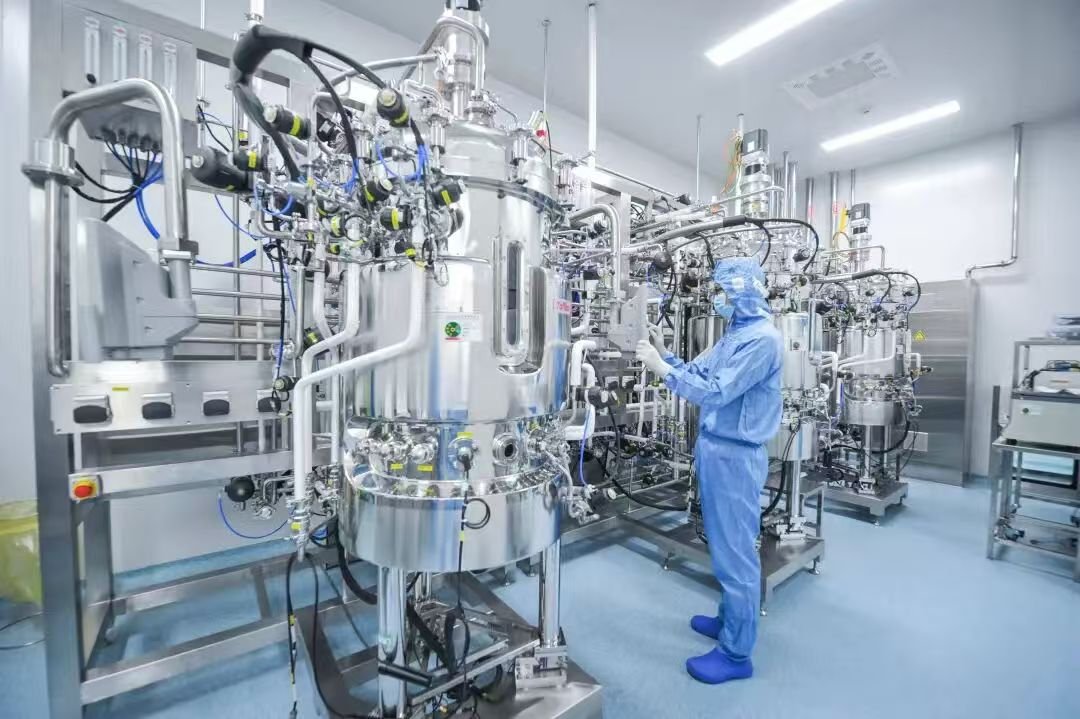
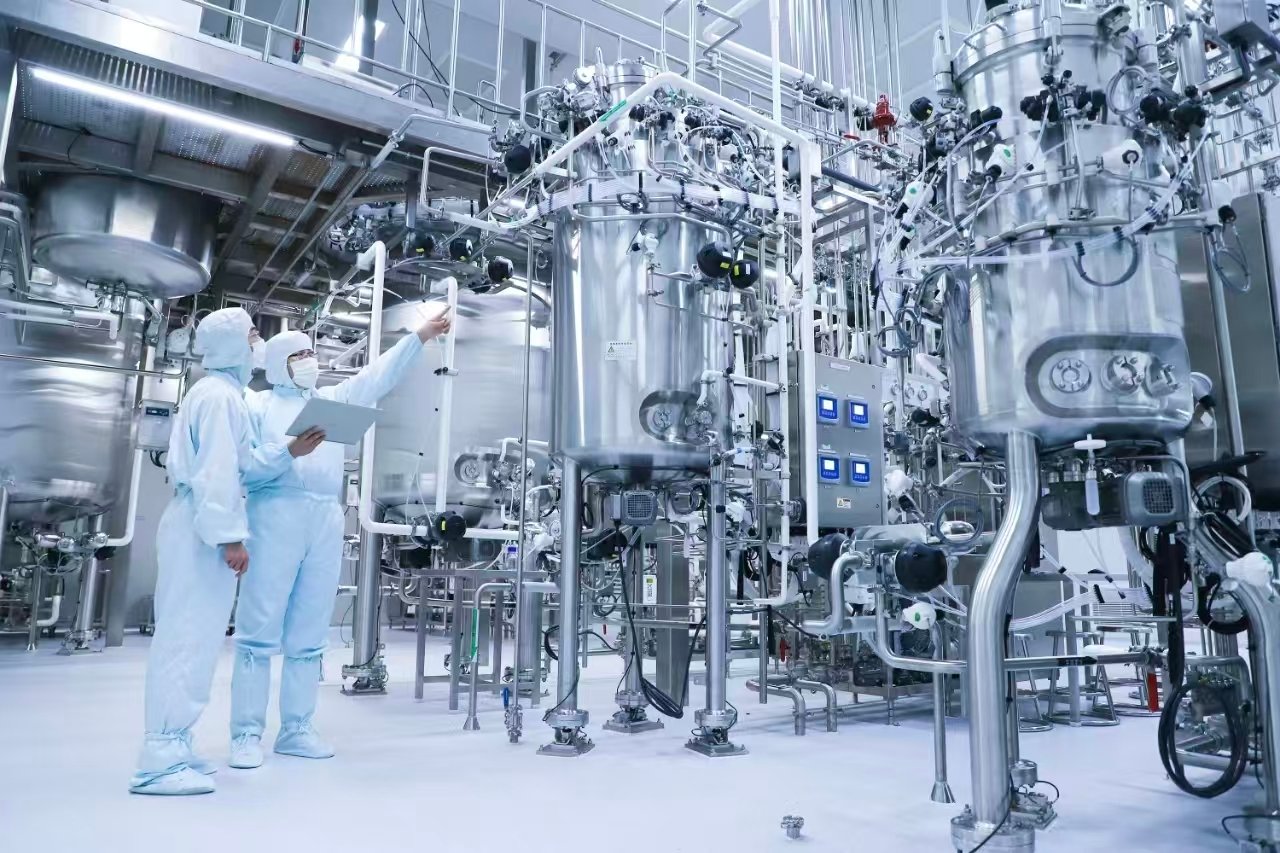
High-cell-density fermentation (HCDF) technology serves as the core pillar of modern biomanufacturing, playing an irreplaceable role in the efficient production of recombinant proteins, industrial enzymes and secondary metabolites.
In recent years, Escherichia coli and Pichia pastoris, as two dominant microbial expression systems, have been widely applied in the development and optimization of HCDF processes by virtue of their unique biological advantages.
1. Introduction
High-cell-density fermentation refers to the achievement of extremely high microbial biomass concentration within a limited fermenter volume through scientific process regulation, thereby substantially boosting the overall yield and production efficiency of target products. With the continuous advancement of biotechnology and industrial fermentation engineering, HCDF has become the mainstream process route for manufacturing various bioactive proteins, enzyme preparations and cytokines. Among numerous microbial expression systems, E. coli and P. pastoris stand out as paradigms for HCDF application due to their distinctive biological properties and mature genetic modification technologies. This paper comprehensively reviews the HCDF technologies of the two microbial hosts, covering fundamental biological characteristics, fermentation process optimization, scale-up bottlenecks and typical industrial applications, as well as comparing their respective advantages and limitations.
2. High-Cell-Density Fermentation of Escherichia coli
Escherichia coli is a Gram-negative, facultative anaerobic unicellular bacterium with a highly flexible metabolic network capable of utilizing diverse carbon sources for rapid proliferation. Under standard culture conditions, E. coli exhibits fast growth rate, simple metabolic byproducts and strong environmental adaptability, making it the preferred host in industrial biotechnology. Most heterologous proteins synthesized by E. coli accumulate intracellularly; secretion mediated by signal peptide-guided secretory pathways is occasionally observed, yet its secretion efficiency is generally inferior to eukaryotic systems due to cell wall structural constraints. In HCDF processes, E. coli reaches an extremely high volumetric cell concentration, accompanied by the accumulation of metabolic byproducts such as lactic acid and acetic acid. The buildup of these inhibitory metabolites hampers strain growth and fermentation efficiency, which constitutes a critical consideration in fermentation process design.
2.1 Medium Optimization and Fed-Batch Strategy
Successful HCDF of E. coli relies on systematic collaborative optimization of medium composition, feeding strategy, environmental parameters and induction conditions. Medium optimization lays the foundation for high-efficiency fermentation. Carbon source selection is of primary importance. Glucose is widely adopted for its high energy efficiency, yet its rapid catabolism readily triggers acetate accumulation. In contrast, glycerol, as a non-fermentative carbon source, features a moderate metabolic rate and effectively reduces acetate formation, making it the preferred carbon source for many HCDF processes. Complex nitrogen sources such as peptone supply abundant amino acids, vitamins and trace elements to facilitate rapid cell growth, while rational formulation of inorganic salts and trace elements is essential for maintaining cellular enzyme activity and metabolic homeostasis. Additionally, for inducible expression systems, the concentration of inducer (e.g., IPTG) requires pre-optimization to balance induction efficiency and cytotoxicity.
Fed-batch cultivation is the core approach to realize high-cell-density fermentation. Its primary objective is to precisely regulate the feeding rate of nutrients (mainly carbon sources) to maintain the specific growth rate at an optimal level, thereby avoiding the Crabtree effect and glucose effect induced by excessive substrate supply, which would otherwise lead to the accumulation of inhibitory byproducts like acetate. Meanwhile, it prevents growth restriction and cell death caused by nutrient deprivation. Common feeding strategies include: constant-rate feeding with simple operation but inability to match exponential cell growth; exponential feeding, a classic method that theoretically maintains a constant specific growth rate to achieve high biomass; and feedback-based feeding strategies such as DO-stat and pH-stat. These strategies dynamically adjust the feeding rate in real time according to dissolved oxygen (DO) or pH fluctuations reflecting nutrient consumption, enabling more accurate and flexible process control.
2.2 Environmental Parameter Control and Induction Optimization
Precise regulation of environmental parameters is equally critical as feeding strategy during fermentation. Dissolved oxygen is a limiting factor for aerobic fermentation, which is generally maintained above 20–30% saturation by linkage control of stirring speed, aeration rate and tank pressure to avoid anaerobic metabolism and acetate generation. Stable pH is vital for cell growth and product synthesis, usually maintained at the optimal range of 6.8–7.2 via automatic acid-alkali addition; ammonia solution is commonly used for pH adjustment while serving as an auxiliary nitrogen source to preserve enzyme activity and cell membrane integrity. Temperature acts as another key regulatory parameter: the optimal temperature of 37 °C is applied in the growth phase to maximize proliferation rate, while a lower temperature of 25–30 °C is adopted in the induction phase to slow down protein synthesis, promote correct protein folding and increase the proportion of soluble expression.
Optimization of induction strategy directly determines the yield and quality of target recombinant proteins. Induction is typically initiated in the mid-to-late logarithmic growth phase at an OD₆₀₀ of 30–50, when sufficient biomass serves as robust “cell factories” for massive recombinant protein synthesis. The IPTG concentration is optimized to balance full promoter activation and cytotoxicity, and low-dose induction at 0.1–0.5 mM has become a prevalent strategy to reduce metabolic burden. As mentioned above, temperature reduction during induction is an effective measure to enhance soluble protein expression.
2.3 Challenges and Countermeasures
Despite mature technical strategies, E. coli HCDF still faces prominent challenges. The most prominent issue is acetate inhibition. Acetate is a glycolytic byproduct generated under conditions of carbon excess, oxygen deficiency or excessive growth rate. When acetate concentration accumulates above the threshold of 5 g/L, it inhibits cell growth and recombinant protein synthesis via disrupting intracellular pH homeostasis, interfering energy metabolism and repressing translation initiation. Primary mitigation strategies include process optimization by adopting exponential or feedback feeding to restrict the specific growth rate below the critical threshold for acetate production; carbon source replacement with glycerol and alternative non-fermentative carbon sources; and strain engineering by employing acetate-deficient strains (e.g., ackA⁻, pta⁻) or overexpressing acetyl-CoA synthetase to re-assimilate accumulated acetate.
The second major challenge is inclusion body formation. Under high-cell-density and high-level heterologous protein expression, nascent polypeptides fail to fold correctly and aggregate into insoluble inclusion bodies. Although inclusion bodies feature easy purification and protease resistance, subsequent denaturation and renaturation processes are complicated, time-consuming, cost-intensive and associated with extremely low renaturation efficiency. Therefore, prioritizing soluble expression strategies is more economically feasible. Co-expression of molecular chaperones represents the most effective biological strategy; systems such as GroEL/GroES and DnaK/DnaJ/GrpE assist nascent polypeptide folding. Meanwhile, low-temperature induction is widely validated to increase soluble protein proportion by slowing down protein synthesis, extending folding time and reducing aggregation induced by hydrophobic interaction.
Furthermore, cellular stress response and metabolic burden constitute in-depth challenges in E. coli HCDF. Overexpression of recombinant proteins sequesters massive cellular resources, imposes severe metabolic burden, leads to growth retardation, deficiency of energy and precursors, and activates cellular stress pathways. A multi-dimensional collaborative strategy is required to address this challenge, including adopting tunable expression systems with adjustable promoter strength and induction timing (e.g., arabinose-inducible promoters); optimizing codon usage to enhance translation efficiency; and optimizing fermentation processes to alleviate instantaneous cellular metabolic stress.
3. High-Cell-Density Fermentation of Pichia pastoris
Pichia pastoris is a methylotrophic yeast classified as a eukaryotic microorganism with sophisticated organelles and oxidative glucose metabolism pathways. It possesses a thick cell wall, and heterologous proteins can be either secreted extracellularly or accumulated intracellularly. The AOX1 promoter is highly activated upon methanol induction to drive target protein expression, which forms the core of the P. pastoris expression system. Compared with E. coli, P. pastoris is capable of post-translational modifications such as glycosylation, rendering it uniquely advantageous for the production of complex therapeutic proteins.
3.1 Phased Precision Control
The HCDF process of P. pastoris exhibits typical phased characteristics, and successful implementation relies on precise regulation of each stage. The initial batch growth phase enables seed culture adaptation and entry into the logarithmic growth phase in minimal salt medium, laying a foundation for subsequent high-cell-density cultivation. The subsequent glycerol fed-batch phase aims to maximize biomass proliferation via restricted glycerol feeding as the sole carbon and energy source without substrate accumulation. Glycerol is metabolized via respiratory pathways in P. pastoris without generating inhibitory byproducts, allowing biomass to reach an extremely high level with wet cell weight exceeding 500 g/L.
The induction phase is the core of the entire process, directly determining the final yield of target proteins. This phase demands precise regulation of methanol metabolism. The strong AOX1 promoter of P. pastoris is strictly induced by methanol and strongly repressed by carbon sources such as glycerol and glucose. The regulatory mechanism lies in that formaldehyde generated from methanol oxidation acts as a transcriptional activator, while other carbon sources inhibit AOX1 transcription via repressor proteins. Therefore, residual glycerol must be completely depleted before induction to establish methanol as the sole carbon source, making methanol feeding strategy the key technical bottleneck. Simple constant-rate feeding fails to match the increasing metabolic demand of growing cells and easily causes methanol accumulation and cytotoxicity. Hence, advanced dynamic control strategies are indispensable. Online feedback control based on methanol sensors is widely applied to maintain methanol concentration at the optimal set point of 1–3 g/L. In the absence of online sensors, indirect feedback control via DO-spike is extensively adopted: when methanol is exhausted, the oxygen consumption rate declines and triggers a sharp DO surge, which initiates pulsed methanol feeding; DO decreases again after methanol consumption, forming a cyclic regulation mode. Despite discontinuous monitoring, this method achieves considerable control accuracy.
3.2 Carbon Source and Environmental Parameter Regulation
Mixed carbon source strategies are developed to overcome the limitation of weak cell growth and energy deficiency under sole methanol supply. The glycerol-methanol co-feeding strategy allows simultaneous feeding of a low dosage of glycerol during methanol induction. Glycerol rapidly supplies energy and synthetic precursors through glycolysis, alleviating the energy pressure of methanol metabolism and significantly improving protein yield. Nevertheless, glycerol concentration must be strictly maintained at an extremely low level to avoid AOX1 promoter repression. Glucose-methanol co-feeding serves as an alternative strategy, yet the strong repressive effect of glucose imposes stringent requirements on promoter regulation and production stability.
Environmental parameters profoundly affect methanol metabolic efficiency and protein expression. Methanol metabolism is a highly oxygen-consuming process with extremely high DO demand throughout the induction phase, especially under high cell density. DO must be maintained above 20–30% saturation by increasing stirring speed, aeration rate, tank pressure and oxygen-enriched ventilation; oxygen deficiency will lead to incomplete methanol metabolism and accumulation of toxic byproducts. pH affects both cell growth and protein stability and secretion; the optimal slightly alkaline pH range inhibits the activity of acidic proteases and preserves enzymatic activity. Temperature serves as another critical regulatory lever: moderate temperature reduction to 20–25 °C during induction is proven to optimize protein folding, reduce aggregation and degradation, and relieve oxygen limitation under high cell density.
3.3 Challenges and Countermeasures
P. pastoris HCDF also faces unique inherent challenges. The primary concern is methanol cytotoxicity and safety risks. Methanol exerts cytotoxicity to yeast cells, and excessive concentration damages cell membrane structure and inhibits growth. It also causes neurotoxicity to humans, and methanol vapor forms explosive mixtures with air. In terms of process control, accidental methanol accumulation must be eliminated via precise feeding strategies to maintain methanol at sub-inhibitory levels. For hardware configuration, fermenters and peripheral facilities must comply with explosion-proof standards, including explosion-proof motors, nitrogen purging and sealing systems, and combustible gas concentration monitoring and alarm devices.
The second challenge stems from distinct phenotypes of P. pastoris strains, namely methanol utilization plus (Mut⁺) and methanol utilization slow (Mutˢ) strains, which exert a decisive impact on fermentation strategies. Mut⁺ strains require high methanol feeding rates and exhibit extremely high oxygen consumption during induction; improper control easily triggers dual limitation of methanol and DO. In contrast, Mutˢ strains adopt a substantially reduced methanol feeding rate with a prolonged fermentation cycle, yet feature mild metabolism and low heat generation, enabling simpler process control.
The third prevalent challenge is proteolytic degradation of recombinant proteins. Under stress conditions such as oxygen deficiency and nutrient deprivation, P. pastoris secretes extracellular acidic proteases or activates intracellular protease systems to degrade target proteins. Corresponding countermeasures include adopting protease-deficient strains as the most direct and effective solution; optimizing fermentation conditions by maintaining optimal pH to deviate from the optimal range of acidic proteases, lowering induction temperature, ensuring sufficient DO to alleviate cellular stress, and applying mixed carbon source strategies to supply adequate cellular energy and suppress starvation-induced protein degradation pathways.
Conclusion
As a core driving force of modern biomanufacturing industry, high-cell-density fermentation technology markedly enhances the production efficiency and economic value of heterologous proteins and other target products. This paper reviews the HCDF strategies and challenges of E. coli and P. pastoris, the representative prokaryotic and eukaryotic expression systems respectively. For E. coli, successful HCDF relies on medium optimization and sophisticated Fed-batch strategy design based on dynamic metabolic profiling, relieving cell growth bottlenecks by eliminating the accumulation of inhibitory metabolites such as acetate. Synergistic fine-tuning of environmental parameters and induction conditions coordinates the contradiction between cell growth and protein expression to maximize product yield. For P. pastoris, the fermentation process presents typical phased characteristics requiring stage-specific precise regulation. Each stage, including batch glycerol growth, glycerol fed-batch proliferation and methanol-induced expression, demands independent optimization of carbon source feeding, DO level and other process parameters. Its unique methanol metabolic pathway endows high expression potency while imposing massive heat load and oxygen demand, thereby requiring ultra-high precision in carbon source control and stability of environmental parameters.
As a leading process-oriented engineering company, Sino Bioengineering delivers professional bioengineering solutions and comprehensive technical services to clients worldwide.
For more products and solutions: https://sinobioengg.com/category/solution/
For more service: https://sinobioengg.com/category/service/