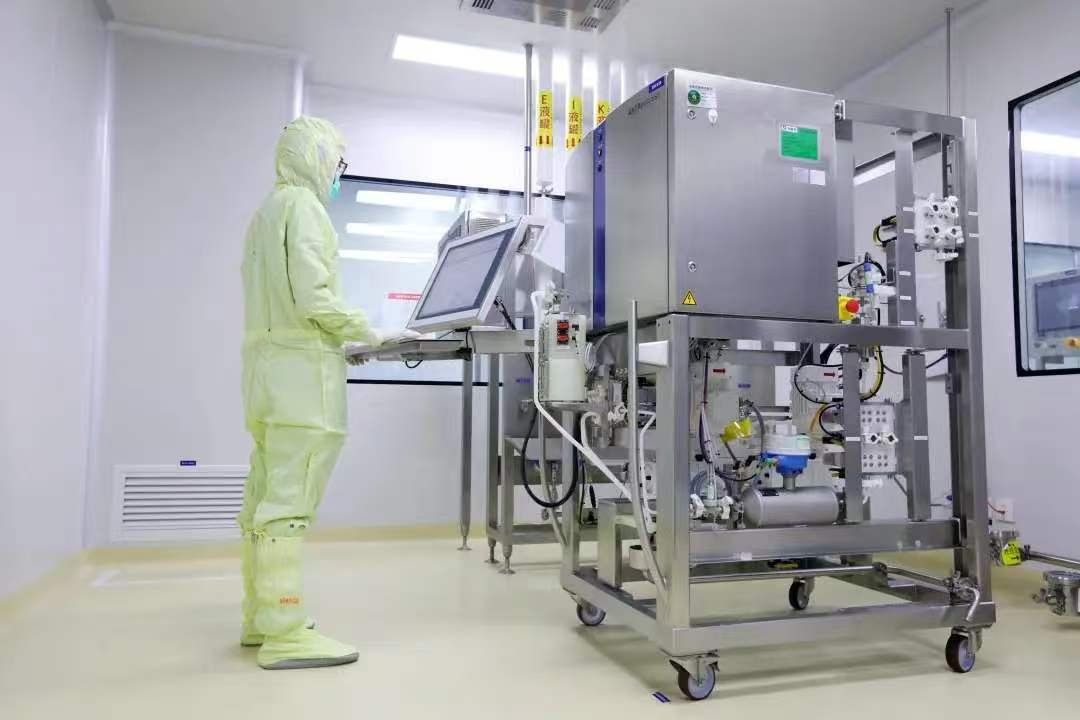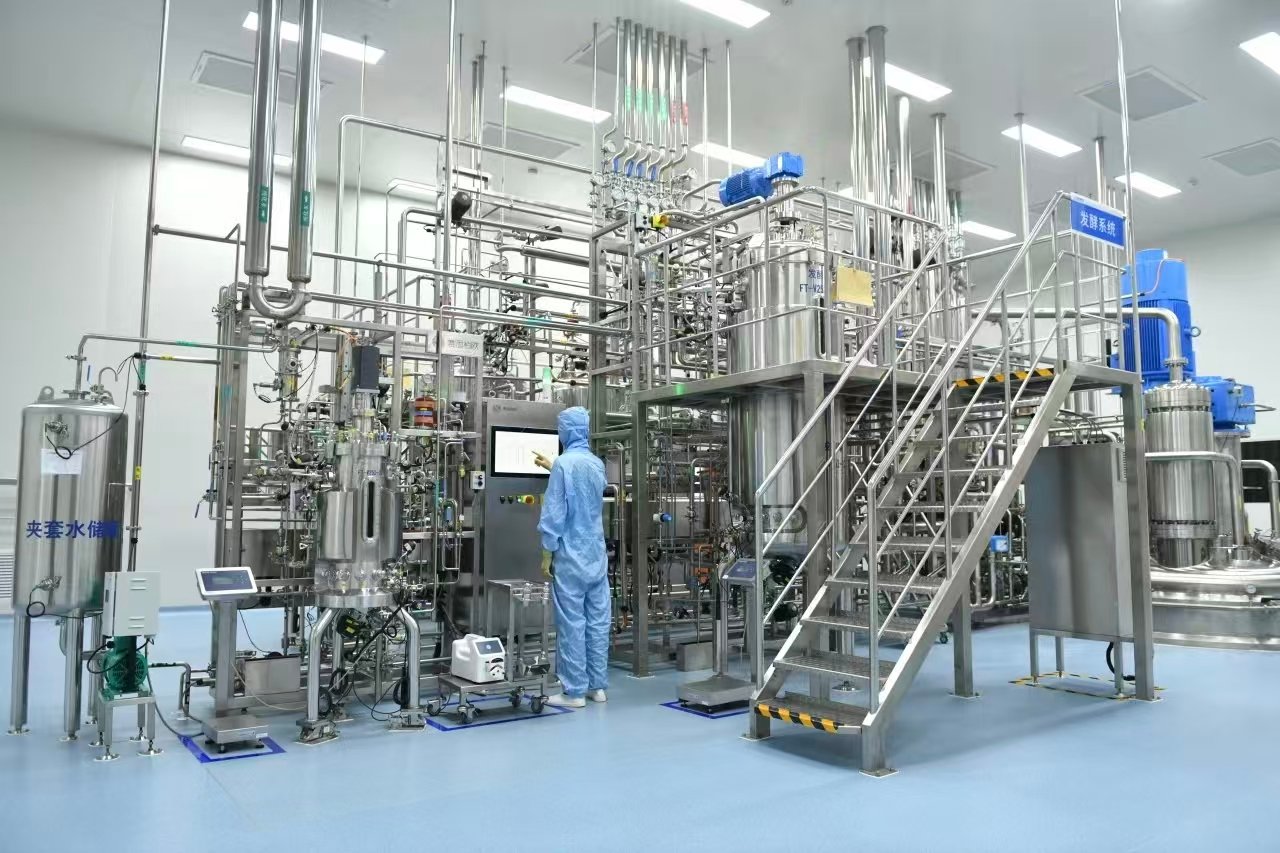
Production efficiency, product quality and cost control are the core competitive factors in the biopharmaceutical industry. Cell perfusion culture, an advanced bioprocess solution, is widely applied in the R&D and manufacturing of bioproducts such as monoclonal antibodies, vaccines and gene therapies.
Cell perfusion culture is a high-efficiency technique for cell cultivation and continuous product harvesting. Fresh culture medium is continuously perfused into the bioreactor to replace spent medium and remove cytotoxic metabolic byproducts, sustaining high cell density and metabolic activity. This method effectively boosts cell proliferation rate and target product titer. Unlike traditional batch culture, perfusion culture enables continuous nutrient supplementation and product harvesting. Excess cells are periodically discarded to maintain nearly constant culture volume and cell density. For unstable products, perfusion culture cuts down product residence time inside the reactor, thereby further enhancing product quality.
Perfusion culture can achieve nearly 10 times higher cell density compared with standard batch culture, substantially lifting production efficiency. It also allows downsizing of bioreactors and greatly reduces capital investment in equipment, making it increasingly popular across the pharmaceutical sector.
Perfusion culture boasts distinct advantages over conventional batch and fed-batch culture:
Higher cell density and product yield: Prolongs culture duration and elevates the expression level and productivity of target products.
More stable culture environment: Removes metabolic byproducts such as lactic acid and ammonia in real time to optimize cell growth conditions.
Reduced downstream purification burden: Elevates product concentration and lowers the difficulty of subsequent purification processes.
Ideal for high-value and/or unstable bioproducts: Minimizes product residence time in reactors, making it well-suited for viral vectors, exosomes, vaccines and similar products.
Beyond yield improvement and cost reduction in production, perfusion technology is also applicable to cell banking, seed culture amplification and high-density inoculation. Deploying perfusion at multiple upstream stages accelerates seed cell preparation for bioreactor inoculation.
Perfusion enables high-density and large-volume cell banking. Cell banks established via perfusion culture drastically shorten the seed amplification timeline and eliminate traditional shake flask and roller bottle culture steps. Inoculation can be carried out using smaller seed bioreactors. Fewer intermediate bioreactors and simplified amplification procedures cut down non-productive culture time and substantially lower contamination risks caused by cumbersome operations.
N-1 perfusion seed bioreactors deliver high cell density for high-density inoculation into production bioreactors, shortening the accumulation of non-productive cell culture time. A single N-1 perfusion bioreactor can even supply inoculum for multiple production bioreactors to further improve overall productivity.
In Tangential Flow Filtration (TFF) perfusion, cell culture fluid is pumped through hollow fibers and recirculated back to the bioreactor. In Alternating Tangential Flow (ATF) systems, a diaphragm pump fitted at one end of the hollow fibers drives the culture fluid to flow back and forth axially along the fibers. These two tangential flow modes differ in membrane retention performance and fouling characteristics. Dedicated process steps are required to mitigate membrane fouling and preserve membrane sieving capacity. During perfusion, cells are transported out of the reactor. Excessively long cell residence time in perfusion components will slow cell growth and reduce productivity, while overly high circulation flow rates may induce fluid dynamic stress, altering cell morphology and specific productivity.
Membrane fouling is the major challenge of perfusion processes, manifested as decreased transmembrane flux and increased membrane resistance. It mainly arises from three mechanisms: non-specific adsorption, partial or complete membrane blockage, and formation of gel layers or filter cakes, all of which impair membrane separation performance. The fouling tendency of hollow fiber modules is closely related to membrane properties, including pore size distribution, porosity, surface roughness and surface charge.
Reasonable parameter settings can mitigate filter clogging. Increasing tangential flow velocity or lowering transmembrane pressure alleviates concentration polarization and boundary layer resistance. Tangential flow velocity can be raised by increasing pump speed or reducing fiber inner diameter, while taking cell shear sensitivity into account. Maintaining a stable ratio between tangential flow rate and permeate flow rate sustains effective scouring on membrane surfaces. Backflushing steps help remove deposits on membrane surfaces, which are then carried away by tangential flow. In addition, selecting hollow fiber filters with excellent fouling resistance and stable flux is critical.
Appropriate perfusion rates contribute to higher product yields. Perfusion modes are categorized into steady-state perfusion and dynamic perfusion. Steady-state perfusion runs at a fixed flow rate, featuring simple operation and stable culture parameters to ensure consistent quality of harvested products. Cell-Specific Perfusion Rate (CSPR)-based dynamic perfusion adjusts flow rate according to real-time cell density. By regulating two variables — perfusion rate and cell density — it increases product concentration, cuts medium consumption and maximizes production efficiency. For steady-state perfusion processes, differentiated CSPR strategies can also be adopted during cell growth and stationary phases to meet diverse process objectives.
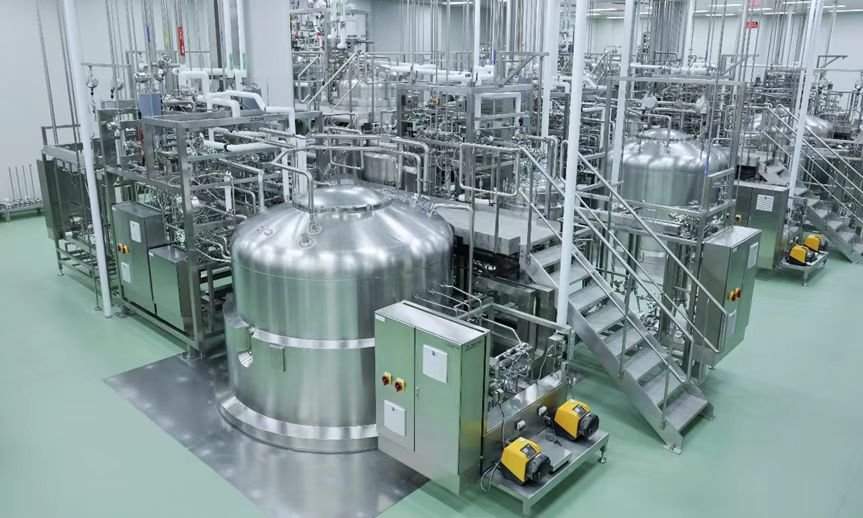
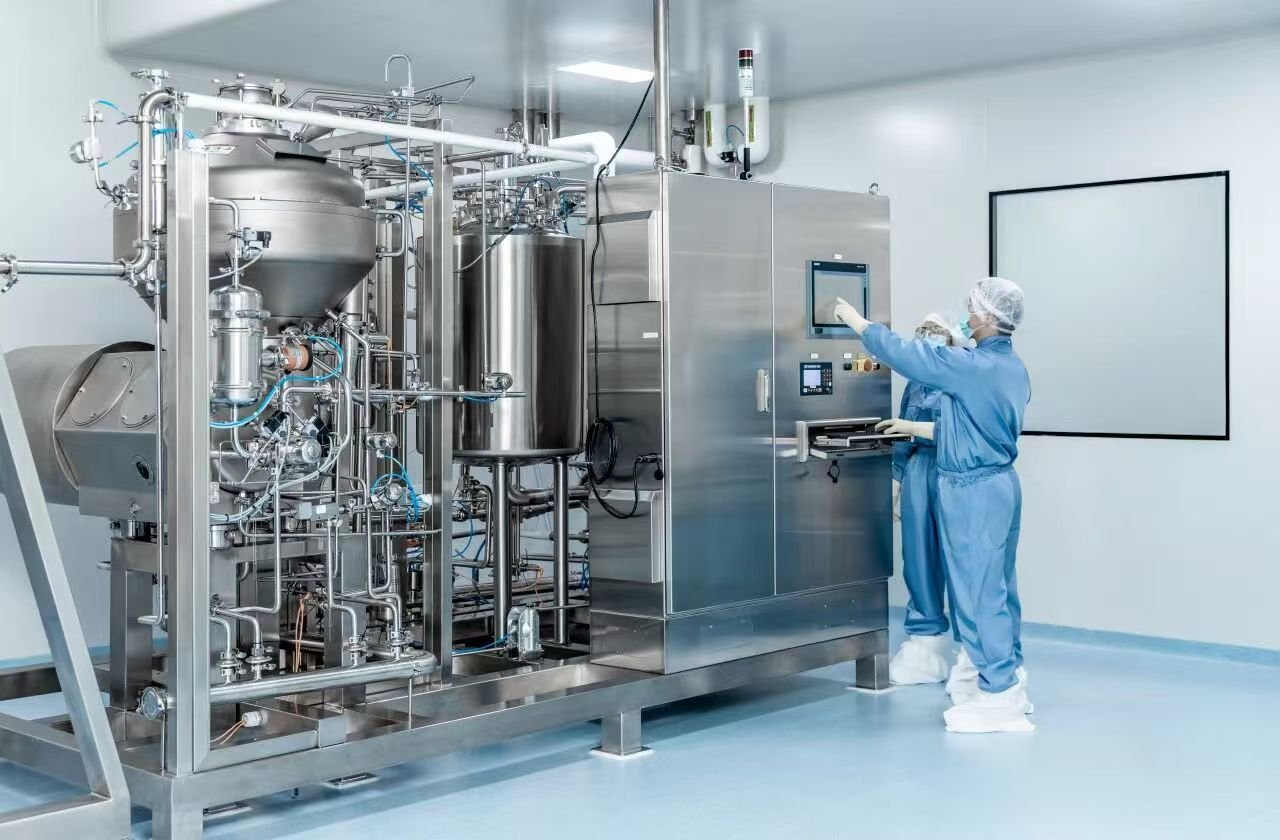
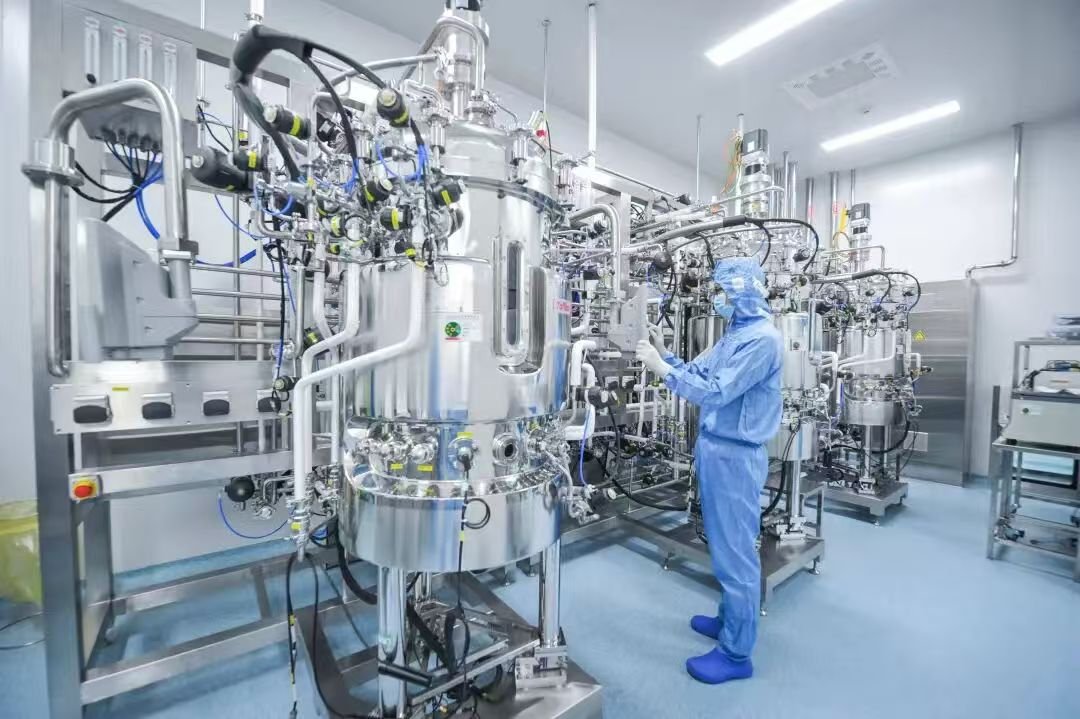
Cell lines, culture media and bioreactors are also indispensable components of upstream bioprocesses. Against the backdrop of growing global demand for biopharmaceuticals, perfusion technology aligns with bioprocess intensification trends, improving volumetric productivity and product quality. Perfusion equipment occupies a small footprint and is compatible with both stainless steel and single-use bioreactor systems, offering remarkable advantages in operational flexibility and scalability.
As a leading process-oriented engineering company, Sino Bioengineering delivers professional bioengineering solutions and comprehensive technical services to clients worldwide.
For more products and solutions: https://sinobioengg.com/category/solution/
For more service: https://sinobioengg.com/category/service/