

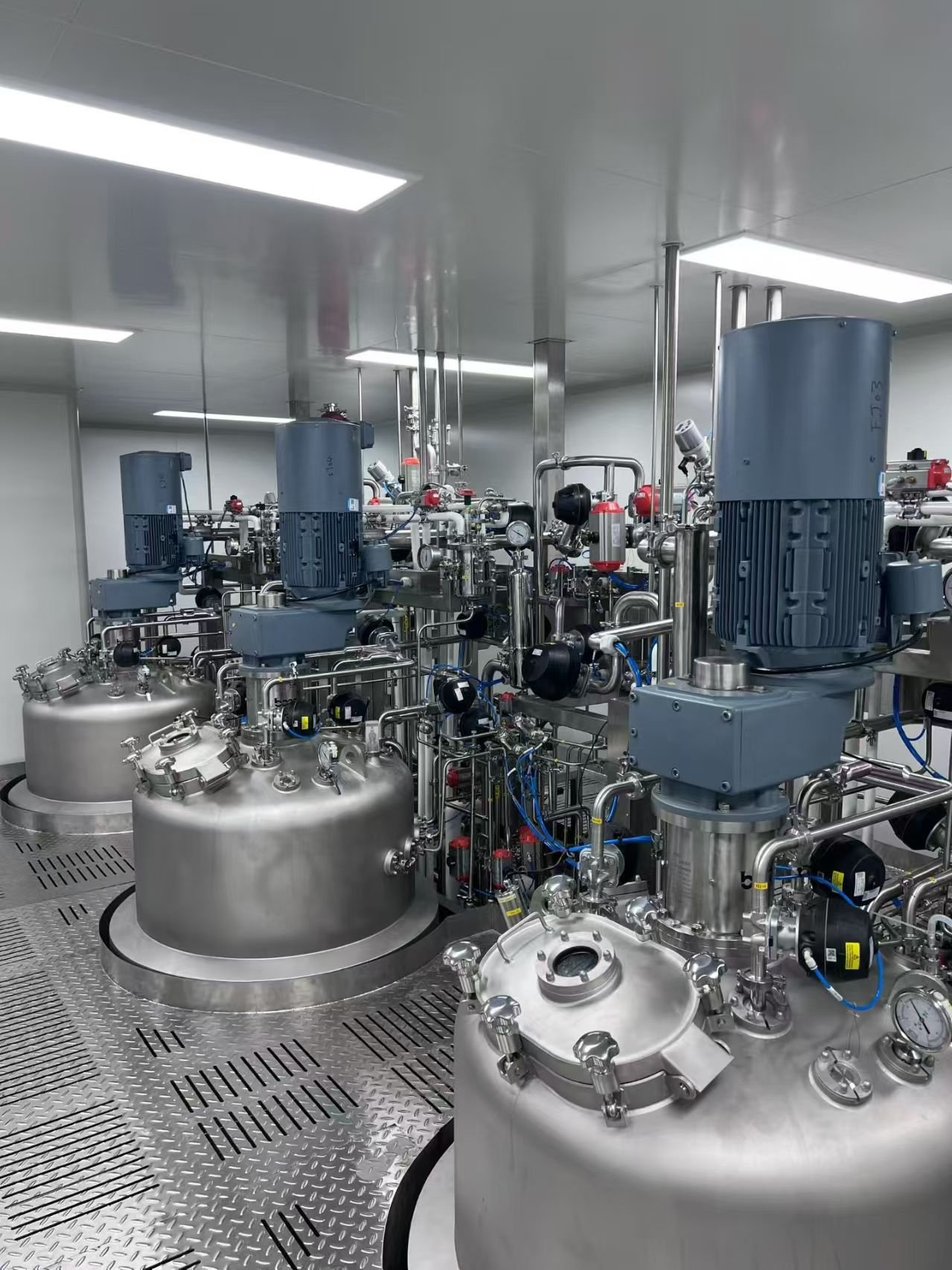
In recent years, the application of microbial cell factories in the biosynthesis of natural products has gradually become an important direction in biomanufacturing. Compared with traditional plant extraction or chemical synthesis routes, microbe‑based biosynthesis technology offers numerous advantages: renewable carbon sources, low energy consumption, minimal environmental pollution, low raw material costs, and greater ease of automation and large‑scale production. With the rapid development of synthetic biology and systems biology, the biosynthetic pathways of natural products have been deeply elucidated, providing theoretical and technical foundations for the modular reconstruction of metabolic pathways, coordinated regulation of multiple genes, and systematic optimization. In this context, eukaryotic yeasts have become important host systems in synthetic biology research and industrial applications, as they possess eukaryotic processing and modification capabilities while retaining the high‑efficiency expression and rapid growth characteristics of microorganisms.
Among various yeasts, Pichia pastoris (currently reclassified as Komagataella phaffii) shows broad prospects in recombinant protein expression, natural product synthesis, and emerging biomanufacturing technologies due to its excellent expression capacity, metabolic diversity, and industrial adaptability. Since its introduction as a commercial expression platform in 1985, P. pastoris has evolved from a protein expression tool to a synthetic biology chassis, emerging as a research and application hotspot in recent years.
Pichia pastoris is a methylotrophic yeast that can use methanol as the sole carbon source, with strong carbon source metabolic flexibility and high‑cell‑density fermentation capacity. It is widely distributed in nature and adapts to various environmental conditions such as low pH, high osmotic pressure, and toxic substrates, demonstrating robust industrial adaptability. Its core advantages include high‑density fermentation and expression, strong inducible promoter systems, eukaryote‑specific post‑translational modification, and diverse carbon source utilization. The methanol‑inducible promoter PAOX1 has extremely strong expression activity and can be used to induce high‑yield production of target proteins. Meanwhile, constitutive promoters such as PGAP and PFLD have been widely used in methanol‑free expression systems, which are more suitable for the production of products with high biosafety requirements. In addition, P. pastoris can achieve multi‑copy integration of foreign genes at different genomic loci to enhance product synthesis, and further optimize protein secretion efficiency and correct folding through signal peptide screening and chaperone expression.
The rapid development of synthetic biology has provided a new toolset for the engineering of P. pastoris. In addition to traditional homologous recombination, the successful application of CRISPR/Cas9 and Cas12a systems in P. pastoris has greatly improved the efficiency and precision of gene editing, supporting multi‑gene knockout, pathway replacement, site‑specific insertion, and other operations. Furthermore, with the introduction of modular design concepts, multi‑promoter expression, multi‑module pathway assembly, and tunable expression element libraries have been gradually developed for pathway optimization. At the same time, the integration of systems biology has accelerated the understanding of the metabolic network of P. pastoris. By integrating multi‑omics data including transcriptomics, metabolomics, and proteomics, researchers can accurately locate metabolic bottlenecks, regulate flux distribution, and further improve the synthesis of target products through metabolic flux analysis and model‑driven optimization strategies.
The integrated application of systems biology not only helps optimize metabolic pathways but also supports the stability and product consistency of heterologous expression systems. Under high expression load, P. pastoris is prone to folding stress, endoplasmic reticulum stress, and reactive oxygen species accumulation. Systematic strategies such as regulating the endoplasmic reticulum stress pathway, enhancing protein folding chaperones, and optimizing secretion pathways can significantly improve cell physiology, increase the stability of the expression system, and enhance the biological activity of products. In addition, dynamic regulation strategies such as feedback regulatory circuits and biosensor systems have been gradually introduced into the P. pastoris expression system, enabling real‑time response and adaptive regulation of expression levels to further improve production efficiency.
In practical applications, P. pastoris has achieved remarkable breakthroughs in multiple industrial fields. In biopharmaceuticals, it is widely used for the expression of vaccine antigens and therapeutic proteins. For example, hepatitis B vaccines, HPV vaccines, and other products produced in P. pastoris have been approved by national drug regulatory authorities. A variety of insulin analogs, interferons, and other therapeutic proteins are also produced using P. pastoris, with the advantages of low cost, high activity, and high safety. In natural product synthesis, engineered P. pastoris has been constructed with complete metabolic pathways for steroids, flavonoids, polyphenols, triterpenoids, and other compounds, producing high value‑added products such as ursolic acid, myricetin, quercetin, and astaxanthin, which are widely used in health products, cosmetics, and food industries. P. pastoris also shows excellent performance in the expression of industrial enzymes and diagnostic enzymes. Many industrial enzymes such as xylanase, lipase, and alkaline phosphatase have been commercialized and play important roles in detergents, food processing, nucleic acid detection, and other industries.
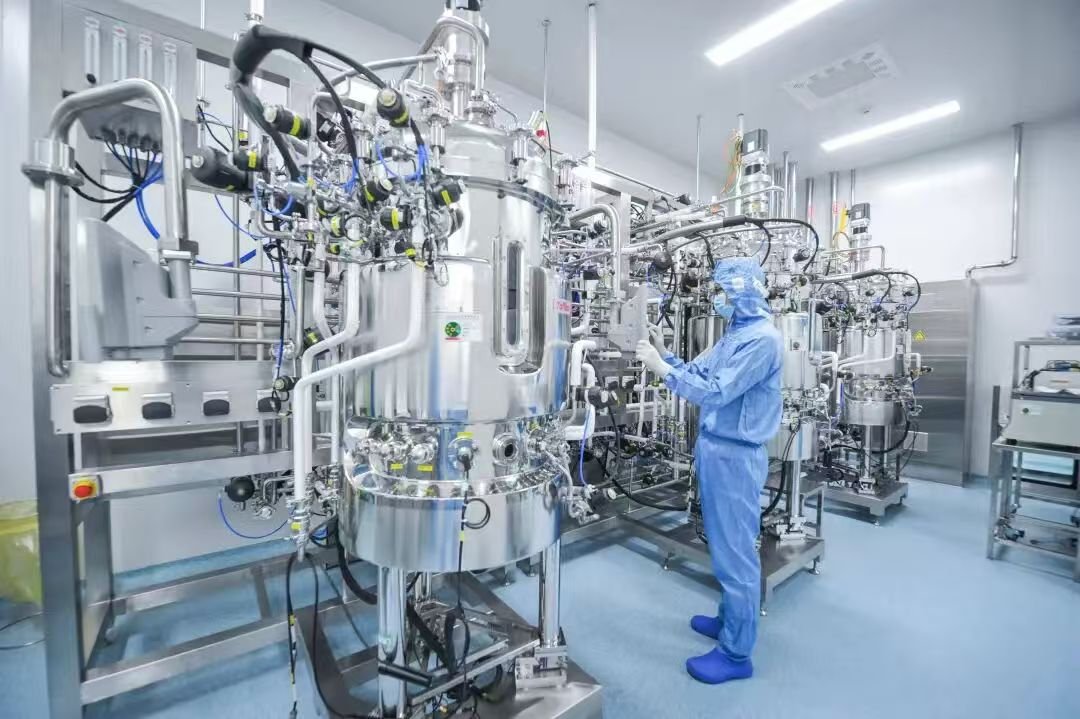
Compared with Escherichia coli and Saccharomyces cerevisiae, P. pastoris has unique advantages in many aspects. Although E. coli has high expression levels, it lacks eukaryotic modification ability and often forms inclusion bodies. Saccharomyces cerevisiae has certain glycosylation ability, but its expression and secretion efficiency are usually lower than that of P. pastoris. In contrast, P. pastoris not only has high expression and secretion capacity but also excellent eukaryotic modification ability, making it particularly suitable for the expression of complex glycoproteins and vaccine antigens. In terms of industrial adaptability, P. pastoris can tolerate low pH and high osmotic pressure, is suitable for fermentation systems of different scales, and has a relatively mature fermentation process widely used in bioreactor systems.
Despite its many advantages, the development of P. pastoris still faces several challenges. The first is the problem of glycosylation heterogeneity. Its natural high‑mannose glycosylation is significantly different from human proteins, affecting the immunogenicity and biological activity of therapeutic proteins. The introduction of humanized glycosylation pathways has alleviated this problem to a certain extent, but the precise regulation of glycosylation still needs in‑depth research. Second, the standardization and universality of engineering tools for P. pastoris need to be improved. Currently, promoters, signal peptides, integration sites and other elements used in different laboratories are inconsistent and lack unified standards, limiting the efficiency of modular construction and multi‑pathway synthesis. In addition, consistency control during large‑scale industrial fermentation of P. pastoris remains an important issue. Problems such as expression fluctuation, unstable cleavage sites, and heterogeneous expression need to be solved through advanced Process Analytical Technology (PAT) and process monitoring methods.
In the future, the development of P. pastoris is expected to expand in multiple directions. First is the construction of chassis cells and genome simplification, which can improve system stability and expression consistency by removing redundant pathways, optimizing core metabolic networks, and integrating multi‑omics data. Second is the standardization and programmable design of synthetic elements to support the construction of complex pathways and multi‑level regulatory systems. In addition, pathway design, metabolic optimization, and automated modeling tools combined with artificial intelligence and big data will further shorten the cycle from design to application and improve development efficiency. The introduction of biosensors and dynamic regulation systems will also enable P. pastoris to better adapt to dynamic environmental changes and achieve higher‑level intelligent synthetic regulation.
In summary, Pichia pastoris has gradually evolved from an initial recombinant protein expression tool to a synthetic biology chassis with high engineering potential. It combines the complex processing capabilities of eukaryotic cells with the efficient expression and controllable characteristics of microbial systems, showing broad application prospects especially in high value‑added fields such as vaccines, pharmaceuticals, natural products, and functional enzymes. Against the background of the bioeconomy and green manufacturing, P. pastoris is expected to be deeply integrated with AI design, automated synthesis platforms, bioreactor control systems and other technologies, becoming an important core of future intelligent microbial factories. With the increasing global demand for low‑carbon, sustainable, bio‑based manufacturing technologies, P. pastoris will continue to act as a bridge in the journey from “gene to product” and “laboratory to factory”, becoming a mainstay of the next generation of biomanufacturing.
As a leading process-oriented engineering company, Sino Bioengineering delivers professional bioengineering solutions and comprehensive technical services to clients worldwide.
For more products and solutions: https://sinobioengg.com/category/solution/
For more service: https://sinobioengg.com/category/service/