

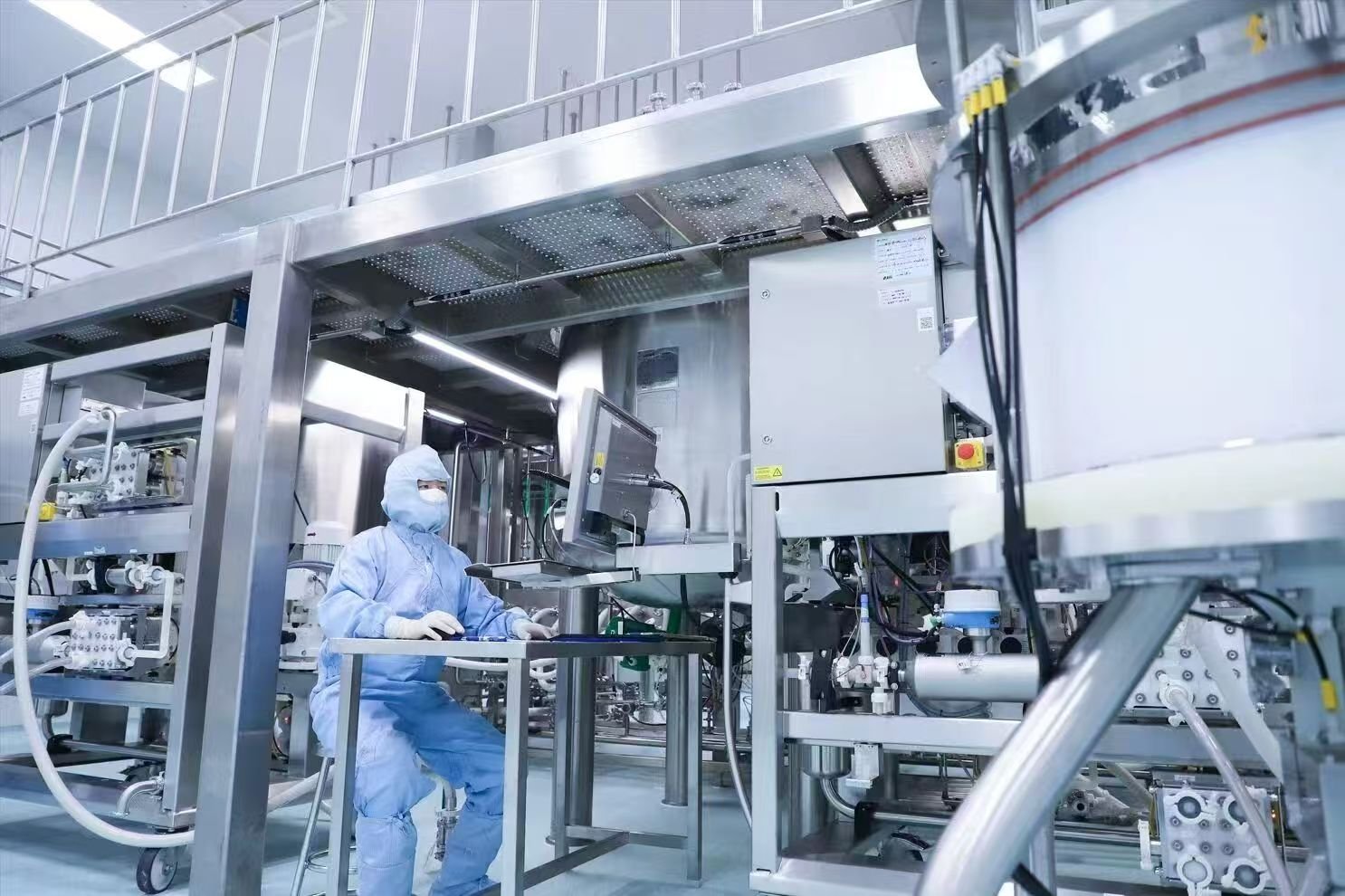
HEK293 cells were originally isolated by Alex Van der Eb in the 1970s and subsequently transformed by Frank Graham using sheared fragments of adenovirus type 5 (Ad5) DNA. Owing to their high transfection efficiency, robust protein expression capacity, high tolerance to exogenous DNA, and ability to support the replication of diverse viruses, this cell line occupies an irreplaceable core position in the research and industrial manufacturing of viral vectors. Particularly amid the rapid development of gene therapy and cell therapy, HEK293 cells have become the dominant host system for the construction and production of retroviruses, adeno-associated viruses (AAV), adenoviruses, oncolytic viruses, and other viral vectors. Their applications span from laboratory-scale R&D to GMP-grade commercial manufacturing, with supporting process platforms undergoing continuous iteration and optimization.
Application of HEK293 Cells in Retroviral Vector Production
Retroviruses are positive-sense single-stranded RNA viruses that rely on virally encoded reverse transcriptase to transcribe their RNA genomes into DNA, which integrates into the host genome to achieve stable expression of target genes. In clinical applications, lentiviruses represent the most prominent members of the retrovirus family. Capable of infecting quiescent and non-dividing cells, they are especially suitable for hard-to-transfect cell types such as T cells and stem cells, serving as a critical tool for CAR-T cell therapy and gene supplementation therapy for certain genetic disorders.
The HEK293T cell line stably expresses the SV40 T antigen, which enhances the replication efficiency of plasmids containing the SV40 origin of replication (ori), thereby significantly boosting viral yields. For this reason, it has become the standard host cell for the transient transfection-based production of lentiviruses. This process typically employs a three- or four-plasmid co-transfection system. Although adherent HEK293T systems were common in early research, they suffer from limited scalability, high operational costs, and poor batch consistency in large-scale production.
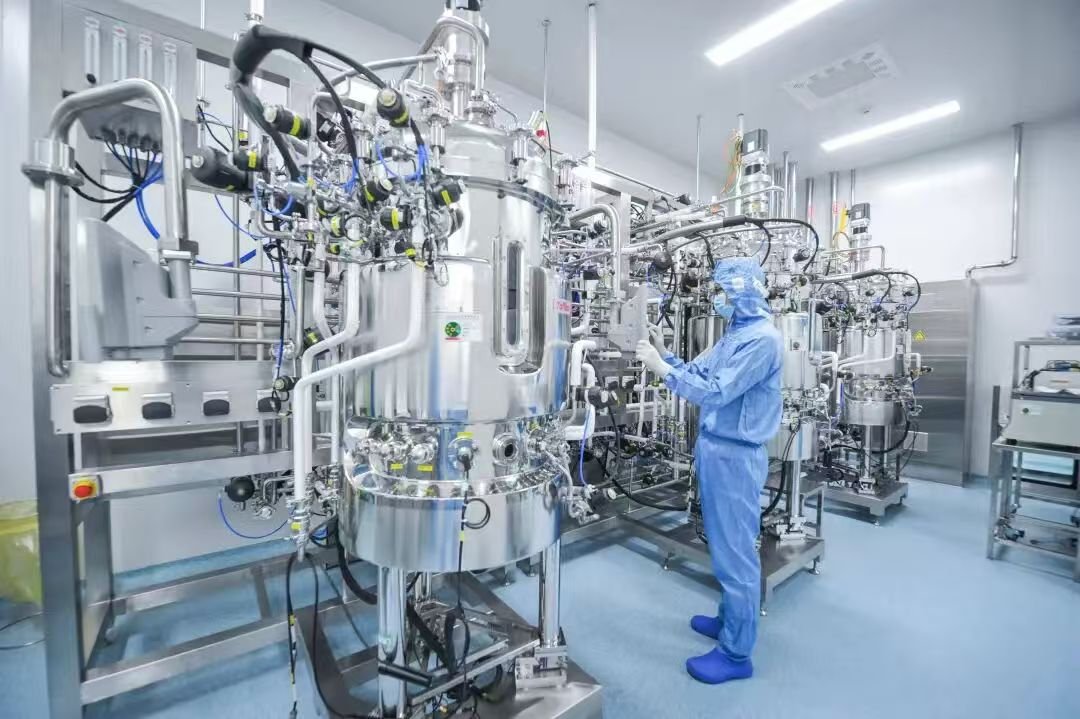
Driven by the growing demand for industrial-scale viral vector manufacturing capacity, suspension culture systems for HEK293T cells have advanced rapidly. Multiple serum-free suspension-adapted HEK293T subclones (e.g., 293SF, 293F) are now utilized in wave bioreactors, stirred-tank bioreactors, and other culture systems, supporting stable scale-up from 5 L to 200 L and even kiloliter volumes. For transient transfection processes, the combination of high-efficiency transfection reagents and multi-parameter process control (pH, temperature, dissolved oxygen, feeding) has enabled viral titers to reach 10⁸–10⁹ TU/mL. Meanwhile, the progressive development of stable packaging cell lines simplifies plasmid requirements and transfection workflows, offering potential for the commercial continuous production of lentiviruses in the future.
Application of HEK293 Cells in AAV Vector Production
Adeno-associated virus (AAV) is one of the most mainstream viral vectors in current gene therapy development, having achieved clinical and commercial success particularly in the treatment of retinal, neurological, and muscular disorders. Its high safety profile, low immunogenicity, durable transduction, and minimal risk of genomic integration are the primary reasons for its widespread adoption.
HEK293 cells inherently harbor the Ad5 E1 gene, providing the foundational helper functions required for AAV production, making them the most commonly used host cell for industrial AAV manufacturing. AAV production generally relies on a three-plasmid co-transfection system: a Rep/Cap plasmid (encoding replication and capsid proteins), a helper plasmid (supplying essential adenoviral helper factors including E2A, E4, and VA RNA), and a transgene plasmid carrying the therapeutic gene of interest. While traditional adherent HEK293T systems are widely used at the research stage, they have gradually transitioned to suspension-adapted cell lines such as HEK293F with the advancement of commercialization.
Suspension culture facilitates convenient production scale-up, and when combined with fed-batch culture and precise feeding strategies, it further extends cell growth duration and production cycles. In terms of process optimization, systematic refinement of key parameters—including cell density, transfection time window, DNA/transfection reagent ratio, and medium feed composition—has enabled the stable production of high-titer AAV vectors exceeding 10¹³ gc/mL. However, AAV production faces challenges such as high empty capsid ratios and heterogeneous capsid populations, necessitating separation and purification strategies such as density gradient centrifugation or affinity chromatography downstream. To improve purification consistency, modern AAV manufacturing processes are increasingly incorporating in-line process analytical technology (PAT) for real-time monitoring and control of process quality.
Application of HEK293 Cells in Adenoviral Vector Production
Adenoviruses are non-enveloped double-stranded DNA viruses widely used as vaccine vectors, gene therapy vectors, and oncolytic therapeutic agents due to their large gene packaging capacity, high transduction efficiency, and non-integrating nature in the host genome. Typical E1/E3-deleted adenoviruses require amplification in HEK293 cells that supply E1 function, as this cell line stably expresses Ad5 E1 region proteins to support the construction and production of recombinant adenoviruses.
Traditional adenovirus production mostly involves amplification in adherent HEK293 cells, followed by cell lysis for viral release and purification. However, with the trend toward large-scale vaccine manufacturing and increased therapeutic dosages, the industry has progressively explored suspension culture platforms for HEK293 cells. Cell lines such as HEK293SF and HEK293-F can grow in serum-free, chemically defined media and achieve high-density culture in bioreactors. Process parameters including seeding density, multiplicity of infection (MOI), feeding mode, and harvest time require precise control to ensure viral titer and biological activity. For adenovirus purification, the combination of chromatography and tangential flow filtration (TFF) has become increasingly mature and is widely implemented in GMP manufacturing facilities.
Application of HEK293 Cells in Oncolytic Virus Production
Oncolytic viruses are viral vectors that selectively infect and kill tumor cells, acting through direct oncolysis of tumor cells and induction of host anti-tumor immune responses. Commonly used oncolytic viral vectors include herpes simplex virus (HSV), adenovirus (Ad), vesicular stomatitis virus (VSV), reovirus, measles virus (MV), and others. Depending on the viral species, HEK293 cells play distinct roles in construction, amplification, and titer stability testing, and are extensively adopted especially in the production of oncolytic adenoviruses and oncolytic measles viruses.
To meet the industrial manufacturing requirements of oncolytic viruses, the controllability, production consistency, and safety of the HEK293 cell platform are particularly critical. Taking oncolytic adenoviruses as an example, stable suspension-adapted HEK293 cell lines coupled with refined transfection processes enable efficient viral amplification. Post-harvest, a series of gradient purification and nuclease treatment steps balance viral purity and activity. Furthermore, viruses produced using the HEK293 system exhibit excellent genomic integrity and biological activity in stability studies and long-term storage.
Conclusion
The HEK293 cell platform has become a core supporting system for the industrialized production of viral vectors. Its applicability and flexibility across multiple vector types—including retroviruses, AAV, adenoviruses, and oncolytic viruses—render it highly adaptable throughout the entire lifecycle from R&D and process development to commercial manufacturing. With the iterative advancement of gene therapy and cell therapy technologies, process development for the HEK293 cell platform is evolving toward multi-dimensional synergy. Suspension adaptation, animal component-free substitution, high-efficiency transfection systems, in-line process analytical technology (PAT), continuous manufacturing, and digital process monitoring will constitute key trends in future viral vector production.
As a leading process-oriented engineering company, Sino Bioengineering delivers professional bioengineering solutions and comprehensive technical services to clients worldwide.
For more products and solutions: https://sinobioengg.com/category/solution/
For more service: https://sinobioengg.com/category/service/