
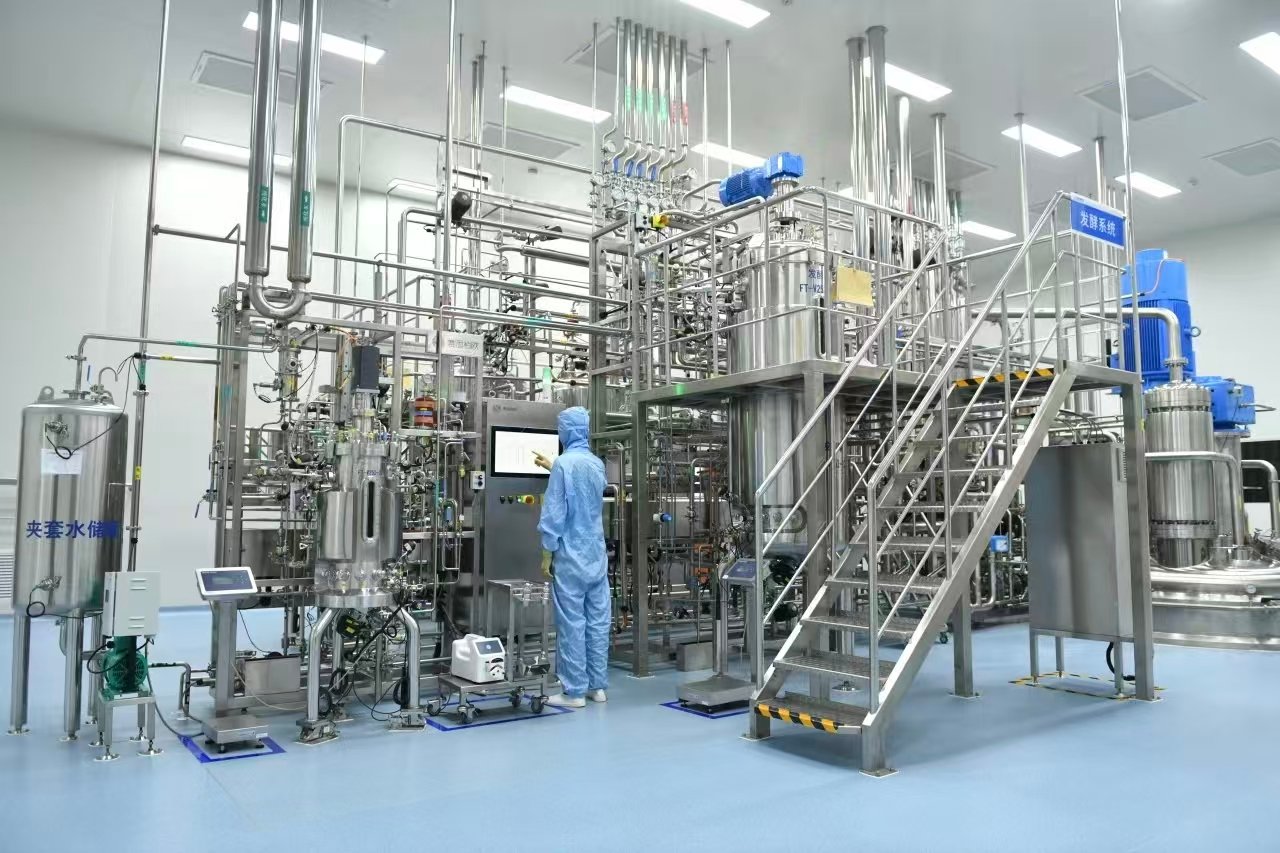
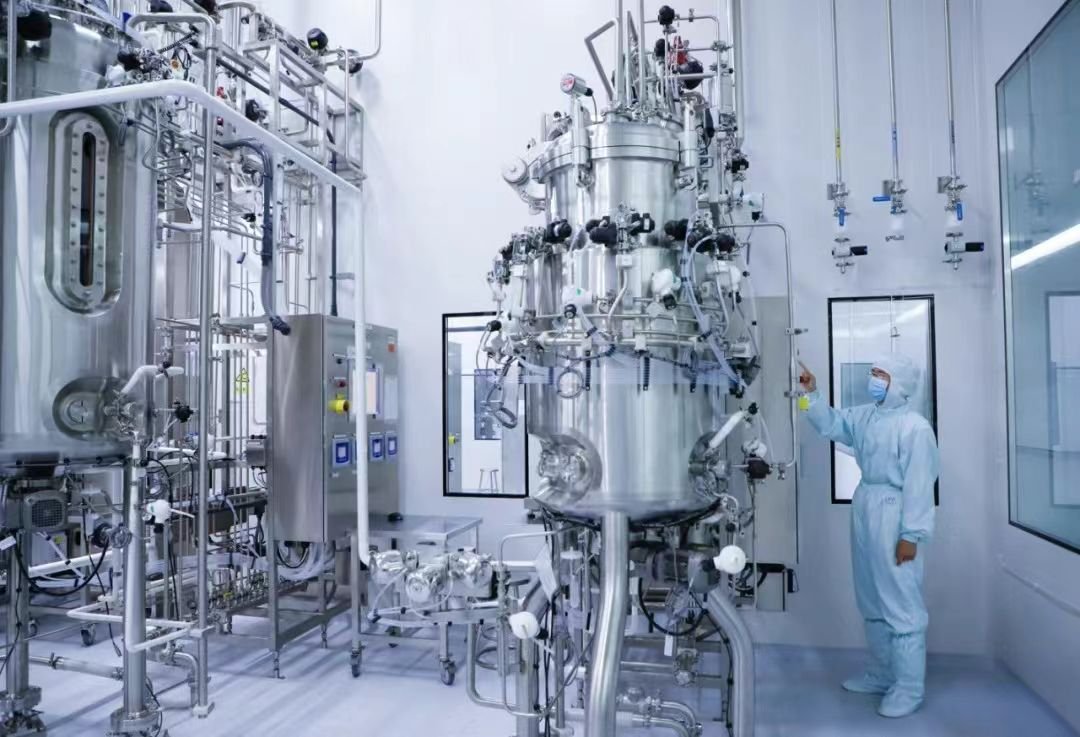
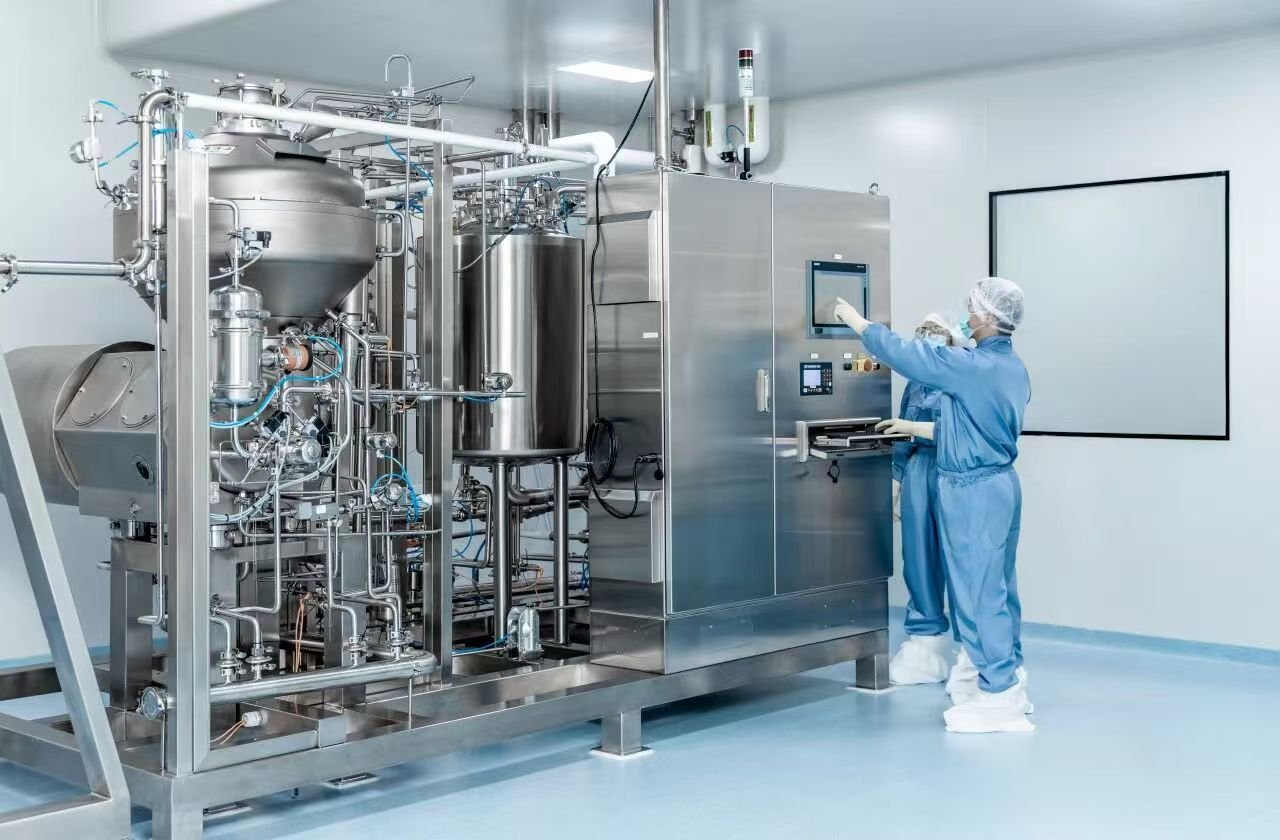
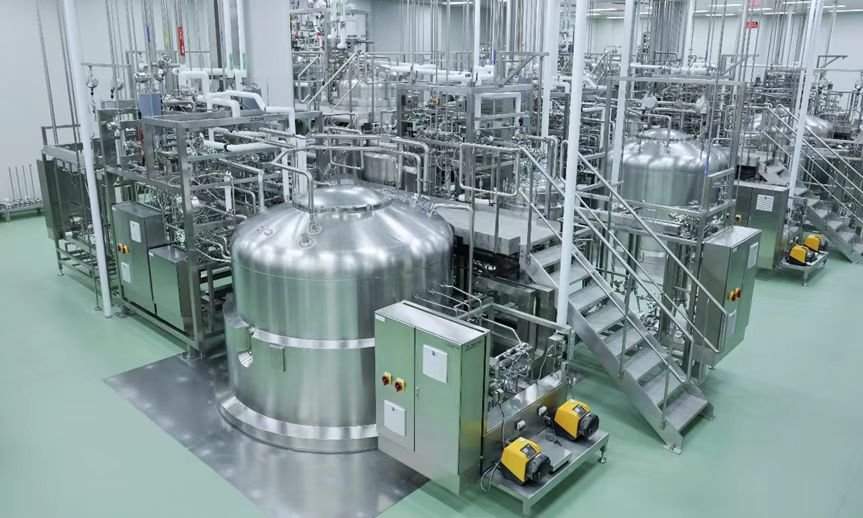
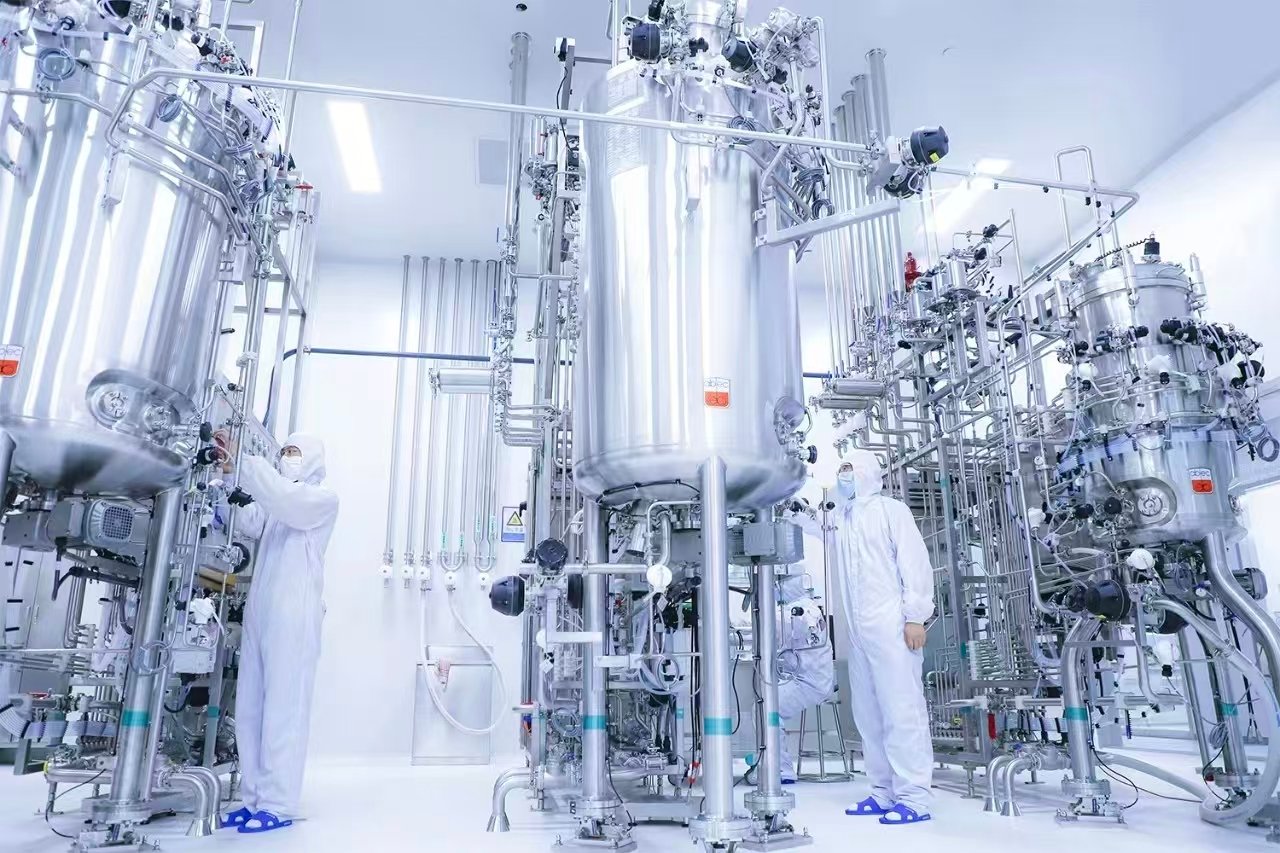
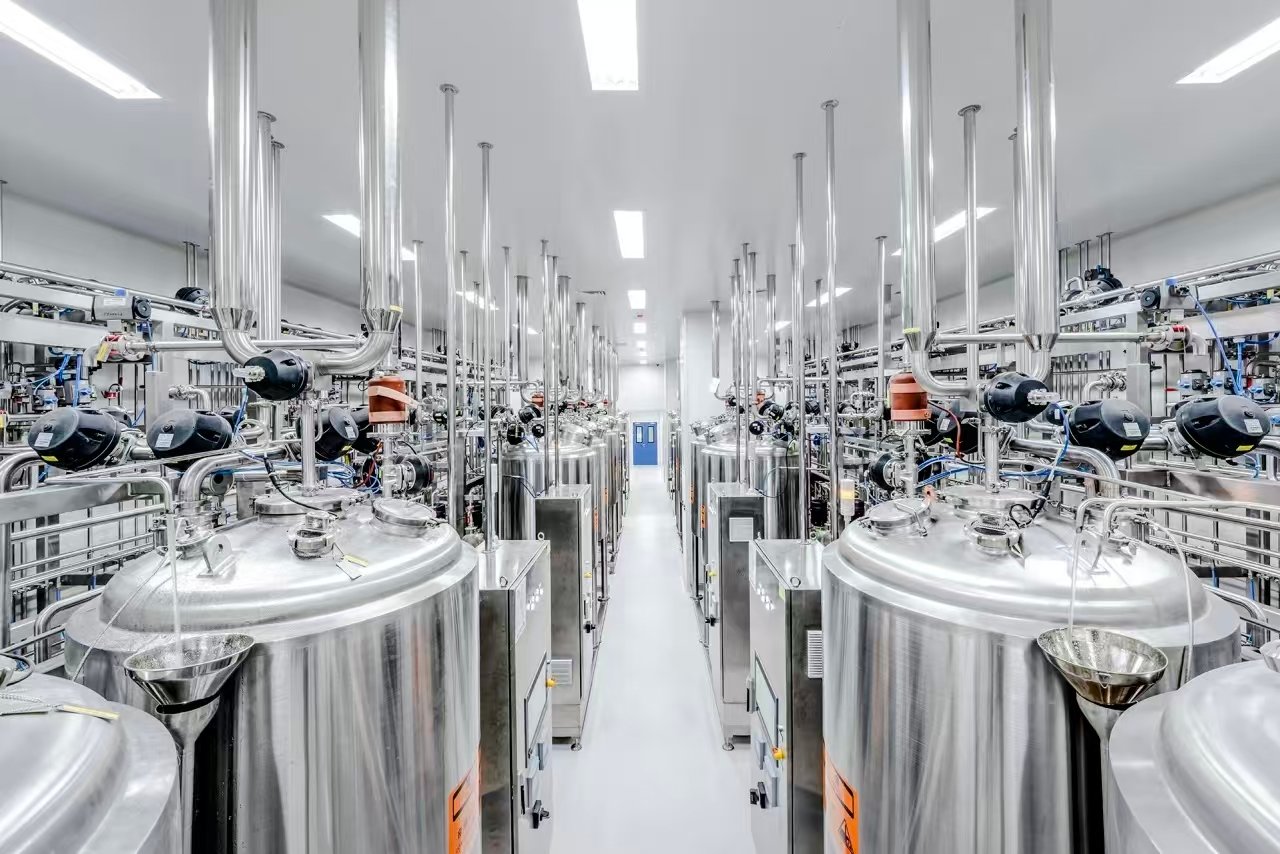
Within biopharmaceutical industrial manufacturing workflows, the design and development of Chinese Hamster Ovary (CHO) cell culture media represent a foundational pillar that directly shapes the quality and volumetric output of biotherapeutic products. Fundamentally, cell‑culture media furnish cells with essential nutrients and optimal microenvironments to sustain high‑density cell growth and drive robust therapeutic protein biosynthesis. Nevertheless, high‑performance medium development extends well beyond optimizing cell proliferation and product titers. It must strike a balanced consideration of drug critical quality attributes (CQAs), alongside powder‑based manufacturability for large‑scale commercial operations.
From a historical perspective, industrial cell‑culture media have undergone a pivotal paradigm shift. Early formulations incorporated serum supplements, whereas modern manufacturing has migrated broadly toward chemically‑defined (CD) media. This transition was implemented to mitigate biosafety hazards and minimize batch‑to‑batch variability originating from raw‑material inputs. Propelled by advances in biotechnology, fine‑tuning of basal nutritional components and precise modulation of intricate cellular metabolic networks have enabled modern CHO media to deliver superior production performance. This manuscript outlines the evolutionary timeline of mammalian cell‑culture media, discusses prevailing development frameworks and key technical constraints, and highlights state‑of‑the‑art research advances in this domain. It aims to deliver robust technical references for building high‑efficiency mammalian cell‑culture bioprocesses.
Medium Development Frameworks
Custom‑tailored media offer tangible performance advantages over off‑the‑shelf generic formulations for CHO cell‑culture development. Full ownership of formulation intellectual property empowers bioprocess teams to execute targeted process optimization, conduct root‑cause troubleshooting, and establish clear correlations between medium constituents and final product quality. Many biopharma organizations adopt platform‑centric bioprocess strategies: standardized CHO host cell lines are deployed as early as pre‑clinical phases to compress timelines spanning research through clinical implementation. Under such frameworks, platform media undergo multi‑cell‑line validation across diverse internal projects. Targeted formulation fine‑tuning is subsequently performed for programs with unique process requirements. This generalized‑to‑customized development workflow has become widely adopted across the biomanufacturing sector.
Nutritional Architecture for Medium Formulation
Developing cell‑culture media constitutes highly sophisticated applied science. Basal medium formulations typically integrate dozens to over one hundred distinct ingredients, each requiring tight control within an optimal concentration envelope. Nutrient excess or depletion can compromise cellular physiology, suppress product yields, or induce undesirable protein quality deviations. Core optimization targets encompass carbohydrates, amino acids, vitamins and trace‑element co‑factors.
Carbohydrates such as glucose serve as primary energy substrates, fuelling cellular metabolism via glycolysis and oxidative phosphorylation. Uncontrolled glycolysis, however, triggers excessive lactate accumulation that inhibits cell expansion. Contemporary medium design addresses this metabolic bottleneck through glucose‑feeding restriction or integration of alternative carbon substrates. Amino acids function as fundamental building blocks for biomass accumulation and recombinant protein synthesis, rendering their proportional balancing extremely critical. Metabolic flux analysis and high‑performance liquid chromatography (HPLC) allow developers to categorize amino acids as depleted, accumulated or homeostatically maintained across cultivation phases, enabling targeted supplementation strategies. Metabolic signatures of specific amino acids including asparagine and serine frequently define the upper proliferative ceiling of individual CHO cell clones.
Micronutrients exert catalytic biological functions even at minimal working concentrations. Vitamins act as co‑enzymes for intracellular biochemical reactions, while trace‑element species (copper, iron, zinc, selenium, etc.) deliver non‑negligible functional impacts. Appropriately dosed copper can re‑direct lactate metabolism toward lactate consumption rather than production; iron species can substantially boost antibody titers, yet chelation agents must be incorporated to mitigate cytotoxic effects from free ionic iron.
Various performance‑enhancing additives are also leveraged to unlock further bioprocess potential: insulin‑like growth factor analogues, di‑ and tri‑peptide entities, corticosteroids, nucleosides, and histone deacetylase modulators, each mediating distinct cellular physiological responses. When introducing these functional additives, teams must comprehensively assess associated costs, shelf‑life stability, supply‑chain resilience, quality impacts on target molecules, and removal efficiency within downstream purification sequences, to guarantee final drug purity and full regulatory compliance.
Experimental Paradigms and High‑Throughput Assessment
The traditional one‑factor‑at‑a‑time (OFAT) optimization approach modifies only one variable per experimental run. When applied to complex multi‑component media matrices, OFAT creates heavy experimental overhead and frequently yields sub‑optimal local maxima by ignoring synergistic or antagonistic interactions between medium components. Statistical Design of Experiments (DoE) has therefore become standard practice within modern medium development to improve both efficiency and scientific rigor.
DoE methodologies enable simultaneous evaluation of multiple ingredients and their interactive effects, drastically cutting down experimental volume. Development follows a staged workflow: screening followed by detailed optimization. Screening designs including factorial arrays and Plackett‑Burman layouts rapidly isolate high‑impact components from extensive candidate pools. Response‑surface techniques such as Central Composite Design and Box‑Behnken Design are then deployed to construct predictive mathematical models and define optimal concentration windows to approximate global formulation optima. Medium blending represents another efficient workflow: pre‑validated CD media are combined at varying ratios and profiled, allowing rapid identification of synergistic components and promising formulation combinations.
Even with streamlined statistical workflows, comprehensive medium screening still generates substantial test conditions. Robust, reproducible high‑throughput cultivation platforms therefore serve as critical enablers. Shake‑based vessels such as deep‑well plates, conical centrifuge tubes and shake flasks are widely deployed for initial cost‑effective screening campaigns. For advanced bioprocess characterization, micro‑bioreactor high‑throughput systems replicate large‑scale production conditions with precise closed‑loop control over pH, dissolved oxygen and other critical process parameters. This ensures data generated at small scale maintains representativeness during scale‑up toward commercial bioreactor volumes.
Medium development operates as a closed‑loop iterative cycle: performance characterization, spent‑medium metabolomic profiling, and iterative formulation refinement. Accurate analytical characterization underpins this cycle. Analytical toolkits incorporate high‑performance liquid chromatography (HPLC), nuclear magnetic resonance (NMR), gas chromatography (GC), and coupled mass‑spectrometry platforms (LC‑MS / GC‑MS / ICP‑MS) to dynamically track nutrient consumption and metabolite accumulation throughout cultivation cycles. For instance, combined NMR‑HPLC profiling quantifies time‑resolved amino‑acid concentrations, supporting rational fed‑batch feeding strategies. This transition from empirical trial‑and‑error toward data‑driven iteration sustains continuous bioprocess performance gains.
Product‑Quality‑Driven Medium Considerations
Bioprocess developers often prioritize cell growth and titer improvement during medium engineering. Nevertheless, product quality attributes serve as definitive success metrics, directly governing therapeutic protein potency, biological activity and patient safety. Minor compositional shifts within culture media can trigger cascading biosynthetic perturbations, altering glycosylation patterns, charge‑variant distributions, molecular‑weight profiles and primary‑sequence fidelity.
Trace elements and amino‑acid profiles exert profound modulatory effects on product quality. While copper can enhance productivity, elevated copper levels drive enrichment of basic charge variants and exacerbate antibody aggregation and fragmentation. Manganese acts as a key modulator of glycosylation signatures, exerting pronounced control over high‑mannose fractions, galactosylation and sialylation extents. Balanced concentrations of cystine, asparagine and glutamine are likewise essential to optimize glycosylation and suppress acidic charge‑variant formation. Certain productivity‑boosting additives, such as corticosteroids or insulin‑like growth factor analogues, can deliver secondary quality benefits including elevated sialylation levels. To mitigate quality risks such as amino‑acid mis‑incorporation, sufficient bioavailability of key amino acids must be maintained to avoid nutrient‑depletion‑induced cellular stress responses.
Industrial Manufacturing‑Oriented Design Constraints
Liquid media formulations offer convenience for laboratory‑scale screening activities. For commercial manufacturing, powder‑formulated media remain the preferred option, thanks to superior chemical stability and logistical advantages for storage and global transportation. For this reason, powder manufacturability must be evaluated at early‑stage formulation development, rather than treated as a post‑hoc adaptation step.
Powder‑medium production presents notable challenges regarding raw‑material chemical‑form selection. Several key nutrients, cystine and tyrosine as prominent examples, exhibit inherently low aqueous solubility. Historically this required separate high‑pH feed streams, adding operational complexity. Modern approaches adopt chemically‑modified amino‑acid derivatives (S‑sulfocysteine, phosphotyrosine) to improve solubility characteristics, enabling integrated single‑powder formulations and simplifying overall cell‑culture operations. Within powder processing workflows, pin mills are increasingly preferred over conventional ball mills. Pin‑mill technology generates minimal frictional heat, delivers improved component homogeneity, requires reduced maintenance, and prevents thermal degradation of thermolabile medium constituents.
For complex CD powder blends, consistent performance across production batches is indispensable for stable large‑scale biomanufacturing. Variability sources include raw‑material purity fluctuations, supplier‑related material divergence, and drift in milling or blending process parameters. To address these risks, the industry is increasingly adopting chemometric methodologies alongside advanced spectroscopic instrumentation, including fluorescence, near‑infrared and Raman spectroscopy. Such non‑destructive analytical techniques enable real‑time monitoring of compositional homogeneity and facilitate pre‑release risk detection. By embedding manufacturing requirements within early‑phase R&D, scale‑up risks are reduced, supporting robust, regulatory‑compliant product quality.
Emerging Directions for CHO Medium Engineering
Advancements in biomanufacturing are steering CHO medium development toward precision design and intelligent bioprocessing. Two transformative trends stand out: custom medium engineering for continuous biomanufacturing, and rational metabolic reconstruction empowered by multi‑omics datasets.
Perfusion bioprocessing is gaining widespread adoption for improved bioreactor asset utilization and enhanced product quality. Relative to conventional fed‑batch workflows, perfusion imposes stricter demands on nutrient concentration balance. Instead of de‑novo medium creation, perfusion‑adapted media are typically re‑engineered from existing fed‑batch formulations: redundant components are removed, while critical nutrients including amino acids, lipids and vitamins are precisely supplemented via concentration tuning to sustain high‑cell‑density long‑term perfusion operations. Statistical tools such as DoE support seamless process translation from fed‑batch toward perfusion, maintaining high productivity under steady‑state operating conditions.
Transcriptomics, proteomics and metabolomics are further shifting medium development toward metabolism‑informed rational design. Comparative gene‑expression profiling between high‑ and low‑producing cell populations identifies metabolic bottlenecks; for example, lipid‑concentration adjustments may overcome productivity limitations. Metabolomic datasets pinpoint apoptosis‑triggering metabolites to avoid formulation pitfalls. Integrated proteomic‑metabolomic analysis characterizes cellular stress‑response signatures, informing targeted nutrient supplementation to boost cell density and viability at molecular levels.
Conclusion
The design and engineering of CHO cell‑culture media represent a sophisticated interdisciplinary endeavor integrating nutritional biochemistry, bioprocess engineering and statistical modeling. Multi‑dimensional optimization — covering basal‑nutrient fine‑tuning, product‑quality modulation, and industrial‑process robustness — collectively achieves dual improvements in biomanufacturing productivity and molecular quality.
Looking forward, medium development is undergoing a transition from empirically‑driven experimentation toward computation‑guided workflows. Chemometric analysis and mechanistic cell‑metabolism models support in‑silico prediction of cellular nutrient demands, lowering R&D expenditure and experimental workload. Synergistic integration of predictive modeling, multi‑omics profiling, high‑throughput screening and advanced powder‑manufacturing technologies ushers in an era of intelligent medium development. Future innovation will go beyond simple titer enhancement to pursue systematic metabolic‑network reprogramming. Under the premise of sustained product quality consistency, bioprocess performance will be maximized, delivering safer and more efficacious therapeutic proteins for clinical application.
Drawing on nearly two decades of technical expertise, Sino Bioengineering has built an in‑house medium formulation and product development platform grounded in medium functional mechanisms, cellular metabolic physiology and real‑world bioprocess requirements. Focused on CHO‑based production scenarios, Sino Bioengineering leverages cell‑metabolism simulation models and big‑data‑driven analytics to develop high‑performance serum‑free media compatible with batch, fed‑batch and perfusion bioprocess modes for antibody and recombinant‑protein production. This product portfolio demonstrates outstanding production performance and inter‑batch stability, and has been implemented across multiple clinical‑stage and commercial biomanufacturing projects, delivering efficient, regulatory‑aligned turnkey medium solutions for biopharmaceutical partners.