
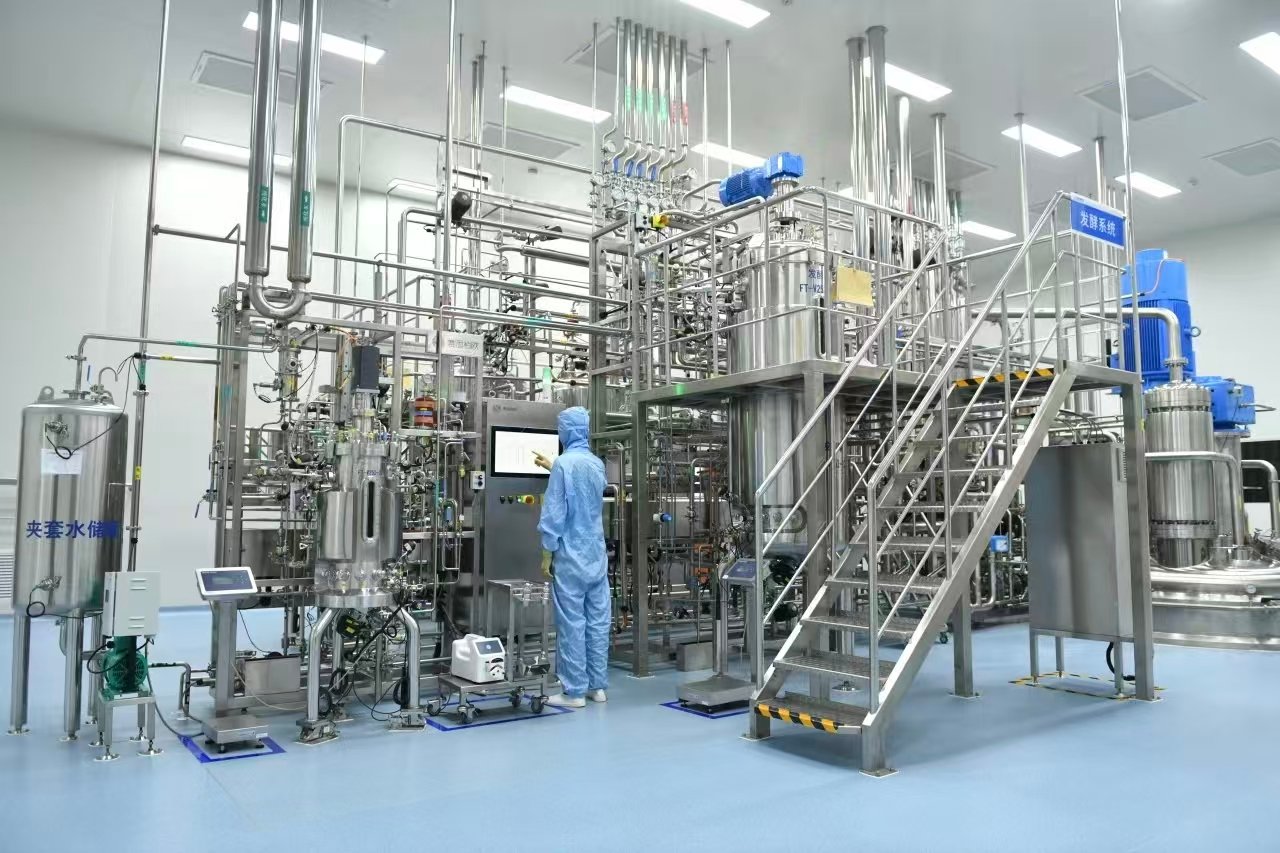
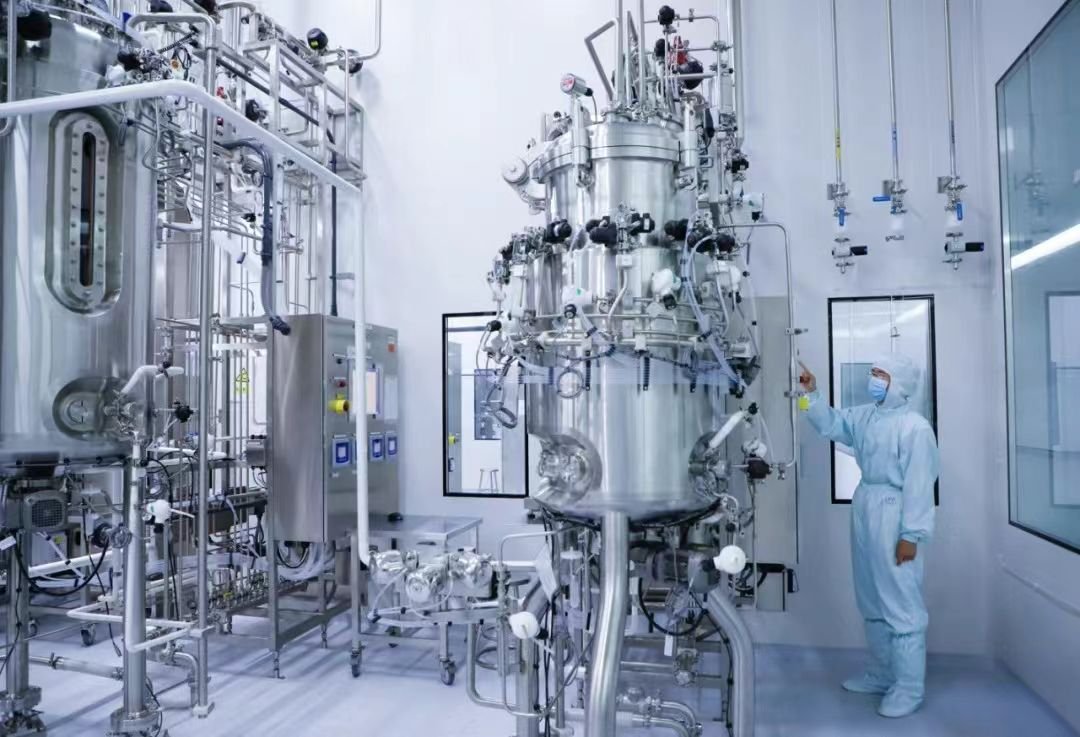
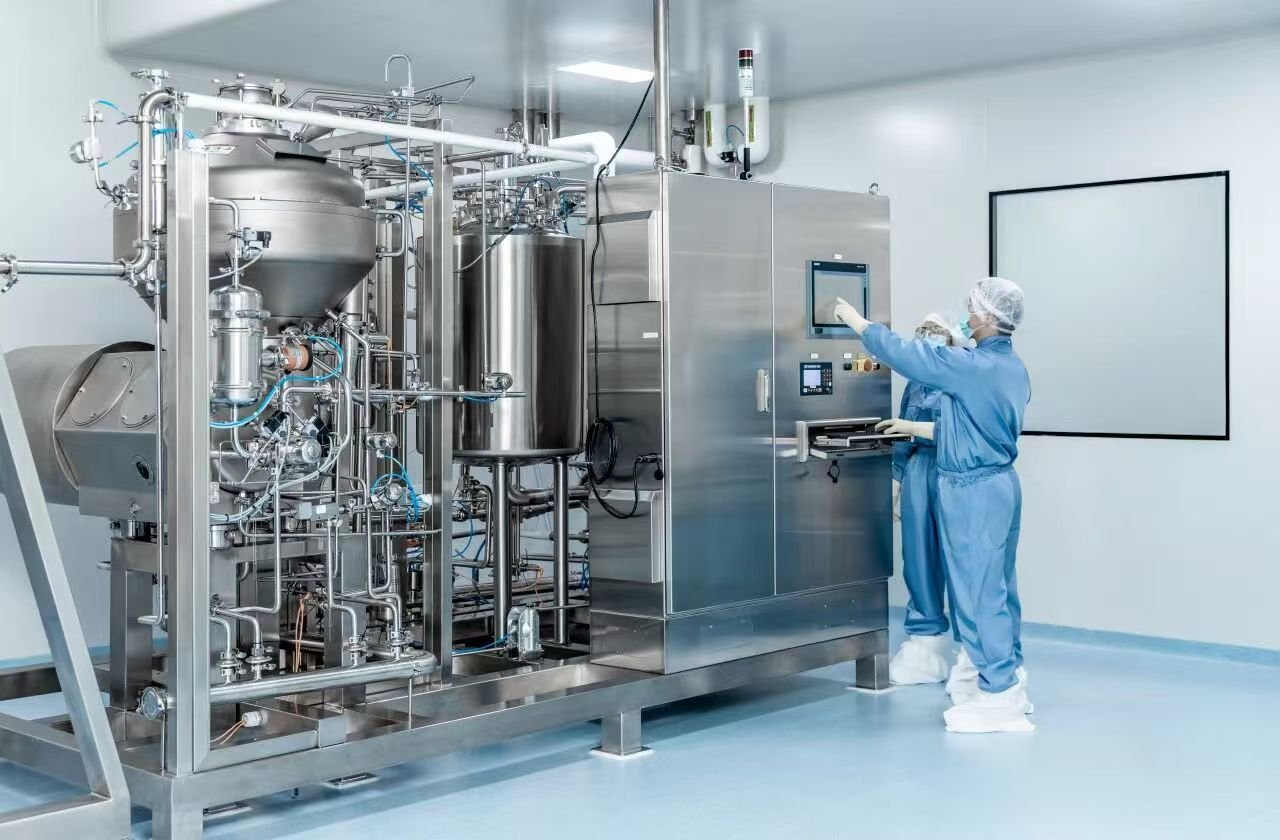
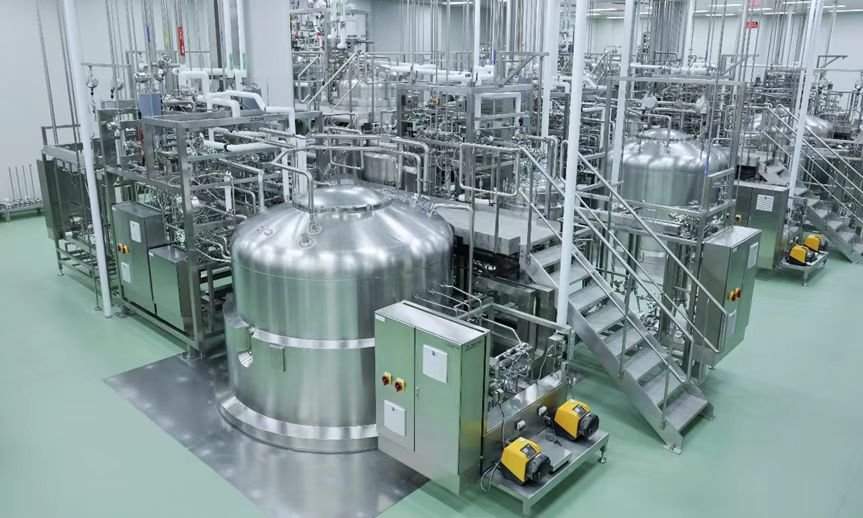
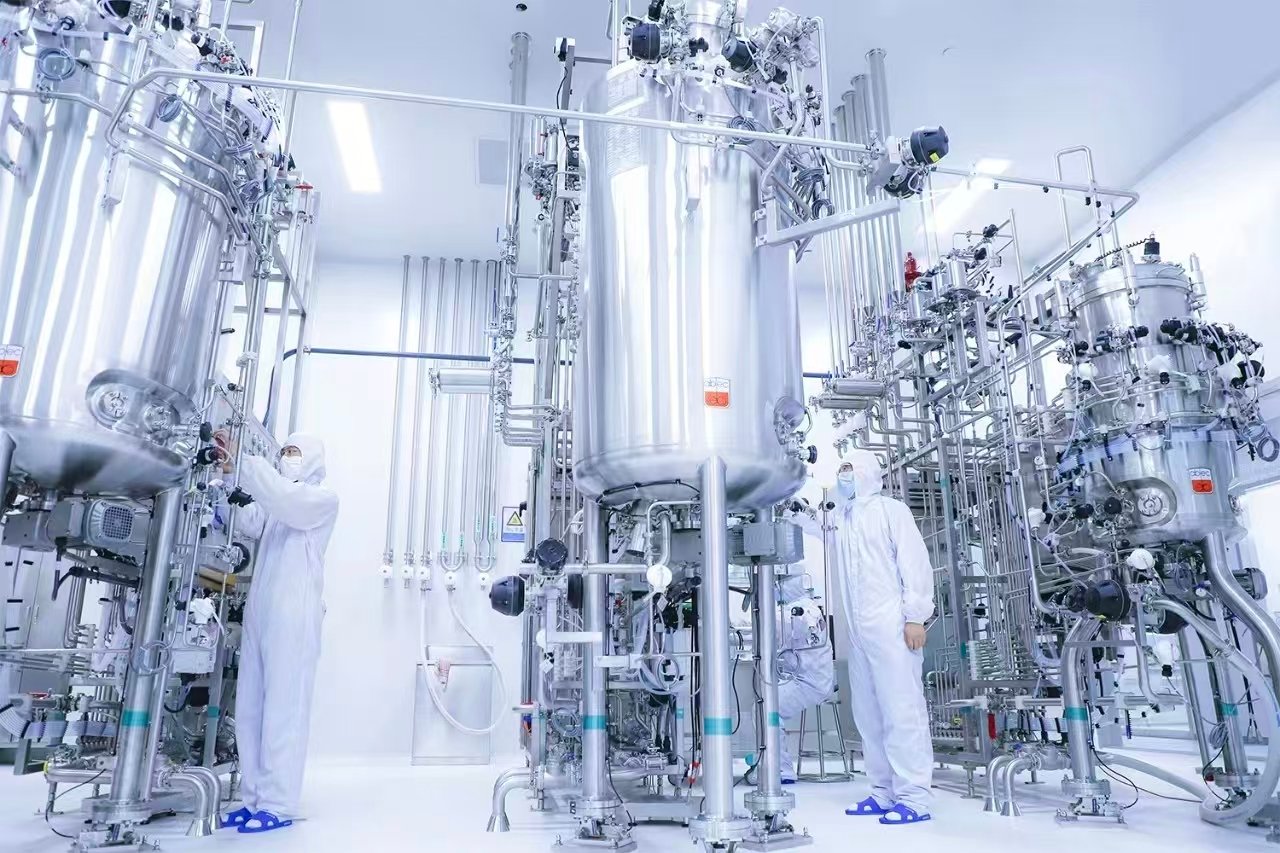
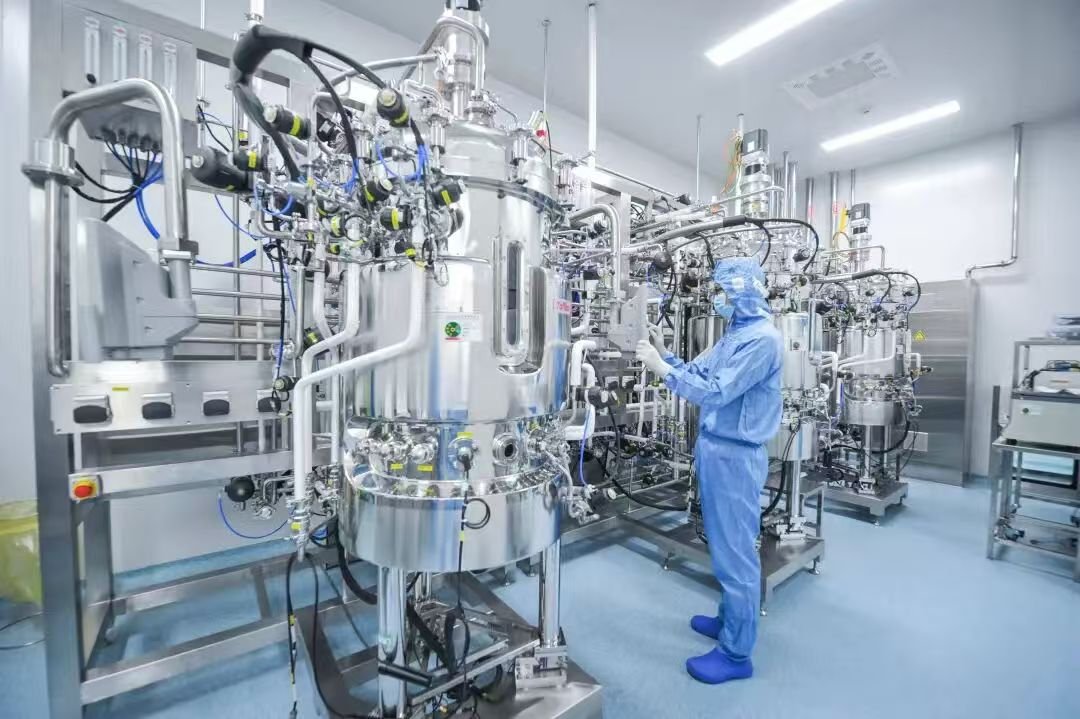
Commercial-scale biologics manufacturing places a premium on reproducibility. Cell culture media, being the input most directly tied to cell performance and process economics, must be scaled with the same discipline as the process itself. This article examines the disciplines that determine success—designing formulations for manufacturability, governing raw material quality, aligning with regulatory expectations, and building a supply architecture that supports long-term commercial demand.
The Moment When Scale Decides
As more innovative therapies move through late-stage clinical development and into commercial supply, the manufacturing problem facing biopharmaceutical companies has changed in character. The test is no longer whether a process can be made to work, but whether it can be made to work repeatedly—at larger scale, on tighter timelines, and within a cost structure that a commercial product can bear.
Cell culture media sits at the center of that test. It governs how cells grow, how much product they express, and by extension how efficient, stable, and economical the entire upstream process becomes. Yet scaling a medium is not a matter of multiplying volumes. A formulation that performs well at the bench will not automatically behave the same way in a production-scale bioreactor. Media scale-up is a systems problem that reaches across formulation design, raw material selection, manufacturing execution, quality control, and supply chain management. Companies that treat it as such—rather than as a routine transfer step—materially improve their odds of protecting process performance, containing cost, and securing supply over the product’s commercial life.
Design for Manufacture, Not Only for the Bench
A formulation should be judged on two standards: what it does for the cells in development, and whether it can be produced consistently and economically at commercial scale. The second standard is often settled too late. Several constraints are worth resolving early, because they are difficult to reverse once a process is locked:
Manufacturing feasibility. Whether the formulation can be manufactured reliably at the intended batch size and in the chosen format, with robust processing margins and no fragile steps.
Batch-to-batch consistency. Whether each produced lot delivers equivalent performance despite normal variation in incoming materials and process conditions.
Cost position. Whether the bill of materials and the manufacturing route remain compatible with the target cost of goods once volumes and quality requirements are fixed.
Long-term supply. Whether the components and production capacity behind the formulation can be sustained across the full lifecycle of the product.
Designing against these constraints from the outset reduces the risk of discovering, at the edge of commercialization, that an otherwise high-performing formulation cannot be manufactured, qualified, or supplied at the scale the market demands.
Raw Material Governance: The Foundation of Lot-to-Lot Reliability
The reliability of a medium ultimately rests on the quality of what goes into it. In development, a formula can tolerate a degree of variability in incoming materials; at commercial scale, that tolerance narrows sharply. A slight drift in impurity levels, a supplier’s change in manufacturing process, or a shift in the concentration of a critical component can propagate through the culture, alter cellular metabolism and productivity, and surface as a change in titer, viability, or process stability.
For biologics, the consequences are not merely economic. Because cell state influences the quality profile of the product, raw material variation can reach the Critical Quality Attributes (CQAs) that define safety, efficacy, and stability. Protecting those attributes begins upstream, with deliberate raw material management:
Defining quality standards for critical raw materials—purity, impurity limits, functional specifications, and batch consistency requirements—matched to the formulation and its intended application.
Qualifying and monitoring suppliers on supply capability, quality systems, and long-term reliability, so sourcing risk is managed before it becomes a supply event.
Prioritizing high-impact components—amino acids, vitamins, trace elements—whose variation carries the greatest influence on cell behavior and warrants the closest monitoring and confirmation.
Institutionalizing change control, so that any change in supplier, process, or specification is evaluated for its effect on medium performance and product quality before it is adopted.
Raw material governance must also hold across sites. Standardized quality assessment, disciplined documentation, and layered supply risk controls make it practical to transfer processes between facilities and keep performance aligned across regions and production phases.
Regulatory Alignment and Quality Systems
Compliance is not a downstream activity to be managed after the process is designed; it is a design input. Regulatory expectations around quality, safety, and consistency apply across the entire production chain, and the medium—its composition, its raw materials, and the way it is made—must be documented to a standard that regulators can rely on.
In practice, this means several things. Every component needs full traceability, from source and specification through test results and production records, so the history of any lot can be reconstructed. Data management needs to be disciplined, and increasingly digital, because paper-based records become impractical as formulations grow in complexity and operations become global—electronic certificates of analysis, for instance, allow quality information to be transmitted, reviewed, and confirmed with less manual variation. And documentation and test standards must remain consistent across sites and supply chain tiers, holding different batches and different facilities to the same quality bar.
Documentation alone is not sufficient. Process characterization is central to the transition from development to commercial production. Under cGMP, the expectation is that the process is understood—that the relationships between the medium, the culture, and the operating parameters are characterized well enough that performance remains repeatable and controllable after scale-up.
The global nature of biologics supply adds a further layer of complexity. Regulators in different regions hold different expectations for raw material management, process validation, quality standards, and submission content, and a strategy built for one market may not transfer cleanly to another. Planning early for the target markets, and building a quality system capable of supporting multi-region registration, reduces the friction of later filings and production transfers.
Supply Architecture: In-House Capability or Strategic Outsourcing
As demand grows, media supply becomes a question of physical infrastructure as much as formulation. Production, storage, transport, and on-site preparation each claim facility space, equipment, and operating resources. At large manufacturing plants, media handling—particularly the storage and reconstitution of dry powder media—can occupy a meaningful share of the production footprint. Choices about media format and sourcing therefore carry real consequences for plant layout and capital planning.
In early development, liquid media is often the practical preference: it is ready to use and avoids reconstitution steps. As volumes rise, however, the balance shifts. Dry powder media offers clear advantages at commercial scale—lower transport and storage burden, greater supply flexibility, and reduced demand for on-site storage of large liquid inventories. The appropriate choice depends on the stage of the program, the scale of demand, and the operating model of the facility.
A parallel decision is whether to build internal media manufacturing capability or to source from specialized external producers. Internal production offers autonomy, but at a genuine cost: dedicated facilities, equipment, personnel, and the quality systems to support them. As demand climbs, this can mean committing substantial floor space and capital to mixing, packaging, storage, and QC capacity. Outsourcing presents a practical alternative, with benefits that are concrete rather than theoretical:
Access to purpose-built capacity at a scale that matches commercial demand, without the lead time of building it internally.
Avoidance of significant capital and infrastructure commitments for media production.
Mature quality systems and standardized processes that reduce the internal testing and management burden.
Supply flexibility that can be adjusted to project phases and evolving market conditions.
Outsourcing does not transfer responsibility; it changes how responsibility is exercised. Companies still must manage supplier quality, monitor key quality indicators, track changes, and assess supply risk continuously. Clear quality agreements and communication protocols keep externally produced media aligned with the company’s own process requirements.
Building Resilience Through Partnership
A commercial product can be only as reliable as the supply chain behind it. Media supply must be planned not merely for current demand but for the uncertainties of a commercial lifecycle—demand surges, supply disruptions, and raw material volatility. Multiple qualified sources, disciplined inventory management, and contingency supply arrangements all contribute to continuity. Safety stock, in particular, protects production schedules from material shortages that might otherwise force delays or replanning.
Partners with scale-up experience contribute more than capacity. They bring capabilities that span performance optimization, analytical support, quality systems, regulatory assistance, and supply chain coordination. Engaged early, such partners help surface risks before they materialize and shape solutions that fit the realities of large-scale manufacturing.
Media scale-up, in short, is not a single technical handover. It is a systems exercise that spans R&D, manufacturing, quality, and supply chain. Companies that plan for it comprehensively, and that work with partners combining technical depth with risk-management capability, reduce the uncertainty of commercialization and build the stable supply base that commercial production demands.
About Sino Bioengineering
Sino Bioengineering delivers high-performance, high-reliability cell culture media solutions to biopharmaceutical manufacturers, supporting the full journey from process development and optimization through scale-up and commercial production. Built on a deep understanding of cell culture requirements, the company continuously refines media formulation and manufacturing processes, with disciplined raw material selection and standardized quality control that deliver consistent lot performance.
Supported by a complete supply chain and production capability, Sino Bioengineering provides dependable supply across a range of production scales, helping customers reduce supply risk during scale-up transitions. Whether in early cell line screening and process development or in large-scale commercial manufacturing, Sino Bioengineering matches customers with the right media products and technical support to accelerate stable scale-up and successful commercialization.