

Influenza remains a major threat to global public health, causing substantial morbidity and mortality worldwide each year. Vaccination is the core intervention to prevent influenza and its severe complications. Accordingly, the establishment of an efficient, flexible and sustainable manufacturing strategy is essential to guarantee timely vaccine supply. Traditionally, influenza vaccine production relies on egg-based processes, in which target viral strains are inoculated into fertilized chicken eggs for viral replication. Despite its widespread application, this approach has notable drawbacks: lengthy production cycles, reliance on egg supply, difficulties in waste disposal and limitations in scale-up. These bottlenecks make it hard to meet the growing global demand for vaccines, especially amid sudden influenza outbreaks or pandemics.
Advancements in bioprocessing have rendered cell culture-based influenza vaccine production a superior alternative. This technology shortens manufacturing lead time, improves antigen matching and vaccine potency, and enables large-scale production with robust process control independent of egg supply. Early cell culture systems adopted static cultivation, primarily for small-scale laboratory studies and R&D, laying a foundation for subsequent bioreactor design, culture medium formulation optimization and process intensification. Nevertheless, static culture is inherently constrained by low cell density and poor scalability, driving researchers to develop dynamic culture systems and high-cell-density cultivation strategies to boost productivity and process scalability.
In recent years, technological breakthroughs have spanned cell line selection and engineering, culture medium optimization, process intensification and in-line monitoring. Multiple cultivation modes including batch, fed-batch and perfusion cultures have been implemented to enhance viral yield and volumetric productivity, while mitigating the inhibitory effects of metabolic byproducts on cell growth and virus propagation. Perfusion culture stands out by continuously delivering fresh medium and removing metabolic wastes, maintaining a stable metabolic microenvironment for cells to achieve high cell density and elevated viral titers. Combined with advanced cell retention technologies, continuous or semi-continuous harvesting can be realized to increase cell-specific viral yield while sustaining process robustness.
The adoption of single-use systems further enhances process flexibility and scalability. These systems allow rapid deployment, reduce cross-contamination risks, and are well suited for high-cell-density and perfusion cultures, making them ideal for addressing diverse market demands and rapid production capacity expansion. Compared with conventional stainless steel equipment, single-use systems feature shorter turnaround cycles, lower capital investment and simpler operation, which are particularly advantageous for vaccine R&D and emergency manufacturing requiring rapid response.
This article systematically introduces cell culture-based influenza virus production workflows, ranging from early static culture to suspension culture and diversified process intensification strategies. It also discusses the selection of optimal host cell lines, cultivation mode optimization, technological progress and existing challenges. A comprehensive understanding of innovations in upstream processing can provide references for further optimization of influenza vaccine manufacturing, helping satisfy global vaccine demands, improve production efficiency, and strengthen preparedness against seasonal and pandemic influenza strains.
Cell Lines for Influenza Vaccine Production
The selection of appropriate host cell lines is central to cell culture-based influenza vaccine manufacturing. Qualified cell lines must support efficient viral replication while complying with safety and regulatory requirements for vaccine production. Each cell line is typically paired with dedicated culture media to facilitate adherent or suspension growth, with further formulation tuning required for commercial manufacturing. Modern production processes predominantly employ serum-free media (SFM) or chemically defined media (CDM). These formulations eliminate animal-derived components to mitigate risks of exogenous contamination, while supporting robust cell growth and high viral output. Culture medium design is sophisticated, requiring balanced nutrients and growth factors to prevent the accumulation of harmful byproducts such as ammonia and lactic acid. Critical process parameters throughout production, including temperature, pH, dissolved oxygen (DO), as well as the dosage of seed virus and protease during viral infection, must be strictly controlled to maximize viral replication and preserve the genetic stability of seed viruses.
Developing a universal cell platform applicable to all influenza strains poses considerable challenges. Host tropism restricts the spectrum of susceptible cell types for viral infection, and cell lines vary greatly in viral productivity and scalability. Therefore, industrial cell line selection takes into account not only viral replication efficiency, but also vaccine safety and immunogenicity. After extensive research and regulatory approval, three major cell lines have been adopted for commercial production: MDCK and Vero cells for inactivated and live attenuated influenza vaccines, and Sf9-derived cells for recombinant vaccines.
Since its isolation from canine kidney tissue in 1958, the MDCK cell line has become the workhorse for influenza virus propagation. MDCK cells are permissive to most influenza subtypes, yield high viral titers, and present a low risk of adaptive viral mutations during passaging, which has led to their widespread use in cell-based influenza vaccine manufacturing. With bioprocess evolution, adherent MDCK cells have been engineered for suspension culture. Combined with high-cell-density cultivation and microcarrier technologies, this transition significantly improves process scalability and productivity. In addition, genetic engineering and clonal selection can further enhance cell-specific viral yield and overall production capacity. In contrast, the development of suspension Vero cells is more technically demanding. Parameters such as cell doubling time and cell aggregation hinder the achievement of high cell density and high viral productivity, enabling MDCK cells to remain the predominant choice for industrial production.
Optimized host cell lines and cultivation strategies, coupled with advanced culture media and dynamic bioprocesses, enable cell-based manufacturing to deliver high-yield, safe influenza virus materials. This lays a solid foundation for rapid response to global vaccine needs, capacity expansion and improved vaccine accessibility.
Influenza Vaccine Production via Adherent Cell Culture
While the industry trend shifts toward suspension cell culture for high-density growth and simplified scale-up, adherent-dependent cell lines still play an indispensable role in influenza vaccine manufacturing, especially for cell strains that are difficult to adapt to suspension growth. Adherent culture is inherently limited by available growth surface area, making production strategy optimization critical. Conventional static culture systems such as T-flasks and roller bottles feature simple operation and minimal intervention, yet they suffer from limited surface area and inadequate process control, as key parameters including pH and dissolved oxygen cannot be precisely regulated.
Microcarrier technology offers an effective solution. The introduction of microcarriers into stirred-tank bioreactors drastically increases the attachment surface for adherent cells, supporting higher cell density and consistent viral production. Microcarrier-based culture also improves medium mixing and gas exchange, ensuring stable viral replication and process performance. Further process optimization can be achieved via fed-batch or perfusion strategies to elevate overall productivity.
With outstanding scalability, operational flexibility and stable viral yield, microcarrier-based adherent cell culture is a mature and reliable technical route for cell-based influenza vaccine manufacturing. It provides a viable production platform for cell lines unsuitable for suspension growth while maintaining product quality and safety.
Influenza Vaccine Production via Suspension Cell Culture
Driven by the demand for efficient, sustainable and flexible vaccine manufacturing workflows, suspension cell culture has emerged as a mainstream technology for influenza virus production. Suspension cell lines can grow without attachment substrates, unlocking great potential for high-density cultivation, large-scale scale-up and process flexibility. Traditional adherent cell lines such as MDCK can be adapted to suspension growth through medium optimization or genetic modification, achieving monocellular proliferation and homogeneous culture conditions. Nevertheless, not all cell lines are naturally adaptable to suspension culture; some tend to form cell aggregates, which requires fine-tuning of culture conditions or supplementation of additives to maintain single-cell morphology.
Batch culture is the most straightforward and widely applied suspension cell process for influenza virus production. In this mode, bioreactors are filled with culture medium, and cells are cultivated until reaching the target density prior to viral infection. Harvest is performed once viral titers meet specifications to complete a production run. Batch culture boasts simple operation and easy maintenance, and discrete batches facilitate safety control and reduction of inter-batch variability. However, this mode is limited in total output and productivity, making it less competitive amid surging vaccine demand.
Fed-batch culture is widely adopted to maximize yield and fully utilize bioreactor capacity. Fresh medium is supplemented intermittently during cultivation to replenish depleted nutrients and dilute metabolic byproducts including lactic acid and ammonia, thereby improving the cellular microenvironment and viral replication efficiency. This approach elevates cell density and cell-specific viral yield, enhancing process flexibility and stability. Even so, accumulated metabolites may still restrict viral production in certain cell lines, necessitating further process regulation.
Perfusion culture represents a more efficient strategy for viral production in suspension cells. Continuous infusion of fresh medium and removal of spent medium sustain a stable metabolic environment, supporting persistent high cell density and high viral titers. Cell retention systems serve as the core technology of perfusion processes, utilizing membranes, sedimentation or centrifugation to retain cells inside bioreactors while allowing continuous medium flow. Tangential Flow Filtration (TFF) and Alternating Tangential Flow Filtration (ATF) are the most commonly used retention techniques in industrial manufacturing. They minimize membrane fouling and prevent viral particle retention, substantially improving productivity and process stability. Moreover, novel continuous harvesting technologies, such as tangential flow depth filtration, acoustic settlers and inclined settlers, can be integrated with perfusion systems to enable continuous virus collection. These technologies effectively mitigate shear stress on infected cells while maintaining high cell density, and boost volumetric productivity and cell-specific viral yield. Semi-perfusion and membrane-based perfusion approaches are suitable for lab and pilot-scale studies to optimize process parameters and verify scalability, paving the way for high-efficiency continuous manufacturing in commercial operations.
Continuous manufacturing processes have attracted growing attention in recent years. Compared with batch culture, continuous production extends operation duration, increases hourly output and reduces footprint. For lytic viruses such as influenza virus, the major challenge of continuous manufacturing lies in separating cell proliferation and viral replication phases to avoid premature cell apoptosis and decreased viral yield. To address this issue, technical solutions including two-stage continuous stirred-tank reactor systems have been developed to provide independently controlled growth environments for different production stages. Despite its great potential, continuous manufacturing requires sophisticated process control, well-trained technical personnel, and precise management of viral particles and impurities to ensure stable titers and consistent product quality.
In addition, single-use systems have gained widespread adoption across the biopharmaceutical industry and demonstrated remarkable potential for influenza vaccine production. Single-use bioreactors deliver operational flexibility, shortened turnaround time and excellent scalability. Modern single-use platforms are compatible with batch, fed-batch and perfusion cultures, and can meet the oxygen demand and culture requirements of high-density suspension cells. When integrated with membrane-based or other cell retention systems, they enable continuous virus harvesting and eliminate the workload associated with equipment cleaning and sterilization. Their wide scalable volume range facilitates seamless process transfer from laboratory and pilot scale to commercial production, making them highly adaptable to rapidly changing market needs.
Conclusion
Over the past two decades, cell culture-based influenza vaccine manufacturing has undergone remarkable evolution, gradually replacing traditional egg-based production with more efficient, controllable and flexible cell culture workflows. Technological advances have optimized batch, fed-batch and perfusion cultivation modes, while the deployment of single-use systems has further improved process flexibility and biosafety. The selection between batch and continuous production depends on manufacturing scale, cost-effectiveness, process control capabilities and regulatory compliance. Process intensification, in-line monitoring and adaptive upgrades to downstream processing are pivotal to achieving high yield, superior quality and reliable scalability. Furthermore, establishing standardized platform processes, ensuring batch-to-batch consistency and optimizing the entire production workflow are critical to rapid response against emerging influenza strains and fulfillment of global vaccine demands. In the future, technological innovation and process integration will further advance cell culture-based influenza vaccine manufacturing, accelerating the transition away from egg-based systems and enabling efficient, safe and sustainable vaccine supply worldwide.
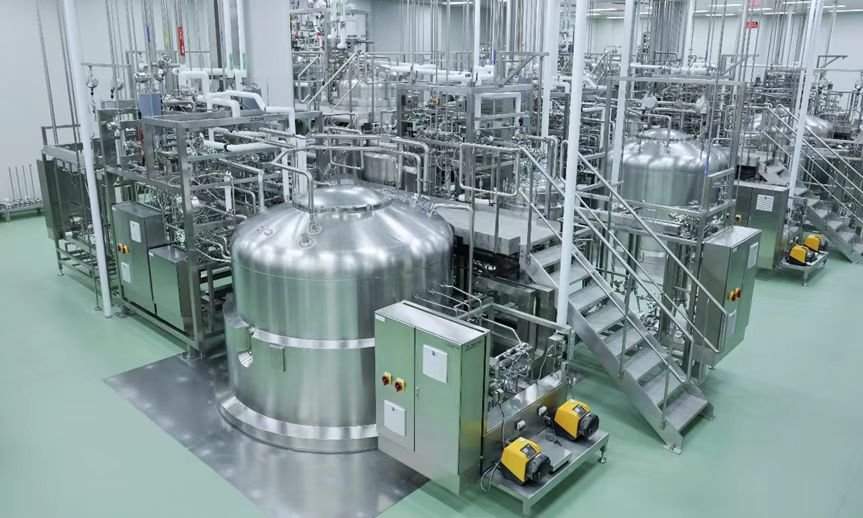
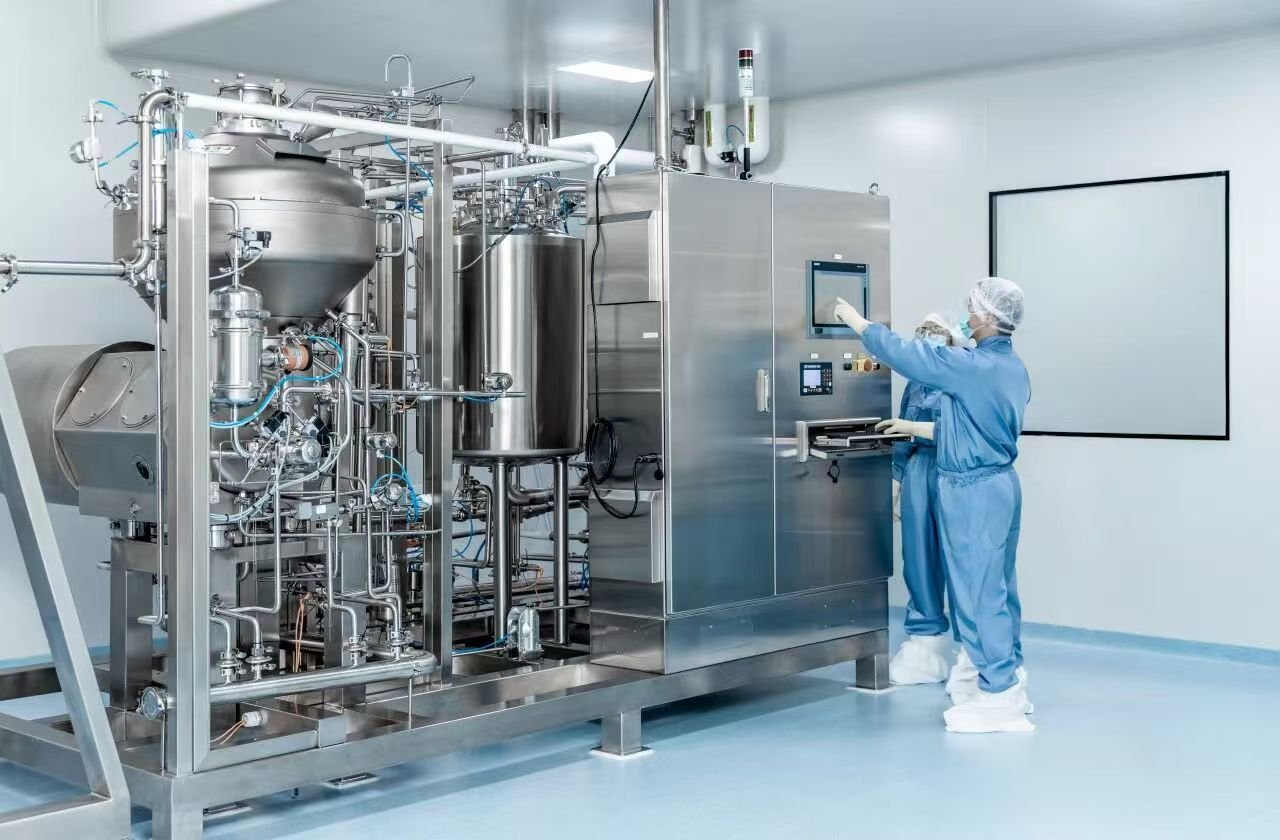
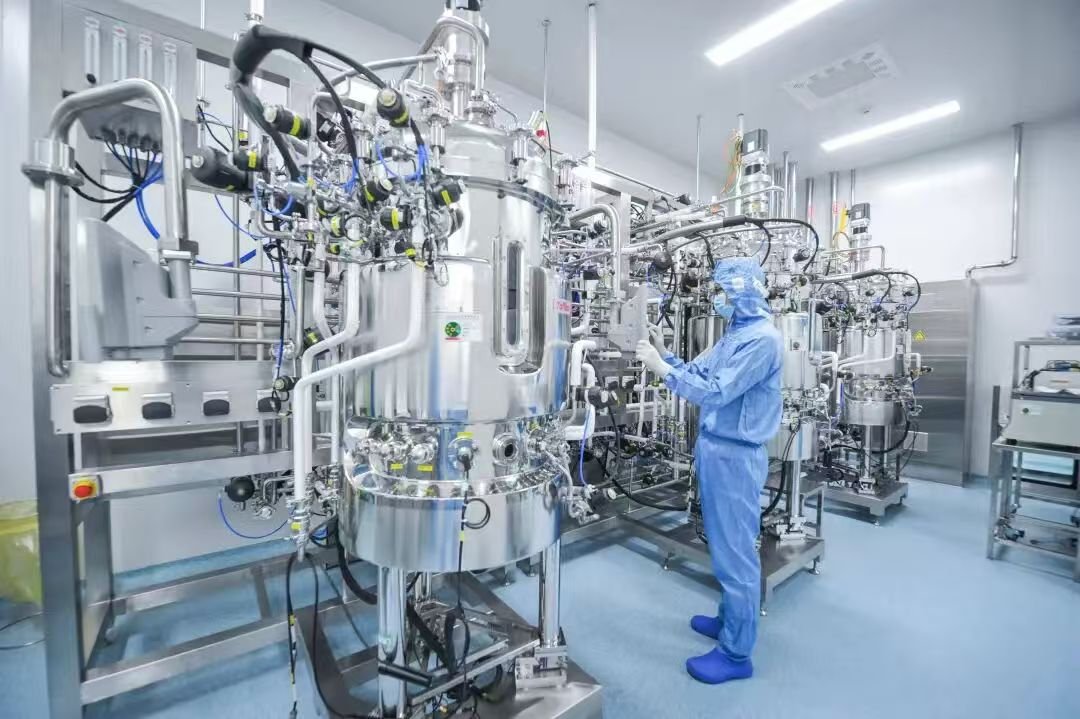
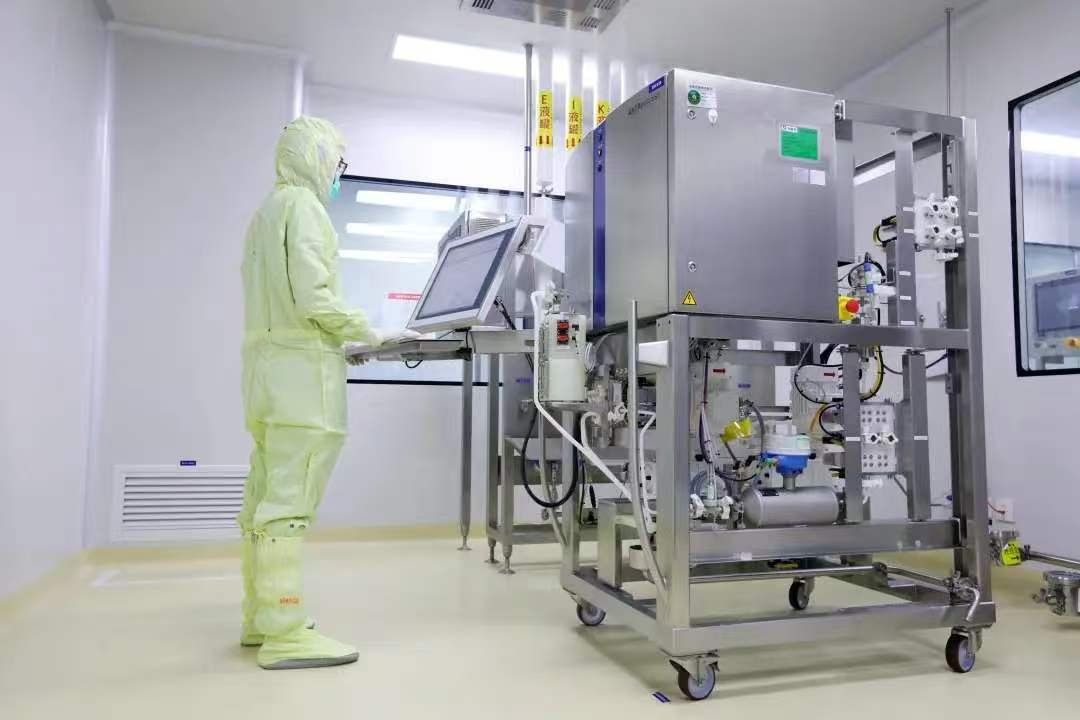
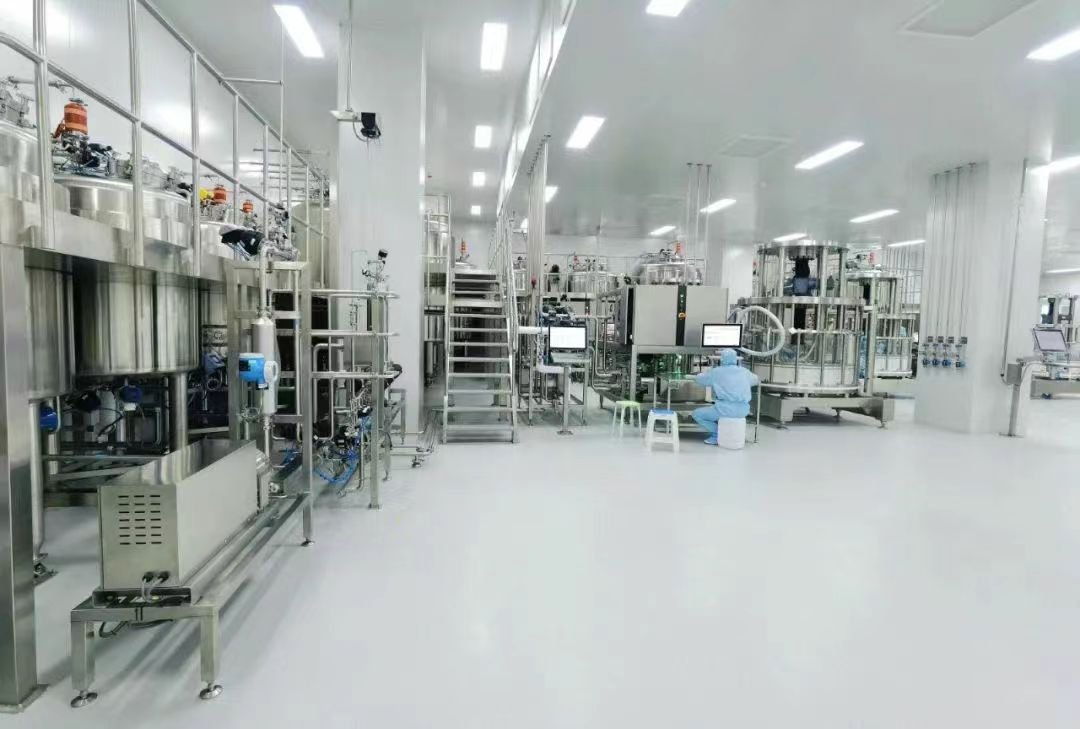
Sino Bioengineering delivers comprehensive technical support for cell culture-based influenza vaccine production, covering the full spectrum from process development to large-scale commercial manufacturing. For laboratory R&D, multi-parallel benchtop glass bioreactors are available for culture condition optimization and process parameter screening. Our microcarrier bioreactors support efficient growth of adherent cells under suspension conditions to enhance viral yield. For scale-up and commercial production, we provide both single-use and conventional stainless steel bioreactors, enabling linear scale-up from pilot to commercial scale. These solutions enhance operational flexibility and process consistency to accommodate diverse production scales and cultivation modes. By integrating these cutting-edge platforms, Sino Bioengineering provides robust, high-efficiency and scalable solutions for vaccine manufacturers, accelerating vaccine development and global supply.