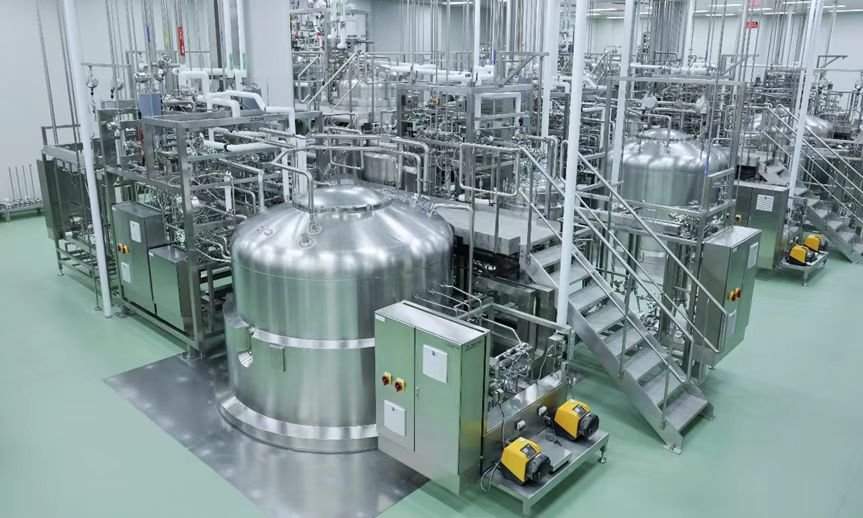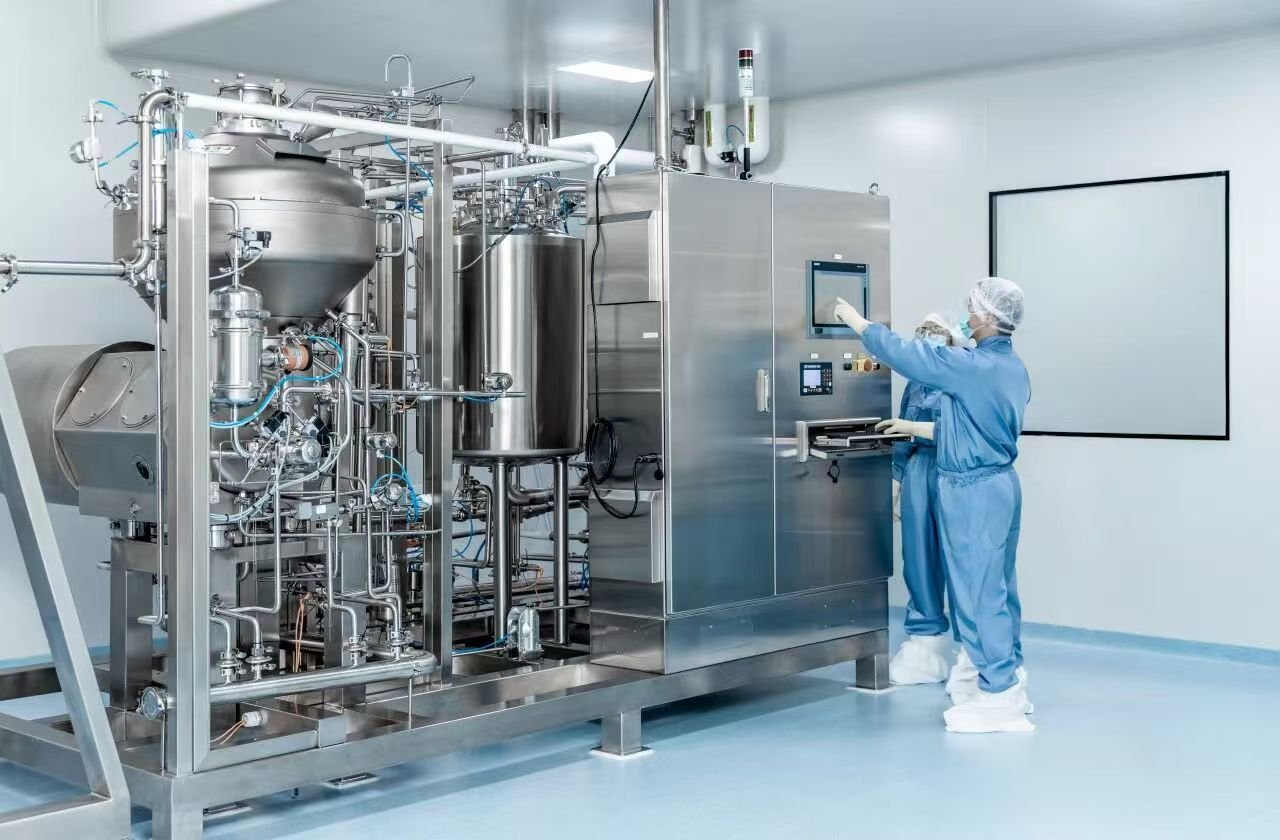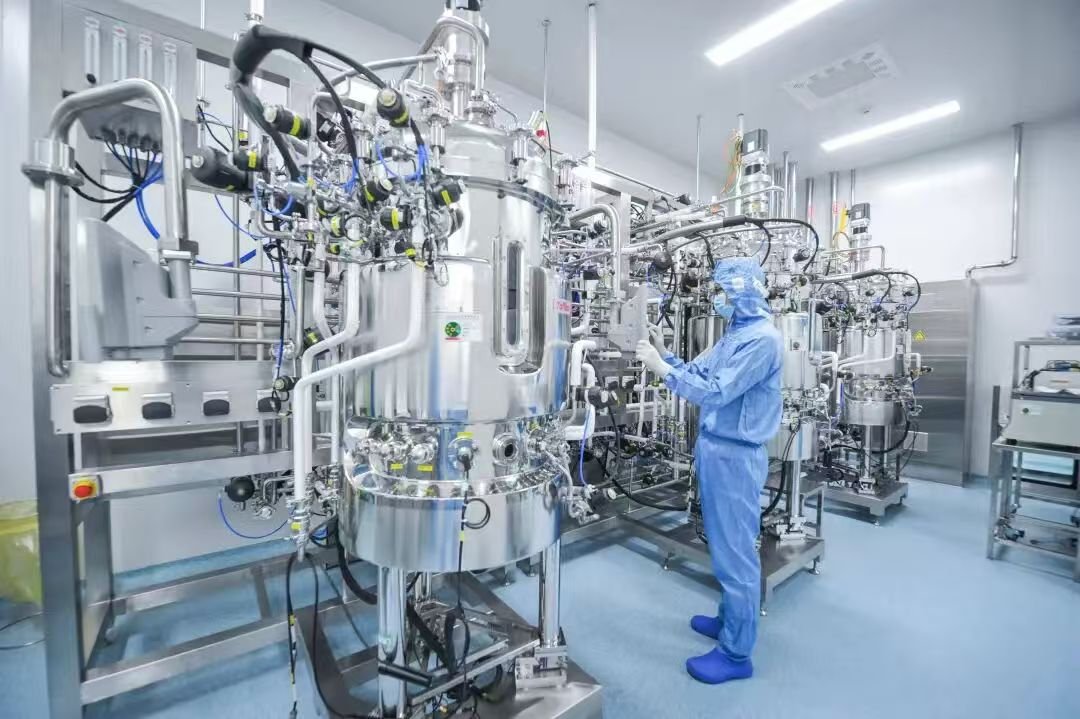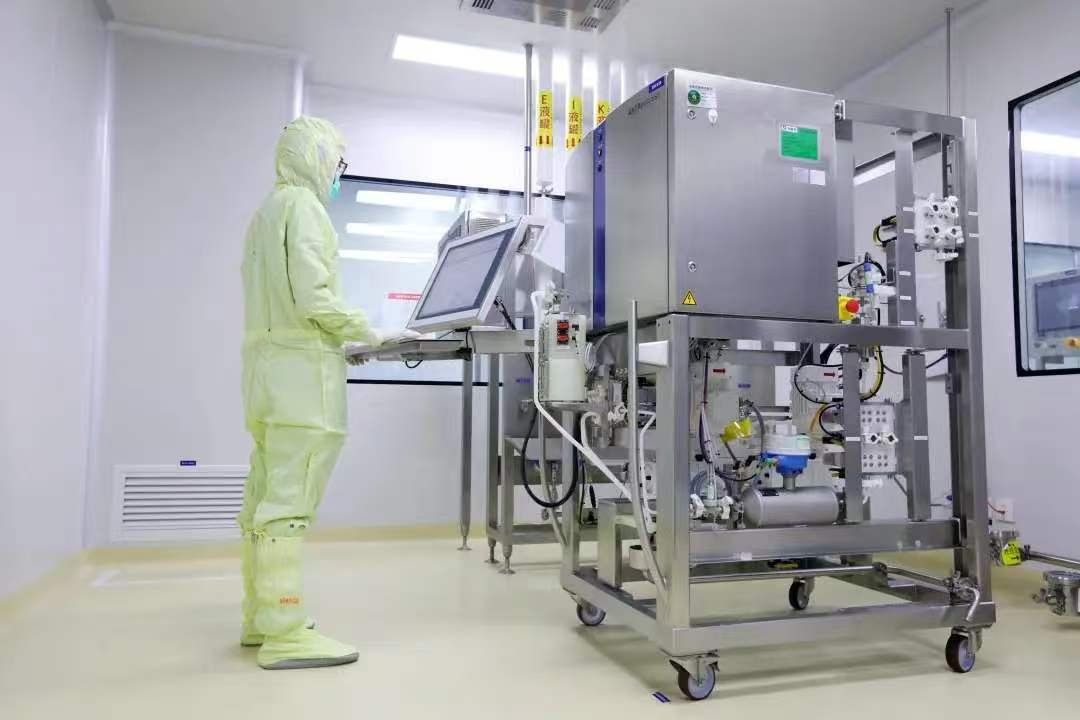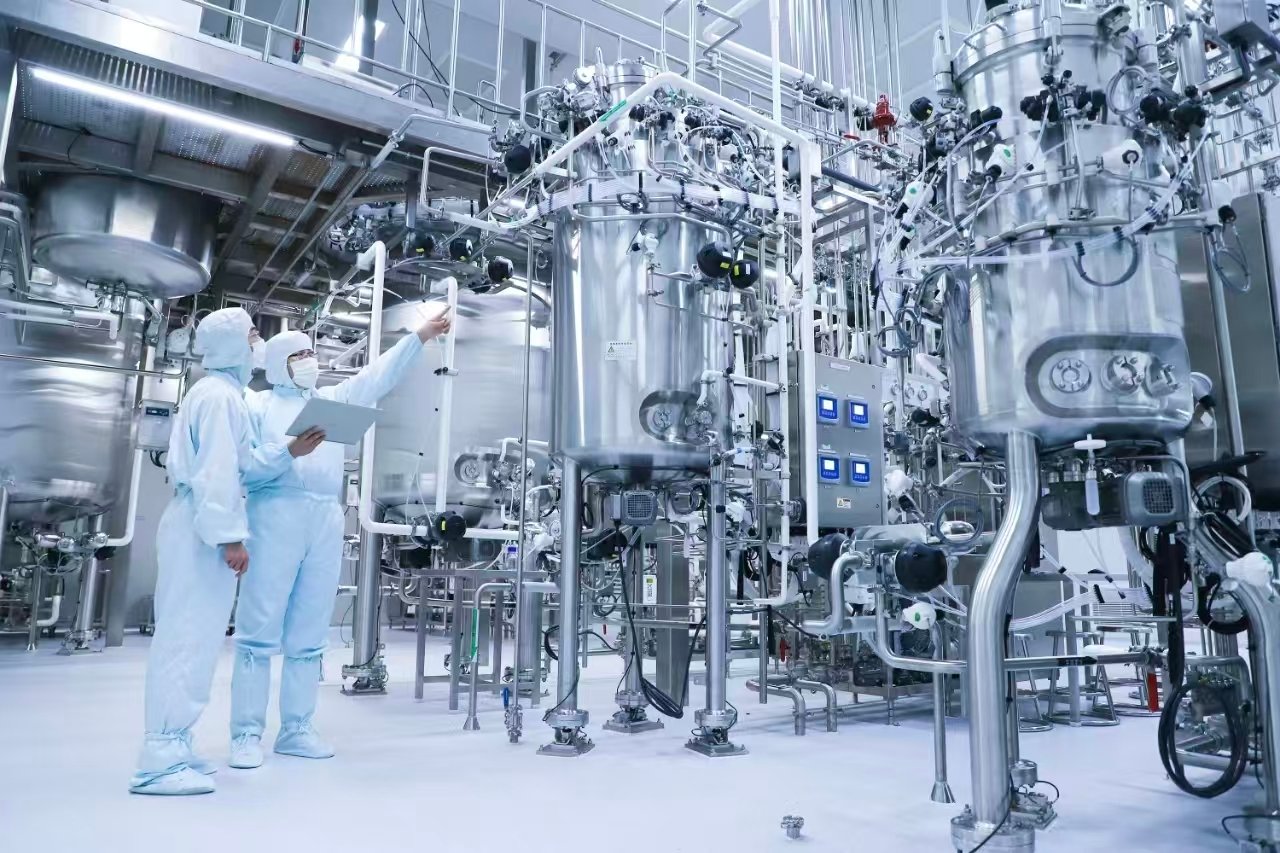
Monoclonal antibodies, other recombinant proteins, viral vectors and other biotherapeutics have become a major class of pharmaceuticals, whose production predominantly relies on mammalian cell culture technology. This field has seen remarkable advances over the past two decades. During the development and manufacturing of biotherapeutics, chemical engineering principles including heat and mass transfer, fluid dynamics and reaction kinetics are widely applied. Scientists and engineers leverage these principles to optimize nutrient transport, mixing, metabolite removal, as well as the recovery and purification of target molecules throughout cell culture processes.
Parameters governing cell culture processes are categorized into scale-independent and scale-dependent groups. Scale-independent parameters such as pH, temperature, dissolved oxygen (DO) concentration, medium composition and osmolarity remain consistent during scale-up after being tested and optimized in small-scale bioreactors. In contrast, scale-dependent parameters are affected by bioreactor geometry and operational modes, including impeller speed, aeration rate and working volume. These parameters directly govern fluid flow and mixing conditions inside bioreactors, and further exert impacts on cultured cells.
As bioreactor scale increases, physical, chemical and biological factors all influence cell culture performance. Physical factors cover bioreactor configuration, aeration, agitation, heat transfer/removal and mixing patterns. Chemical factors involve the type and concentration of acids/bases for pH regulation, variations in water quality, and foam formation induced by surface tension. Biological factors are associated with the growth and production phases of inoculum, including passage number, mutation frequency, contamination risks and loss of selective pressure.
Biotherapeutic manufacturing typically involves bioreactors of various scales, ranging from high-throughput small-scale systems and laboratory-scale glass or single-use bioreactors to pilot and commercial-scale units. Scale-up is a complex process that requires delicate balance in equipment design and operation to deliver comparable hydrodynamic and mass transfer conditions for cells across different scales. Noticeable discrepancies in equipment design and operation between scales further complicate the scale-up workflow.
Major obstacles to successful scale-up stem from the inherent complexity of biological systems, heterogeneous microenvironments in large-scale bioreactors, and resultant substrate and pH gradients. These issues impair cell growth, metabolism and target protein production, and may even alter critical quality attributes (CQAs) of products across scales, namely process variability.
The widespread adoption of single-use bioreactors has also introduced new challenges. Many contract development and manufacturing organizations (CDMOs) and commercial manufacturers operate diverse bioreactor models across global production sites, which differ significantly in geometry, gas sparger design and impeller type. To simplify scale-up, some suppliers now offer geometrically similar bioreactor series with working volumes spanning process development, pilot and commercial production stages.
Core considerations for bioreactor scale-up include non-linear effects, discrepancies in (bio)chemical equilibria, variations in fluid dynamics and agitation settings, formation of temperature, oxygen, pH and CO₂ gradients, as well as material properties and equipment selection. Thorough evaluation and optimization of these elements are essential to guarantee consistent production and product quality of biotherapeutics.
Non-Linear Phenomena in Bioreactor Scale-Up: Significance of Geometric Similarity
Maintaining geometric similarity is fundamental to achieving consistency across bioreactor scales. Constant ratios of height-to-tank diameter (H/T) and impeller diameter-to-tank diameter (D/T) must be preserved. Laboratory-scale bioreactors generally adopt an H/T ratio of 2:1, while large-scale counterparts typically have an H/T ratio ranging from 2:1 to 4:1. The D/T ratio is commonly controlled within 1/3 to 1/2. Strict adherence to these geometric ratios is critical for consistent bioproduction and product quality.
Geometric similarity and volumetric changes under a constant scale-up factor are defined by D (impeller diameter), H (bioreactor liquid height) and T (tank diameter), with subscripts 1 and 2 denoting small-scale and large-scale vessels respectively. Maintaining a constant H/T ratio leads to a sharp decline in the surface area-to-volume (SA/V) ratio and a substantial increase in total bioreactor volume. For instance, with a fixed H/T ratio of 1.5 and a scale-up factor of 6.4, the bioreactor volume can be expanded from 147 cubic feet at small scale to 38,604 cubic feet at large scale, representing a 26-fold capacity expansion.
The SA/V ratio decreases progressively as bioreactor dimensions increase. This poses severe heat removal challenges for large-scale microbial fermenters. For mammalian cell culture bioreactors, increased liquid height reduces the available headspace for surface gas exchange, while elevated hydrostatic pressure impairs carbon dioxide stripping efficiency, collectively lowering the degassing capacity for dissolved CO₂ at the liquid surface. Additionally, scale-up generally prolongs circulation time, enlarges stagnant zones, alters shear stress distribution and deteriorates overall mixing efficiency.
Flow regimes may also shift from laminar to turbulent during scale-up. Relevant data based on a scale-up factor of 125 demonstrate strong interdependencies among various scale-up criteria. Even with preserved geometric similarity (constant H/T), it is impossible to fully replicate small-scale conditions in large-scale bioreactors due to inevitable variations in process parameters.
Achieving adequate mixing in large bioreactors usually demands high power input, which is constrained by equipment mechanical limits and the shear sensitivity of mammalian cells. This frequently results in the formation of substrate and pH gradients, and discrepancies in product yield and quality between small and large scales.
Apart from the H/T ratio, process scientists need to optimize other design parameters within acceptable ranges, including impeller diameter, impeller bottom clearance, liquid height, tank height and baffle width-to-tank diameter ratio. Conventional scale-up criteria for microbial and mammalian cell culture include constant impeller tip speed, constant power per unit volume (P/V), constant volumetric oxygen mass transfer coefficient (kLa), constant mixing time, constant Reynolds number (Re) and constant volumetric gas flow rate (vvm). Combined application of these criteria — such as constant P/V paired with constant vvm, or constant kLa paired with fixed gas flow rate — is vital to maintain stable culture performance and product quality.
The selection of scale-up parameters is not arbitrary, as all parameters are closely correlated with tank diameter and impeller rotational speed. Fixing key scale-up parameters determines the values of other correlated variables. Since power input, impeller tip speed and Reynolds number respond differently to changes in tank size and impeller speed, scale-up inevitably alters the physical microenvironment of cultured cells. Such changes may disrupt chemical homogeneity, cause cell damage or death, modify cellular metabolism and physiology, and ultimately compromise product yield and quality.
Data indicates that scale-up based on constant P/V leads to reduced impeller speed, elevated tip speed, prolonged circulation time and increased kLa. By contrast, scale-up at a fixed impeller speed causes a drastic drop in P/V, which is impractical for industrial application. Scale-up with constant Reynolds number results in a 625-fold reduction in P/V, also an unfavorable strategy. Therefore, comprehensive evaluation is required to select appropriate scale-up criteria for stable large-scale production and consistent product quality.
Circulation time, defined as the time required for a particle to travel from a given position and return to the starting point, is positively correlated with mixing time and is not commonly adopted as a primary scale-up criterion. All conventional scale-up criteria (except fixed impeller speed) extend circulation time. To maintain constant circulation time during scale-up, P/V needs to be increased by 25 times. Scale-up based on constant impeller tip speed reduces P/V by 5 times, lowers kLa and prolongs circulation time by 5 times.
In summary, the aforementioned scale-up challenges are all closely associated with heat, mass and momentum transfer. Laboratory-scale processes are typically governed by cell kinetics, whereas large-scale operations are often limited by mass transfer. Accordingly, the time scales of mixing and reaction rates are decisive for homogeneity in large bioreactors. The ultimate goal of scale-up is not to keep all scale-dependent parameters unchanged, but to define a robust operational window that preserves cellular physiological status, productivity and product quality across scales.
Heat generated from biochemical reactions and cellular metabolism must be continuously removed to maintain isothermal conditions. The declining SA/V ratio during scale-up impairs heat transfer efficiency and disturbs culture performance. Mammalian cells require a narrow range of temperature, pH, osmolarity and substrate concentration for optimal growth and productivity, making process optimization and microenvironment control in large-scale systems indispensable.
Mixing, Agitation and Fluid Dynamics
Scale-up with constant P/V can nearly triple circulation time and mixing time, leading to gradients of substrate, pH and dissolved oxygen in large bioreactors. Transient exposure to heterogeneous environments adversely affects overall cell culture performance. Notably, mammalian cell bioreactors operate at low to moderate power input, resulting in longer mixing times compared with microbial fermenters; mixing time in large-scale cell culture bioreactors can even reach several minutes.
Fluid dynamics exhibit non-linear changes with increasing bioreactor size, including unpredictable transition from laminar to turbulent flow. To sustain efficient heat transfer and mixing, fluid flow must be controlled within a proper Reynolds number range to distinguish laminar and turbulent regimes. Mixing requirements also differ between suspension and adherent cell cultures. Variations in Reynolds number induced by different scale-up criteria may alter flow patterns between laboratory, clinical and commercial scales, further complicating scale-up.
Gradient Formation in Large-Scale Bioreactors
Low power input and prolonged mixing time in large cell culture bioreactors create extensive stagnant zones. Circulating cells are repeatedly exposed to fluctuating environmental parameters such as pH and dissolved oxygen, which alter cellular physiological characteristics. For example, lactic acid, a metabolic byproduct of mammalian cells, accumulates in poorly mixed regions and forms low-pH microenvironments. Similarly, intense local metabolic activity may lead to oxygen depletion in high-substrate zones.
Environmental heterogeneity in large vessels triggers complex interactions among process parameters: a gradient of one variable often induces gradients of others. Such effects may alter cell phenotypes or reduce the genetic stability of plasmids and viral vectors carrying recombinant genes.
Oxygen has low aqueous solubility, so continuous aeration is mandatory for cell culture. Mixing time is a dominant factor driving oxygen gradient formation in large bioreactors. Studies have confirmed that oxygen gradients emerge in 20 L stirred-tank mammalian cell bioreactors when cell density exceeds 20×10⁶ cells/mL, a cell concentration commonly achieved in fed-batch large-scale bioreactors.
In fed-batch mammalian cell culture, accumulation of acidic metabolites gradually lowers culture pH, which is counteracted by base addition. Insufficient mixing creates transient high-pH zones near base injection ports; extreme pH excursions disrupt cellular metabolism and intracellular pH homeostasis, and further impair enzymatic activity. Changes in intracellular pH interfere with glucose transport, the ratio of adenosine triphosphate (ATP) to adenosine diphosphate (ADP), and alter product critical quality attributes.
In fed-batch cultivation, increased biomass generates large amounts of carbon dioxide. CO₂ is more soluble in culture medium than oxygen and exists predominantly as dissolved CO₂ (dCO₂) under physiological pH. Ideally, dCO₂ is stripped from the culture via headspace aeration. However, the reduced SA/V ratio during scale-up limits surface gas exchange and hinders dCO₂ removal. Additionally, elevated hydrostatic pressure from taller liquid columns in large bioreactors increases gas solubility, causing dCO₂ accumulation.
Excessive dCO₂ triggers a series of adverse effects. CO₂ equilibrates with sodium bicarbonate in the medium, producing carbonate and bicarbonate ions that lower culture pH and destabilize intracellular pH. Under fixed bioreactor pH, increased ionic strength also raises medium osmolarity.
To avoid oxygen limitation and dCO₂ accumulation in a 500 L Chinese hamster ovary (CHO) cell perfusion bioreactor, the bubble size is controlled at 2–3 mm with an aeration rate of 0.005 vvm.
Material Properties of Bioreactors
High-throughput single-use bioreactors have become standard tools for laboratory-scale process development, while single-use bioreactors up to 2,000 L are widely adopted for commercial manufacturing, benefited from decades of optimization in cell culture media and bioprocesses.
Process engineers and R&D scientists rely on agitation and aeration parameters to guide scale-up. Agitation-related indices including mixing time, P/V and impeller tip speed must be evaluated individually to ensure acceptable performance across scales.
Power per unit volume (P/V) quantifies the mechanical power delivered by the agitator shaft and impeller to the culture broth. The formula is defined as:
\(\frac{P}{V} = P_0 \rho N^3 D^2\)
where \(P_0\) = impeller power number, \(\rho\) = broth density, N = impeller rotational speed, D = impeller diameter.
For scale-up based on constant P/V:
\((P_0 \rho N^3 D^2)_2 = (P_0 \rho N^3 D^2)_1\)
Subscript 1 stands for small scale and subscript 2 for large scale. Given unchanged culture medium, broth density \(\rho\) remains constant. With preserved geometric similarity, fully developed turbulent flow and identical impeller configuration, \(P_0\) is also constant. The formula is simplified to:
\((N^3 D^2)_2 = (N^3 D^2)_1\)
This indicates that impeller rotational speed at large scale must decrease proportionally to the 2/3 power of impeller diameter ratio.
Impeller tip speed reflects shear rate generated by rotating blades. Although it is occasionally used as a scale-up criterion, it tends to reduce P/V and is therefore rarely applied in mammalian cell culture.
Mixing time refers to the duration required to achieve homogeneous conditions inside the bioreactor, governed by turbulence intensity and volumetric turnover rate. Poor mixing in large cell culture bioreactors inevitably causes gradients of pH, dissolved oxygen and substrates.
When adopting constant mixing time as the primary scale-up criterion, large-scale impeller speed is calculated via:
\(N_2 = N_1 \times \left(\frac{D_1}{D_2}\right)^\frac{1}{4}\)
This formula shows that impeller speed declines proportionally to the 1/4 power of impeller diameter ratio. Nevertheless, scale-up with constant mixing time results in excessively high P/V, so this approach is seldom used for mammalian cell culture.
In practice, it is impossible to keep all scale-up parameters constant simultaneously. Industrial scale-up is generally implemented based on accumulated process experience, technical know-how and historical performance data of target bioreactors.
Aeration Parameters for Scale-Up
Large bioreactors typically have a height-to-tank diameter ratio greater than 1, which limits backmixing of rising gas bubbles. When bulk mixing lags behind oxygen mass transfer, vertical and radial DO gradients form. Maintaining oxygen transfer rate (OTR) equivalent to small-scale systems while ensuring sufficient oxygen supply is a major challenge for large bioreactors.
Scale-up based on constant OTR assumes oxygen uptake rate (OUR) equals OTR. Changes in backpressure and hydrostatic pressure affect oxygen saturation concentration (\(C_{sat}\)) and actual dissolved oxygen concentration (\(C_L\)); the log mean difference of DO concentration is recommended for accurate calculation in tall bioreactors. For most aerobic cell cultures, the critical DO threshold is low, and \(C_L\) is often approximated as zero for simplification.
Multiple empirical correlations are available to estimate volumetric oxygen mass transfer coefficient (\(k_L a\)) as a function of gassing power per unit volume (\(P_g/V\)), superficial gas velocity (\(V_s\)) and empirical constants:
\(k_L a = C \left(\frac{P_g}{V}\right)^\alpha (V_s)^\beta\)
where C, \(\alpha\) and \(\beta\) are process-specific constants with wide reported ranges. The dependence of \(k_L a\) on \(P_g/V\) generally weakens as scale increases. Caution must be exercised when applying these correlations for scale-up to avoid calculation errors.
Although \(k_L a\) and \(C_L\) fluctuate dynamically during fed-batch operations, the minimum acceptable \(C_L\) is predefined from laboratory-scale trials. Maintaining DO at 30–70% air saturation ensures adequate oxygen supply across the bioreactor.
Scale-up targeting constant DO is technically challenging. Multiple DO control strategies are adopted in industrial practice, including adjusting agitation speed, air/oxygen flow rate, using oxygen-enriched air or pure oxygen, and implementing cascade control to keep DO above the critical threshold.
Maintaining constant volumetric gas flow rate (vvm) or constant superficial gas velocity (\(V_s\)) are mainstream scale-up principles for mammalian cell bioreactors. Both approaches yield comparable P/V across scales and have been successfully applied in commercial manufacturing.
For scale-up at constant vvm, superficial gas velocity (\(V_s\)) must be verified to avoid operational issues. Constant vvm may lead to excessively high \(V_s\) and bubble flooding around impellers in large bioreactors. In such cases, maintaining constant \(V_s\) is preferable, which means higher vvm is required at small scale relative to large scale.
While vvm has a moderate impact on \(k_L a\), excessive gas flow aggravates foaming and gas holdup. By contrast, constant \(P_g/V\) and \(V_s\) maintain stable gas holdup across scales.
Single-use bioreactors are equipped with custom-designed impellers for optimized mixing, which are installed at the vessel bottom or on an offset shaft. Experimental characterization is required to determine optimal P/V and gas flow rate for target \(k_L a\) values.
In large bioreactors, inlet gas serves dual functions: oxygen delivery and dCO₂ removal. Oxygen transfer efficiency is dominated by superficial gas velocity, while dCO₂ stripping correlates closely with total gas flow rate (vvm). Therefore, sufficient dCO₂ removal must be prioritized during vvm-based scale-up, especially for bioreactors with working volumes above 2,000 L.