

Recombinant vaccines are manufactured using recombinant DNA technology, which involves inserting DNA encoding antigens that stimulate an immune response into bacterial or mammalian cells for antigen expression, followed by antigen purification from the cells. Among these, recombinant subunit vaccines are based on highly immunodominant antigens or a mixture of selected antigens purified from pathogens.
Prior to the development of cell culture technology, the few available viral vaccines based on whole virus particles were produced in animal systems such as calf skin (smallpox), rabbit spinal cord (rabies), mouse brain (Japanese encephalitis), or chicken embryos (influenza and yellow fever viruses). Currently, chicken embryos remain the primary source for traditional whole-virus vaccines, especially seasonal influenza vaccines. However, vaccine production using chicken embryos raises numerous concerns, including the risk of insufficient supply, particularly during pandemics, time-consuming procedures, increased production costs, and potential allergic reactions to chicken embryo components.
Cell culture technology emerged as an approach to overcome the limitations of chicken embryo-based vaccine production and has been gradually adopted. In 1954, the polio vaccine developed by Jonas Salk was regarded as a milestone in the field of vaccination. Later, Stanley Plotkin produced a rubella vaccine using cultured human cells, establishing a cell line named WI-38 from lung cells of aborted fetuses, which supports the growth of many viruses including rubella virus.
Since their establishment in the 1960s, the WI-38 and MRC-5 cell lines (also derived from fetal lung cells) have been used to produce a variety of viral vaccines based on infection, whole-virus harvest, and subsequent attenuation or inactivation, such as vaccines against hepatitis A, rubella, varicella, herpes zoster, and rabies. Compared with chicken embryo-based vaccine production, mammalian cell culture offers shorter production times in a more controlled process, utilizes closed bioreactor systems, and enables the cultivation of viral stock without significant antigenic alterations dependent on chicken embryo passaging.
Beyond their role in whole-virus production, immortalized mammalian cell lines serve as highly efficient factories for recombinant protein production, capable of performing complex and precise post-translational modifications critical for proper folding, and likely required to mimic the antigenic structure and glycosylation patterns encountered by hosts during natural infection. However, the potential of cell lines to harbor mammalian pathogens or their inherent tumorigenicity is considered a major drawback of mammalian cells as producers of therapeutic molecules.
In this regard, the Vero cell line, established in the early 1960s from African green monkey kidney cells, was the first cell line approved by the World Health Organization for the production of viral vaccines for human use under specific regulatory guidelines. Vero cells are considered non-tumorigenic below a certain passage number and can be safely used as a substrate for vaccines including those against Japanese encephalitis, rotavirus, polio, influenza, or smallpox.
In addition to Vero cells, other cell lines such as Chinese hamster ovary (CHO), baby hamster kidney (BHK), human embryonic kidney (HEK), and the CAP-T cell line derived from human amniotic fluid cells are widely used for recombinant virus-like particle (VLP) production.
CHO cells are the most commonly used cell line and offer an additional advantage over other cell lines due to their non-human origin, preventing the risk of contamination with human pathogens. Furthermore, CHO-based systems can be considered safer and more cost-effective than recombinant lentivirus-based systems, which require higher biosafety capabilities.
CHO cells grown in suspension in serum-free media can be used to produce recombinant viral proteins, such as the S and PreS2 proteins of hepatitis B virus (HBV) surface antigen, which then assemble into HBV-like particles. Indeed, the GenHevac® B vaccine containing these viral proteins is immunogenic in humans.
Cytomegalovirus (CMV) glycoprotein B antigen is also stably expressed in CHO cells, enabling the development of recombinant vaccines immunogenic in humans. Recently, GlaxoSmithKline used the CHO cell line to produce a pentameric molecule composed of human CMV surface proteins. The pentamer can be recognized by monoclonal antibodies and induces neutralizing antibodies in mice, indicating its suitability as a human vaccine.
Sci-B-Vac, a third-generation hepatitis B vaccine containing three HBV antigens including S, Pre-S1, and Pre-S2, is also expressed in mammalian CHO cells. CHO cells have also been used to produce hantavirus VLPs, which enhance CD8+ T cell activity and induce antibody responses comparable to those of inactivated vaccines.
Several human vaccines produced in CHO cells have been approved for human use, including Shingrix by GlaxoSmithKline, a herpes zoster vaccine based on varicella-zoster virus glycoprotein E, and newly approved RSV vaccines Arexvy® and Abrysvo® from GlaxoSmithKline and Pfizer, respectively.
Another widely used mammalian cell line is the HEK293 cell line. The advantages of HEK293 cells include their ability to grow in suspension in serum-free media, suitability for large-scale transient gene expression, high transfectability, and stable expression.
There are two genetic variants of the HEK293 cell line: the 293E line and the 293T line. These cell lines maintain episomal replication of plasmids containing origins of EBV and SV40, respectively. Like CHO cell lines expressing EBNA1, the constitutive expression of viral antigens by these HEK293 genetic variants may pose challenges for regulatory approval. In addition, the tumorigenicity of this cell line remains a concern.
An Ebola virus (EBOV) VLP candidate vaccine was produced by expressing EBOV VP40 and viral envelope glycoproteins in HEK293T cells. These VLPs are morphologically similar to wild-type virus particles, highly immunogenic in in vitro and in vivo studies, and effectively induce the maturation, activation, and secretion of cytokines and chemokines.
Mice vaccinated with EBOV VLP vaccines exhibit B cell activation and produce high levels of EBOV-specific antibodies. VLPs also activate CD4+ and CD8+ T cells and protect mice against lethal challenge.
Nipah virus VLPs can also form in HEK293T cells expressing viral attachment glycoprotein (G), fusion (F) glycoprotein, and matrix (M) protein. Mice vaccinated with such VLPs produce Nipah virus-specific antibodies and robust CD8+ T cell responses. Neutralizing antibodies were also observed in pigs vaccinated with NiP VLPs, but no CD8+ T cell response was detected in these animals.
VLPs generated using other paramyxovirus proteins have also been developed and show promising results in preliminary preclinical studies.
The COVID-19 pandemic accelerated the rapid development and eventual emergency use authorization of adenoviral vector vaccines. Among the adenoviral vector vaccines granted emergency use listing by the World Health Organization, Ad5-nCOV and ChAdOX1-nCoV are produced in HEK293 cells, while Ad26.COV2-S is produced in PER.C6 cells.
Regarding the expression system itself, recombinant proteins can be expressed transiently or stably.
Establishing mammalian cells that constitutively produce recombinant proteins by inserting the recombinant gene into the host genome is an expensive and time-consuming process. Although stable CHO cell-based lines are widely used for recombinant protein production, there are inherent limitations in the synthesis and secretion of many complex polypeptides, such as low productivity, restricted growth and unstable expression, low resistance to culture-related stress, and high production costs.
Random insertion of foreign genes into the host genome may lead to clonal genotypic variation and phenotypic instability, compromising cell line stability as well as process reproducibility and consistency, and causing genomic instability over time, resulting in reduced protein yields. All these factors complicate procedures and increase production costs.
Therefore, there is a clear need to improve stable cell lines using strategies involving genetic modification, expression vector optimization, and process engineering. With advances in CHO cell line development and process optimization, yields of some recombinant proteins (e.g., monoclonal antibodies) have reached up to 5 g/L, or even exceeded 10 g/L.
Faster and more cost-effective protein production methods are preferred when numerous proteins or multiple variants of a single protein must be rapidly obtained and evaluated. In such cases, transient gene expression (TGE) is the strategy of choice.
TGE has a relatively short protein harvest cycle but typically yields low titers because the foreign gene is not integrated into the host genome and is thus lost over time. The efficiency of TGE using HEK cells is limited by low transgene expression levels. Consequently, transient expression systems can only be used short-term.
In addition, transiently expressed proteins may exhibit heterogeneity in glycan content, leading to inconsistent affinity and efficacy. Finally, another common drawback of human cell lines such as HEK is their susceptibility to infection by human viruses. Viral inactivation is therefore critical for the use of human cell lines.
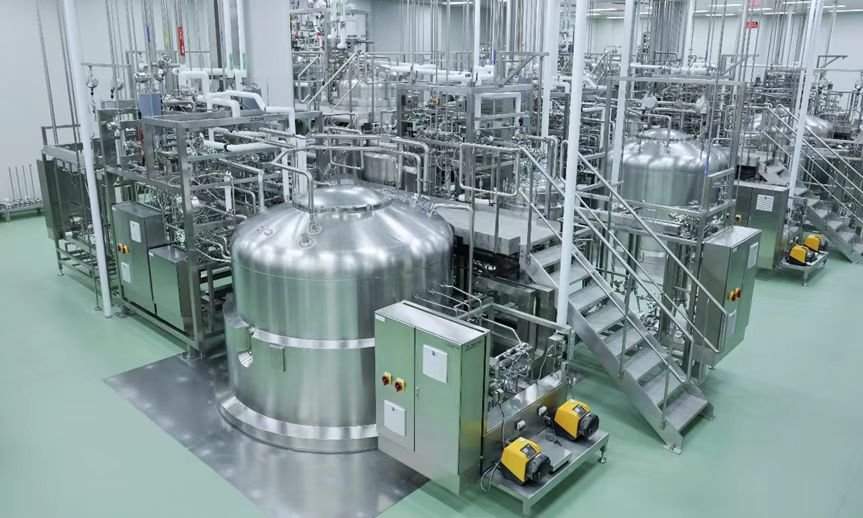
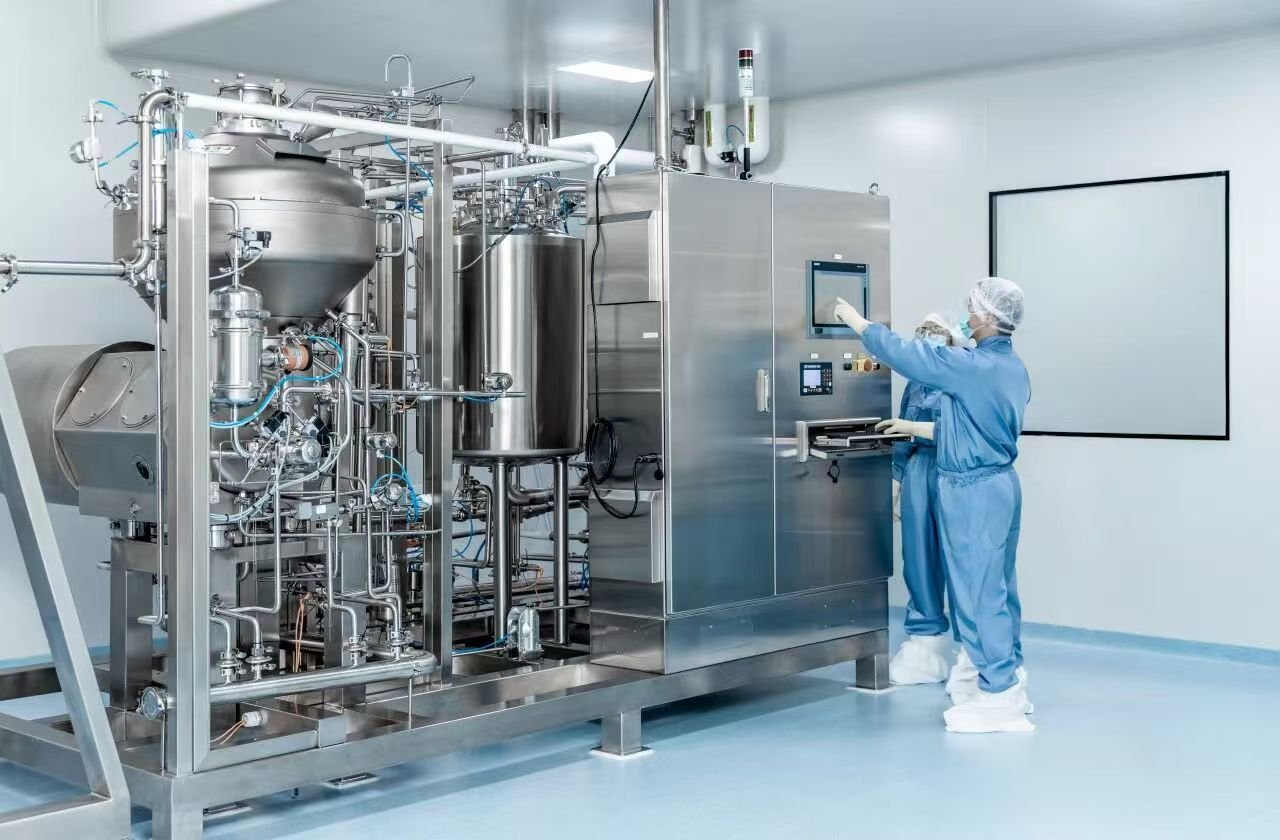
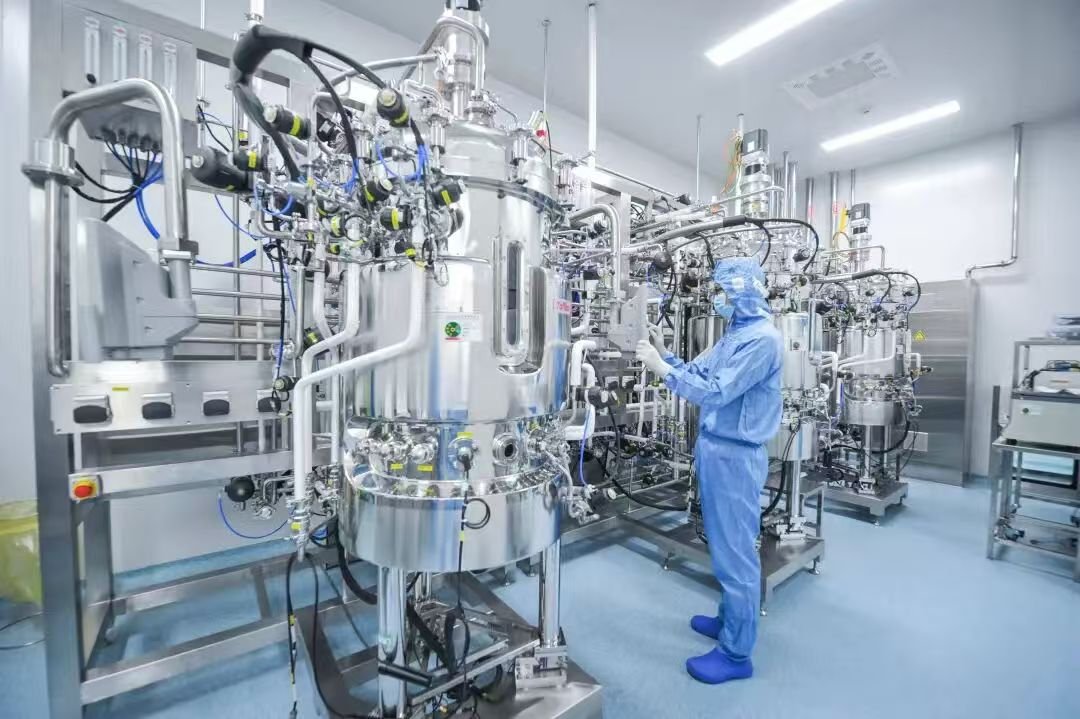
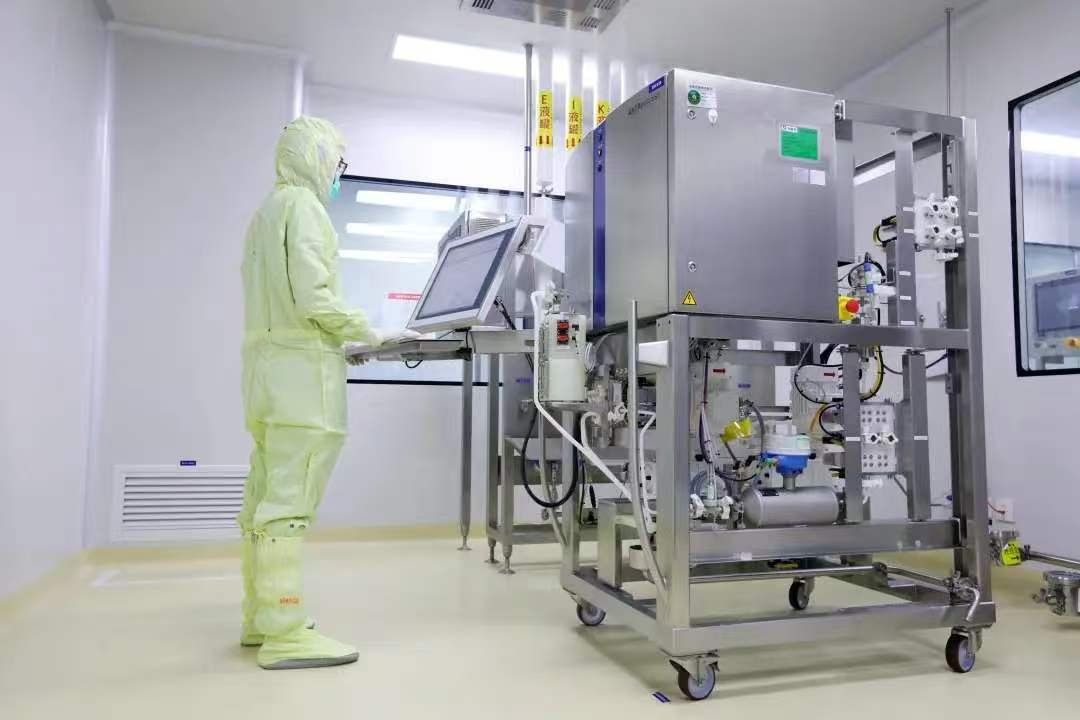
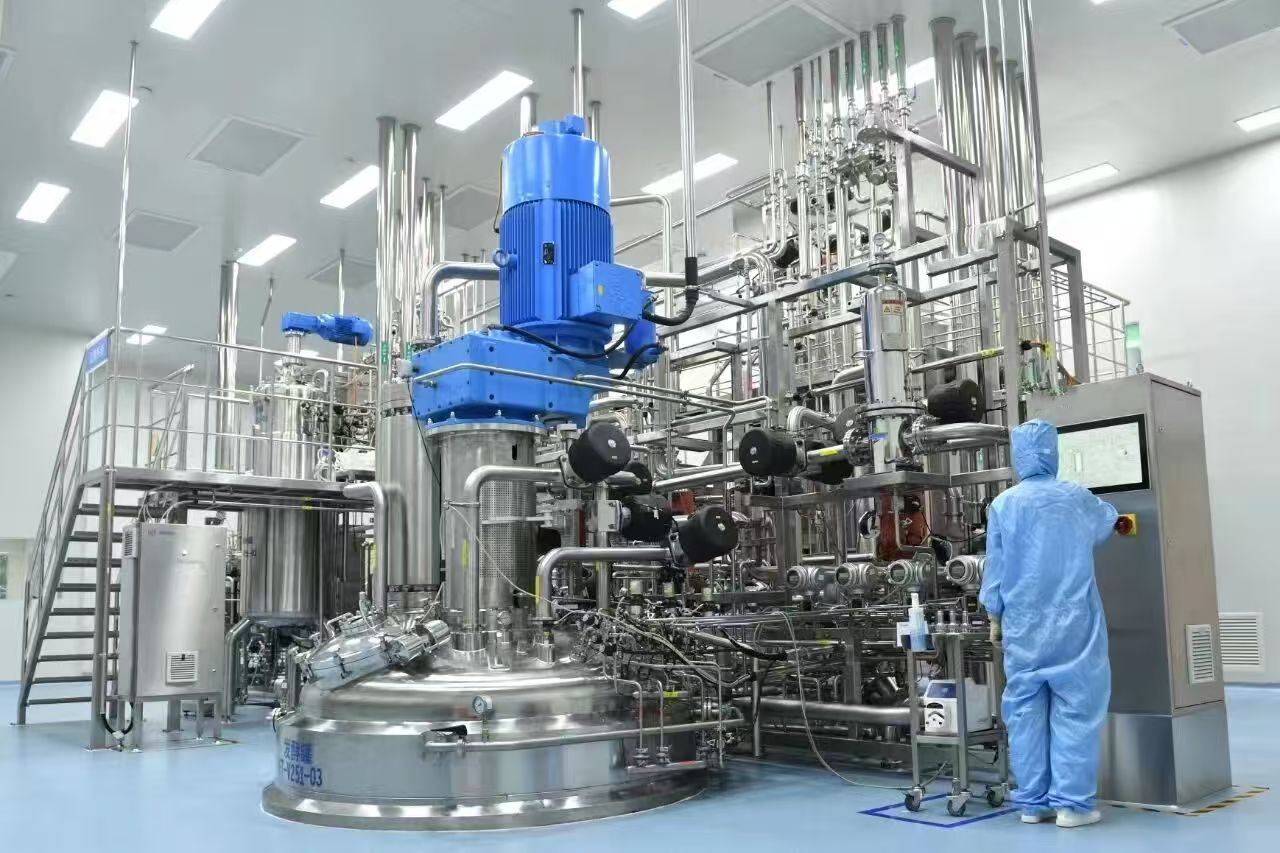
Despite these limitations associated with low yields and high costs, mammalian cell culture provides a flexible and scalable platform that can benefit from the established biopharmaceutical bioreactor cell culture infrastructure for vaccine production.
Advances in cell culture, such as the use of serum-free media, suspension culture, microcarriers to increase cell density, and improved bioreactor design, have collectively greatly refined strategies for the production of new, more effective vaccines for human and animal health.
As a leading process-oriented engineering company, Sino Bioengineering delivers professional bioengineering solutions and comprehensive technical services to clients worldwide.
For more products and solutions: https://sinobioengg.com/category/solution/
For more service: https://sinobioengg.com/category/service/