

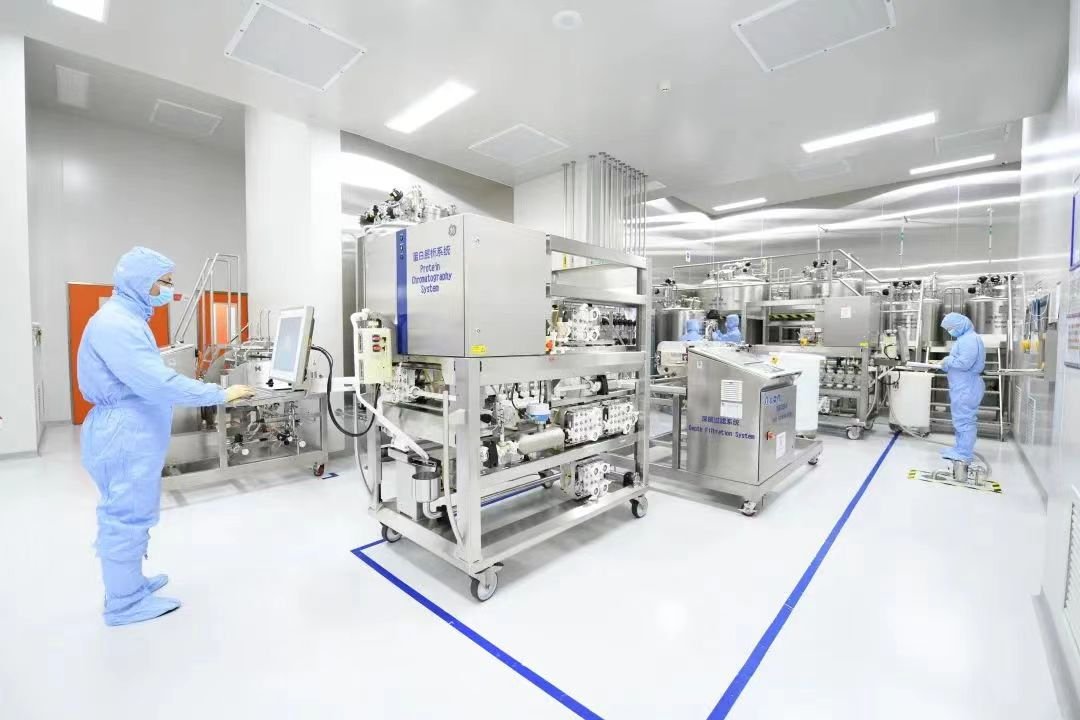
Monoclonal antibodies (mAbs) are among the fastest-growing therapeutics and are being developed for a broad range of indications, from cancer to infectious diseases to cardiovascular diseases, including hypercholesterolemia. With hundreds of products in development, and blockbusters already on the market, mAbs remain the single most important product group driving the biopharmaceutical industry’s development today. In contrast to small-molecule drugs, mAbs offer high target specificity, do not undergo hepatic or renal metabolism, and allow less frequent, albeit parenteral, administration. From a safety perspective, mAbs in development today have been engineered to reduce the risk of targetrelated and modality-related adverse effects. Therapeutic mAbs have improved solubility and stability during manufacturing, and are produced through well-established platform processes. Owing to their efficacy in the clinic and ease of manufacturability, mAbs have emerged as one of the major recombinant protein therapeutic classes, and have been used successfully in various medical indications. The antibody expression/production has standardized over years using mammalian cells as a host system. The homologous protein sequence of humanized mAbs—the Fc region of mAbs—enables the use of Protein A chromatography for mAb capture, thereby, harmonizing the downstream manufacturing process with only minimal changes required from product to product. Manufacturing processes for mAbs have evolved tremendously over the last three decades since the first licensed mAb product.
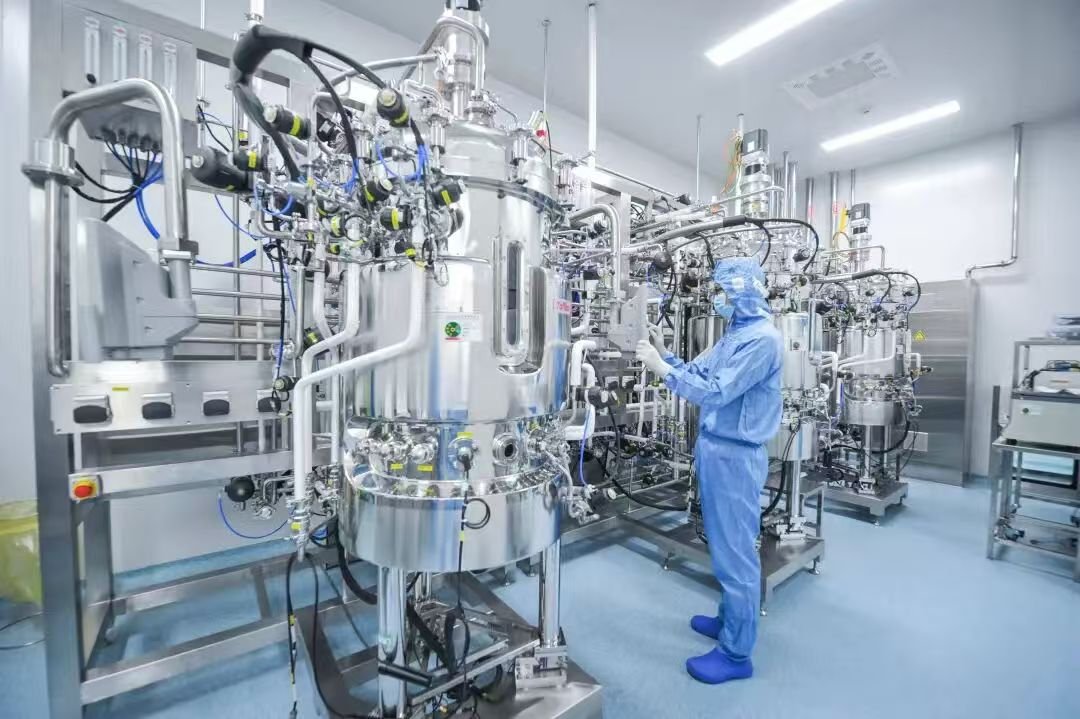
Low productivity of cell culture processes limited early mAb production. This low productivity coupled with the relatively high doses typically required for mAb therapies necessitated the design of high volume production facilities. The recent advances in recombinant DNA (deoxyribonucleic acid) technology and cell line development have led to cell culture processes with significantly increased mAb titer. These advancements in cell culture productivity have shifted the bioprocessing bottleneck from cell culture to downstream processing, which is primarily due to facility constraints, since the older facilities were designed to accommodate low productivity cell culture processes.
The development of high volume production facilities and improvements in mAb titers have led to an excess of manufacturing capacity. There is an increased focus on improved utilization of production facilities and reducing the cost of manufacturing, due to the biopharmaceutical market differentiation, expiring patents, increasing biosimilar competition, excess capacity, and governmental initiatives to reduce the cost of healthcare. The anticipated future demand of mAbs and the improvement in mAb manufacturing process may shift the focus towards the development of processes that accommodate the production of multiple products in a flexible manufacturing facility. This may have important implications for both plant design and product development strategies for both biopharmaceutical and contract manufacturing companies.
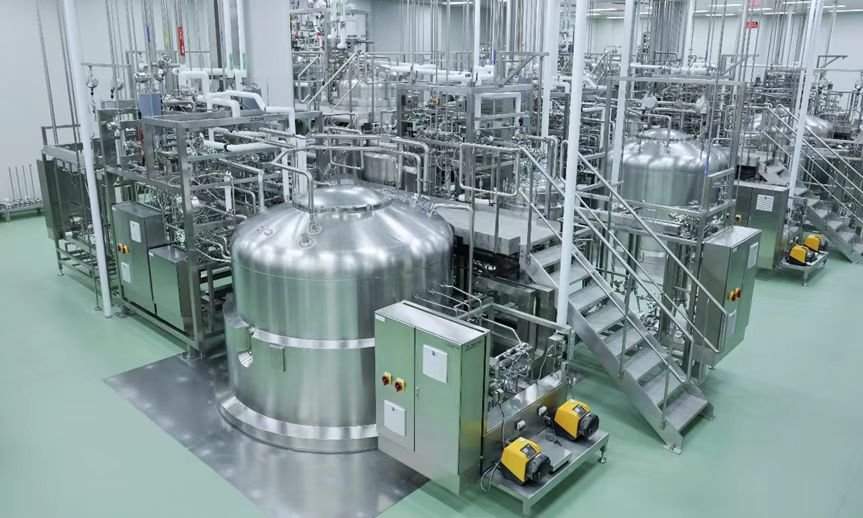
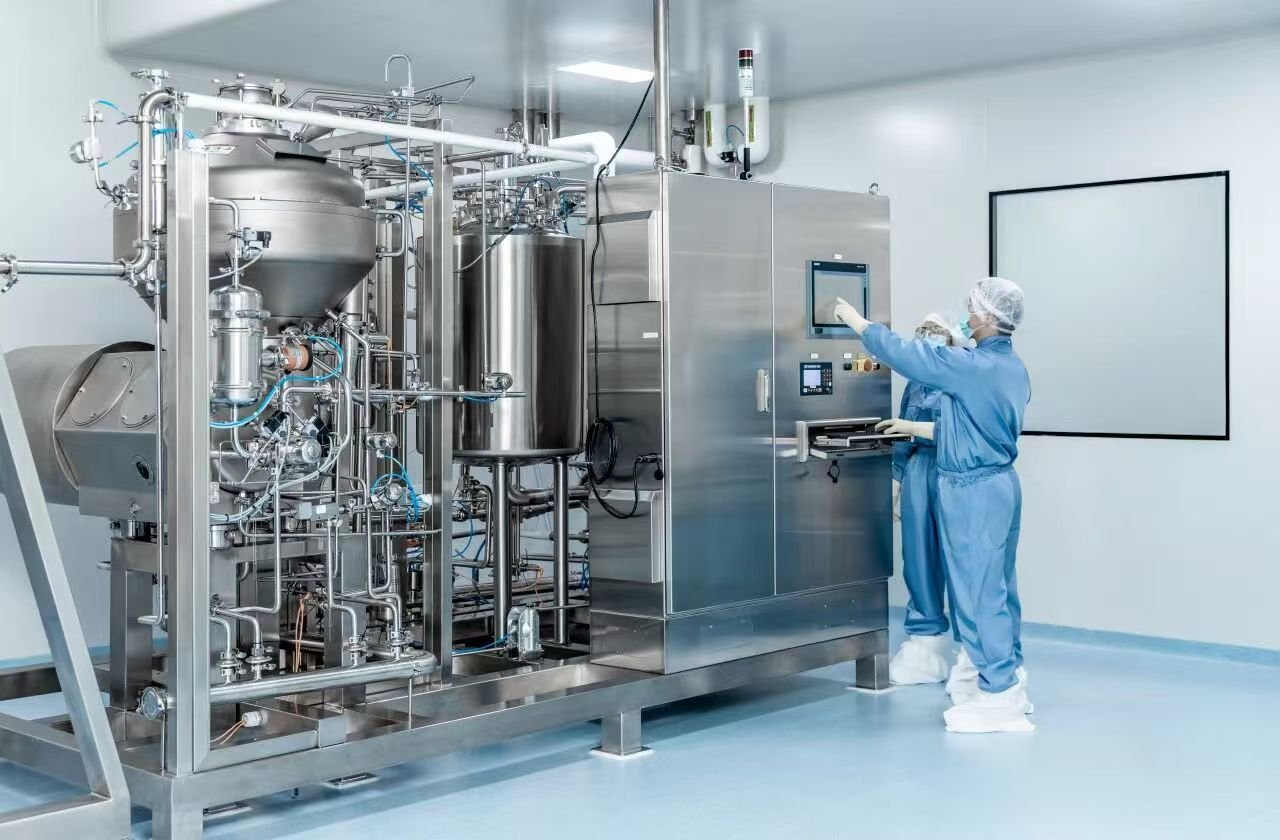
Next-generation downstream processes will continue to drive down the manufacturing footprint, while accommodating the anticipated demand of therapeutic mAbs. The ideal features of next-generation biomanufacturing facilities include (i) reduced footprint, (ii) reduced construction time and cost, (iii) portability/interchangeability and the ability to have the same facility in different countries, (iv) reduced processing time and cost, and (v) multiproduct manufacturability. Therefore, next-generation biomanufacturing facilities are likely to incorporate the use of single-use technologies. Implementation of single-use platform processes in a modular facility enables the production of multiple products with significantly reduced downtimes, equipment footprints, and cleaning/validation costs. In this chapter, we describe the current practices in downstream mAb purification processes, and highlight the potential of upcoming “enabling” technologies that can readily integrate with next-generation modular biomanufacturing facilities.
As a leading process-oriented engineering company, Sino Bioengineering delivers professional bioengineering solutions and comprehensive technical services to clients worldwide.
For more products and solutions: https://sinobioengg.com/category/solution/
For more service: https://sinobioengg.com/category/service/