
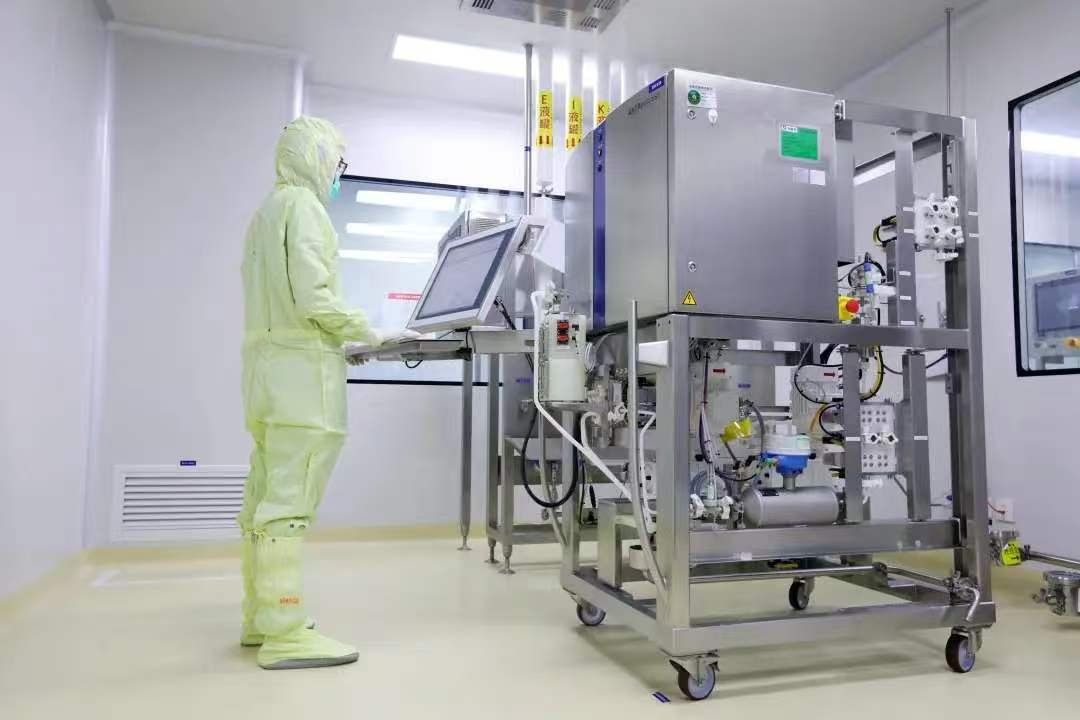
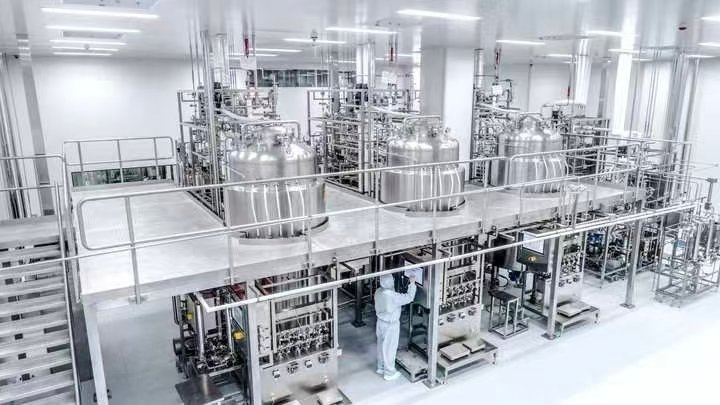
Perfusion technology is widely applied in bioengineering, chemical engineering and other fields. The key fundamentals are introduced in detail as follows.
Necessity of Perfusion
Pain Points of Traditional Culture
In conventional batch culture or fed-batch culture, once cells grow to a certain stage, nutrients (such as glucose and amino acids) in the medium are depleted, while metabolic wastes (such as lactic acid and ammonia) accumulate. This leads to declined cell viability and eventual cell death. The culture has to be terminated consequently, and products can only be harvested one-off at the final stage, resulting in limited productivity.
Solution of Perfusion
Adopting a continuous operation mode of supplementing fresh nutrients while removing wastes maintains a consistently fresh culture environment. This keeps cells in an optimal growth state for a long time, extends the production cycle, and enables continuous product harvesting.
Core Principles of the Process
Mass Transfer
Nutrient Supply: Cell growth and product synthesis require various nutrients including amino acids, glucose and vitamins. In perfusion processes, continuous inflow of fresh medium into the bioreactor system provides sufficient nutrients to sustain cell growth and metabolic activities.
Metabolite Discharge: Cellular metabolism generates by-products such as carbon dioxide, lactic acid and ammonia. Accumulation of these metabolites inhibits cell growth and product formation. Perfusion continuously discharges spent culture medium to timely remove metabolic by-products and stabilize the cell growth microenvironment.
Cell Retention and Culture Environment Maintenance
Cell Retention: Special devices and technologies are adopted in perfusion to retain cells within the reactor for continuous cultivation. Common approaches employ microfiltration membranes, hollow fiber membranes and other membrane modules, which allow the passage of medium and small-molecule metabolites while trapping cells in the reaction zone.
Environmental Parameter Stabilization: By regulating perfusion rate and medium composition, critical parameters including temperature, pH and dissolved oxygen (DO) inside the bioreactor are maintained within a stable range, providing optimal conditions for cell growth and product biosynthesis.
Continuous Reaction and Production
Continuous Bioreaction: For biochemical reactions such as enzyme-catalyzed reactions and bioproduction via cell culture, perfusion enables continuous processing. Substrates are continuously fed into the system with fresh medium, converted into target products by cells or enzymes, and discharged along with spent medium to achieve uninterrupted production.
Production Efficiency Improvement: Compared with traditional batch culture, perfusion supports higher cell density in a stable culture environment with sustained and steady product generation. It significantly enhances production efficiency and reduces manufacturing costs.
Standard Operating Procedure of Perfusion Process
Preparation
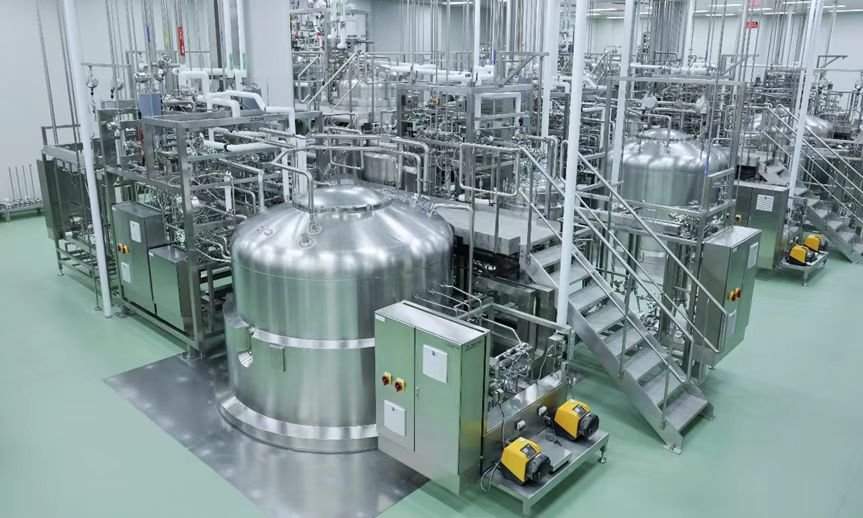
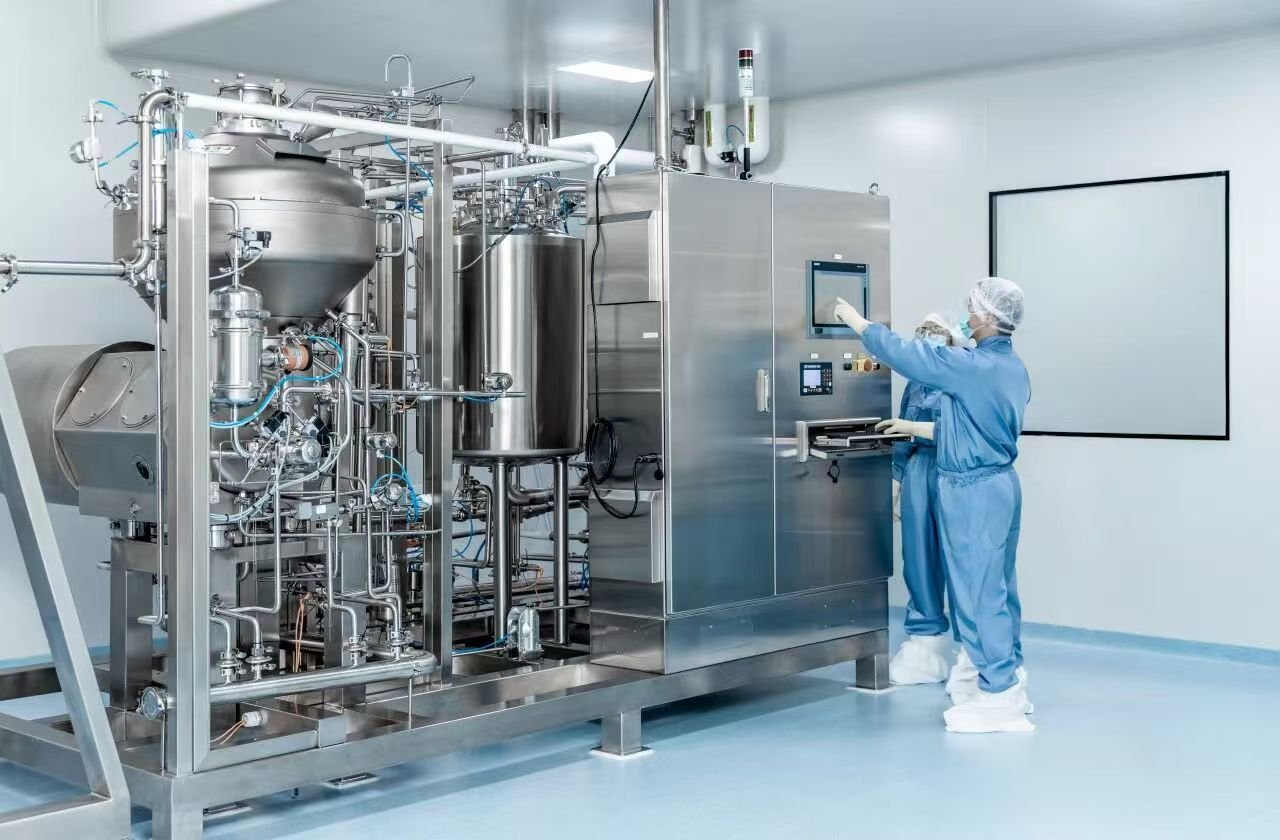
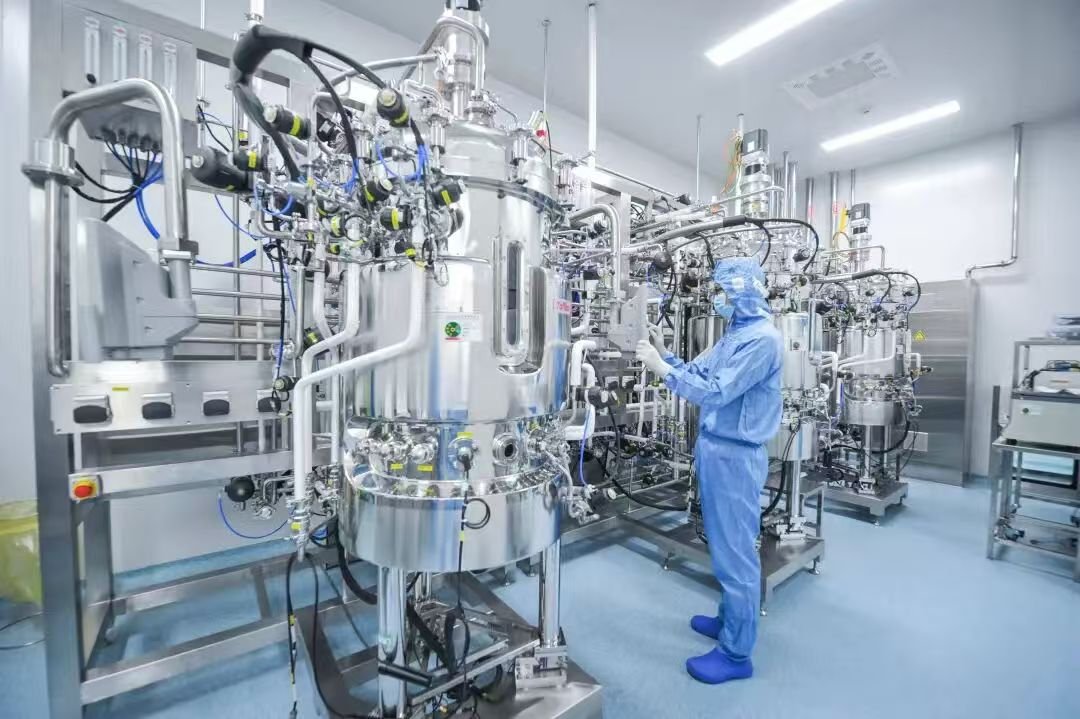
Equipment & Consumables Preparation: Equipments including bioreactor, perfusion module, medium storage tank, peristaltic pump, filter and sensors, as well as pipelines, connectors and sterile filters are prepared according to process requirements.
Medium Formulation: Serum/chemically defined medium supplemented with glucose, amino acids, vitamins and inorganic salts is precisely formulated, with pH and osmolarity adjusted to meet cell growth specifications.
Cell Line Selection & Seed Culture: Appropriate cell lines (e.g., CHO cells) are selected and cultivated in seed bioreactors to reach sufficient cell density and viability for subsequent perfusion cultivation.
Perfusion System Setup
System Assembly & Sterilization: Assemble and connect bioreactor, pumps, pipelines, filters and sensors strictly in accordance with the process flow diagram to ensure airtight and leak-free connections. The entire system is sterilized by high-temperature steam autoclaving or chemical disinfection to eliminate microbial contamination risks.
Parameter Setting: Key process parameters including perfusion rate, cell retention mode, temperature, pH and dissolved oxygen are set based on cell line characteristics and culture specifications.
Cell Cultivation and Perfusion Initiation
Reactor Inoculation & Initial Culture: After cell inoculation into the bioreactor, sterile air or oxygen is aerated, and temperature, pH and other parameters are regulated to initiate cell growth. Batch culture is adopted in the initial phase to allow cell adaptation to the bioreactor until reaching the targeted cell density.
Perfusion Start-up: Once the threshold cell density is achieved, the perfusion system is activated. Peristaltic pumps are started to deliver fresh medium from the storage tank into the bioreactor at the set flow rate; meanwhile, spent medium is discharged at an equal rate. Cells are retained in the bioreactor via the cell retention device, while cell-free spent medium flows into the product collection tank.
Perfusion Maintenance: Monitor cell growth status and medium composition dynamically during perfusion. Adjust perfusion rate and medium formula timely as required, replenish key nutrients to sustain cellular physiological status, and inspect the operation of the cell retention unit to prevent membrane clogging or cell loss.
Process Monitoring and Control
Parameter Monitoring: Sensors perform real-time monitoring of in-reactor parameters including temperature, pH, dissolved oxygen, cell density and metabolite concentration, with data transmitted to the control system.
Feedback Control: Adjust perfusion rate, temperature, pH and dissolved oxygen automatically or manually based on real-time monitoring data to stabilize the culture microenvironment.
Harvest and Downstream Processing
Product Harvest: Harvest cell-free supernatant containing target products from the collection tank when the product concentration or titer reaches the predefined threshold.
Downstream Processing: Perform subsequent separation, purification and concentration operations on harvested supernatant to obtain high-purity and high-quality finished products.
Common Questions & Summary
Q1: How to calculate the perfusion rate?
Formula:
Perfusion Rate (L/day) = Bioreactor Volume (L) × Daily Volume Exchange Rate (VVD)
Example: For a 5 L bioreactor operated at 1 VVD, the daily medium feeding and discharging volume are both 5 L.
Q2: Why is high perfusion rate not recommended at the initial stage?
Cell Adaptation Requirement: Low cell density in the initial phase will be diluted by high-rate medium feeding, impairing cell proliferation efficiency.
Nutrient Waste Avoidance: Excessive early perfusion leads to direct discharge of unconsumed fresh medium.
Q3: Common process challenges and countermeasures
Issue: cell retention system clogging. Cause: Cell aggregation and cellular debris accumulation. Solution: Optimize membrane pore size; add anticoagulants such as heparin
Issue: Cell retention system clogging Cause: Insufficient perfusion rate Solution: Increase perfusion rate or optimize medium formulation
Issue: Sharp drop in cell viability Cause: Nutrient depletion or accumulation of toxic metabolites Solution: Detect key metabolites and optimize feeding strategy
Summary
Perfusion culture is a continuous cell cultivation technology. By continuous feeding of fresh medium and removal of spent waste medium, combined with cell retention systems (e.g., hollow fiber membranes) to retain cells in the bioreactor, long-term high-density cell culture is realized with continuous product harvesting from discharged supernatant.
Based on mass transfer and cell retention mechanisms, perfusion processes provide a stable and efficient microenvironment for cell growth and bioreaction, playing a vital role in biopharmaceuticals, bioenergy and other industrial fields.
As a leading process-oriented engineering company, Sino Bioengineering delivers professional bioengineering solutions and comprehensive technical services to clients worldwide.
For more products and solutions: https://sinobioengg.com/category/solution/
For more service: https://sinobioengg.com/category/service/