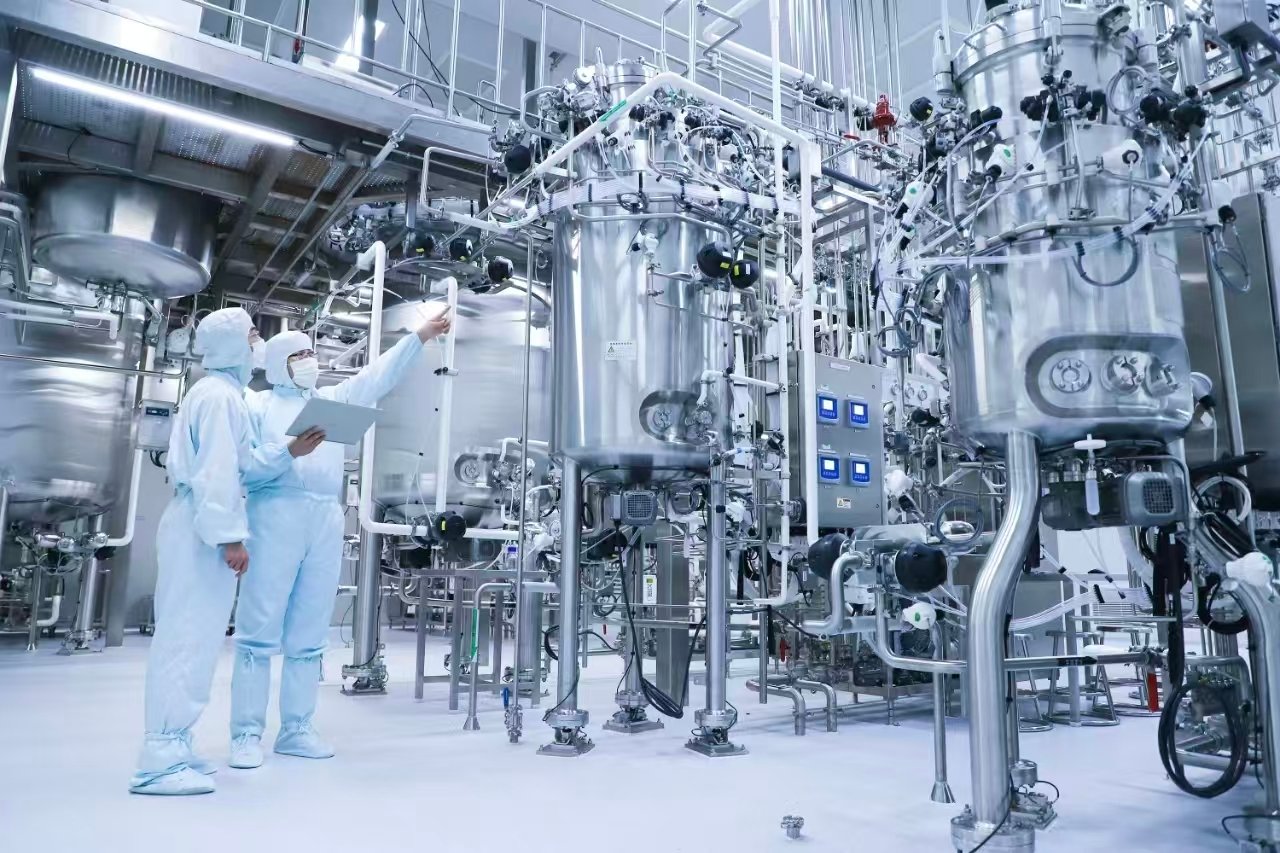
Since first established by Theodore Puck in the 1950s, Chinese Hamster Ovary (CHO) cell lines have evolved into a cornerstone of the biopharmaceutical industry. Initially applied to cytogenetic research, CHO cells have emerged as the preferred host for therapeutic recombinant protein production since the 1980s, owing to their superior adaptability to suspension culture, well-established genetic manipulation systems, and capacity to execute sophisticated protein post-translational modifications (PTMs).
In biomanufacturing, PTMs exert decisive impacts on protein stability, biological activity and immunogenicity. Aberrant modifications such as atypical glycoforms and chemical damages may lead to loss of pharmacological efficacy or trigger adverse immune responses. Accordingly, precise regulation of PTMs is essential to satisfy quality specifications and guarantee batch-to-batch consistency of biotherapeutics.
PTMs consist of non-enzymatic chemical modifications including oxidation and deamidation, as well as host cell-mediated enzymatic modifications, among which glycosylation is the most representative. The extent of modification is collectively governed by protein structure, inherent genetic characteristics of host cells and bioprocess culture conditions. This paper systematically elaborates major PTMs occurring in CHO cells and corresponding regulatory strategies, aiming to provide theoretical references for the optimization of recombinant protein production processes.
N-Glycosylation
Asparagine-linked glycosylation (N-glycosylation) is one of the most prevalent and functionally critical post-translational modifications for recombinant proteins expressed in mammalian cells. The canonical consensus sequence for N-glycosylation is Asn-Xaa-Ser/Thr, where Xaa denotes any amino acid except proline; additionally, Asn-Xaa-Cys has been identified as a rare modification motif. This modification enables covalent attachment of oligosaccharide chains to asparagine residues, profoundly modulating protein folding, thermal stability, solubility and biological functions.
N-glycosylation is a multi-step biosynthetic process proceeding sequentially in the endoplasmic reticulum (ER) and Golgi apparatus, synergistically catalyzed by diverse glycosyltransferases and glycosidases. The expression levels and interactive relationships of these enzymes ultimately determine the structural heterogeneity of glycan chains.
All N-glycans share a conserved pentasaccharide core composed of two N-acetylglucosamine (GlcNAc) residues and three mannose (Man) residues. Based on divergent branching modifications outside the core structure, N-glycans are categorized into three major types:
High-mannose type: Branches are exclusively extended with mannose residues.
Complex type: Initiated with GlcNAc elongation, further appended with galactose (Gal) and terminal sialic acid (SA).
Hybrid type: One branch retains high-mannose features while the other undergoes complex-type modifications.
Addition of bisecting GlcNAc to the central mannose of the pentasaccharide core generally inhibits further fucosylation and alters biological functions of glycoproteins.
Among commonly used rodent cell lines for bioproduction, CHO cells generate glycan structures with the highest similarity to human counterparts. Despite inherent limitations including predominant production of α-2,3-linked sialic acid (rather than human-like α-2,6-linked sialic acid) and incapability to synthesize bisecting GlcNAc, such discrepancies exert negligible influences on the clinical quality of most therapeutic proteins. More importantly, CHO cells barely express highly immunogenic glycoepitopes such as Gal-α1,3-Gal (α-Gal) and non-human Neu5Gc sialic acid, which substantially mitigates the risk of eliciting in vivo immune reactions in humans.
N-glycosylation is pivotal to the effector functions of antibody drugs, especially IgG molecules. Glycans located at the CH2 domain within the Fc region maintain conformational stability of the Fc segment and directly mediate interactions with effector molecules:
CDC activity: Elevated terminal galactosylation levels (e.g., G1F, G2F glycoforms) enhance the binding affinity between antibodies and complement component C1q, thereby potentiating complement-dependent cytotoxicity.
ADCC activity: Deficiency of core fucose dramatically increases the affinity of antibodies towards FcγRIIIa (CD16a) receptors on natural killer (NK) cells by dozens of folds, markedly boosting antibody-dependent cellular cytotoxicity.
Stability and in vivo half-life: Terminal sialylation coverage governs plasma clearance rate, while intact glycan structures underpin thermal stability and anti-aggregation properties of antibodies.
In summary, N-glycosylation modulates both pharmacokinetic profiles and clinical therapeutic efficacy via functional regulation, consolidating the irreplaceable status of CHO cells in biotherapeutic manufacturing due to their capability to produce highly humanized and low-immunogenicity glycans.
O-Glycosylation
O-glycosylation represents another essential post-translational modification in mammalian cells, characterized by covalent linkage of glycan chains to the hydroxyl groups of serine (Ser) or threonine (Thr) residues via α-glycosidic bonds. Mucin-type O-glycosylation initiated with N-acetylgalactosamine (GalNAc) is the most predominant subtype. Distinct from N-glycosylation, O-glycosylation lacks definitive consensus amino acid sequences, leading to great challenges in modification site prediction.
O-glycan structures exhibit extensive diversity, which are further elongated by sequential addition of galactose, GlcNAc, fucose, sialic acid and sulfate groups on core frameworks. O-glycosylation is widespread across recombinant proteins yet rarely observed in conventional monoclonal antibodies. Nevertheless, specific O-fucosylation has been detected in the complementarity-determining region L1 (CDR-L1) of certain antibody light chains, which is driven by the local microenvironment of antibody molecules rather than canonical sequence motifs.
Peptide linkers such as repetitive Gly-Ser sequences widely adopted in multispecific antibodies and fusion proteins possess high flexibility and solvent accessibility, rendering them prone to unintended O-glycosylation. Serine residues within such linkers are frequently modified with O-xylose followed by complex glycan extension. Such unplanned modifications significantly elevate product heterogeneity and impose stricter requirements for bioprocess control.
O-glycosylation is functionally indispensable for specific protein species. For instance, multiple O-glycosylation sites on human chorionic gonadotropin (hCG) are decisive for its in vivo stability and biological activity. Genetic overexpression of key enzymes involved in O-glycosylation pathways effectively improves glycosylation efficiency and secretory expression yield of hCG.
Although difficult to predict, O-glycosylation is a critical indicator for quality evaluation of recombinant proteins, particularly complex non-antibody proteins and fusion proteins. In-depth understanding and targeted regulation of intracellular O-glycosylation metabolic pathways in CHO cells are vital to ensure consistent quality of biopharmaceutical products.
Other Post-Translational Modifications
Tyrosine Sulfation
Tyrosine sulfation is prevalent among secreted and transmembrane proteins, introducing negatively charged sulfate moieties to tyrosine residues to regulate intermolecular interactions. A typical example is P-selectin glycoprotein ligand-1 (PSGL-1), whose sulfation level directly determines binding affinity to P-selectin receptors.
Unpredicted tyrosine sulfation has been confirmed within the variable complementarity-determining regions of monoclonal antibody light chains, which increases charge heterogeneity, impairs antigen-binding capacity and raises potential immunogenicity risks. Sulfation efficiency in CHO cells is prominently regulated by TPST2 (tyrosylprotein sulfotransferase 2) and SLC35B2 (sulfate transporter). Precise modulation of protein sulfation can be achieved via genetic manipulation of key regulatory genes or application of specific inhibitors such as sodium chlorate, which reduces sulfation level by over 50% without inhibiting cell proliferation.
Lysine Hydroxylation
Lysine hydroxylation is predominantly catalyzed by procollagen lysyl hydroxylases (PLODs) in collagens, and has recently been identified in certain recombinant antibodies. Although X-Lys-Gly (XKG) is regarded as a potential consensus motif, not all sequences conforming to this rule undergo hydroxylation, indicating dominant roles of protein folding status and local microenvironment and further complicating modification prediction.
Unintended Modifications on Linker Regions
Peptide linkers in multispecific antibodies and fusion proteins are susceptible to diverse off-target modifications. Proline-containing linkers tend to undergo proline hydroxylation, while serine residues within GS linkers may be phosphorylated. Despite low occurrence frequency, these alterations alter linker flexibility and hydrophobicity, consequently affecting molecular stability and effector functions.
C-Terminal Lysine Clipping
C-terminal lysine cleavage constitutes the primary source of charge heterogeneity for CHO-derived monoclonal antibodies, with carboxypeptidase D (CPD) identified as the core catalytic enzyme. This modification occurs rapidly with an in vivo half-life of approximately one hour after intravenous administration and barely affects therapeutic efficacy. Nevertheless, genetic knockout of relevant carboxypeptidase genes or bioprocess optimization is necessary to maintain consistent charge distribution in vitro production, complying with stringent regulatory quality standards.
Biological Impacts and Regulatory Strategies of PTMs
In biopharmaceutical development, PTMs are core critical quality attributes (CQAs) that determine drug quality, biological activity and in vivo stability. Early identification of potential PTM-related risks during process development effectively cuts down late-stage R&D costs and ensures stable batch consistency. PTM profiles profoundly influence pharmacokinetic behaviors, immunogenicity and ligand-receptor binding affinity of biotherapeutics.
Distinct genetic backgrounds of different host cell lines lead to divergent PTM patterns of identical target proteins. Meanwhile, culture medium compositions, pH values and temperature profiles also substantially reshape modification landscapes. Systematic PTM profiling and developability screening using scaled-down models in early development phases facilitate elimination of high-risk sequence designs and endow final products with optimal physicochemical and pharmacological properties.
Cell Line Engineering Strategies
Core Fucosylation Modulation
Regulation of core fucosylation at the Asn297 site on IgG Fc fragments is a mainstream approach to enhance antibody therapeutic potency. Ablation of core fucose drastically enhances NK cell-mediated ADCC potency. Current mainstream genetic engineering approaches include:
Gene knockout: Targeted disruption of the FUT8 gene encoding α-1,6-fucosyltransferase enables production of fully afucosylated antibodies.
Competitive enzymatic inhibition: Overexpression of GnTIII increases bisecting GlcNAc content, whose steric hindrance suppresses endogenous FUT8 activity and indirectly lowers fucosylation ratio.
Metabolic precursor redirection: Heterologous expression of prokaryotic RMD enzymes consumes intracellular GDP-fucose precursors to block fucosylation at the substrate supply level.
Sialylation Regulation
Sialylation level is a key determinant governing the circulatory half-life of recombinant proteins. Humanization modification enables CHO cells to synthesize human-compatible glycoforms. Transfection of the ST6Gal I gene endows CHO cells with the capability to generate α-2,6-linked sialic acid. Terminal sialylation masks exposed galactose residues and prevents clearance mediated by hepatic asialoglycoprotein receptors (ASGPR), thereby prolonging serum retention time of biotherapeutics.
Upstream Bioprocess Optimization
Optimization of upstream culture parameters serves as an efficient and cost-effective method to modulate glycosylation patterns of monoclonal antibodies. Culture pH exerts remarkable effects on galactosylation and sialylation distribution; moderate pH reduction facilitates elevated galactosylation levels at the expense of specific productivity in certain culture systems.
Cultivation temperature is another pivotal regulatory factor. Reducing culture temperature from 37 °C to 33 °C elevates glycosylation site occupancy by approximately 4%, which is attributed to prolonged protein residence time within ER and Golgi apparatus and modulated activity of glycosylation-related enzymes. In contrast, elevated temperature usually results in decreased site occupancy. The regulatory effects of temperature vary across distinct production platforms, leading to either promoted complex glycan formation or simplified branched glycan structures. Precise control of culture pH and temperature optimizes antibody glycan profiles and unifies biological activity consistency for clinical applications.
Feeding Strategy Optimization
Fine-tuned fed-batch feeding strategies enable directional regulation of recombinant protein glycosylation spectra. Rational adjustment of medium components drives glycan modifications toward desired directions to optimize drug activity, stability and pharmacokinetic performance.
Chemical regulation of core fucosylation: Apart from genetic engineering, supplementation of metabolic inhibitors such as 2-fluoro-fucose (2FF) competitively inhibits fucosyltransferase activity and interferes with precursor synthesis to reduce core fucose content. This chemical modulation strategy features flexible operation while requiring strict monitoring of potential side effects on cell growth and other critical quality attributes.
Precursor supplementation for galactosylation and sialylation: Glycan elongation is highly dependent on nucleotide sugar substrate availability. Combined addition of galactose, uridine and manganese ions significantly boosts galactosylation levels and enhances CDC activity. Supplement of cytidine and sialic acid precursors effectively improves terminal sialylation coverage to extend antibody half-life.
Elimination of metabolic interference: Accumulated ammonia elevates intraluminal Golgi pH and specifically inhibits sialyltransferase activity, resulting in declined terminal sialylation. Trace metal ions including copper, zinc and manganese act as essential cofactors for glycosyltransferases; balanced concentration control guarantees consistent glycan integrity across production batches.
Without modifying host cell genomes, targeted medium component adjustment realizes customizable glycoform distribution of antibodies, ensuring production controllability and meeting clinical demands for high-efficiency and stable biotherapeutics.
Conclusion
Post-translational modifications are decisive determinants of biological activity, physicochemical stability, safety profiles and pharmacokinetic characteristics of therapeutic recombinant proteins. Incorporating PTMs into core critical quality attribute management and implementing targeted regulation are prerequisites to guarantee therapeutic efficacy and batch consistency of biopharmaceuticals.
Synergistic optimization of cell line engineering and upstream bioprocessing achieves accurate intervention of core modifications including glycosylation, sulfation and phosphorylation, with mature regulatory systems well established in monoclonal antibody manufacturing. Flexible application of refined feeding strategies further provides low-cost and high-efficiency solutions for directional glycan modulation. With continuous technological advancements, precise PTM regulation will unlock broader prospects for the development of complex novel biotherapeutics and sustain innovative progress across the global biopharmaceutical industry.
As a leading process-oriented engineering company, Sino Bioengineering delivers professional bioengineering solutions and comprehensive technical services to clients worldwide.
For more products and solutions: https://sinobioengg.com/category/solution/
For more service: https://sinobioengg.com/category/service/