
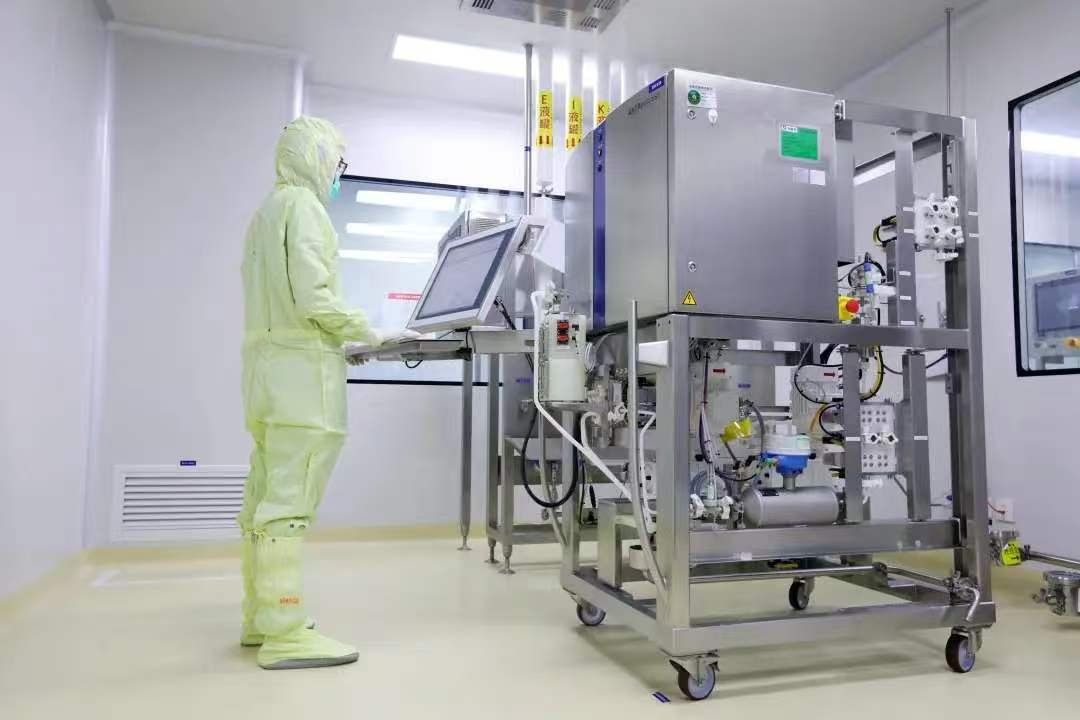
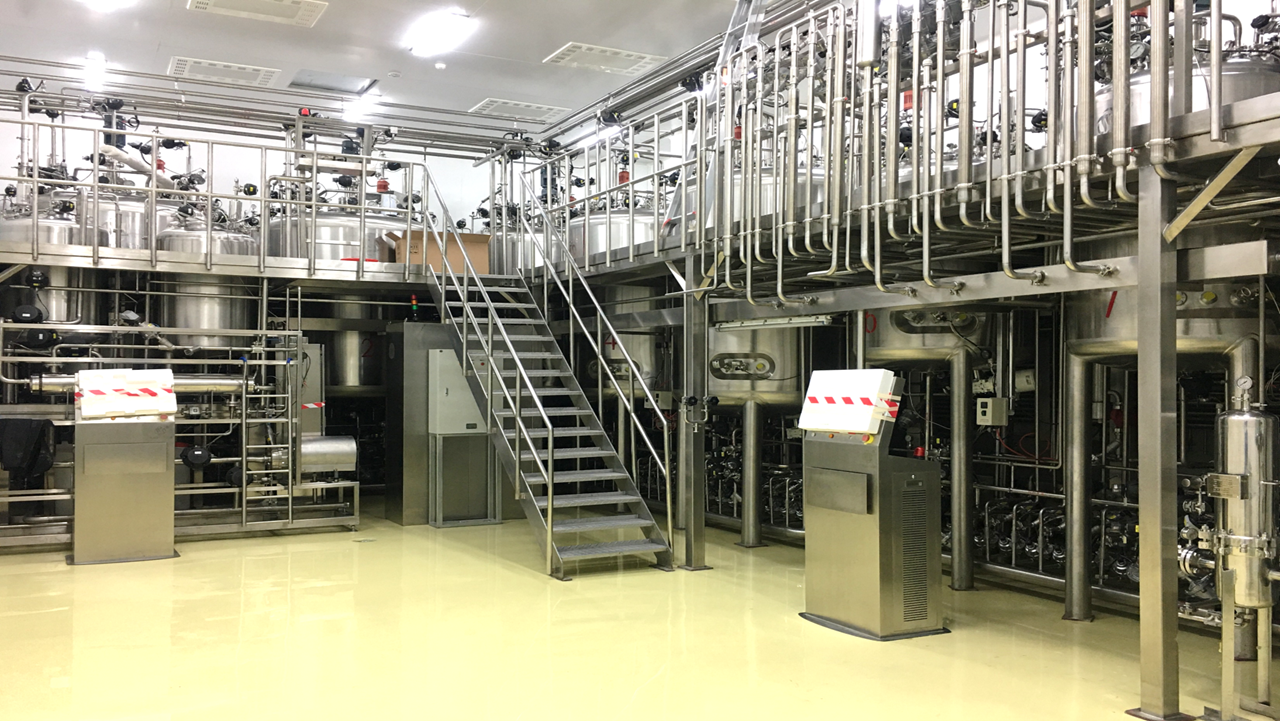
In biopharmaceutical and biotechnological fields, Tangential Flow Filtration (TFF), also referred to as Cross Flow Filtration (CFF), has emerged as a core unit operation in downstream purification processes. Whether for antibody drugs, vaccine development, or gene therapy, efficient concentration and buffer exchange processes are critical to ensuring product quality.
However, designing a successful TFF process is far more than mere “equipment connection”; it is a trade-off among physicochemical properties, time efficiency, and economic costs. This article provides an in-depth analysis of the key factors that must be balanced in TFF process design.
Core Logic: Seeking the Optimal Solution Through Balancing
The essence of TFF process design lies in balancing competing objectives, which are often mutually restrictive in practice. For instance, maximum product recovery cannot always be achieved alongside extreme product concentration. Pursuing an excessively high concentration may require prolonged filtration duration or elevated pressure, which in turn can lead to product loss at the membrane surface and reduced recovery.
Accordingly, the fundamental goal of process development is to identify the optimal balance of performance indicators based on a thorough understanding of feedstock characteristics, while satisfying product stability requirements.
Feed and Product Characteristics: The “Compass” for Process Design
Prior to initiating TFF experiments, an in-depth characterization of the physicochemical properties of the feed stream and target product is essential. The following six critical dimensions determine process success or failure:
Feed stream composition: The complexity of the feed directly dictates the rate of membrane flux decline. Higher levels of impurities (e.g., host cell proteins, nucleic acids, or lipids) elevate the risk of membrane fouling.
Volume and capacity constraints: Process design must accommodate the initial feed volume and achieve the targeted final concentration volume, imposing stringent requirements on system dead volume.
Temperature sensitivity: Temperature directly impacts the viscosity of process fluids. While lower temperatures preserve the activity of certain proteins, they increase viscosity, restricting flow rates and reducing filtration efficiency.
Shear sensitivity: High-speed pumping during TFF recirculation can induce denaturation or aggregation of biological macromolecules. For fragile viral vectors or large-molecular-weight proteins, shear force thresholds must be established to limit recirculation flow rates.
Solubility and localized high concentration: A frequently overlooked pitfall. During filtration, localized concentration at the membrane surface far exceeds that of the bulk solution (concentration polarization). Precipitation or gel layer formation of the product near saturation can cause complete membrane blockage.
Viscosity variation: Viscosity of the retentate increases exponentially as concentration proceeds. System design must ensure pumps and tubing operate reliably under high-viscosity conditions at the final stage of the process.
Time Management: The Core of Process Economics
Time is not only a measure of production efficiency but also critical to product stability. A typical TFF run cycle ranges from 3 to 8 hours, structured as follows:
System preparation phase (approx. 2 hours): Including filter installation, flushing, integrity testing, and equilibration.
Active filtration phase: Duration depends on application type (concentration or diafiltration), membrane area, and flow rate.
Cleaning and storage phase (approx. 2 hours): Including system clean-in-place (CIP), flushing, product recovery, and filter storage in preservation solution.
General recommendation: Excessively long process times (e.g., exceeding 8 hours) not only increase microbial contamination risks but may also cause product degradation due to prolonged exposure to mechanical stress.
Advanced Considerations: How to Elevate Process Quality?
Beyond the basic factors outlined above, high-standard process design must address the following dimensions:
Yield: Maximizing yield is a universal process objective, typically dependent on precise membrane pore size selection and sufficient buffer exchange during diafiltration.
Selectivity and purity: TFF serves not only as a concentration tool but also as an effective impurity removal technique. By optimizing transmembrane pressure (TMP) and flow rates, small-molecular-weight impurities can be efficiently removed or buffer exchange performed, enhancing target product purity.
Long-term filter stability: What is the service life of the membrane under process conditions? Can it be reused multiple times with consistent cleaning efficacy? This directly impacts consumable costs in production.
Integration with downstream processes: TFF often precedes subsequent chromatography or sterile filtration steps. The final conductivity, pH, and concentration of the product must be precisely tailored to meet the requirements of the next unit operation.
Conclusion: Toward an Excellent TFF Process
Designing an optimized tangential flow filtration process is both a science and an art. It requires process engineers to sensitively identify key stability-determining parameters amid a complex array of variables.
When planning your next TFF workflow, consider these three questions:
1. Will my product remain stable when locally concentrated 10-fold at the membrane surface?
2. Where is the point of maximum shear force within the entire recirculation system?
3. How much will production efficiency and product activity improve if the process time is reduced by 2 hours?
As a leading process-oriented engineering company, Sino Bioengineering delivers professional bioengineering solutions and comprehensive technical services to clients worldwide.
For more products and solutions: https://sinobioengg.com/category/solution/
For more service: https://sinobioengg.com/category/service/