

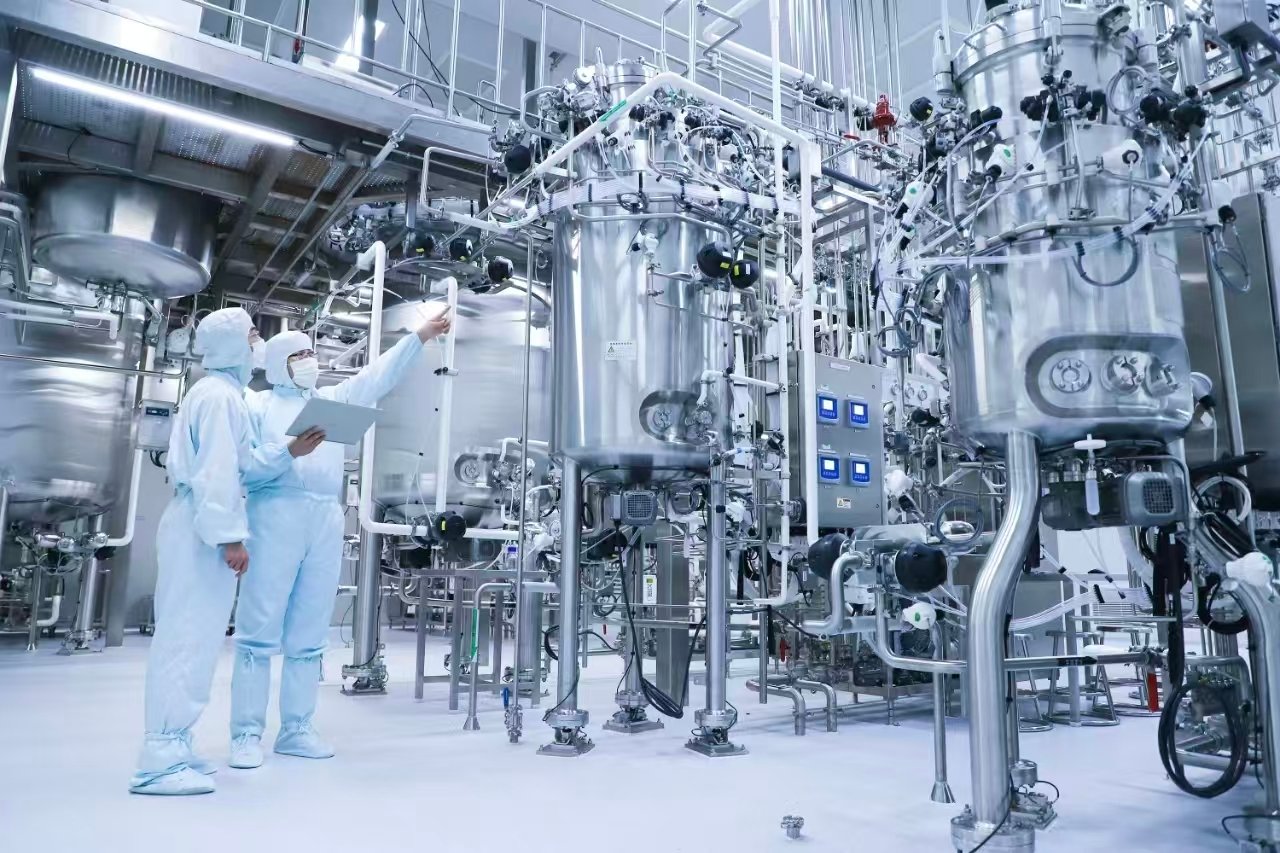
In modern biopharmaceuticals, fermentation serves as a cornerstone for manufacturing diverse therapeutic products owing to its versatility and high efficiency. It enables large-scale production of complex biomolecules with superior adaptability and cost-effectiveness, standing as an indispensable core technology in the industry. Scale-up and scale-down studies occupy a pivotal position in fermentation process development, which decisively facilitates the seamless transition from laboratory-scale trials to commercial manufacturing, and guarantees the efficiency, safety and batch consistency of final products.
1. Fermentation Process Scale-Down
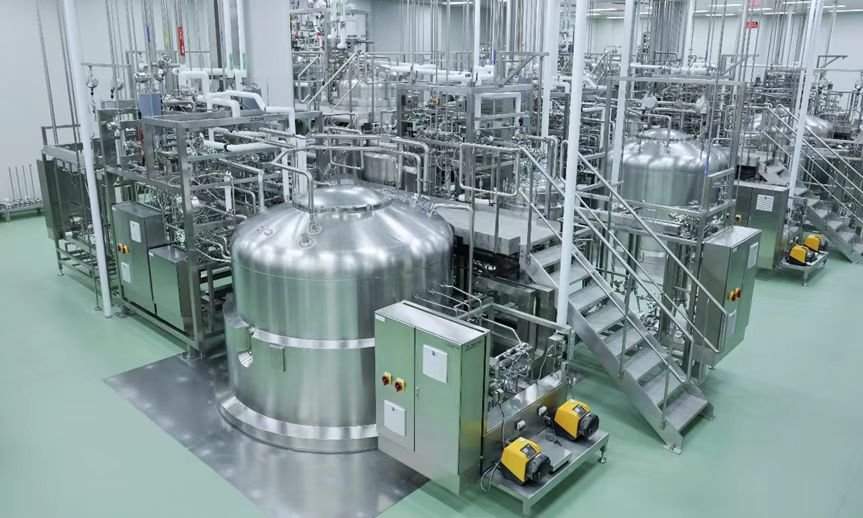
Ideally, conducting fermentation experiments directly at production scale could completely eliminate scale-up-related issues. Nevertheless, this approach is impractical in industrial practice due to prohibitive costs. Large-scale tests consume massive raw materials and energy, and also incur substantial production downtime losses.
Scale-down remains a formidable challenge in industrial fermentation engineering. Experiments in small-scale equipment aim to clarify how process parameters affect operational performance under conditions analogous to full-scale fermenters. Most bioprocesses are developed based on pre-installed full-scale production tanks with long service lifespans. Hence, laboratory-scale research is confined to exploring the maximum volumetric productivity potential. A well-matched scaled-down prototype of commercial fermenters is required to ensure experimental data from small bioreactors correlates authentically with production-scale outcomes.
Small-scale experimental systems deliver irreplaceable fundamental data, supporting cost-efficient process development, precise critical parameter control, smooth technology transfer and accelerated market launch. Meanwhile, they may also become bottlenecks for subsequent industrialization, arousing growing research attention. Relevant studies focus on elucidating engineering principles of small stirring systems, optimizing operational performance and developing novel scaled-down fermentation equipment. Each miniature system possesses unique merits and inherent limitations in cross-scale process development.
Shake flasks are widely adopted to screen fermentation conditions such as cell growth rate and evaluate parameter impacts on preliminary recovery of heterologous proteins. Advancements in non-invasive optical sensing and engineering fundamentals enhance real-time process comprehension and monitoring. Rational scale-up criteria enable reliable process transfer from shaking flasks to stirred bioreactors. Most milliliter-scale stirred fermenters maintain geometric similarity with bench-top reactors, presenting prominent advantages in conventional scale-up strategies based on volumetric power input, tip speed, constant dissolved oxygen tension, volumetric oxygen mass transfer coefficient (kLa) and mixing time.
2. Fermentation Process Scale-Up
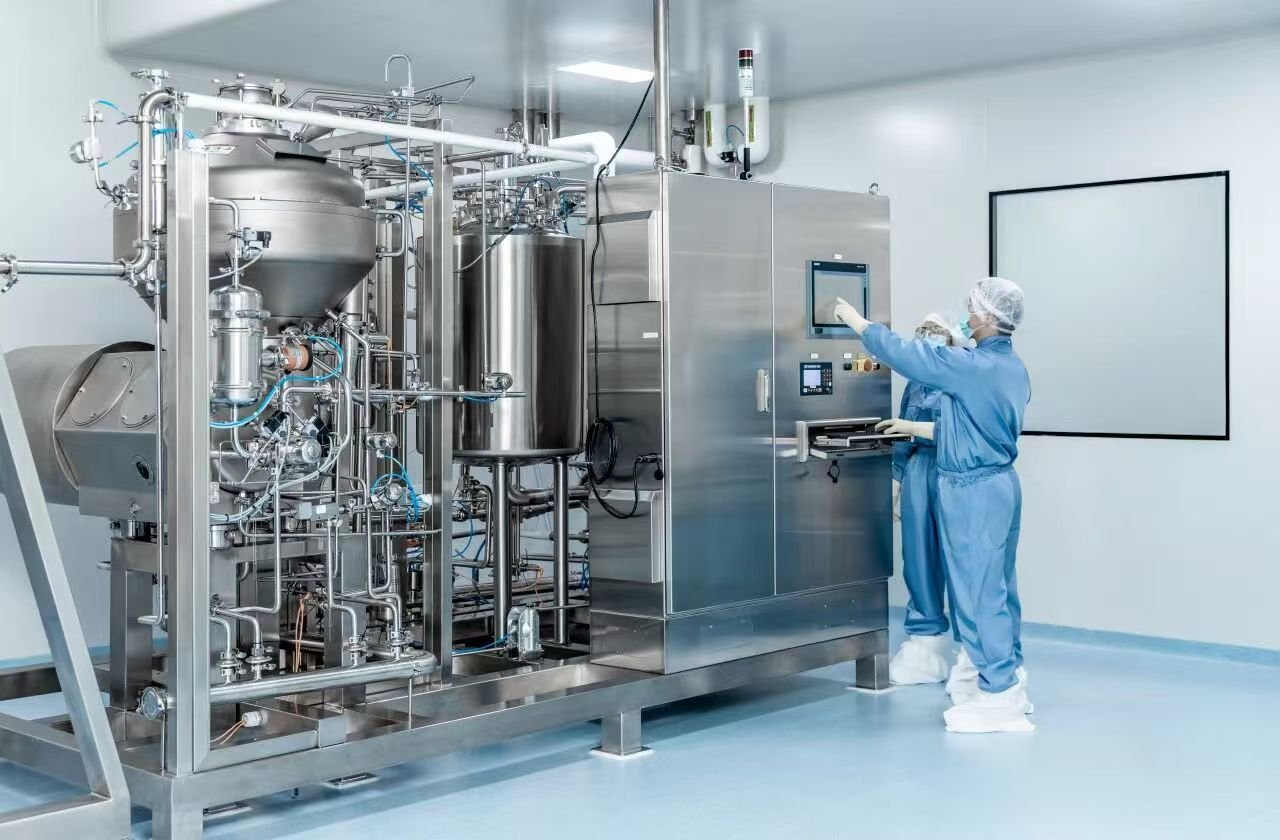
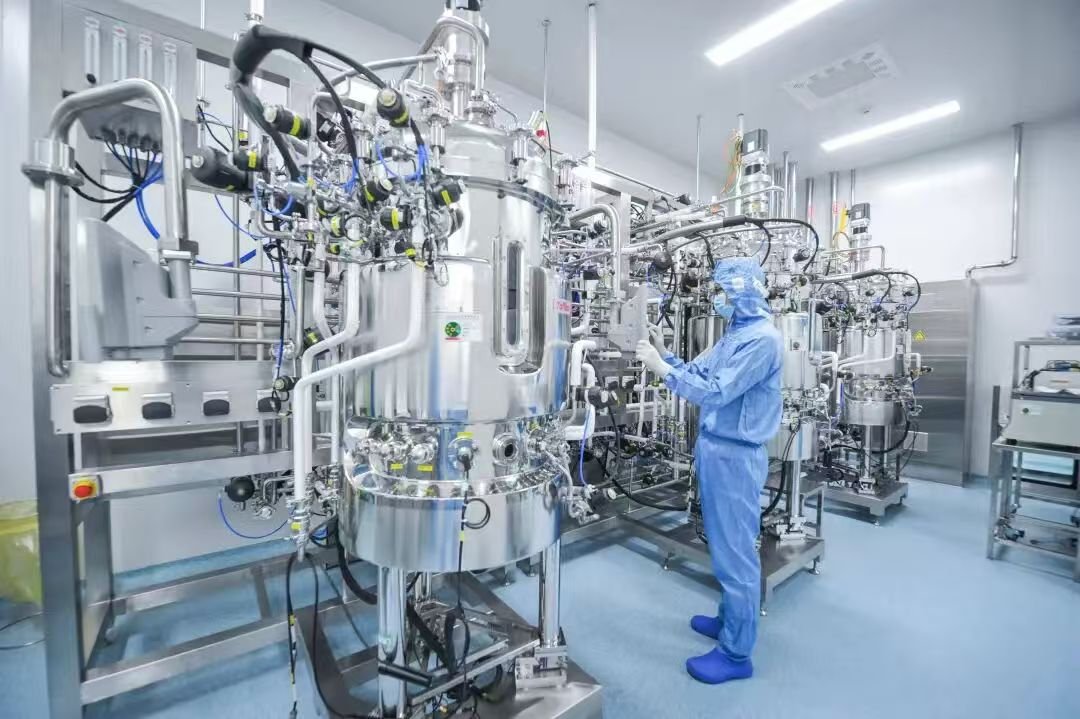
The ultimate objective of scale-up is to convert optimal operational parameters acquired from laboratory and pilot-scale fermenters into high-efficiency manufacturing protocols for commercial tanks, maximizing overall volumetric productivity. Prior to formal scale-up, preliminary preparatory work must be accomplished, including strain screening and modification, medium formulation adjustment and multi-parameter optimization. Parallel micro-cultivation devices are first applied for primary strain selection. Promising candidates are further characterized and subjected to initial parameter optimization in bench-top stirred fermenters ranging from 0.5 L to 20 L, followed by in-depth process refinement at pilot scale.
Laboratory-scale cultivation features flexible feeding strategies and convenient installation of standard monitoring sensors. However, inherent physical discrepancies between lab, pilot and industrial fermenters create obstacles for cross-scale data comparison. Industrial scale-up predominantly adopts empirical iterative methods rather than mathematical modeling or designed experiments. Process parameters are repeatedly verified by comparing pilot test data with production-scale records. Successful scale-up is confirmed when pilot results are stably reproduced in commercial production; otherwise, supplementary pilot trials are conducted to analyze unevaluated parameters causing performance deviations.
Physical disparities across tank scales lead to distinct flow patterns. Broth in laboratory fermenters achieves nearly complete mixing, while large-scale tanks require several minutes to reach 95% homogeneity. Insufficient mixing triggers localized oxygen depletion, alongside gradients of glucose concentration, pH value and temperature. Such heterogeneous cultivation environments profoundly affect biomass accumulation and constitute core concerns in scale-up operations.
Reynolds number distinctly varies among fermenters of different sizes, reflecting divergent flow regimes. Fermenters with identical geometric scaling ratio and equal volumetric power input present turbulent flow at production scale, whereas transitional or laminar flow dominates laboratory vessels. Flow characteristics differences result in varied mass and heat transfer efficiency. Oxygen dissolution and carbon dioxide stripping are particularly critical for cell culture. The volumetric oxygen mass transfer coefficient kLa is regarded as a core scale-up indicator and maintained constant across scales. Other vital parameters encompass oxygen transfer rate (OTR), volumetric power input (P/V) and superficial gas velocity (Vg). It is technically unfeasible to keep all parameters consistent during scale conversion, necessitating reasonable parameter trade-offs. Small-scale fermenters commonly operate at elevated stirring speed to secure high volumetric power density, generating intensified shear force within confined vessels.
3. Mass Transfer
Mass transfer acts as a decisive factor in high-density fermentation systems, governing oxygen and nutrient distribution as well as elimination of toxic metabolites. High biomass concentration is a relative concept defined by microbial species. Mass transfer behavior consists of multiple subprocesses strongly influenced by broth rheology, which is closely correlated with biomass density and microbial morphological characteristics. The intricate interaction of these variables poses major difficulties for process scaling.
Agitation and aeration are indispensable for adequate oxygen supply in fermentation and cell culture. Nevertheless, mechanical stirring may alter microbial morphology and hinder target product synthesis. Shear sensitivity of cultured strains must be taken into account in aerated stirred tank bioreactors. Bacteria and yeast exhibit strong mechanical stress resistance due to their tiny cell size, smaller than Kolmogorov turbulent microscale, so their morphology barely suffers damage from mixing. Despite reduced biomass concentration after scale-up, cell viability tends to improve, attributed to uneven environmental distribution in industrial fermenters. Researchers need to decouple multiple influencing factors, and balance medium gradient distribution, intracellular physiological status, high OTR under low viscosity and efficient protein biosynthesis and secretion under high biomass density.
4. Monitoring and Control
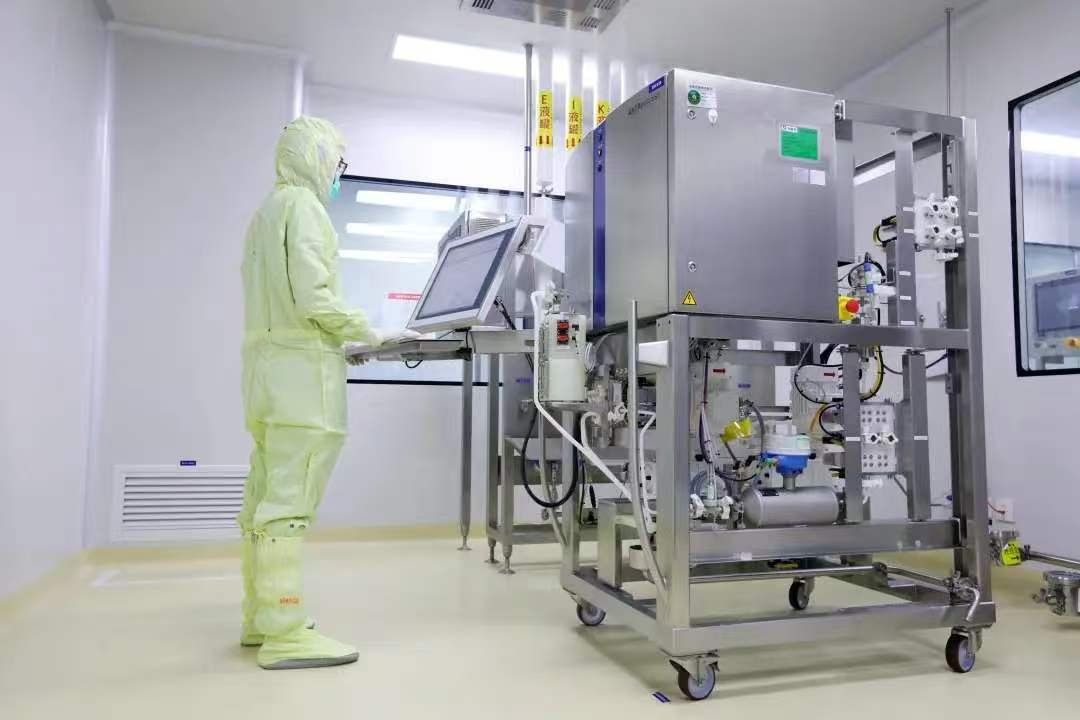
Industrial fermenters are generally equipped with limited fixed-position sensors for pH, dissolved oxygen and temperature. Detected average values fail to fully reflect spatial heterogeneity inside large-volume bioreactors. PID controllers are conventionally used to stabilize monitored variables at set points. Yet conventional control strategies cannot sustain optimal fermentation performance, as preset parameters only fit nominal operating conditions. Disturbances including raw material quality fluctuation, moisture content variation and ambient temperature shift demand dynamic setpoint adjustment for real-time process monitoring and optimization.
Soft sensing technology effectively improves online sensor data quality while complying with GMP regulations. Concurrent computational analysis of acquired signals enhances data reliability and prediction accuracy, providing real-time estimation of key control parameters free from time lag. Serving the frameworks of Quality by Design (QbD) and Process Analytical Technology (PAT), soft sensing realizes continuous in-line process supervision.
Computational Fluid Dynamics (CFD) delivers superior predictive performance with growing accuracy applicable to lab, pilot and commercial fermentation scenarios. Numerical simulation serves as a powerful tool to assess mixing efficiency, mass transfer capacity, shear stress distribution and dead volume. CFD modeling optimizes experimental design and cuts down test workload. Unqualified fermenter geometries and operational modes such as fed-batch protocols can be eliminated in advance via simulation analysis, which also evaluates uneven distribution of biomass, substrate and target products.
As a leading process-oriented engineering company, Sino Bioengineering delivers professional bioengineering solutions and comprehensive technical services to clients worldwide.
For more products and solutions: https://sinobioengg.com/category/solution/
For more service: https://sinobioengg.com/category/service/