
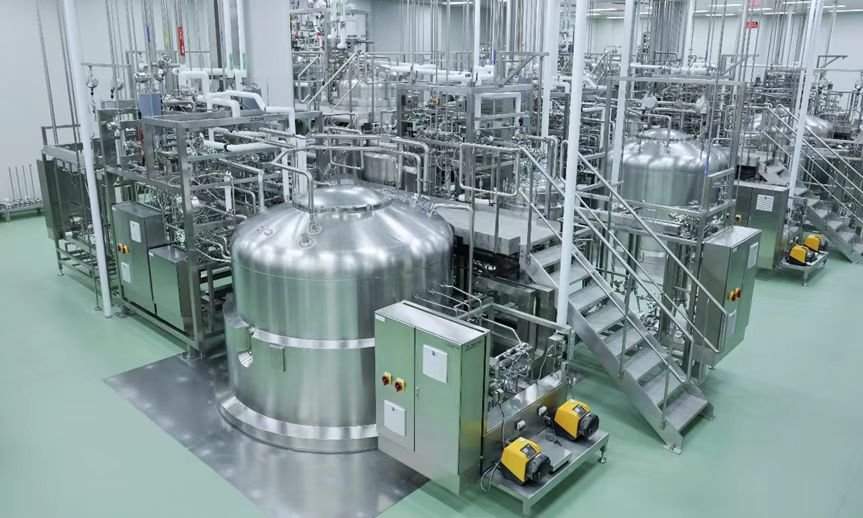

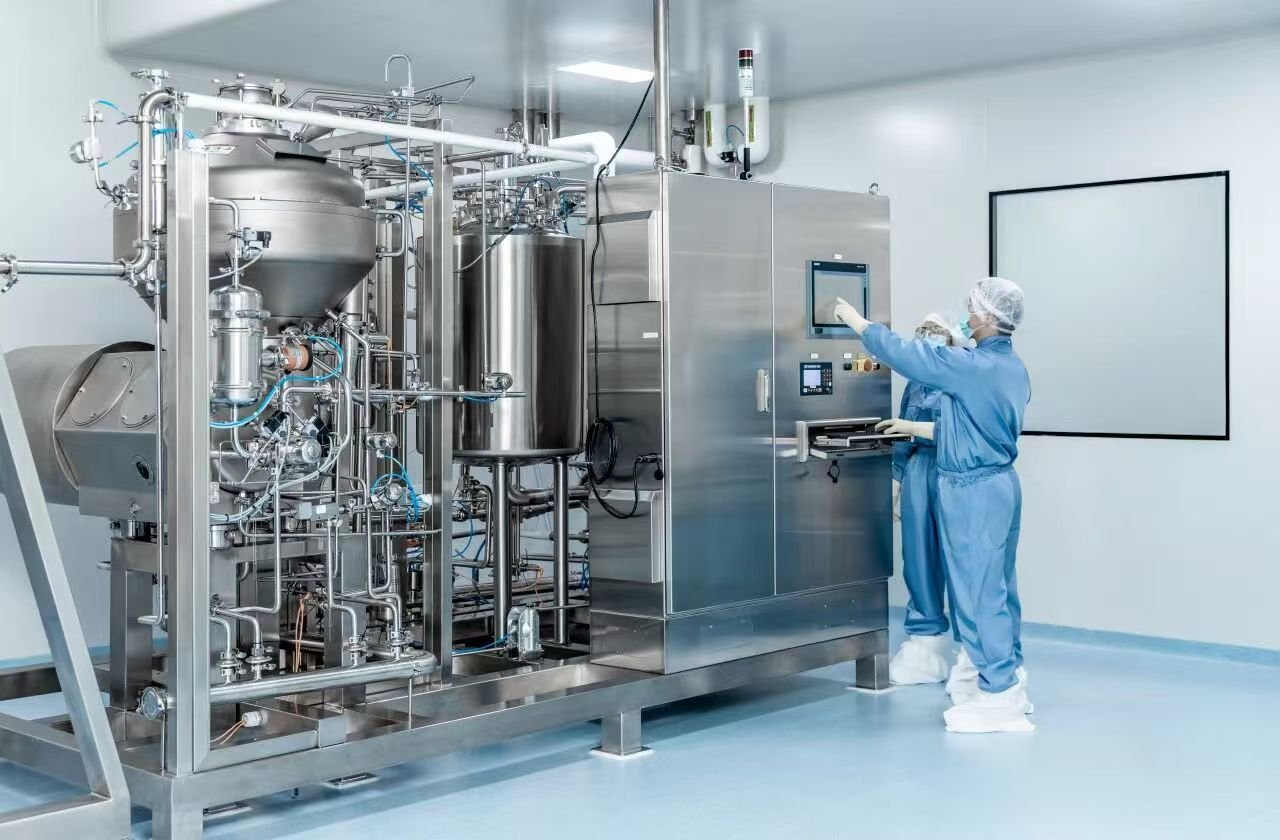
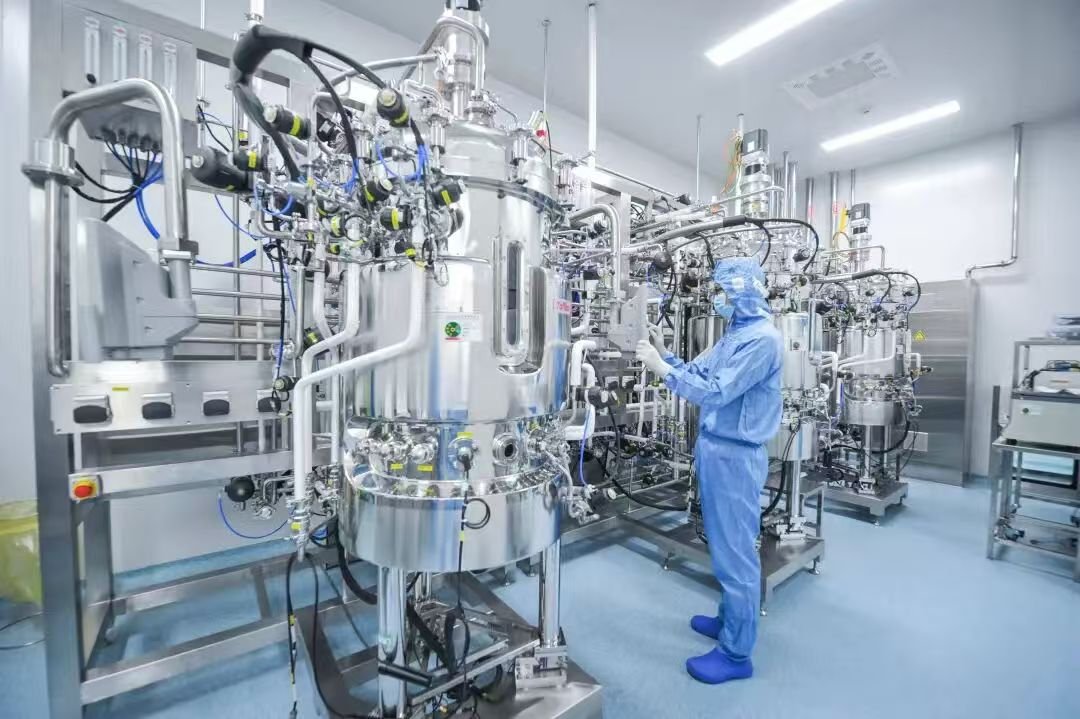
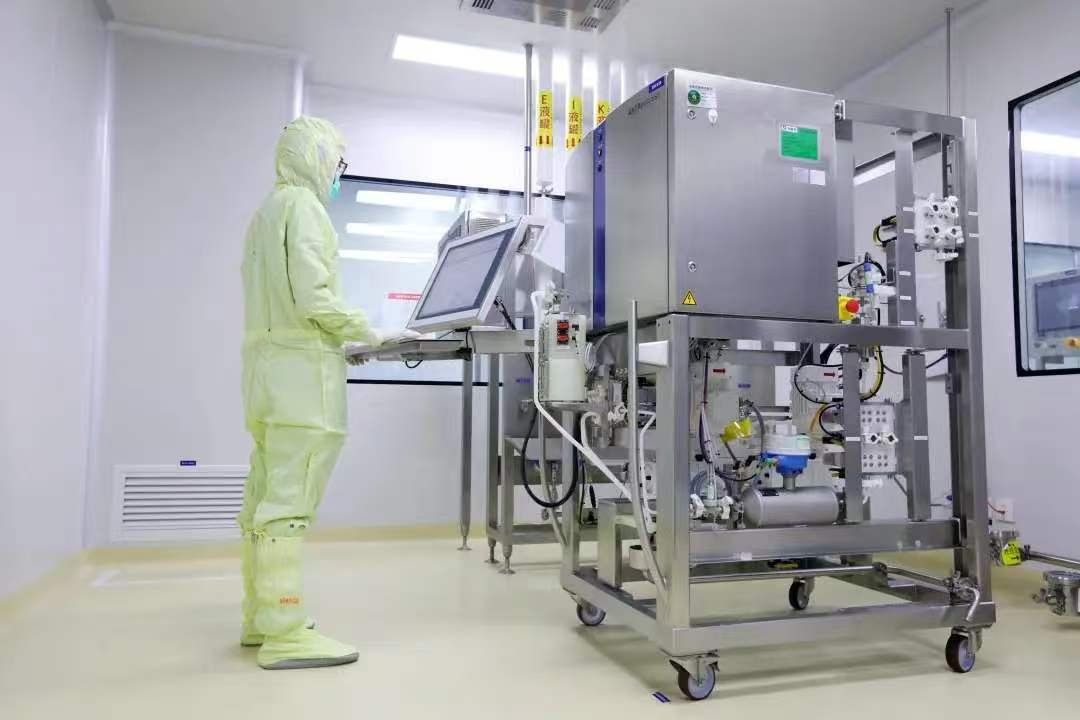
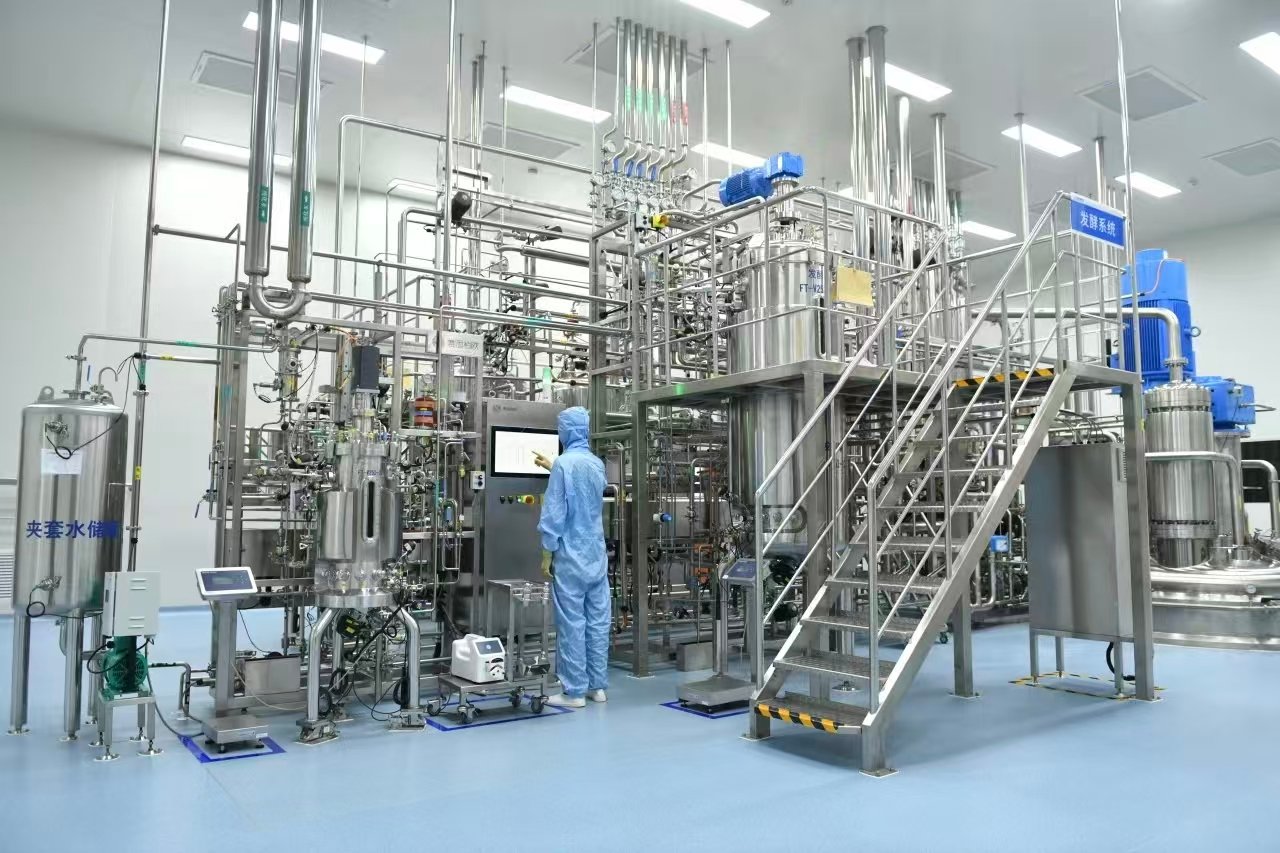
Monoclonal antibodies (mAbs) are predominantly produced using Chinese hamster ovary (CHO) cells in large-scale bioreactors. Process development commences at small scales including shake flasks and micro-bioreactors, proceeds through bench-top bioreactors and pilot-scale platforms, and ultimately transitions to commercial-scale production bioreactors. Seamless scale translation across these scales poses substantial challenges. Operational parameters must be rigorously selected to guarantee efficient gas transfer, homogeneous culture broth distribution, minimal hydrodynamic shear stress on cells, and consistent cell culture performance throughout scale-up. Agitation and aeration are recognized as dominant factors governing culture performance during scale expansion. Constant power input per unit volume (P/V), volumetric oxygen mass transfer coefficient (kLa), volume gas flow rate per minute (vvm) and constant impeller tip speed serve as prevailing scale-up criteria, each carrying distinct practical implications and inherent limitations.
Prior to establishing upstream biomanufacturing processes, cultivation parameters are optimized at laboratory scale to maximize product yield while maintaining desirable quality attributes. Optimizable parameters cover physical, chemical and biological categories. Physical parameters encompass temperature, gas flow rate and agitation speed. Chemical parameters include dissolved oxygen, dissolved carbon dioxide, pH, osmolality and metabolite concentrations involving substrates, amino acids and metabolic waste products. Biological parameters reflect physiological status of cultures, comprising viable cell density, cell viability and intracellular/extracellular biomarkers such as NADH, LDH level, mitochondrial activity and cell cycle profiles. Deviations from optimal microenvironmental conditions severely compromise cultivation efficiency, productivity and product quality. Conventional stirred-tank bioreactors are equipped with integrated control systems for temperature, pressure, agitation, pH and dissolved oxygen regulation.
Protein structural complexity manifested by isoform diversity and micro-heterogeneity renders cell culture processes highly influential on product titer and quality, particularly concerning glycosylation patterns, post-translational modifications and impurity profiles. Comprehensive optimization and characterization of bioreactor operational parameters are essential to enhance process robustness and clarify correlations between process variables and final product quality. Growing research and technological innovation in this field are also driven by industrial advancement of Process Analytical Technology (PAT). PAT constitutes a systematic framework for process design, analysis and control. It enables real-time monitoring of raw materials, intermediate substances and critical process performance attributes to secure final product conformity, and facilitates in-depth process understanding by elucidating relationships between operational parameters, process reproducibility, cultivation behavior and product quality characteristics.
The core objective of cross-scale bioreactor operation is to sustain stable cellular microenvironments for equivalent cell growth, metabolism, productivity and product quality. Process parameters are categorized into scale-independent variables and volume-scalable variables. Dissolved oxygen (DO) control stands among the most difficult-to-scale parameters, jointly modulated by agitation intensity, sparging configuration and oxygen-air mixture flow rates. DO regulation further impacts carbon dioxide stripping efficiency and interacts dynamically with pH homeostasis. DO is conventionally maintained at 20% to 50% air saturation to avoid oxygen limitation that triggers excessive lactate accumulation, while hyperoxia is restricted due to cytotoxic risks. Studies indicate decreased DO level correlates with reduced N-glycosylation of monoclonal antibodies. Dissolved carbon dioxide represents another critical variable; its excessive accumulation induces cellular inhibition and deteriorates product quality. Matching carbon dioxide removal performance across scales is achievable via rational design of sparging systems, agitation speed and gas distribution strategies.
pH exerts profound impacts on cell proliferation and metabolic activity, with merely 0.1-unit deviation altering glucose consumption and lactate generation kinetics. Cell culture media commonly adopt sodium bicarbonate as buffering agent, and precise pH modulation is realized through synergistic adjustment of carbon dioxide aeration for pH reduction and alkaline supplementation for pH elevation. Cells favor relatively higher pH during exponential growth phase. Lactate buildup exceeding buffering capacity causes spontaneous pH decline, which triggers alkali dosing and subsequent osmolality elevation. Cell lines prone to overproducing lactate face elevated risks of growth retardation and accelerated apoptosis under combined high pH, lactate and osmolality conditions. Lactate synthesis diminishes or reverses to consumption upon growth arrest, accompanied by pH elevation counterbalanced by carbon dioxide regulation. Consequently, pH setpoint and control strategy are tightly correlated with dissolved carbon dioxide concentration, alkali consumption and medium osmolality. Balanced pH management constitutes a pivotal consideration in process optimization to harmonize cell growth, lactate metabolism, osmotic pressure and carbon dioxide dynamics.
Optimal osmolality for most mammalian cell culture media ranges from 270 to 330 mOsm/kg, quantified via freezing-point osmometry. Osmotic effects exhibit cell-line specificity; elevated osmolality suppresses cell proliferation and modulates specific productivity. Detrimental effects are amplified when coupled with high dissolved carbon dioxide concentration prevalent in high-density cultivation. Maintaining moderate osmolality is recommended especially in late-stage cultivation. Nevertheless, hyperosmotic culture conditions are strategically applied in certain scenarios to enhance specific productivity despite compromised cell growth.
Culture metabolites including glucose, lactate, glutamine and glutamate are routinely quantified offline using enzymatic biosensors. Such measurements underpin fed-batch feeding strategies to sustain sufficient substrate availability and support process refinement for mitigating toxic byproduct formation.
Viable cell density and viability assays are fundamental to cell culture process development, enabling physiological profile characterization, growth kinetic calculation, specific metabolic consumption/production rate evaluation and specific productivity determination. Trypan blue exclusion assay serves as the mainstream quantification method, based on the selective dye exclusion capability of intact viable cell membranes, while dead cells are stained blue. Automated analytical systems integrated with image analysis technology are widely deployed for high-throughput cell counting.
Upon laboratory-scale process validation, established cultivation performance indicators shall be preserved throughout scale-up workflows. Commercial-scale mammalian cell manufacturing consists of sequential unit operations including seed expansion, inoculum cultivation and production bioreactor run. Each stage features predefined critical performance indicators covering cell growth, viability, product titer and quality specifications. Successful process scale-up is validated by consistent compliance of key process indices and product quality attributes with benchmark criteria.
Mammalian cells possess high susceptibility to physicochemical variations, creating inherent obstacles for scale translation. Scaling up high-density cultivation encounters notable challenges in oxygen supply and carbon dioxide elimination, demanding meticulous tuning of comprehensive bioreactor operational parameters. Process variables are classified into volume-dependent parameters such as working volume, feeding volume, agitation and aeration, and scale-independent parameters including pH, dissolved oxygen and temperature. The fundamental scale-up principle maintains constant setpoints for scale-independent parameters while proportionally adjusting volume-dependent parameters. Non-linear scaling effects inevitably arise from disparities in bioreactor geometry, surface-to-volume ratio, aeration mode and control precision, restricting straightforward linear parameter translation.
Agitation and aeration serve as two core determinants for equivalent cross-scale process performance. Agitation intensity is regulated to ensure homogeneous mixing and efficient oxygen mass transfer, typically normalized by consistent volumetric power dissipation. Aeration manipulation balances oxygen supplementation and excess carbon dioxide stripping. Carbon dioxide removal efficiency is governed by bicarbonate concentration, aeration and agitation rate, bubble size distribution and impeller configuration. Laboratory-scale bioreactors feature broad operational flexibility with adequate mixing under low agitation intensity and superior carbon dioxide stripping efficiency attributed to large surface-to-volume ratio. Large-scale bioreactors require prudent parameter optimization, as elevated impeller tip speed intensifies hydrodynamic shear stress and increased cultivation volume tends to cause carbon dioxide accumulation.
Additional prevalent pitfalls during cell culture scale-up involve raw material batch variation, inconsistent medium preparation, medium stability maintenance and long-term cell line genetic stability. These potential risks can be identified and assessed using scale-down models. Qualified scale-down systems recapitulate large-scale cultivation performance at reduced volume, facilitating troubleshooting of unexpected operational deviations. Beyond production scale simulation, scale-down models support process characterization and validation experiments to define acceptable operational ranges and identify critical process parameters.
As a leading process-oriented engineering company, Sino Bioengineering delivers professional bioengineering solutions and comprehensive technical services to clients worldwide.
For more products and solutions: https://sinobioengg.com/category/solution/
For more service: https://sinobioengg.com/category/service/