
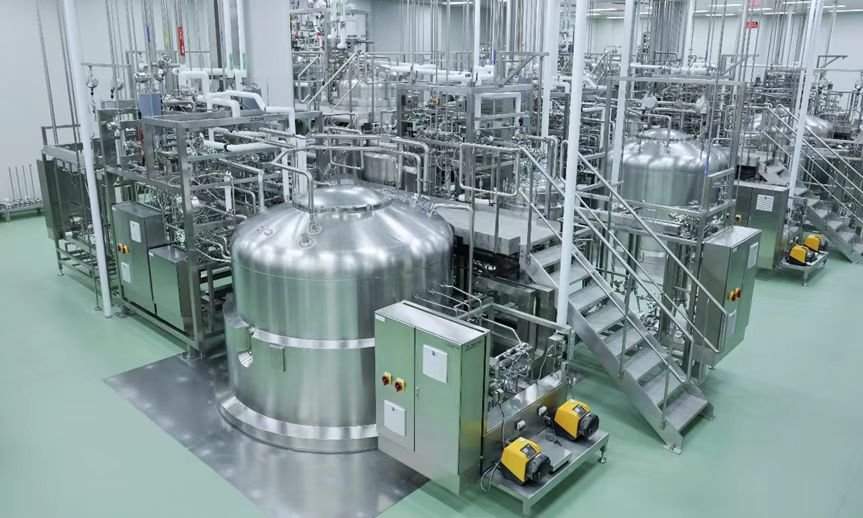

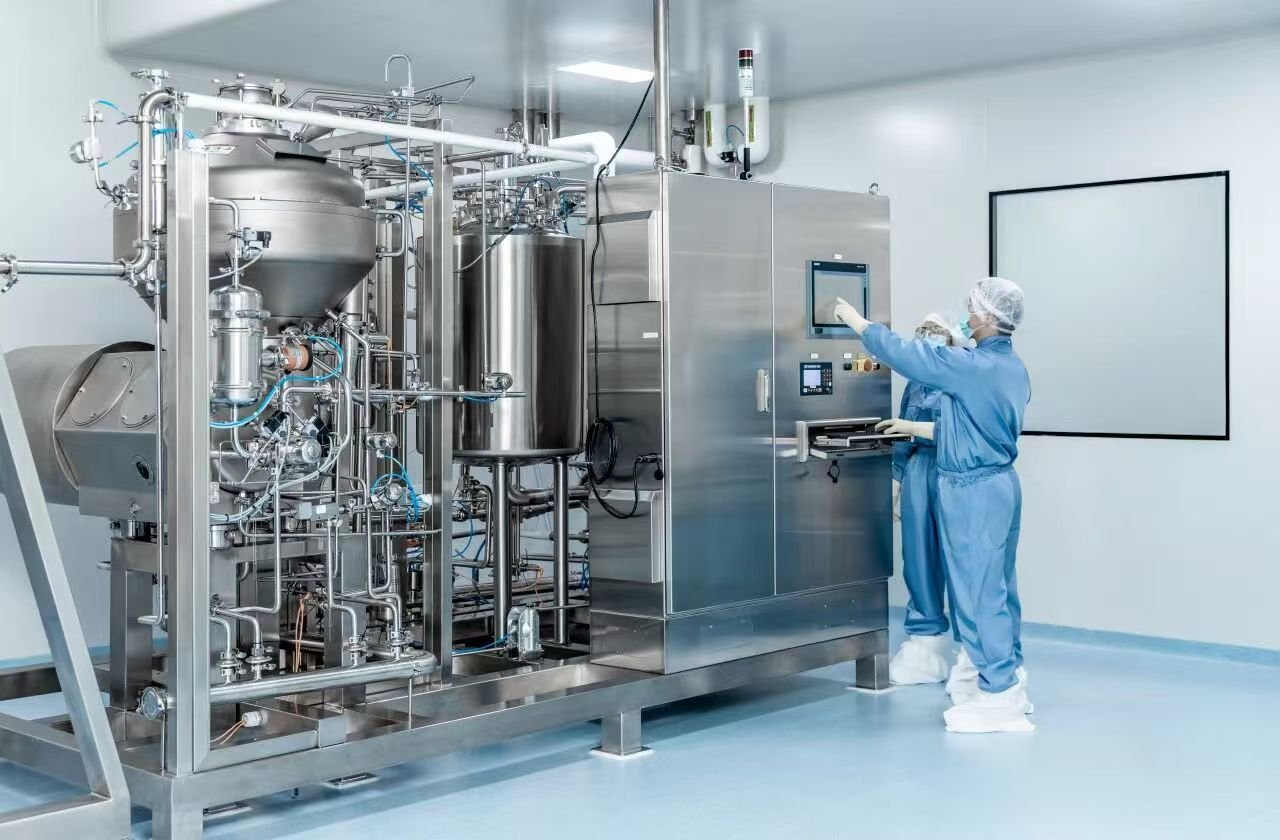
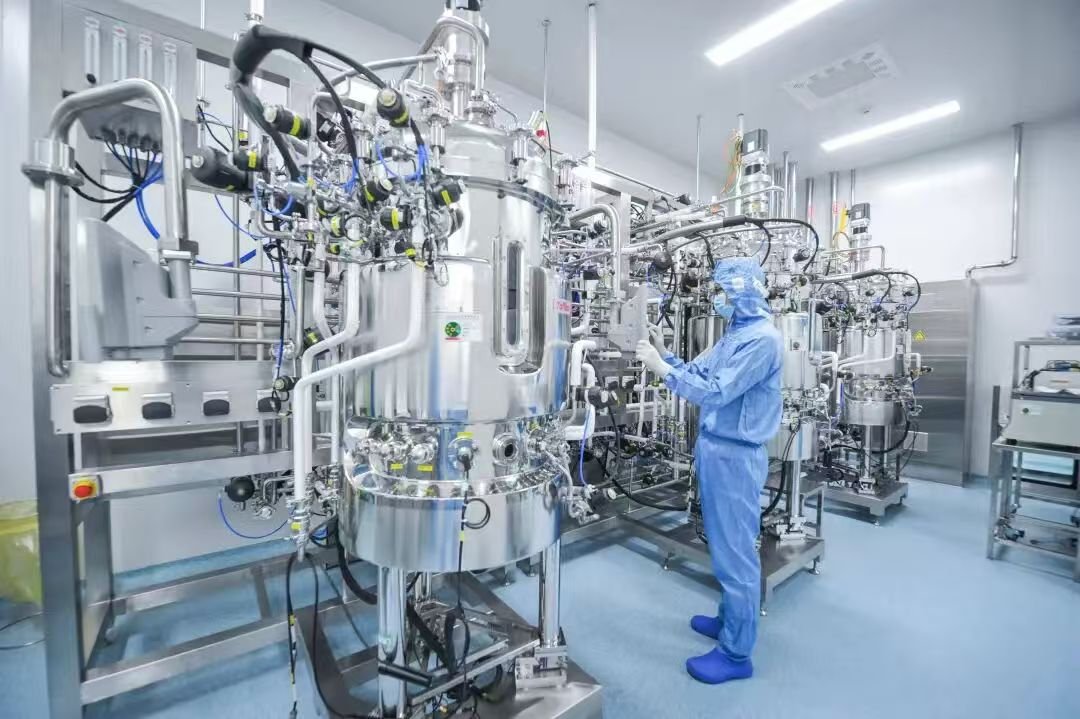
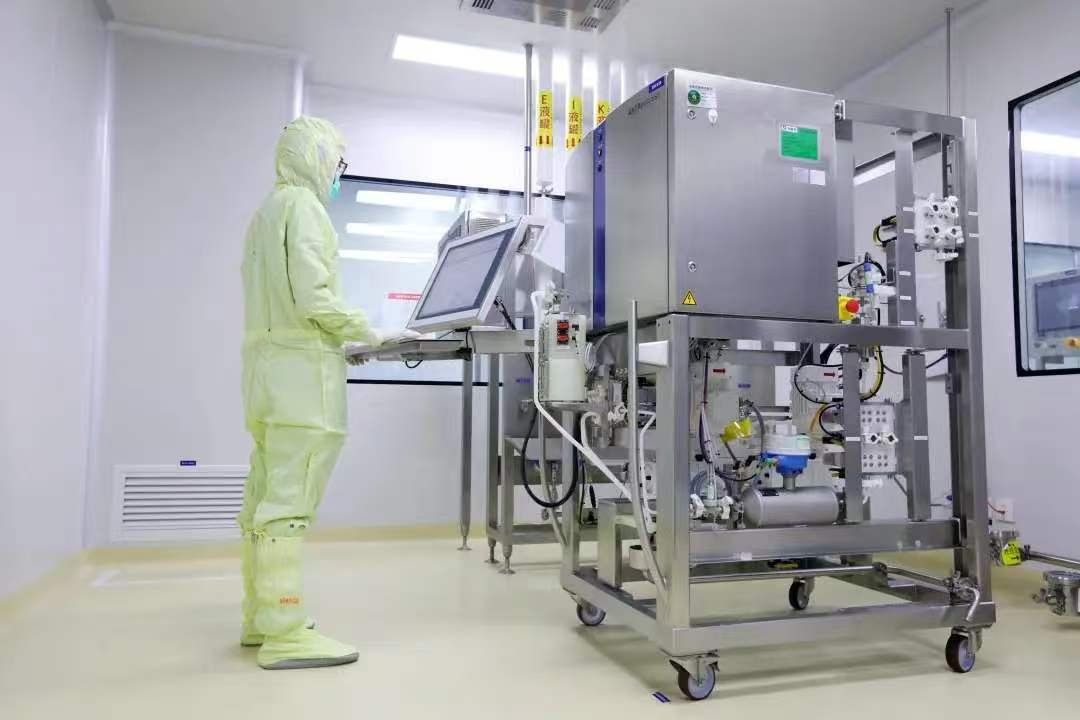
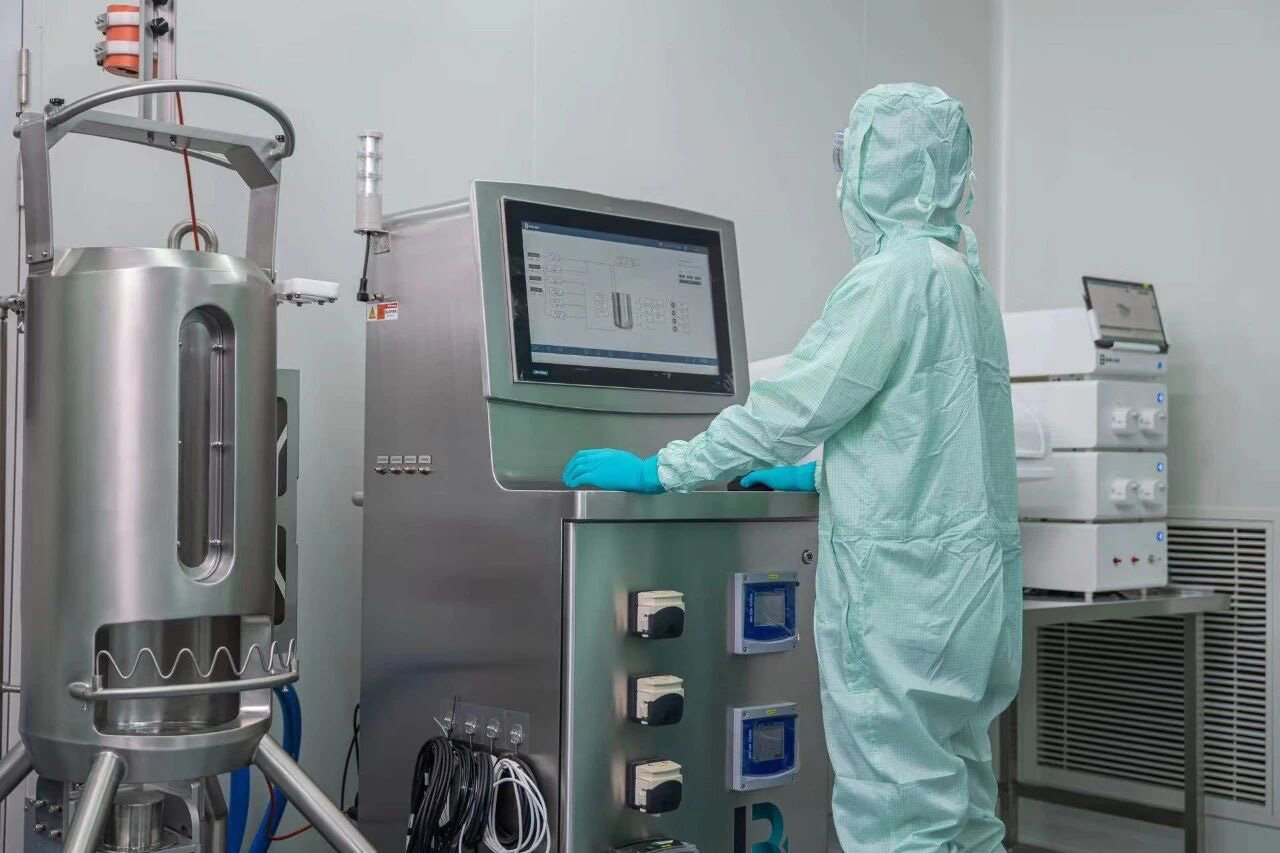
Inside the clean workshops of biopharmaceutical manufacturing, rows of cylindrical Single-Use Bioreactors (SUBs) operate silently. Unlike traditional stainless steel bioreactors, these “cell factories” constructed from multi-layer polymer films witness carbon dioxide (CO₂) participating in cellular life activities in an unprecedented manner. Far more than merely an environmental regulator, CO₂ acts as a metabolic architect throughout the entire process of cell culture.
1. Technological Revolution: A New Paradigm of CO₂ Control in Single-Use Bioreactors
The core breakthrough of single-use bioreactors lies in advancing oxygen mass transfer efficiency and process flexibility to new heights:
Gas permeability of membrane materials: Bioreactor bags adopt three-layer co-extruded membranes (e.g., PE-EVOH-PP). Their CO₂ permeability ranges from 2.5−4.0×10⁻¹⁰ mol/(m⋅s⋅Pa), significantly higher than that of stainless steel vessels. Precise control of internal and external bag pressure differentials is required to prevent imbalance in gas exchange.
Dynamic mixing systems: Rocking-type bioreactors achieve surface aeration via orbital rocking, while airlift bioreactors realize circulation through bottom sparging. Both regulate dissolved CO₂ via the partial pressure gradient of CO₂ at the gas-liquid interface.
In-situ sensor technology: Disposable optical pH sensors adopt fluorescent dyes to monitor dissolved CO₂ concentration in real time with a precision of ±0.05 pH units, eliminating the lag caused by traditional sampling methods.
2. Three Core Mechanisms of CO₂ Regulation
2.1 Precise Guardian of pH Homeostasis
In 500 L-scale SUBs, the buffer system composed of CO₂ and NaHCO₃ faces unprecedented challenges:
High cell density dilemma: When the density of CHO cells exceeds 2×10⁷ cells/mL, the metabolic CO₂ production rate reaches 0.15 mmol/(L⋅h), five times the basal level.
Intelligent feedback control: The dissolved CO₂ probe dynamically adjusts the intake gas ratio (e.g., reducing CO₂/N₂ mixture from 5% to 3%) to maintain pH within a narrow fluctuation range of 7.0±0.1.
Carbonate crisis prevention: In mRNA vaccine production, pH below 6.8 triggers aggregation of lipid nanoparticles. Reducing CO₂ partial pressure lowers the non-conformity rate from 12% to 0.7%.
2.2 Invisible Conductor of Cellular Metabolism
CO₂ concentration directly modulates energy metabolic pathways and further impacts product expression:
TCA cycle rebalancing: In HEK293 cell culture, elevating dissolved CO₂ from 40 mmHg to 80 mmHg triples citrate synthase activity and enhances antibody glycosylation.
Lactic acid metabolism reversal: Controlling CO₂ partial pressure within 30–50 mmHg during CAR-T cell culture increases lactic acid consumption by 60% and boosts maximum viable cell density by 45%.
Alleviation of hypoxic stress: A 10% CO₂ culture environment reduces HIF-1α expression by 70% in stem cell microcarrier culture, preserving multipotent differentiation potential.
2.3 Molecular Sculptor of Product Quality
CO₂ shapes the Critical Quality Attributes (CQAs) of biopharmaceuticals by modulating the cellular microenvironment:
Dissolved CO₂ concentration → Glycosidase activity → Monoclonal antibody half-life
Dissolved CO₂ concentration → Protein folding efficiency → Fusion protein aggregation level
Dissolved CO₂ concentration → Exosome secretion → Stem cell exosome yield
3. Cutting-Edge Applications: From Gene Therapy to Cultivated Meat Manufacturing
3.1 Large-Scale Production of Viral Vectors
CO₂ regulation has become the key to breaking production bottlenecks in Adeno-Associated Virus (AAV) manufacturing:
Transfection phase: A 5% CO₂ environment maintains high transfection efficiency (>85%) of HEK293 cells.
Packaging phase: Temporary elevation to 8% CO₂ enhances the structural integrity of viral capsid assembly.
Harvest phase: Reduction to 4% CO₂ lowers empty capsid rate; a gene therapy enterprise has achieved a 3.2-fold increase in functional viral titer via this strategy.
3.2 Industrialization of Cultivated Meat
CO₂ undertakes unique functions in large-scale culture of muscle stem cells:
Myofiber differentiation: A 10% CO₂ environment upregulates Myosin Heavy Chain (MyHC) expression by 220%.
Adipose regulation: Alternating cyclic stimulation with 5%/15% CO₂ successfully induces adipogenesis, solving the texture challenge of cultivated meat.
Metabolic waste recycling: An innovative strategy converts cell respired CO₂ into bicarbonate buffer, enabling closed-loop circulation of the culture system.
3.3 High-Efficiency Exosome Harvesting
A novel separation technology is developed based on the CO₂ concentration gradient:
An axial CO₂ gradient (50 mmHg at the top → 150 mmHg at the bottom) is established in perfusion-mode SUBs.
Exosomes are enriched at the isoelectric point (pH 4.5–5.5), achieving a harvest rate of 82%.
Compared with ultracentrifugation, this method delivers 4-fold higher purity while preserving exosome membrane integrity.
4. Technical Challenges and Solutions
Pain Point: Uneven CO₂ Distribution
In 2000 L large-scale single-use bioreactors, the CO₂ concentration gradient can reach up to 35%.
Solutions & Application Cases:
Computational Fluid Dynamics (CFD) simulation: Optimize gas distributor design to reduce the coefficient of variation of CO₂ concentration below 8%.
Pulsed aeration strategy: Adopt 10-second high-flow aeration every 15 minutes to eliminate local CO₂ accumulation.
Magnetic levitation stirring system: The seal-free mechanical design enables gentle mixing with shear force controlled below 1 Pa.
Conclusion
CO₂ serves as an essential substrate and metabolic product in the central metabolic pathway of mammalian cells. Its concentration influences cell growth, metabolism, protein titer and product quality through independent and coupled effects with pH, bicarbonate ions and osmotic pressure.
Changes in CO₂ levels during cell culture are intuitively reflected by pH variation. Effective pH monitoring can mitigate the impact of partial pressure of carbon dioxide (pCO₂) on cell culture to a certain extent, and real-time tracking of pH dynamics facilitates optimal regulation of pCO₂ fluctuations.
As a leading process-oriented engineering company, Sino Bioengineering delivers professional bioengineering solutions and comprehensive technical services to clients worldwide.
For more products and solutions: https://sinobioengg.com/category/solution/
For more service: https://sinobioengg.com/category/service/