

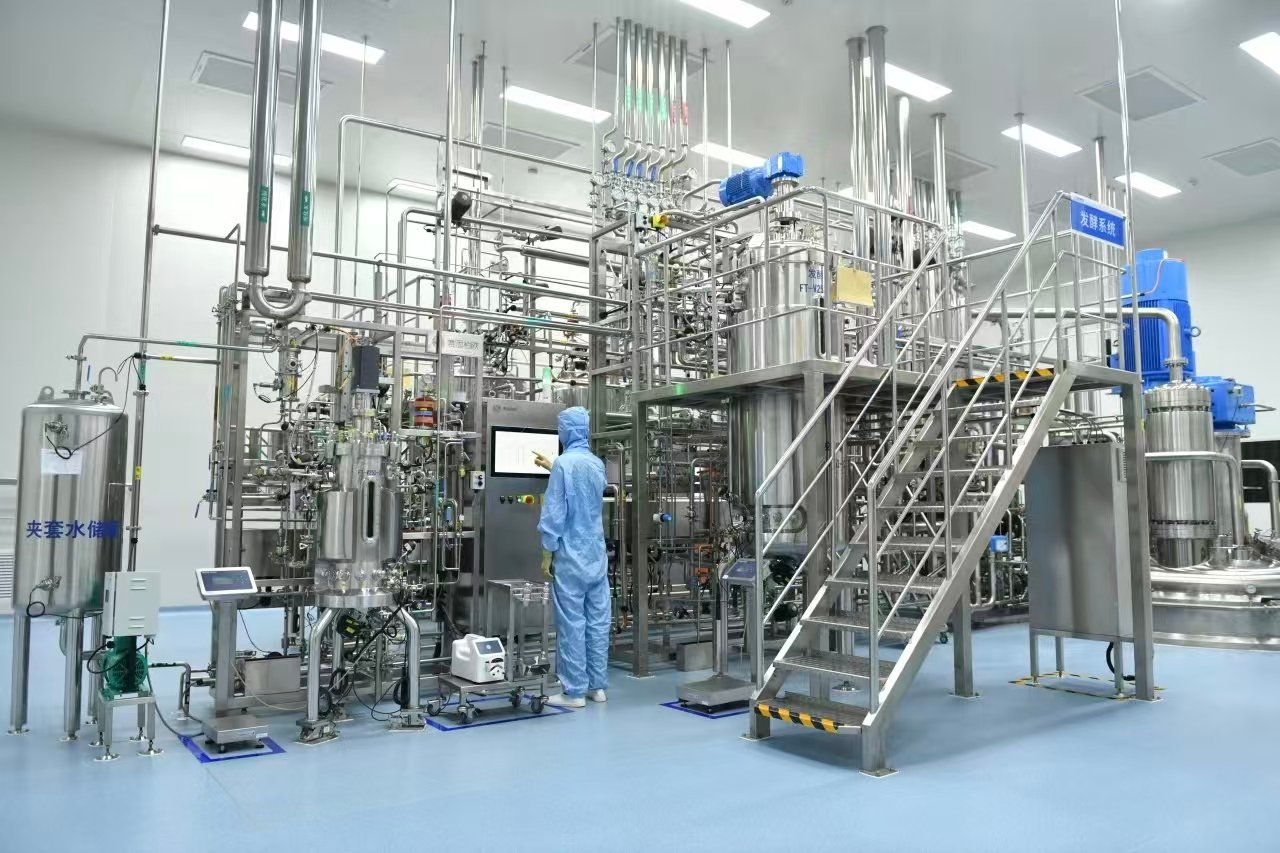
Biopharma greenfield construction, production line upgrading and process expansion projects feature high capital investment, multi-disciplinary complexity and strict GMP compliance requirements. For most investment and project management teams, budget overruns and mid-project stagnation are the biggest hidden risks. Many biopharma projects obtain initial approval based on rough, generalized cost estimates, only to face fund shortages, suspended construction and delayed launch schedules during mid and late execution stages.
The core cause of failed budget control lies in vague early-stage assessment and inaccurate cost forecasting. Without systematic and detailed pre-project evaluation, hidden engineering demands, GMP compliance upgrades and supporting facility costs are easily omitted from preliminary budgets. This article analyzes the budget pitfalls prevalent in biopharma project initiation and reveals how standardized feasibility research and transparent refined budget frameworks help enterprises achieve one-time project approval and full-cycle budget controllability.
1. Core Risks of Vague Early-Stage Budget Estimation
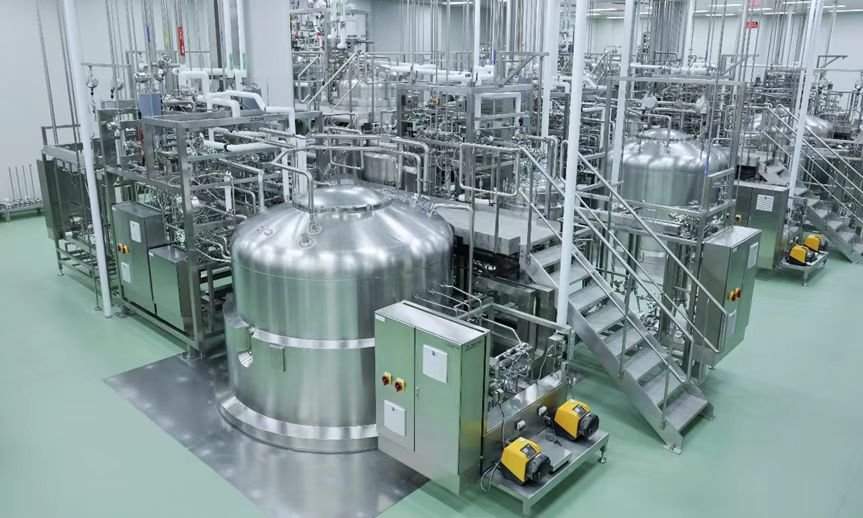
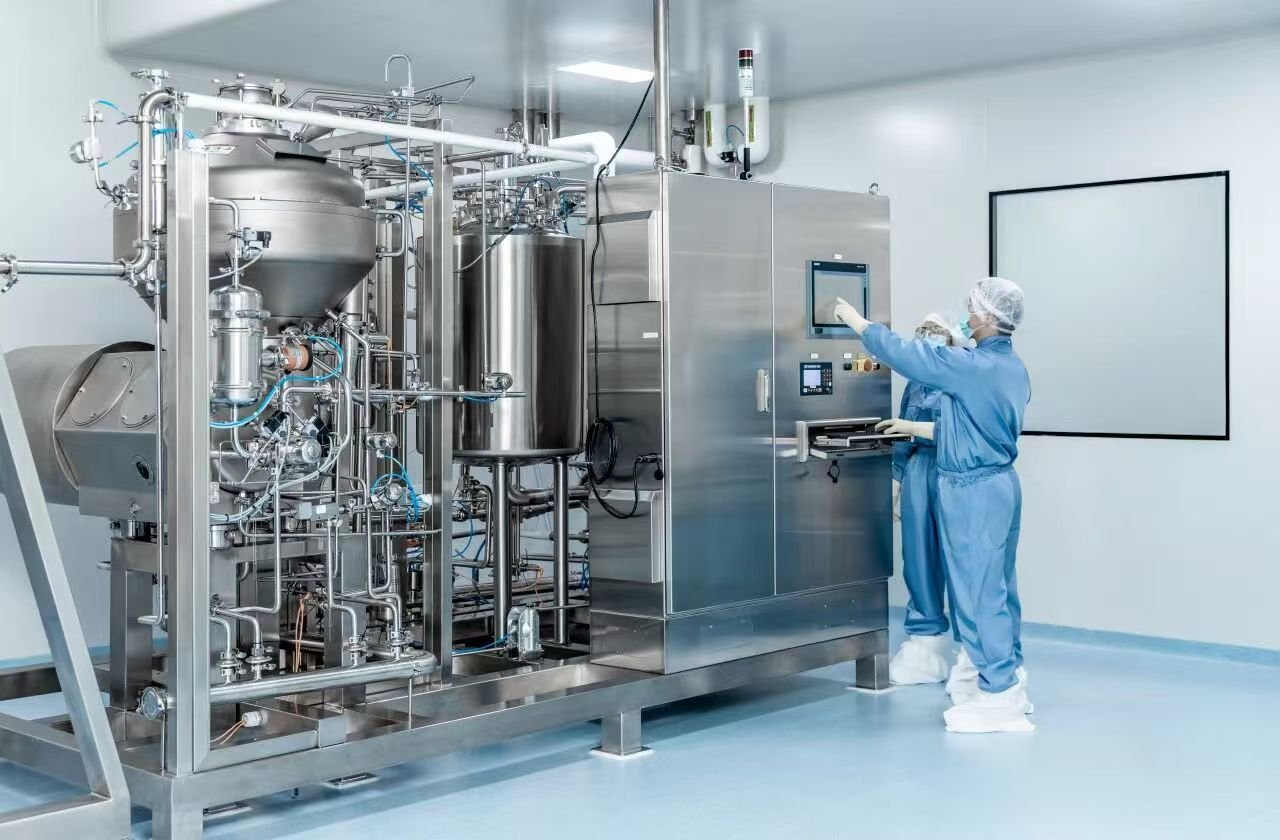
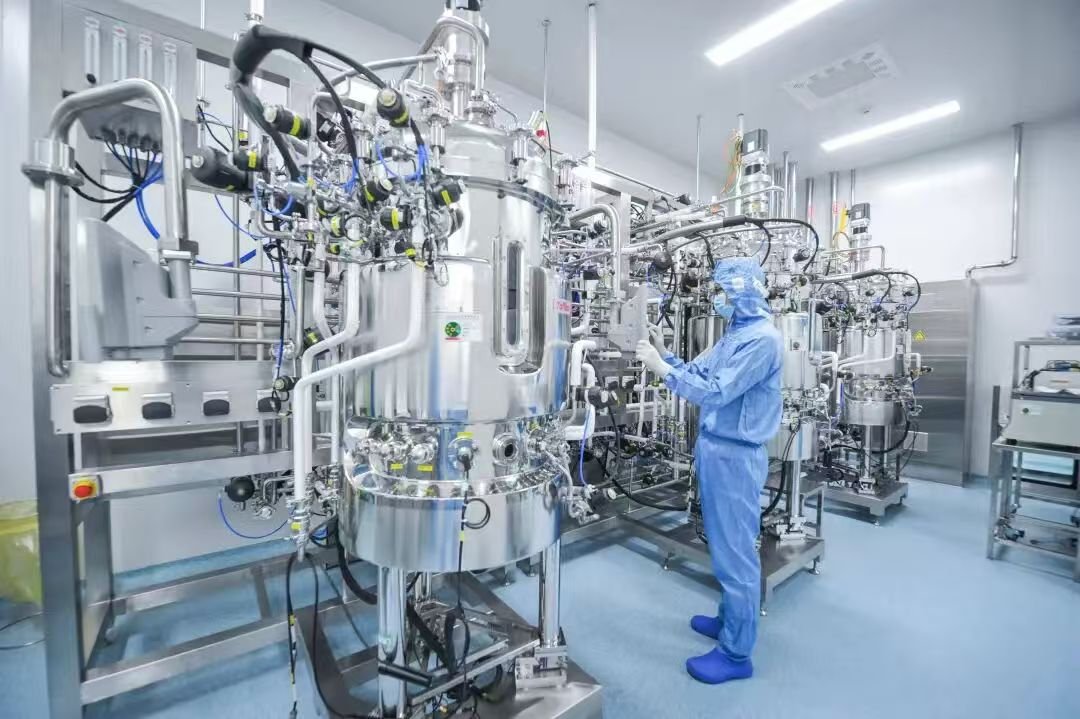
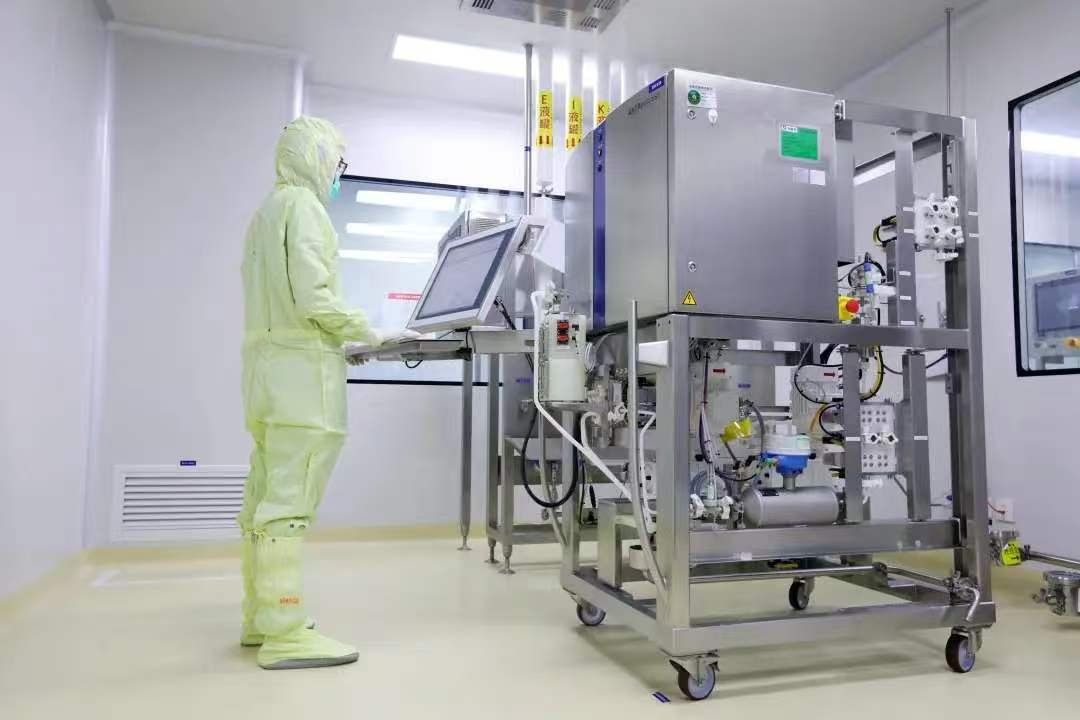
Most biopharma project failures in budget control stem from simplistic early cost evaluation. Unlike ordinary industrial plant construction, biopharma facilities involve customized bioprocess equipment, classified cleanrooms, special HVAC systems, purified utility units, automated control platforms and complete validation services. A rough preliminary quotation that ignores professional industry characteristics will inevitably lead to serious deviations.
First, incomplete engineering scope leads to missing cost items. Generalized estimates often only cover main process equipment and civil construction costs, ignoring hidden expenditures including cleanroom purification upgrades, GMP-specific zoning transformation, utility matching calibration, CIP/SIP supporting pipelines, data integrity system configuration and full-set validation documents. These omitted items generate massive unplanned costs after project launch.
Second, non-standard evaluation standards cause inconsistent cost calibration. Without professional bioprocess engineering support, traditional budget estimation fails to distinguish differences between mammalian cell culture, microbial fermentation, mRNA vaccine and cell therapy production lines. Different process routes, cleanliness grades and automation levels correspond to completely different cost structures, further amplifying budget deviations.
Third, opaque budget composition triggers repeated project reviews and approval delays. Vague cost breakdowns cannot provide clear investment basis for enterprise investment committees and regulatory review departments. Projects are prone to repeated revision, prolonged approval cycles and even half-way stagnation due to unproven fund rationality.
Once funds are exhausted ahead of schedule, project suspension not only increases idle labor and equipment costs, but also delays clinical trial progress and product market launch, bringing huge invisible economic losses to biopharmaceutical enterprises.
2. The Core Solution: Detailed Feasibility Study and Transparent Refined Budget Framework
Sino Bioengineering solves the fundamental problem of inaccurate project budgeting through standardized full-dimensional feasibility study systems and refined transparent budget estimation frameworks. We complete all technical demonstration, scope confirmation and cost splitting work in the early project stage, ensuring that the approved budget is highly consistent with the actual project execution cost, and helping clients pass project review and approval efficiently.
2.1 Professional Customized Project Feasibility Study
Aiming at the characteristics of different biomanufacturing projects, our team conducts systematic and in-depth feasibility demonstration covering process route selection, production capacity matching, cleanroom grade positioning, utility system configuration, automation scheme design and compliance risk assessment. Combined with the client’s product pipeline, annual production target and long-term capacity expansion plan, we eliminate unreasonable design schemes and redundant engineering configurations in advance.
The feasibility study report quantifies all engineering boundaries and technical indicators, clarifies the full project scope from civil construction, cleanroom engineering, utility system construction, process equipment integration, automation commissioning to GMP validation and regulatory consulting. It completely avoids missing engineering items and one-sided design, laying a solid foundation for accurate budget formulation.
2.2 Fully Transparent Refined Budget Estimation Framework
Based on the confirmed feasibility scope, we adopt a multi-dimensional refined budget splitting mechanism to disassemble all cost items item by item. The budget framework covers civil engineering costs, cleanroom modular construction fees, HVAC and purification system investment, WFI and pure steam utility station construction, process equipment procurement and integration, automated control system deployment, FAT/SAT commissioning, IQ/OQ/PQ validation services and after-sales technical support.
All budget items are marked with clear technical standards, material specifications, service contents and quantity calculation basis. There is no hidden charge or generalized package pricing. The transparent cost structure enables investment teams to clearly grasp the rationality of each expenditure, providing accurate and credible data support for project approval, fund raising and investment assessment.
In addition, we reserve reasonable risk adjustment coefficients according to project scale and construction cycle, fully considering raw material price fluctuations, industry standard upgrades and compliance adjustment demands. This effectively avoids budget collapse caused by unforeseen factors during project implementation.
3. Practical Value for Biopharma Project Investment
First, achieve one-time successful project approval. Standardized feasibility reports and detailed transparent budget lists meet the review standards of enterprise investment committees and relevant regulatory departments, eliminating repeated revisions and long approval cycles.
Second, eliminate mid-project fund stagnation. The full-coverage refined budget avoids missing cost items and underestimation risks, ensuring that the actual investment of the project is always within the approved budget range and realizing stable and continuous project construction.
Third, optimize investment cost structure. Professional feasibility demonstration screens redundant engineering configurations, avoids over-design and over-investment, maximizes input-output ratio and saves unnecessary capital expenditure for clients.
Fourth, support long-term project risk control. Clear project scope and budget boundaries standardize the whole-cycle implementation process, effectively preventing scope creep and random cost increase in the later stage of the project.
4. Conclusion
The root cause of most biopharma project budget overruns and construction stagnation lies in insufficient early-stage technical demonstration and inaccurate rough budget estimation. Vague investment assessment not only reduces the efficiency of project approval, but also brings huge hidden risks to the whole lifecycle construction and operation of the facility.
Detailed project feasibility study and transparent refined budget estimation framework are the core secrets to ensure biopharma projects are approved and implemented strictly on budget. Sino Bioengineering takes the lead in completing technical verification, scope locking and cost refinement in the early stage of the project, providing accurate, credible and compliant investment decision-making basis for clients. It helps biopharmaceutical enterprises avoid investment risks, accelerate project landing, and ensure stable, efficient and low-cost completion of factory construction and production line upgrading.