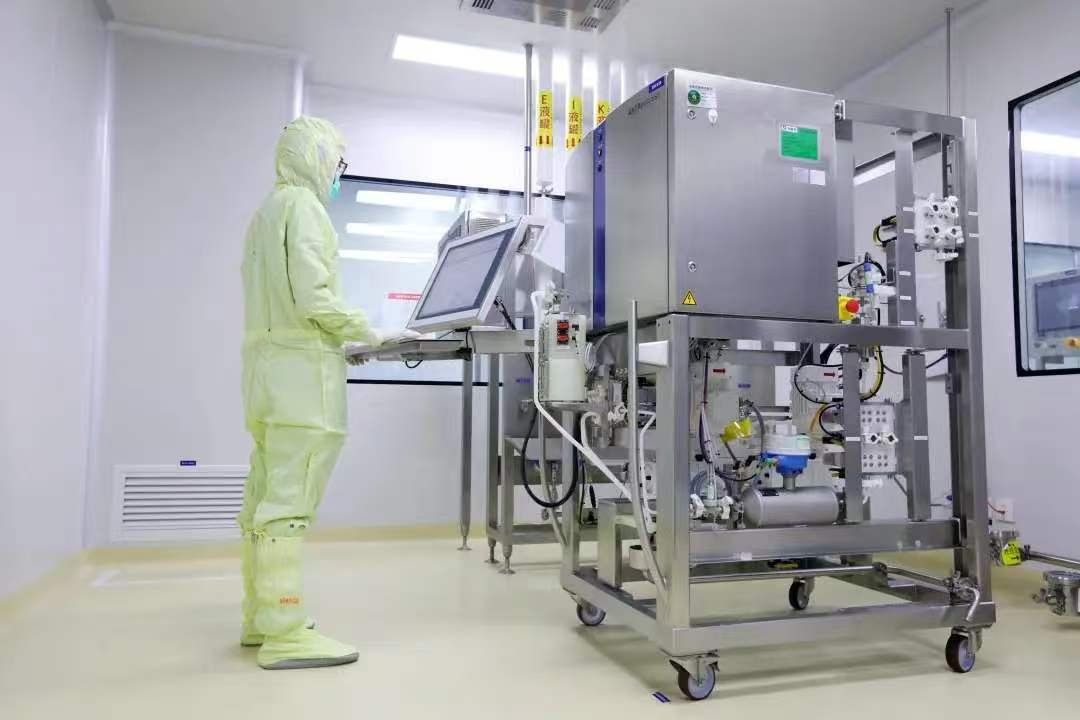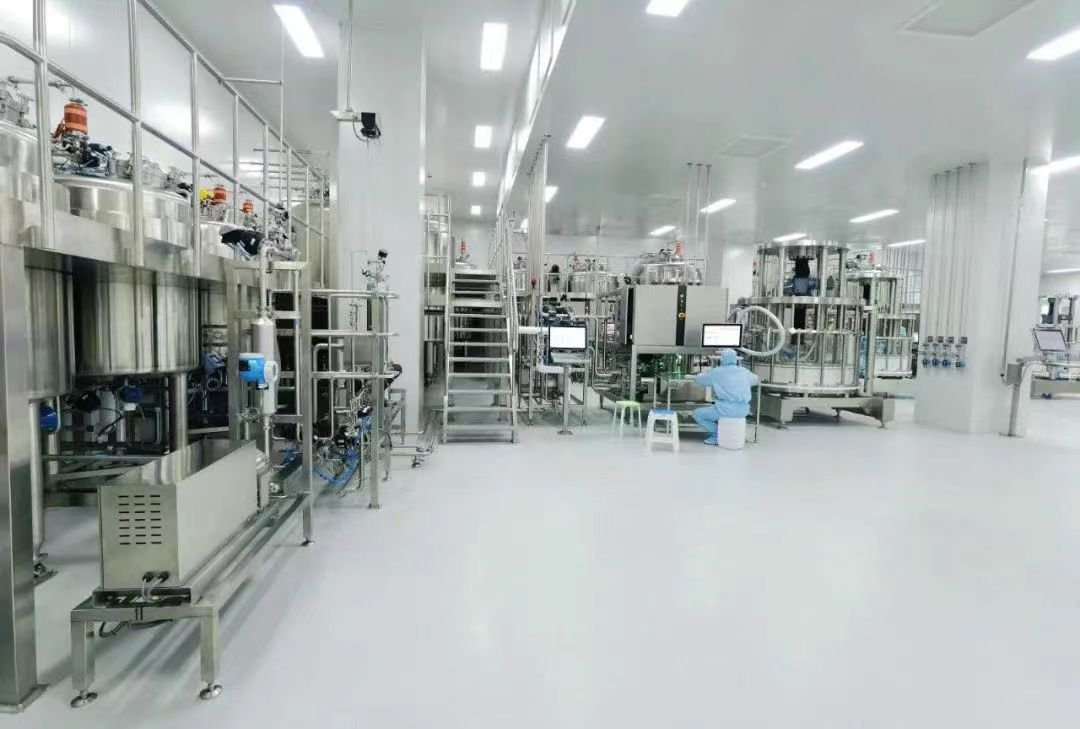
Greenfield biopharma plant construction represents a massive capital investment with long construction cycles, strict GMP compliance constraints and intertwined multidisciplinary interfaces covering process technology, cleanroom civil engineering, HVAC, utilities, automation and qualification validation. A pervasive pain point plaguing nearly every independently contracted greenfield project is uncontrolled scope creep.
Continuous late-stage design adjustments, functional add-ons and requirement revisions trigger repeated drawing revisions, construction rework, schedule delays and budget overruns. The most common root cause lies in separated contracting of process engineering and civil architectural design teams, with disjointed communication, misaligned technical requirements and delayed requirement confirmation. This article analyzes how fragmented delivery models spark scope creep, and introduces how Sino Bioengineering’s single-source full turnkey engineering model locks project boundaries firmly from conceptual design all the way through to final validation handover.
1. How Misalignment Between Process Engineers and Civil Architects Triggers Scope Creep
In the traditional split contracting mode, the project owner separately awards contracts to a bioprocess engineering firm and a civil architecture design institute. Two independent teams work in parallel with limited synchronous coordination, inevitably generating information gaps and requirement lag.
1.1 Delayed equipment layout feedback leads to structural redesign
Process engineers finalize bioreactor skids, buffer preparation systems, chromatography lines and filling equipment dimensions, load requirements and access space demands long after civil architects have fixed column spacing, floor load limits, equipment door openings and floor elevation layouts. Once equipment footprint adjustments emerge, completed structural drawings have to be fully revised, and finished building components require demolition and reconstruction. These unplanned works expand project scope unexpectedly and generate substantial extra costs.
1.2 GMP zoning conflicts emerge in the late design phase
Process teams define Grade A/B/C/D cleanroom zoning, pressure cascade schemes, personnel and material airlock logistics routes and contamination segregation requirements based on production workflow. If civil architects fail to embed these bioprocess-specific GMP constraints into initial building layout planning, partition relocation, window reshaping and passbox repositioning become unavoidable during mid-to-late construction stages.
1.3 Utility interface boundaries remain undefined in early stages
WFI, pure steam, compressed air, chilled water and exhaust gas discharge connection points for each process skid are not locked synchronously with civil pipe trench layout, wall penetration locations and utility room positioning. Post-construction interface repositioning adds large-scale hidden engineering work outside the original tender scope.
1.4 Consequential losses of fragmented delivery
All the above adjustments fall outside the original tender scope, triggering scope creep one after another. Construction periods are stretched for months or longer. Extra labor, materials and modification fees push total investment far above budget. Delayed factory commissioning postpones product clinical trials and commercial launch windows, bringing considerable opportunity cost losses for drug developers. In addition, multiple contractors shift accountability mutually once problems occur, leaving the project owner trapped in coordination disputes.
2. Single-Source Turnkey Engineering: Full Lifecycle Lock of Project Scope
Sino Bioengineering delivers unified single-point responsibility turnkey services covering the full project chain, including conceptual design, detailed process and civil drawing design, modular cleanroom construction, utilities installation, equipment integration, automation commissioning, FAT and SAT execution, full IQ/OQ/PQ validation and final handover. All disciplines are coordinated internally within one team, eliminating cross-party information barriers and fundamentally blocking scope creep triggers.
2.1 Front-loaded requirement confirmation during conceptual design
At the earliest project initiation stage, internal process, architecture, HVAC and automation teams jointly carry out multi-disciplinary 3D layout simulation. Process equipment dimensions, maintenance operation space, heavy equipment hoisting access, cleanroom zoning, logistics flow directions and utility interface coordinates are fully quantified, documented and frozen in the baseline design package before any civil construction commences. No major design variables remain unresolved when construction starts.
2.2 Internal cross-disciplinary synchronous review eliminates design conflicts
Process layout drawings and civil structural drawings undergo internal mutual review repeatedly within our unified project team. Civil design parameters are pre-adjusted according to bioreactor loads, skid dimensions and pipeline routing requirements in advance. Cleanroom partition layout, air shower and passbox locations, floor drain arrangements and pressure gradient zoning are fully coordinated in the drawing stage, reserving no room for later structural modification.
All utility pipeline trenches, wall penetrations and equipment connection ports are marked on unified construction drawings, synchronizing process piping and civil infrastructure implementation. No subsequent interface rework occurs on site.
2.3 Fixed tender scope with closed boundary throughout execution
The full turnkey contract clearly defines the deliverable boundary, equipment list, drawing scope, validation documents and handover standards in detail at the bidding stage. Internal multidisciplinary coordination replaces external multi-party negotiation. Any functional adjustment proposed by the owner goes through formal scope change assessment, written confirmation and budget adjustment procedures. Uncontrolled verbal revisions and informal on-site adjustments are strictly prohibited, avoiding incremental hidden work accumulation.
2.4 Validation embedded into full project scope
Validation packages including IQ/OQ/PQ protocols, batch records and regulatory support documents are included in the original turnkey scope rather than treated as subsequent additional orders. Validation schedule is aligned with construction and commissioning progress synchronously, preventing last-minute validation service additions from expanding project boundaries.
3. Core Project Value for Greenfield Biopharma Owners
1.Strictly contain total budget. Scope creep is fundamentally eliminated. Actual final investment aligns closely with the original contracted budget, avoiding unexpected capital overspending.
2.Stabilize construction timeline. No repeated design revisions and demolition rework. Project milestone schedule is controllable and predictable, enabling planned launch of clinical batches or commercial production.
3.Single accountability point. Only one general contractor takes full responsibility for design, construction, integration and validation. No buck-passing among multiple vendors, greatly reducing owner’s management workload.
4.GMP compliance built into early design. Process and civil design are aligned from day one to meet global FDA and EMA requirements, avoiding costly compliance retrofits in later stages.
5.Predictable project ROI. On-time and on-budget plant delivery guarantees the drug pipeline progresses as scheduled, recovering investment and realizing revenue generation earlier.
Scope creep has long been a typical pain point for greenfield biopharma factory projects adopting separated multi-contractor delivery models, with miscommunication between process engineers and civil architects being the most dominant trigger. Late-stage design modification and construction rework become unavoidable, severely damaging budget control and schedule certainty.
Sino Bioengineering’s full-lifecycle single-source turnkey engineering model integrates all disciplines under one unified management system. It locks design boundaries in the conceptual phase, resolves cross-specialty conflicts internally and formalizes all change control processes, completely curbing unplanned scope expansion. For biopharma investors launching new greenfield manufacturing campuses, this delivery mode minimizes project risks, simplifies owner management work and ensures the new facility is delivered on budget, on schedule and fully audit-ready for commercial operation.