
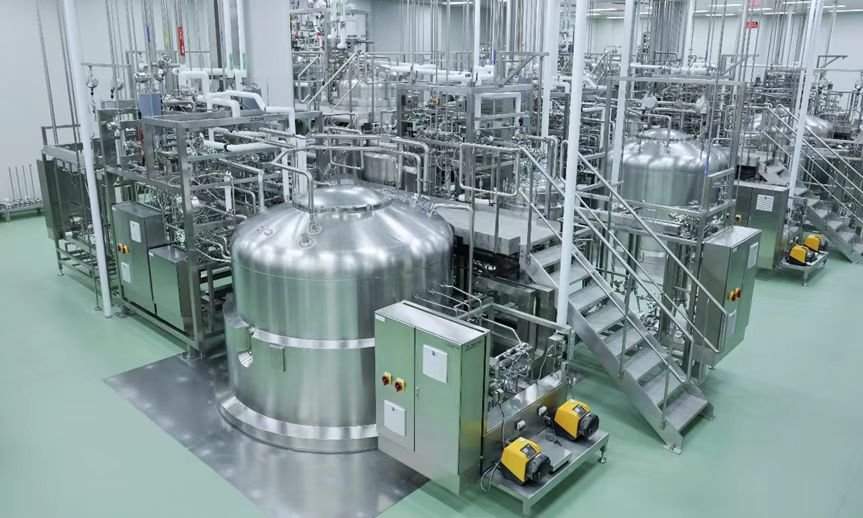

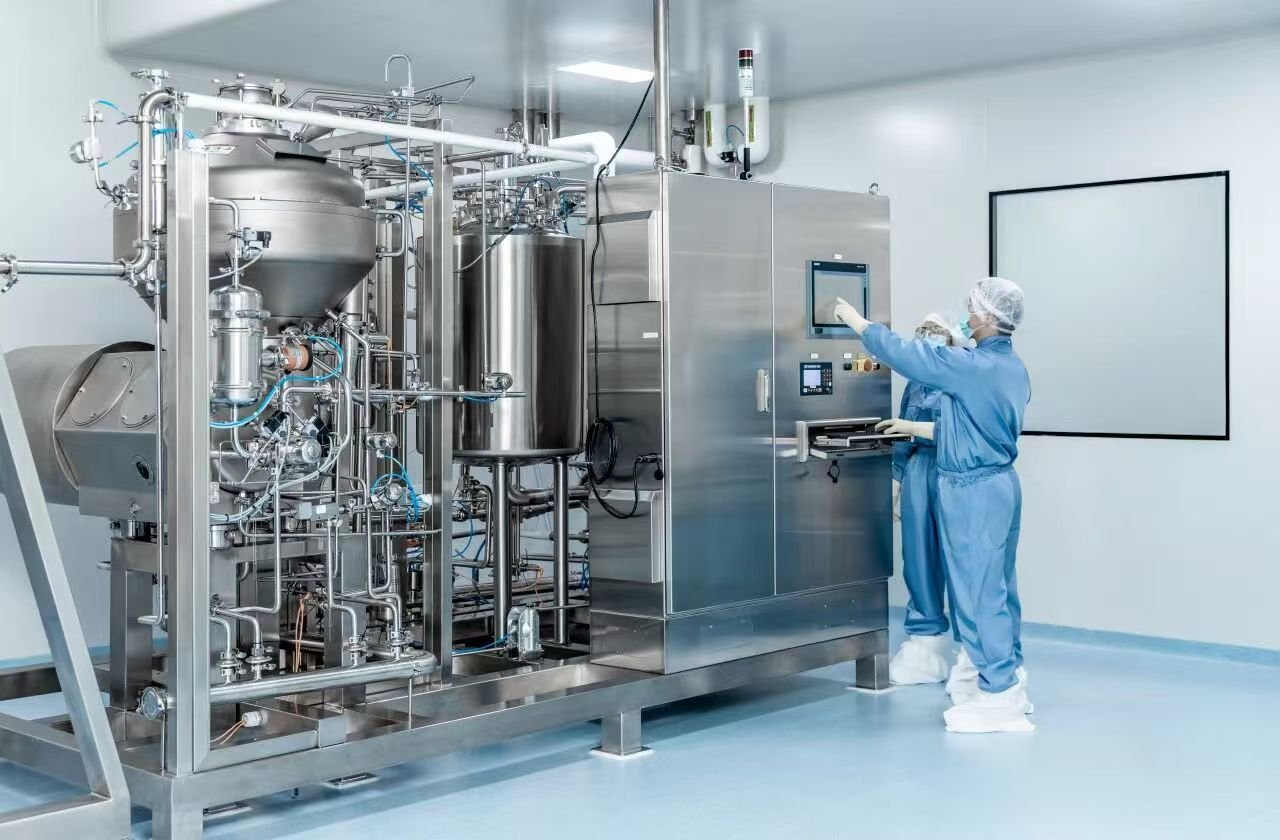
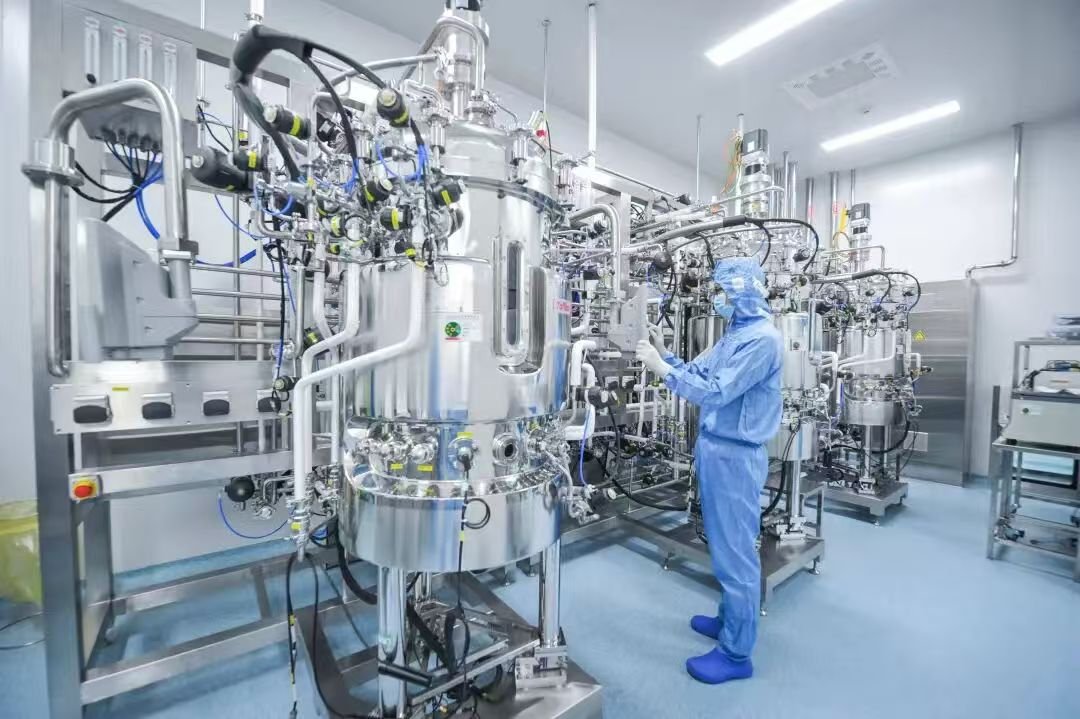
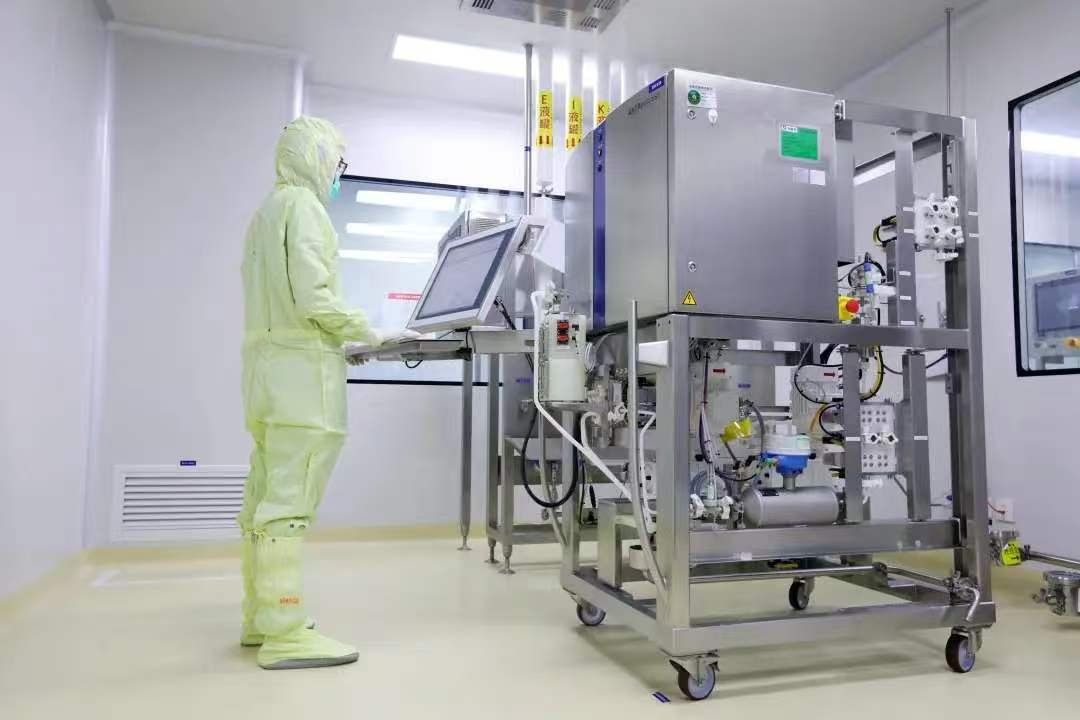
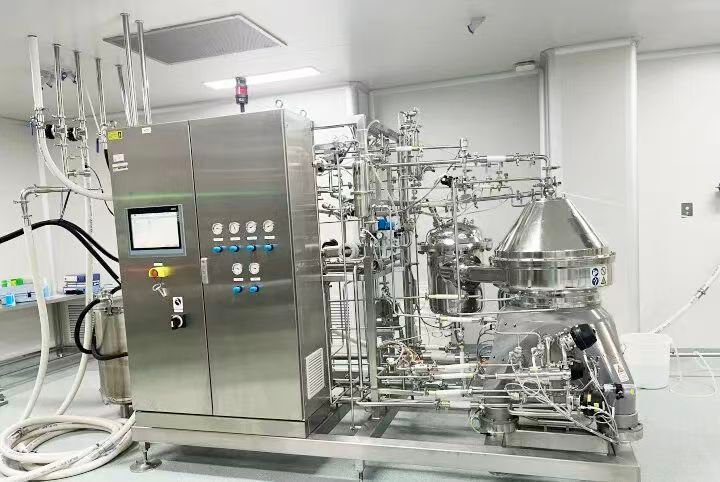
Centrifuges serve as the cornerstone of downstream biopharmaceutical manufacturing processes. Leveraging centrifugal force, they separate biological materials based on density to clarify slurries and harvest cells. From cell culture harvesting to lysate clarification and product recovery, centrifugation plays a pivotal role in manufacturing high-purity biopharmaceutical products.
Modern biopharmaceutical centrifuges operate continuously to handle fermentations and cell cultures with volumes up to thousands of liters, while maintaining sterility and product quality. Disc stack centrifuges deployed in biomanufacturing facilities accelerate the separation of cells and solid particulates from liquid culture media.
Each application features distinct biological backgrounds and technical considerations. This article elaborates on practical centrifugation implementation, prevailing challenges and optimal centrifuge configurations for respective scenarios.
Separation of CHO Mammalian Cell Cultures
Chinese Hamster Ovary (CHO) cells are the mainstream production host in biopharmaceuticals, widely applied to manufacture monoclonal antibodies and other therapeutic proteins. Upon completion of fed-batch or perfusion cultivation at the harvesting stage, cells must be isolated from valuable extracellular products in culture supernatant.
Centrifugation acts as the primary cell harvesting method in this scenario. High-speed continuous disc stack centrifuges are commonly adopted to clarify cell cultures, removing CHO cells and cell debris while preserving target proteins in clarified liquid.
Key technical considerations for CHO cell centrifugation involve the relatively large cell size ranging from 10 to 20 micrometers and shear sensitivity of mammalian cells. Centrifuges need sufficient separation factors of 5,000 to over 10,000 g-force to sediment and capture cells, whereas excessive shear force must be avoided to prevent cell lysis and contaminant release. Precise temperature regulation is also indispensable.
Harvesting processes are generally conducted at 4 to 10 degrees Celsius to stabilize protein structures and inhibit microbial proliferation. Biopharmaceutical-grade disc stack centrifuges, such as the BTSX series developed by Sino Bioengineering, satisfy stringent requirements via sealed sterile operation and integrated Clean-in-Place / Sterilize-in-Place functions. Automatic periodic solid discharge is equipped to process cell biomass efficiently.
Clarification of Escherichia Coli Lysate
Escherichia coli is a prevalent microbial host for recombinant protein production, including insulin, enzymes and plasmid DNA. Post fermentation, intracellular or periplasmic target products are released through cell lysis via high-pressure homogenization and other approaches.
The resulting lysate contains cell debris, soluble proteins, DNA and miscellaneous components. Centrifugal clarification constitutes a critical step to separate solid debris from product-containing liquid. High-speed centrifuges eliminate massive particulates rapidly and substantially reduce loading pressure on downstream filtration units. Continuous self-desludging disc stack centrifuges with solid ejection rotors are preferable for large-scale treatment of E. coli lysate with high solid content and viscosity.
Sino Bioengineering steam-sterilizable disc stack centrifuges are engineered for such biotechnological applications, with processing capacities covering 100 to 10,000 liters per hour subject to raw material properties. Equipped with high g-force operation, these devices achieve effective sedimentation of fine bacterial debris.
Major technical challenges in lysate clarification include tiny E. coli debris smaller than 1 micrometer and elevated viscosity caused by released DNA. Conical disc assemblies deliver large equivalent filtration areas, yet particles finer than 0.5 to 1 micrometer cannot be fully removed. Centrifugation achieves primary clarification, followed by depth filtration to refine supernatant and eliminate ultrafine impurities.
Low-temperature treatment at 4 degrees Celsius maintains protein stability and suppresses foam generation. Nozzle-type disc centrifuges that continuously discharge concentrated solids through peripheral nozzles are applicable for high-density cultures, enabling steady scalable processing without frequent shutdowns.
Isolation of Saccharomyces Cerevisiae
Saccharomyces cerevisiae, or baker’s yeast, is utilized not only in brewing and bakery industries but also for manufacturing vaccines such as hepatitis B vaccine and recombinant proteins. Centrifuges separate yeast cells from culture broth throughout yeast fermentation workflows. With cell size of 5 to 10 micrometers and robust physical properties, yeast cells exhibit superior sedimentation performance compared to mammalian cells.
Disc stack centrifuges are widely adopted in brewing industry for rapid yeast removal and wort clarification. Similarly in biopharmaceutical production, centrifuges harvest yeast biomass or clarify extracellular product supernatant. Separation design must accommodate high cell density and viscosity of fermentation broth.
Self-desludging disc stack centrifuges process large-volume liquid continuously and discharge dense yeast solids periodically, achieving industrial throughput up to tens of thousands of liters per hour. Yeast cells possess lower shear sensitivity than animal cells, while gentle handling remains essential to retain cell viability.
Horizontal decanter centrifuges are deployed for dewatering high-solid slurries and producing concentrated yeast paste. Disc stack centrifuges take dominance in upstream fermentation harvesting for outstanding clarification efficiency and non-stop operational capability.
Centrifugal Harvesting of Probiotics
Probiotic strains including Lactobacillus and Bifidobacterium are cultivated industrially for dietary supplements and functional food production. Upon reaching target cell density, probiotic biomass is harvested from fermentation media, concentrated and further processed into dry powder formulations.
Centrifugation serves as an efficient conventional method for probiotic separation and collection. Compared with filtration technology, centrifugation features faster processing speed, superior efficiency and enclosed hygienic working mode, perfectly matching large-scale manufacturing demands.
Continuous centrifugation enables uninterrupted probiotic harvesting directly from production fermenters. Cell viability stands as the core evaluation indicator, as probiotic bacteria must remain active upon administration. Gentle acceleration, temperature control and shortened material residence time minimize cell damage during separation.
Sealed disc stack centrifuges prevent cross-contamination and deliver reliable separation results even for miniature bacterial cells, operating under cooling conditions below 10 degrees Celsius to preserve strain stability. Concentrated probiotic cell paste undergoes subsequent washing, resuspension, freeze-drying or spray-drying treatment.
Feedstock flows through central pipelines into narrow disc gaps; solid probiotic cells slide outward for collection, while clarified liquid discharges via overflow outlets. This structural design expands effective sedimentation area and shortens settling distance to ensure optimal separation outcomes. Sino Bioengineering disc separators have gained widespread recognition and proven stable performance in global probiotic manufacturing facilities.
Clarification of Chicken Embryo Allantoic Fluid for Vaccine Production
Egg-based vaccine production, represented by influenza vaccine manufacturing, involves viral inoculation into fertilized embryos and viral propagation within allantoic fluid. Embryo extraction yields crude allantoic fluid rich in viral particles, mixed with ovalbumin, cell debris and diverse impurities. Centrifugation acts as the initial purification step to remove coarse solid contaminants.
Moderate-speed continuous disc stack centrifuges separate cell debris, eggshell fragments and particulate matters without viral fragmentation, generating clarified virus-containing supernatant for subsequent filtration, ultrafiltration and chromatographic purification of vaccine antigens.
Heterogeneous solid mixtures constitute the primary clarification challenge, as fine feather residues, shell particles and semi-solid clogs easily cause filter blockage. Centrifugation efficiently isolates such complex solids. Vaccine production mandates strict aseptic sealed processing, hence centrifugal systems must support full steam sterilization.
Centrifuges dedicated to allantoic fluid clarification are fitted with foam-free discharge systems adopting centrifugal pump design, transferring viral liquid mildly without foam formation and shear stress. The equipment achieves high-throughput processing of bulk allantoic fluid harvested from massive quantities of fertilized eggs, maintaining consistent clarification quality and product yield.
Plasma Separation in Blood Processing
Plasma acts as the fundamental raw material for therapeutic preparations, including immunoglobulins, albumin and blood coagulation factor concentrates. Centrifuges are extensively applied in blood banks and plasma fractionation facilities to separate plasma from cellular blood components.
Stratification occurs when whole blood undergoes centrifugal rotation: dense red blood cells accumulate at the bottom, a thin buffy coat composed of leukocytes and platelets forms the intermediate layer, and pale yellow plasma occupies the upper layer. Batch centrifuges and continuous-flow apheresis centrifuges handle bulk blood samples for industrial plasma collection.
Controlled operational parameters minimize hemolysis and cross-contamination to maximize plasma yield and purity. Low-temperature cold chain preservation protects thermolabile plasma proteins. Continuous centrifugal systems applied in plasmapheresis extract plasma in real time and return red blood cells to donors.
Re-centrifugation is conducted on pooled thawed plasma to isolate precipitated proteins such as cryoprecipitate containing Factor VIII. Specialized biosecurity-grade disc and chamber centrifuges equipped with disposable tubing and sealed inserts eliminate cross-batch bloodborne contamination risks.
Collection of Peptide Crystals
Crystallization is adopted to enhance purity and stability of multiple biopharmaceutical products, typical examples covering insulin and various peptide therapeutics. Solid crystals require separation from mother liquor and drying treatment after crystal formation.
Vertical basket centrifuges and peeler centrifuges running in batch mode are conventionally utilized to drain liquid and discharge crystal cakes. Batch centrifuges harvest, wash and prepare insulin crystals for drying procedures. Horizontal decanter centrifuges suit continuous crystal separation in continuous crystallization workflows, with equipment selection determined by production scale and crystal physical properties.
Critical technical parameters include crystal particle size, residual solvent removal via washing procedures and low-temperature protection against crystal dissolution and degradation. Enclosed centrifugal processing reduces environmental exposure risks and outperforms gravity filtration in large-volume treatment efficiency. Centrifuges accommodate highly concentrated viscous crystal slurries generated during biopharmaceutical crystallization.
Conclusion
Centrifugation technology has demonstrated irreplaceable value throughout biopharmaceutical manufacturing workflows. Continuous high-efficiency centrifugal processing substitutes or complements filtration systems, achieving superior treatment effects on biomass and solid impurities. Sino Bioengineering biopharmaceutical separators are tailor-made for pharmaceutical production environments, integrating CIP/SIP sanitation control, automatic operation for stable batch consistency and fully sealed structure to guarantee biosafety standards.
As a leading process-oriented engineering company, Sino Bioengineering delivers professional bioengineering solutions and comprehensive technical services to clients worldwide.
For more products and solutions: https://sinobioengg.com/category/solution/
For more service: https://sinobioengg.com/category/service/