Amid global efforts to combat major infectious disease pandemics, multiple vaccine technology platforms have collectively erected a robust line of defense for humanity, substantially reducing mortality rates and making remarkable contributions to global public health. Nevertheless, universal vaccine rollout continues to grapple with tangible hurdles including inequitable distribution, supply chain bottlenecks, stringent cold-chain logistics requirements, and challenges posed by viral mutations. Against this backdrop, yeast platforms represented by Saccharomyces cerevisiae and Pichia pastoris are emerging as a vital complement for building a more equitable and resilient vaccine ecosystem, thanks to their unique biological strengths.
Long regarded as an unsung hero in biotechnology, yeast serves as a eukaryotic expression system that seamlessly integrates precise protein processing capabilities, facile genetic manipulation, and outstanding scalability. Unlike sophisticated mammalian cell systems, yeast can rapidly grow to large scales on low-cost culture media and leverage well-established fermentation infrastructure deployed across geographically diverse regions for manufacturing. It demonstrates exceptional versatility and immunogenicity across.
applications ranging from subunit antigen production to whole-cell recombinant vaccines and surface display technology. Boasting high safety profiles, low manufacturing costs and superior deployability, this platform not only meets rigorous scientific standards but also delivers marked advantages in improving vaccine accessibility and alleviating cold-chain constraints. This paper elaborates on the technological potential of yeast platforms, aiming to inform rapid responses to emerging pathogens and the construction of a more inclusive vaccination and epidemic prevention framework for the future.
Evolution and Technical Strategies of Yeast as a Vaccine Platform
Striking an optimal balance between biological complexity and industrial practicality, yeasts including S. cerevisiae and P. pastoris stand out as highly attractive chassis for vaccine research and development (R&D). Classified as Generally Recognized As Safe (GRAS) due to its long-standing safe application history in the food and pharmaceutical industries, S. cerevisiae exhibits robust industrial fermentation performance and strong tolerance to high sugar concentrations and osmotic fluctuations, rendering it an ideal host for large-scale production. By contrast, P. pastoris excels in high-cell-density cultivation and efficient protein secretion, and faithfully executes post-translational protein modifications such as disulfide bond formation, correct protein folding and glycosylation—processes critical to preserving the immunogenicity and structural stability of numerous viral antigens. In recent years, genetically engineered yeast strains equipped with glycoengineering reconstitution systems have been engineered to eliminate native hypermannosylation patterns, rendering expressed antigens more compatible with the human immune system.
The landmark success of hepatitis B surface antigen (HBsAg) vaccines provides the most compelling validation for the reliability of yeast vaccine platforms. As the world’s first approved recombinant human vaccine, it replaced limited supplies of plasma-derived hepatitis B vaccines in the 1980s and pioneered large-scale production of complex viral antigens via microbial recombinant technology. HBsAg spontaneously assembles into virus-like particles (VLPs) inside yeast cells; these particles closely mimic the structure of native virions and elicit potent humoral immunity in humans. This milestone marked a paradigm shift in vaccinology: it verified that eukaryotic microbes can safely and cost-effectively produce highly immunogenic antigens with consistent, controllable product quality and stable physicochemical properties. This proven track record was later extended to human papillomavirus (HPV) vaccines and other programs, firmly cementing yeast’s position as a foundational vaccine production chassis.
Modern vaccine R&D leverages yeast’s extraordinary flexibility across four core technical modalities:
Recombinant Protein Subunit Vaccines
This represents the most straightforward application, harnessing yeast’s robust expression machinery to mass-produce viral surface proteins. Following rational antigen engineering design, purified subunit antigens are formulated with adjuvants to yield finished vaccines. Studies confirm that despite minor disparities in glycosylation patterns compared with mammalian cell-derived counterparts, yeast-produced antigens elicit robust immune responses and potent neutralizing activity. Iterative optimization of yeast expression systems—including reshaping secretion pathways and fine-tuning glycosylation sites—effectively enhances antigen structural integrity and immunogenicity.
Virus-Like Particle (VLP) Platforms
Beyond individual protein production, yeast assembles genomeless viral empty capsids. Repetitive, ordered antigen epitopes displayed on VLPs potently activate human B cells. This modular chassis design carries profound strategic value: researchers retain yeast as a stable manufacturing backbone, and rapidly swap antigen inserts in a plug-and-play fashion to counter continuously evolving viruses and swiftly respond to emerging infectious disease threats.
Yeast Surface Display (YSD) Technology
YSD anchors target antigens to the yeast cell wall, turning individual yeast cells into miniature antigen display scaffolds. Beyond serving as a high-throughput laboratory tool for antigen design, epitope mapping and identification of key immunogenic viral determinants, this technology is being explored for needle-free oral immunization formulations with simplified distribution logistics. Its capacity to screen potent broadly neutralizing antibodies drastically shortens vaccine development timelines.
A highly promising strategy entails expressing recombinant antigens intracellularly in yeast, followed by heat inactivation of the host cells. Endogenous yeast cell wall components such as β-glucans act as natural adjuvants to trigger intestinal mucosal immunity in humans. Such vaccines eliminate strict cold-chain storage requirements and avoid needle-stick injuries via oral administration, substantially boosting uptake and accessibility in resource-limited regions. Early clinical investigations have validated the safety of this delivery platform in humans and confirmed its ability to induce antigen-specific immune responses.
Horizontal Benchmarking and Complementary Synergy Between Yeast Platforms and Alternative Vaccine Technologies
Diverse vaccine platforms constitute multi-pronged lines of defense against global infectious disease outbreaks, and no single technology addresses every challenge in isolation. Clarifying the niche positioning of yeast platforms within the broader vaccine landscape is essential for building a pandemic-resilient public health system.
The yeast platform delivers unmatched cost-performance and accessibility, occupying a distinct pragmatist niche in vaccine development and deployment. Rooted in conventional industrial fermentation workflows, it features low manufacturing barriers and exceptional scalability, enabling predictable, tightly controlled production costs and long-term stable product storage. Additionally, native immunostimulants embedded in the yeast cell wall, paired with advanced glycoengineering optimization, make yeast-derived vaccines ideal for cost-sensitive markets and remote regions, significantly easing cold-chain logistics burdens.
Other leading platforms possess unique strengths in development speed and antigen presentation, and integrated deployment delivers synergistic epidemic preparedness:
Nucleic acid vaccines (notably mRNA vaccines): Unrivaled for agility and rapid development speed, capable of progressing from pathogen sequence identification to clinical-grade sample production within an extremely compressed timeline at the onset of an outbreak. Their critical limitation, however, is reliance on ultra-low-temperature cold chains, which hinders widespread rollout in low-income regions.
Adenoviral vector vaccines: Induce durable T-cell immunity and remain stable under standard refrigeration. Though pre-existing host immunity may interfere with efficacy in certain populations, their mature large-scale cell culture workflows render them a key complementary option post-mRNA vaccine deployment, particularly for simplified administration regimens.
Mammalian cell expression systems: Deliver near-human protein folding and post-translational modification fidelity, making them irreplaceable for antigens with highly complex structures and stringent modification requirements. Despite high capital investment, elevated operational costs and slower scale-up cycles, their well-established regulatory track record positions them as anchor platforms for late-stage vaccine development.
Insect cell platforms: A technical middle ground enabling fast scalable production of subunit and VLP vaccines, with final formulations stable under conventional refrigeration. While their glycosylation patterns diverge from human counterparts, this discrepancy rarely compromises vaccine potency, making them a mature choice balancing production speed and global logistical accessibility.
Diversified vaccine platform adoption is not merely a technical choice but a strategic public health layout. mRNA technology excels in speed, adenoviral vectors dominate T-cell immune induction, mammalian cell systems guarantee high-fidelity production of intricate antigens, while yeast and insect cell platforms democratize vaccine access via cost reduction and simplified logistics. A robust vaccination ecosystem hinges on the organic integration of all these technologies. Diversified capital investment leverages existing bioreactor infrastructure to lower per-dose costs and geographically expand manufacturing capacity. This integrated approach shortens the timeline from pathogen discovery to mass vaccination and mitigates cold-chain dependencies, ultimately advancing equitable global vaccine access.
Why Yeast Vaccine Platforms Remain a Strategic Priority for Pharmaceutical Enterprises
As outlined above, yeast vaccine platforms retain core strategic importance for vaccine developers owing to their combined strengths in production efficiency, cost control, safety and logistical flexibility. For enterprises prioritizing long-term sustainable supply, equitable distribution and pandemic stockpiling, yeast represents not merely a technical alternative, but a commercially and scientifically viable solution balancing rigorous research requirements and economic viability.
Process engineers favor yeast platforms for straightforward economic benefits: drastic manufacturing cost reductions. Economic analyses confirm that microbial hosts including yeast require far lower expenditures on raw materials, culture media and production facilities compared with capital-intensive mammalian cell bioprocesses. Strains such as P. pastoris achieve high-density growth on chemically defined simple media, elevating volumetric productivity and sharply cutting per-unit production expenses.
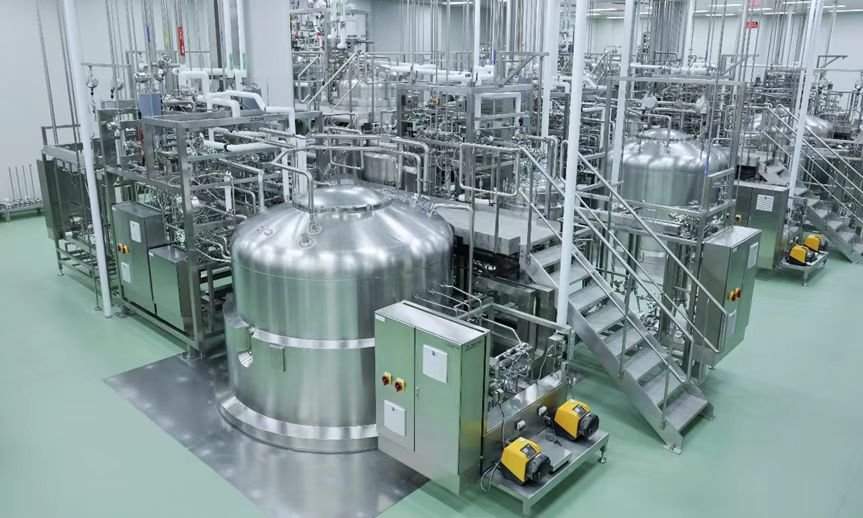
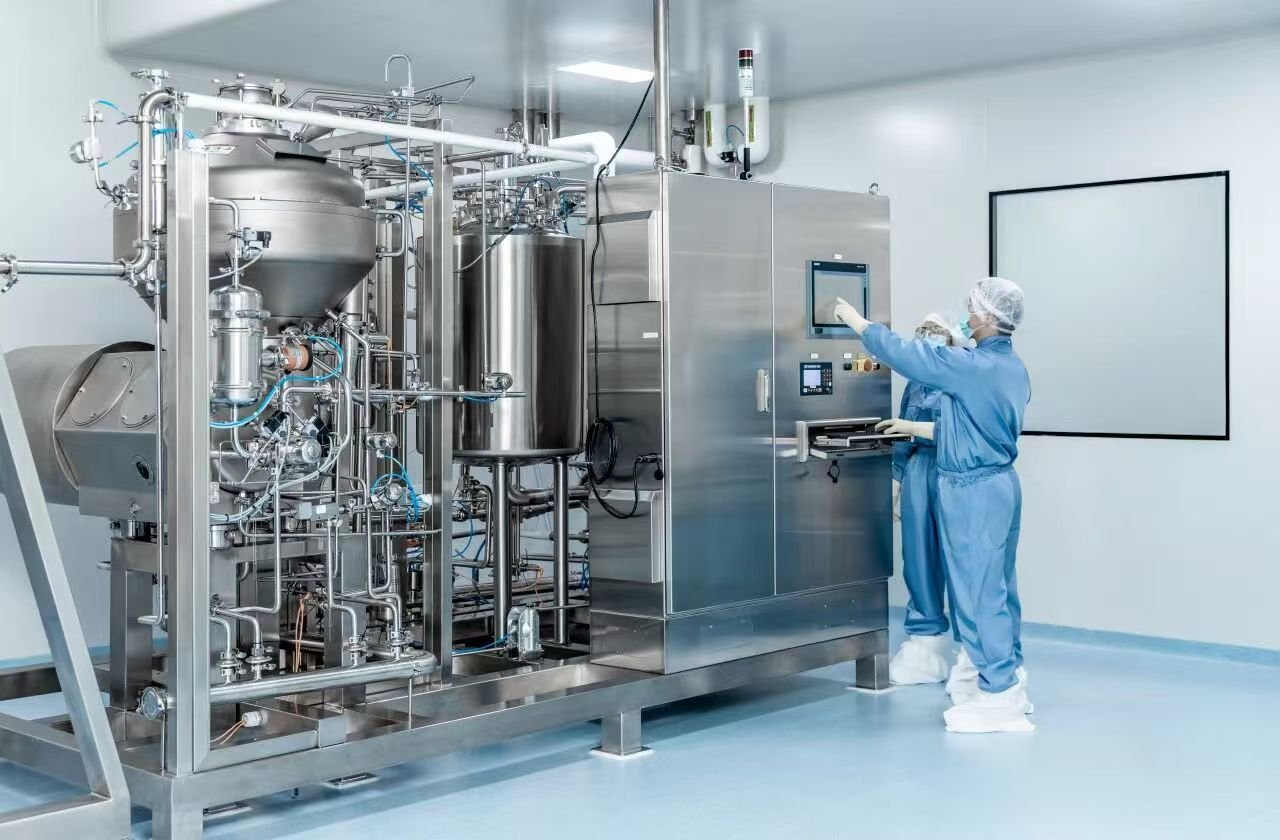
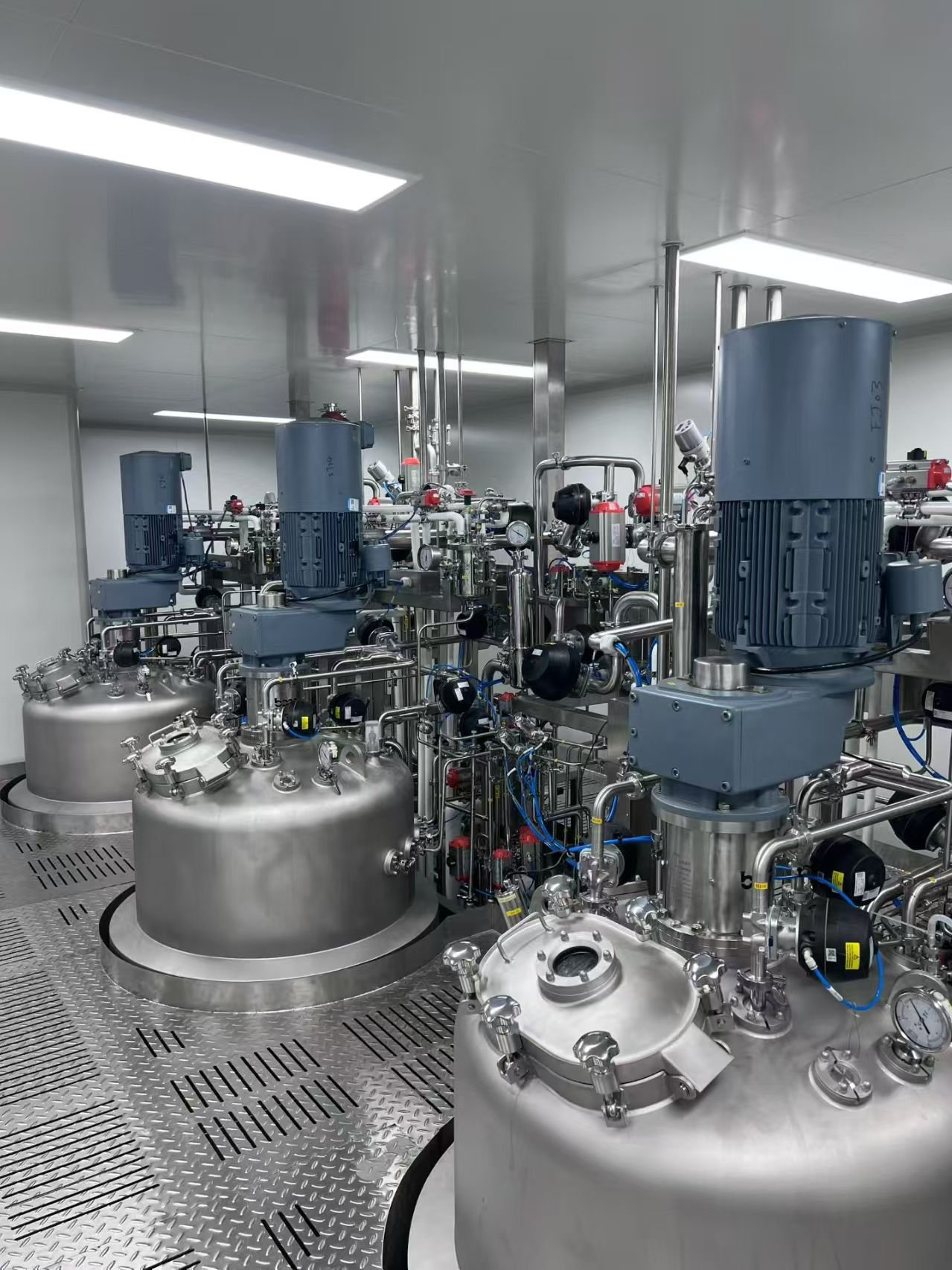
More importantly, yeast biomanufacturing workflows are fully compatible with existing industrial infrastructure. Standard stainless steel bioreactors originally deployed for biopharmaceuticals and industrial enzyme production can be repurposed directly for yeast-based vaccine manufacturing. This eliminates the need for ground-up construction of specialized facilities, enabling rapid capacity activation and localized on-site vaccine production during public health emergencies, thereby circumventing global supply chain disruptions.
Furthermore, yeast’s decades-long proven clinical safety record underpins its core competitive edge, with safety constituting the non-negotiable bottom line for vaccine development. Large-scale global administration of yeast-derived recombinant hepatitis B vaccines over multiple decades has validated their outstanding safety and immunogenicity, earning full recognition from global regulatory authorities.
Compared with competing technologies, yeast platforms afford precise engineering controllability. Targeted bioengineering modulates antigen secretion routes and eliminates extraneous modifications to ensure consistent antigen structural stability. Mature, well-defined regulatory pathways drastically reduce technical risks and regulatory approval barriers for new vaccine candidates.
In summary, endowed with an unparalleled safety track record, low production costs and exceptional scalability, yeast-based vaccine platforms have evolved from an auxiliary vaccine development tool into a cornerstone technology for countering global infectious disease threats. Building on the proven success of hepatitis B vaccines and empowered by advances in antigen engineering, glycoengineering and cell surface display technologies, yeast systems demonstrate immense potential for manufacturing structurally intricate proteins, VLPs and thermostable oral vaccine candidates.
The strategic value of yeast platforms is particularly pronounced in the post-pandemic era. Compatible with existing fermentation infrastructure to lower manufacturing thresholds, they support ambient-temperature storage and decentralized localized production, breaking cold-chain bottlenecks and facilitating equitable vaccine penetration into underserved regions. Rather than a backup technology, yeast platforms act as a robust complementary partner to emerging technologies such as mRNA vaccines. Moving forward, widespread adoption of open-source engineering toolkits and cross-platform collaborative investment will enable yeast systems to build a more resilient and equitable global vaccine supply network, reserving critical manufacturing capacity to proactively address future public health emergencies.
Backed by a comprehensive one-stop bioprocess platform, Sino Bioengineering delivers integrated solutions covering upstream fermentation, downstream purification and process scale-up for yeast expression system-based vaccine R&D and industrial manufacturing.
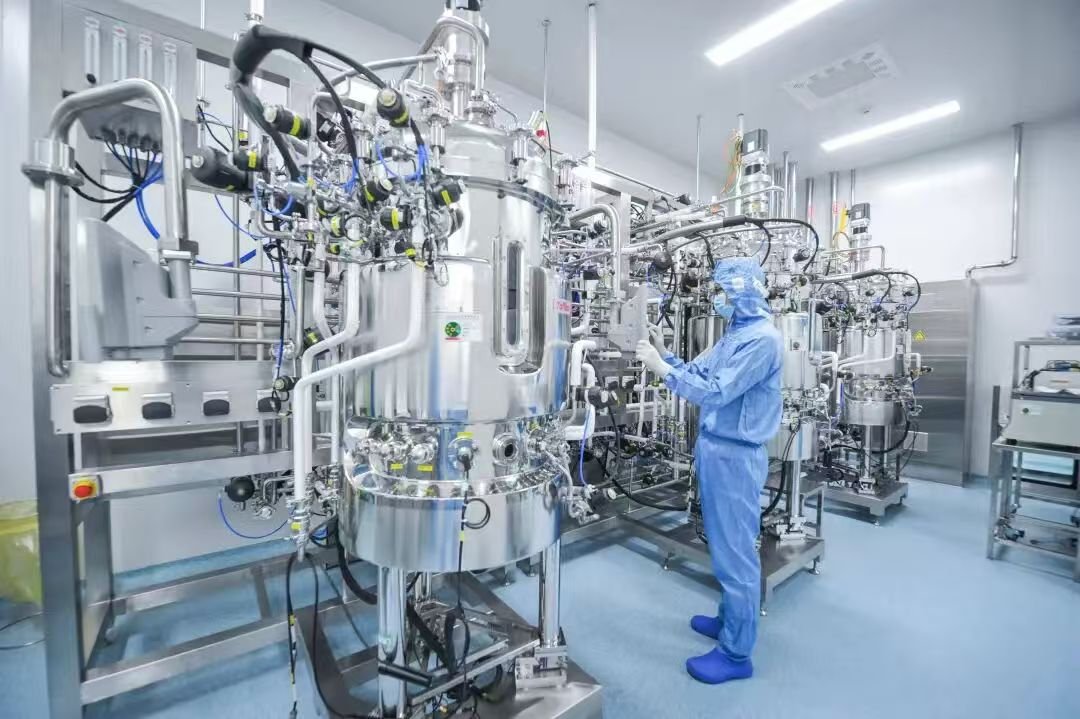
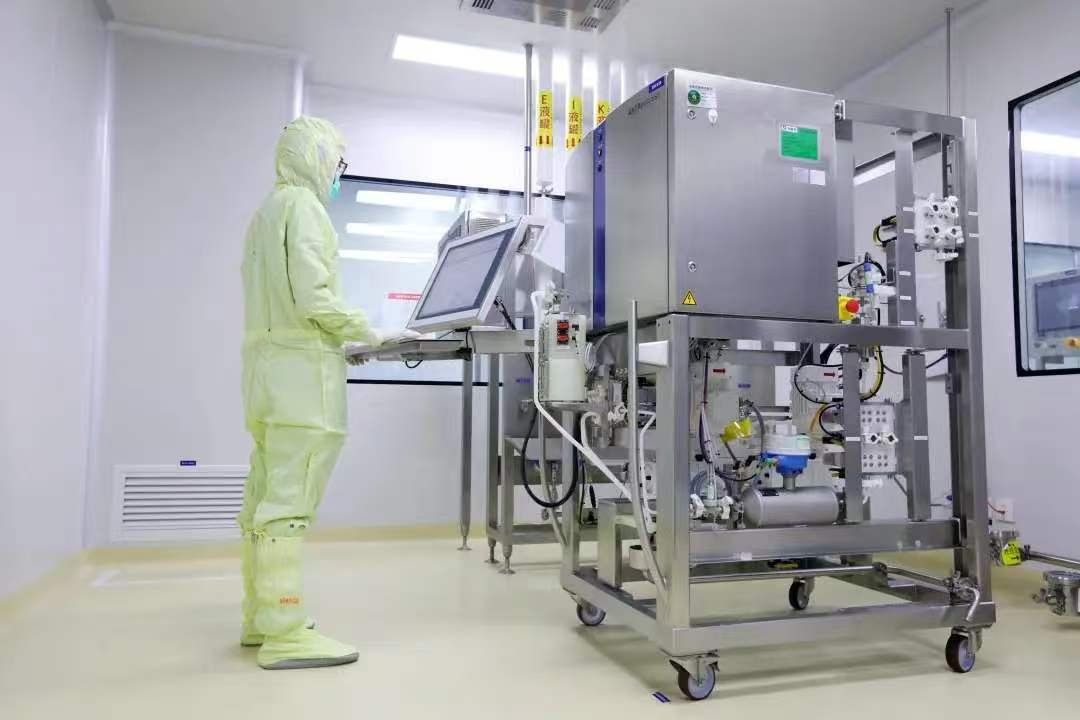
For fermentation workflows, the platform is equipped with benchtop glass bioreactors and stainless steel bioreactors to accommodate varying scale requirements spanning laboratory process development through full commercial production. For harvest and concentration steps, high-performance hollow fiber tangential flow filtration (TFF) modules and complete systems are deployed to achieve efficient cell separation and target product concentration. For cell lysis, high-pressure homogenizers reliably disrupt yeast cells and elevate the release efficiency of target proteins. For purification workflows, a full portfolio of chromatography resins compatible with affinity capture, ion exchange, hydrophobic interaction and other operational modes is available to enable the preparation of high-purity vaccine antigens.
By integrating core process equipment and consumables, Sino Bioengineering provides efficient, robust and scalable end-to-end bioprocess support for vaccine manufacturing built on yeast platforms.