
Microbial culture media and bioprocess media contain a variety of heat-sensitive active nutrients, including vitamins, amino acids, growth factors, enzymes, serum components and specific carbohydrates. These core nutrients are the key to supporting microbial growth, cell proliferation and biopharmaceutical product synthesis, and their activity and integrity directly determine the yield and quality of biological processes. In traditional bioproduction and laboratory preparation processes, thermal sterilization methods represented by high-pressure steam sterilization are widely used to eliminate microbial contamination. However, high temperature and high pressure will inevitably cause irreversible thermal damage to heat-sensitive components, leading to nutrient degradation, activity reduction and medium performance attenuation, which has become a common technical bottleneck restricting the stability and efficiency of biological fermentation, cell culture and biopharmaceutical production.
In view of the pain points of thermal damage to heat-sensitive nutrients caused by traditional heat sterilization, the industry is gradually replacing high-temperature sterilization processes with advanced microfiltration modular skid technology. Relying on physical sterile filtration principles, microfiltration skids realize efficient microbial removal without high-temperature intervention, which perfectly solves the problem of nutrient thermal degradation and provides a reliable, efficient and low-loss sterile guarantee for heat-sensitive medium treatment. This paper deeply analyzes the defects of traditional heat sterilization, expounds the technical principle and core advantages of microfiltration modular skids, and summarizes its practical application value in the biological industry.
Defects of Traditional Heat Sterilization for Heat-Sensitive Media
Traditional heat sterilization technologies such as autoclaving and dry heat sterilization rely on high-temperature environments to destroy microbial protein and nucleic acid structures and achieve sterile purposes. This process has low cost and simple operation, and is suitable for conventional heat-resistant culture media. But for complex media containing heat-sensitive nutrients, the disadvantages are very prominent, which are mainly reflected in three aspects.
First, severe degradation of active nutrients. Most vitamins, B-group vitamins and natural growth factors will undergo molecular decomposition and structural denaturation under high temperature conditions above 121℃, with a degradation rate of up to 60%-70% in conventional sterilization cycles. Thermolabile amino acids and glucose are prone to Maillard reaction under high temperature and high pressure, producing invalid by-products, which not only reduces the effective nutrient content of the medium, but also changes the pH value and osmotic pressure of the medium, interfering with microbial metabolic activities.
Second, unstable batch production quality. The degree of nutrient thermal damage is affected by sterilization temperature, holding time, heating rate and other parameters. Slight differences in process parameters in each production batch will lead to inconsistent medium activity, resulting in large fluctuations in cell culture density, fermentation yield and product titer, increasing production quality control difficulty.
Third, increased production cost and resource waste. In order to make up for nutrient loss caused by thermal damage, enterprises often need to increase the addition ratio of heat-sensitive raw materials, which directly improves the raw material cost. At the same time, the unqualified medium caused by excessive nutrient degradation will lead to batch rework and scrapping, resulting in waste of time, raw materials and energy, and reducing the economic benefits of production.
Technical Principle of Microfiltration Modular Skid Sterilization
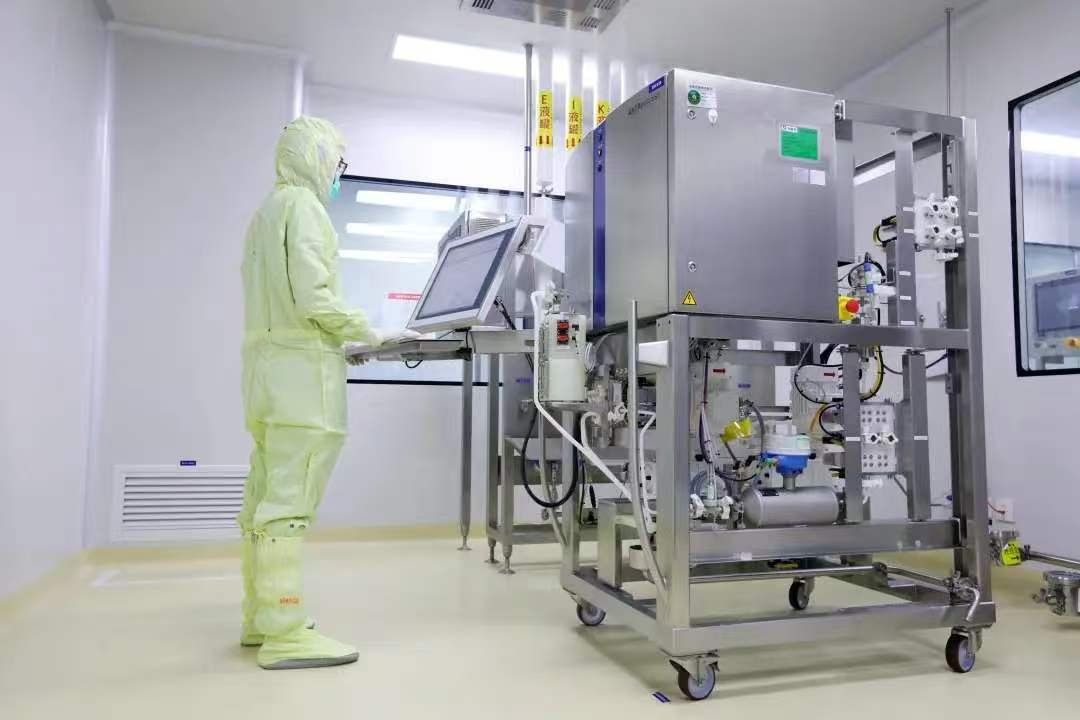
Microfiltration modular skid is a new integrated sterile treatment equipment tailored for heat-sensitive media, which completely abandons the high-temperature sterilization mechanism and adopts physical precision interception to realize sterile purification of media. The core working principle is to use microporous filter membranes with precise pore size grading to trap bacteria, spores, fungi and other microbial contaminants in the medium, while allowing small-molecule nutrients such as vitamins, amino acids and sugars to pass through smoothly, so as to achieve zero-temperature sterilization and maximum retention of nutrient activity.
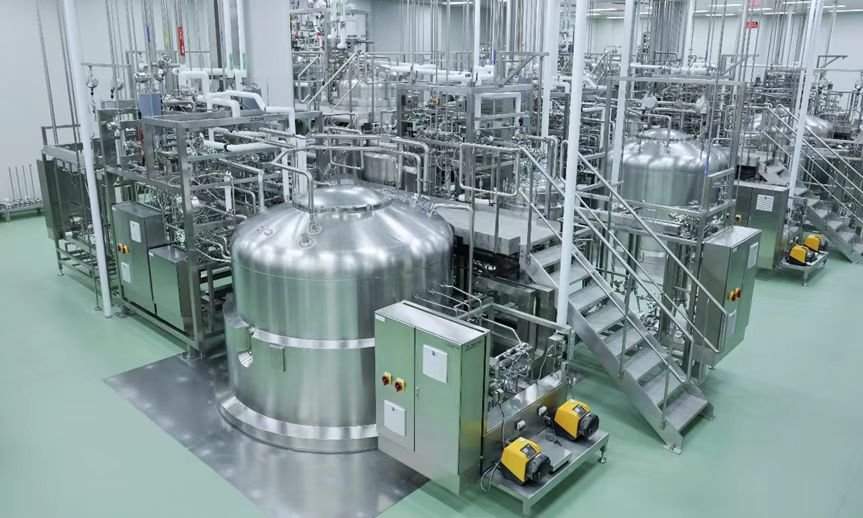
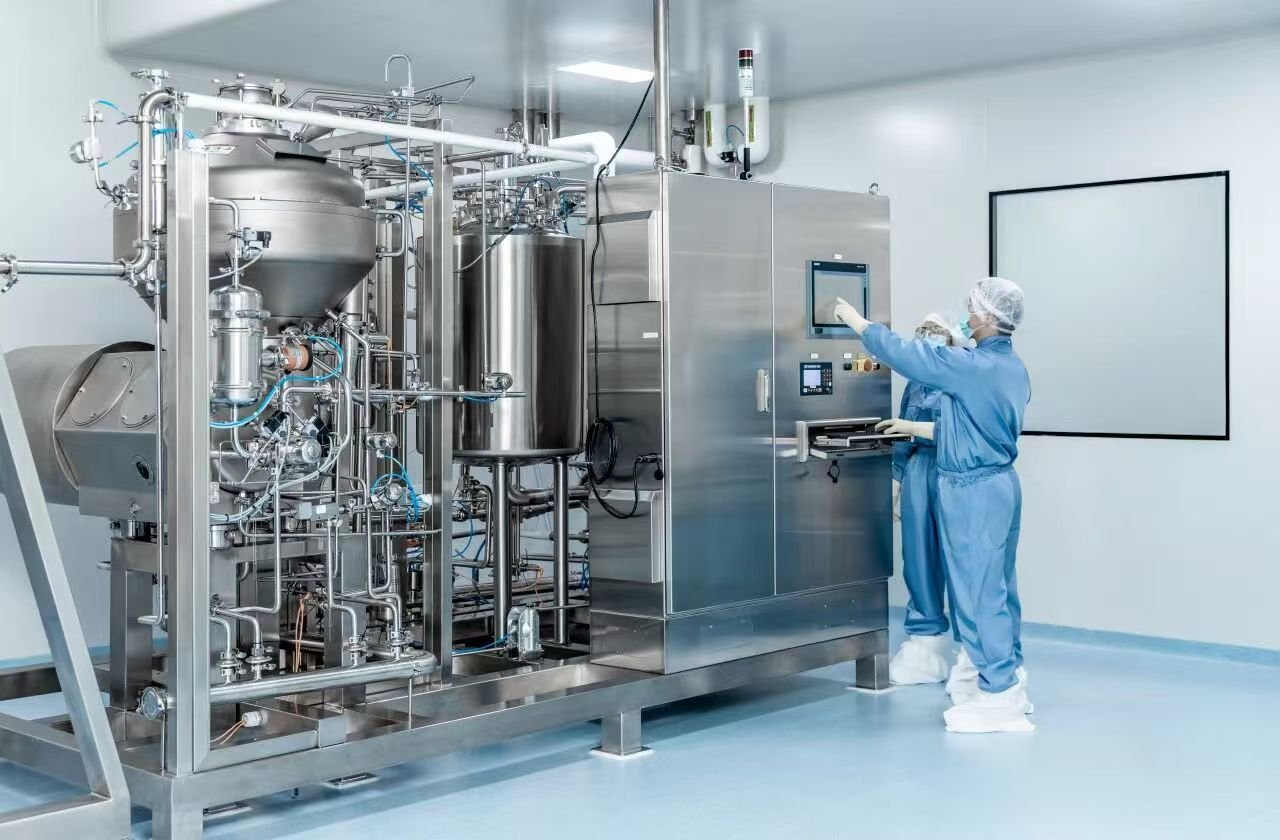
In terms of core configuration, the microfiltration skid adopts a modular integrated design, which is composed of a precision filter membrane group, pressure control system, flow monitoring module, automatic backwashing unit and sterile pipeline system. The filter core usually adopts 0.22μm PES hydrophilic membrane or PVDF membrane with low protein adsorption characteristics. This type of membrane has uniform pore size, good chemical compatibility and extremely low non-specific adsorption, which can effectively avoid the loss of active nutrients caused by membrane adsorption while intercepting microorganisms efficiently. For media with high viscosity or high protein content, the graded filtration process of coarse filtration first and fine sterilization filtration later can be adopted to prevent membrane pore blockage and ensure stable and continuous filtration effect.
Different from the discrete filtration equipment in the traditional laboratory, the modular skid realizes integrated and automated process control. The built-in pressure and flow sensors monitor the filtration state in real time, and the system can automatically adjust the operating parameters to ensure the stability of the filtration process. The fully closed sterile pipeline design avoids secondary contamination of the medium during the transfer process, further improving the qualification rate of medium sterilization.
Core Advantages of Microfiltration Modular Skids Replacing Traditional Heat Sterilization
1. Zero thermal damage, complete retention of active nutrients
The microfiltration sterilization process is carried out at room temperature and normal pressure, without any high-temperature and high-pressure intervention, which completely avoids the decomposition, denaturation and failure of heat-sensitive nutrients. The low-adsorption filter membrane material ensures that key active substances such as growth factors and proteins in the medium will not be lost due to adsorption interception. Practical application data shows that compared with traditional heat sterilization, the active nutrient retention rate of medium treated by microfiltration skid is increased by more than 30%, which significantly improves the biological activity of the medium and creates a more suitable growth environment for cells and microorganisms.
2. Stable and reliable sterilization effect, consistent batch quality
The precision microporous filter membrane has a fixed pore size grading, which can stably intercept all common bacteria, fungi and spores in the medium, and the sterile qualification rate is stable at 99.99%. The modular automatic control system eliminates the error interference caused by manual operation and parameter adjustment in traditional heat sterilization. The filtration process parameters are precisely controllable and repeatable, ensuring that the nutrient composition and sterile state of each batch of medium are highly consistent, effectively solving the problem of large quality fluctuations in biological production.
3. Energy-saving and efficient, reducing comprehensive production costs
Traditional heat sterilization requires long-time heating and pressure maintaining, with high energy consumption and low efficiency. The microfiltration modular skid has a fast filtration speed and a short process cycle, which can complete the sterile treatment of medium in a short time. At the same time, the modular structure supports flexible assembly and on-site deployment, adapting to laboratory small-batch preparation and industrial large-scale continuous production. The reusable filter core and automatic cleaning function reduce the frequency of consumable replacement and equipment maintenance, greatly saving energy consumption and production and maintenance costs for enterprises.
4. Wide applicability, covering multiple biological application scenarios
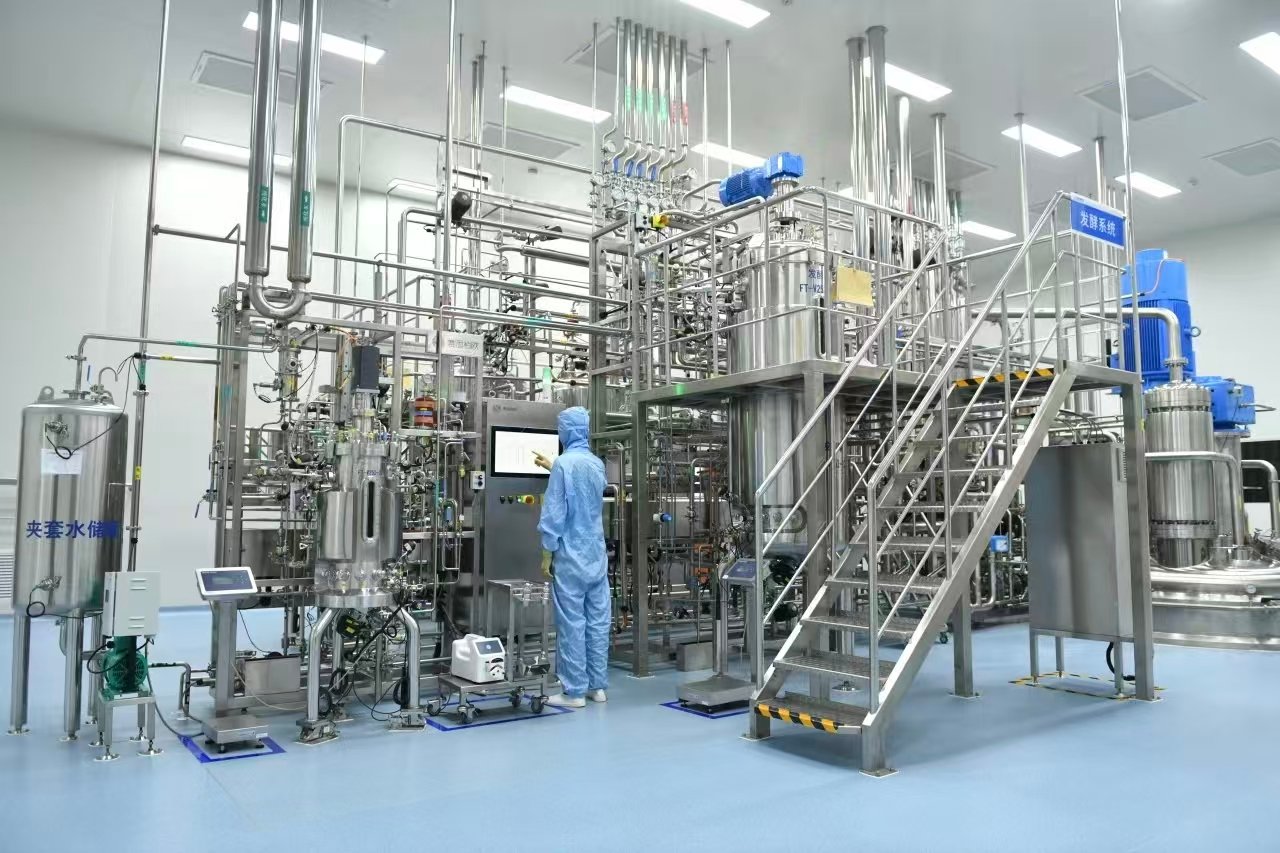
The microfiltration skid has excellent compatibility and can be widely used in sterile treatment of various heat-sensitive media, including cell culture medium, microbial fermentation medium containing antibiotics and vitamins, serum-containing complex medium, and sugar-rich biological medium. It can also be matched with upstream batching and downstream filling processes to form a fully enclosed sterile production line, which is suitable for biopharmaceuticals, microbial fermentation, cell engineering, laboratory research and other fields, with strong scene adaptability.
Application Prospects and Summary
With the continuous upgrading of the biological industry towards high precision and high efficiency, the requirements for medium activity, production stability and product yield are becoming increasingly stringent. The traditional heat sterilization process, due to its inherent defect of thermal damage to heat-sensitive nutrients, can no longer meet the production needs of high-end biological products. As an innovative sterile treatment technology, microfiltration modular skid breaks through the limitations of traditional processes, realizes the perfect unity of efficient sterilization and full nutrient retention, and brings revolutionary improvements to the medium preparation process in the biological field.
Focusing on the pain points of biological medium sterilization and nutrient protection, Sino Bioengineering has continuously optimized the microfiltration modular skid technology. Through customized modular design, high-precision low-adsorption filter configuration and intelligent process control system optimization, the brand’s sterile filtration skid products have more stable filtration performance, higher nutrient retention rate and stronger scene adaptability. It can effectively solve the problem of thermal damage of heat-sensitive nutrients in medium sterilization, help biological enterprises and scientific research institutions improve medium utilization efficiency, stabilize product quality, reduce comprehensive production costs, and provide reliable technical equipment support for the high-quality development of the modern biological engineering industry.