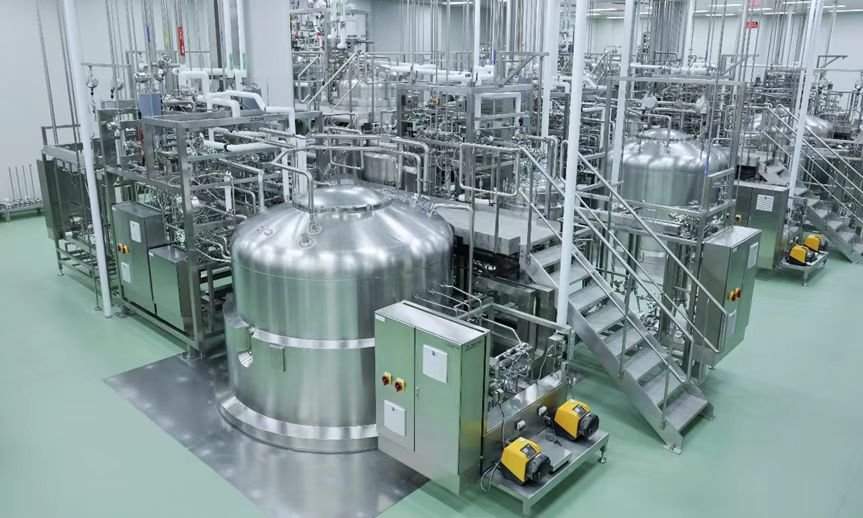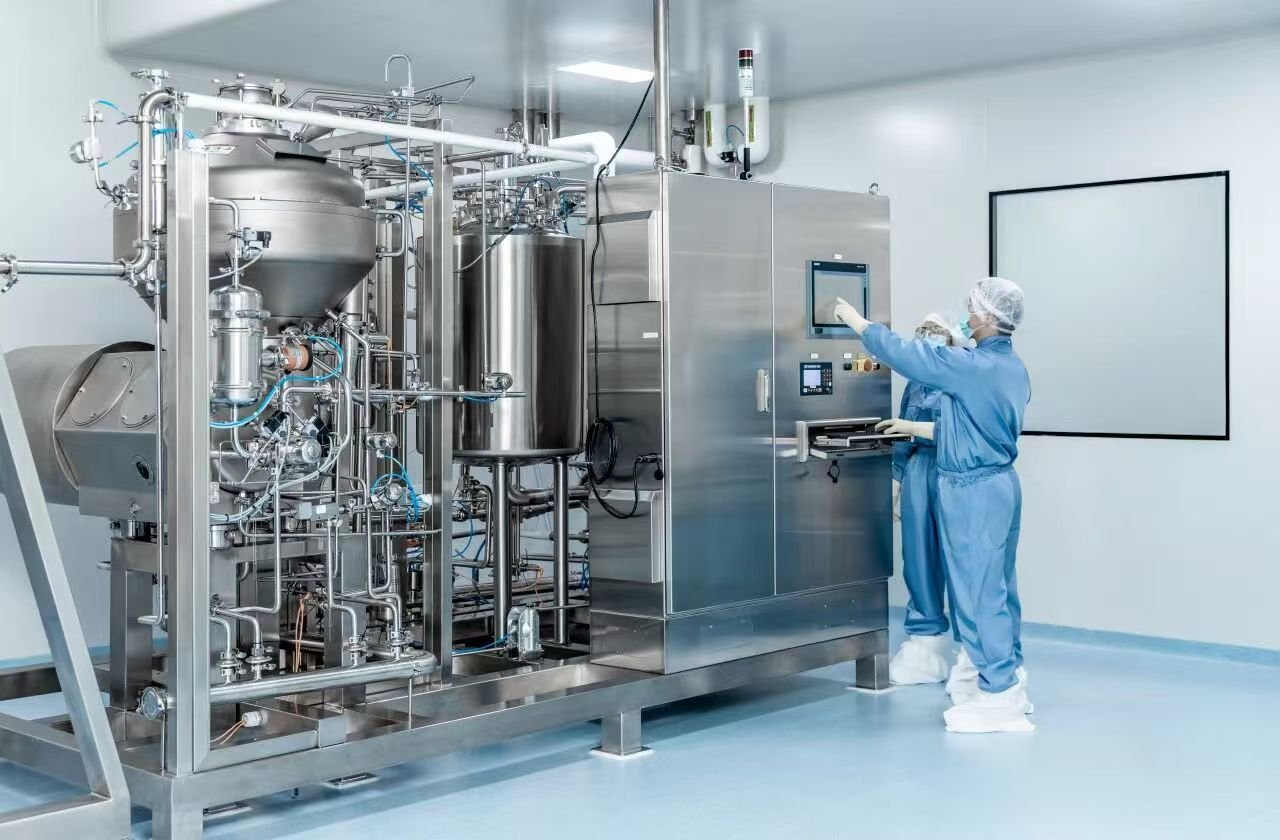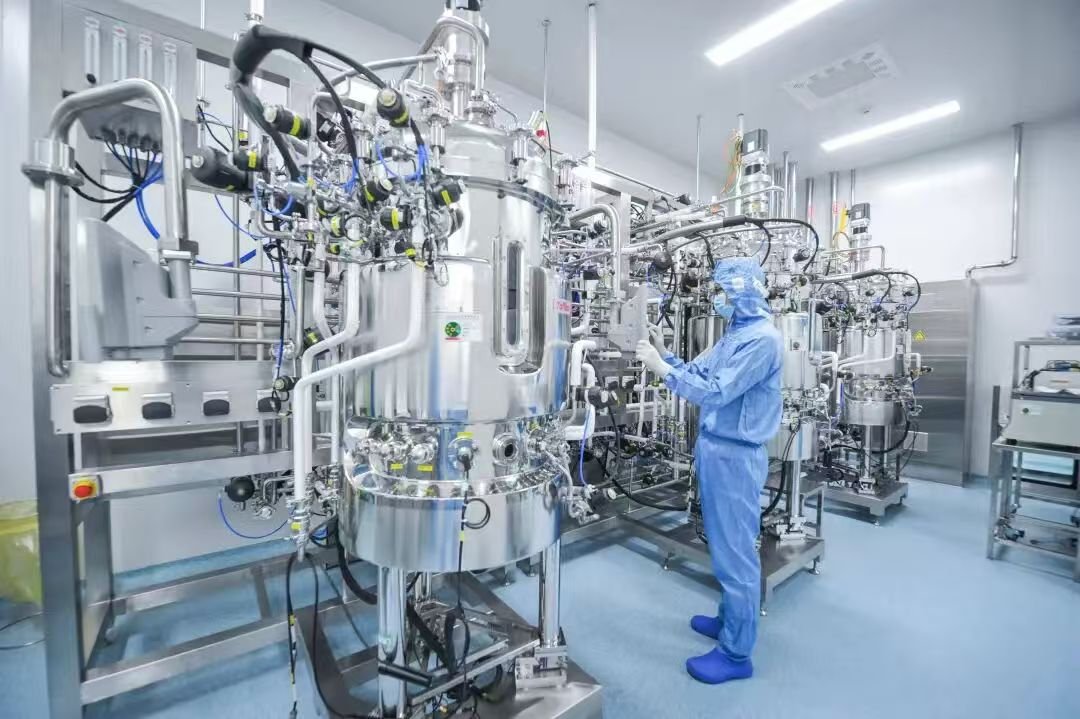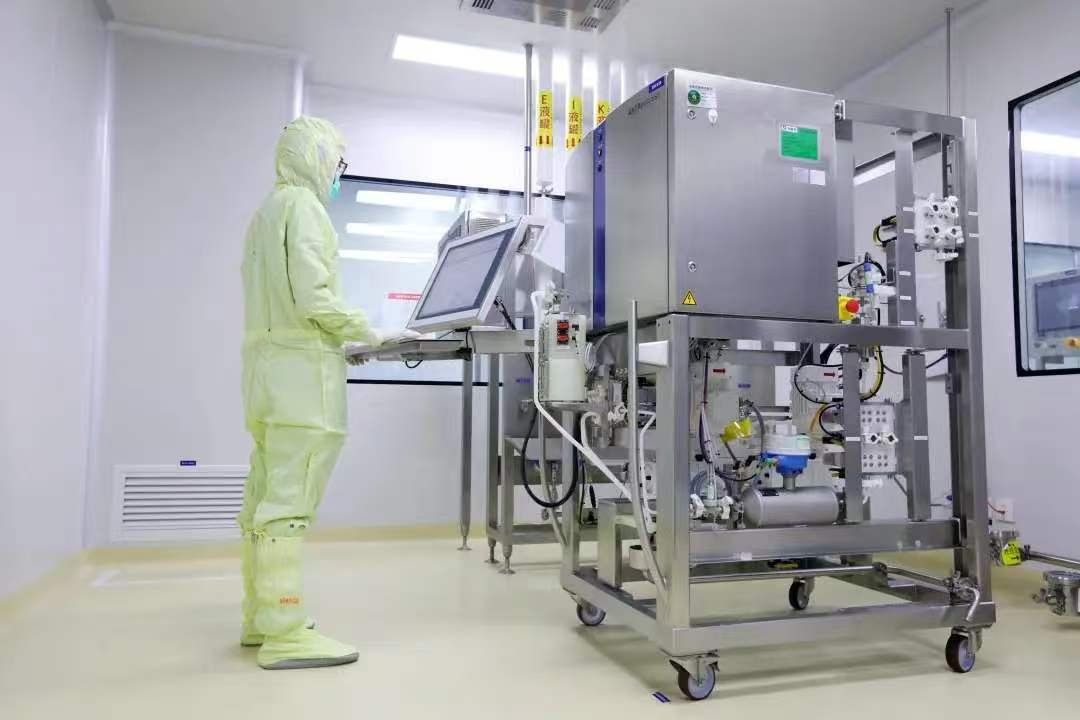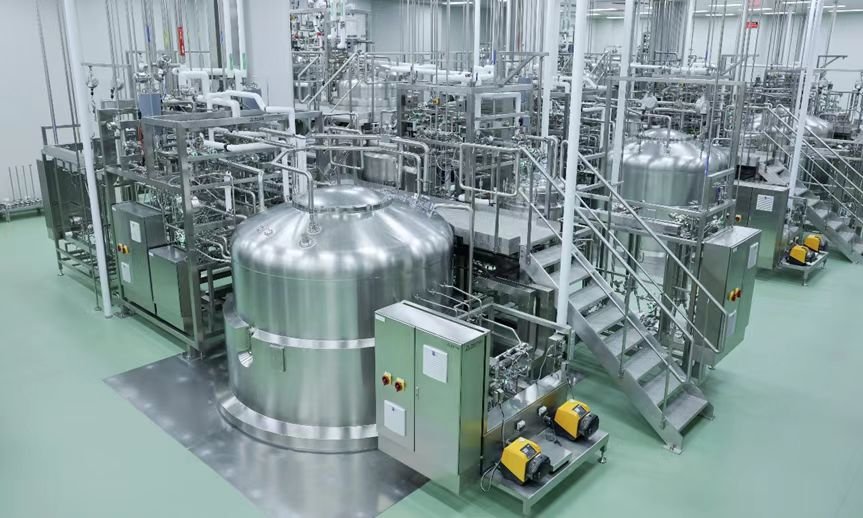
Bioreactor technology is widely applied in cell-culture-based viral vaccine manufacturing. Especially during the COVID-19 pandemic, its advancement and application enabled efficient and cost-effective vaccine production to meet global demands. This paper firstly classifies viral vaccine types and animal cell lines adopted for vaccine manufacture, elaborates major bioreactor categories, summarizes core parameters governing large-scale viral propagation and their impacts on viral yield. It systematically evaluates process optimization strategies for producing various viruses including SARS-CoV-2, influenza virus, tropical viruses, enteroviruses and rabies virus via bioreactors. The synergistic development of bioreactors and computational biology is also discussed, aiming to provide valuable references for laboratory-scale simulation and industrial large-scale vaccine production.
1. Introduction
Bioreactors play an irreplaceable role in large-scale viral vaccine production relying on cell culture. With technological advances in vaccine manufacturing, scalable bioreactors and cell lines with high viral affinity have been increasingly utilized across diverse vaccine pipelines. In 1962, Capstick et al. domesticated BHK21 cells for suspension culture and applied the technique to veterinary vaccine production. In 1967, Van Wezel developed microcarriers, enabling adherent cell cultivation in bioreactors and marking the commencement of large-scale cell culture. Since the 1980s, suspension culture of CHO cells and therapeutic antibody manufacturing have substantially promoted bioreactor deployment in biopharmaceuticals, with cultivation scale reaching 10,000 liters by the end of the 20th century. Currently, fed-batch culture, perfusion culture and genetic engineering have evolved bioreactors into versatile platforms for manufacturing viral vectors, live viruses and viral-based vaccines. Integrating low-shear characteristics of traditional systems and scalability of automated facilities, modern bioreactors possess broad application prospects.
Emerging infectious diseases severely disrupt social stability and threaten public health. The global spread of Coronavirus Disease 2019 (COVID-19) caused by Severe Acute Respiratory Syndrome Coronavirus 2 (SARS-CoV-2) exemplifies such crises. Vaccine research and development achieved unprecedented progress amid the pandemic. By April 4, 2022, over 11.25 billion vaccine doses had been administered worldwide. Public health authorities indicated that herd immunity could only be established via high vaccination coverage against SARS-CoV-2. Nevertheless, economic downturns in low-income regions constrained vaccine manufacturing and procurement funds, resulting in uneven global vaccine distribution. Additionally, mRNA vaccine production faces bottlenecks including raw material shortages and scale-up difficulties. Conventional inactivated whole-virus vaccines feature convenient refrigerated storage and distribution, yet their output fails to satisfy herd immunity requirements.
For pathogens analogous to SARS-CoV-2, large-scale vaccine production underpins global disease prevention and eradication. High viral mutation rates tend to diminish vaccine protective efficacy, highlighting the urgency of exploring cell culture and vaccine manufacturing techniques at laboratory scale. Cell culture-based bioreactor production of antigens and antibodies constitutes the core technology of biopharmaceutical mass production. Combination of sophisticated process control and high-yield cell line domestication enhances production efficiency, product quality and cost competitiveness. Laboratory-scale experiments facilitate optimization of physical and chemical parameters, formulate mature cultivation protocols for industrial scale-up and shorten production cycles. Furthermore, lab-scale studies provide pilot-scale conditions for novel vaccine development to maximize product yield and quality.
2. Bioreactor-based Vaccine Manufacturing
2.1 Vaccine Classification
Predominant viral vaccines are categorized into inactivated vaccines and live attenuated vaccines. Derivative subtypes include protein subunit vaccines, virus-like particle vaccines, replicable viral vector vaccines and nucleic acid vaccines with distinct technical principles.
Protein subunit vaccines: Trigger immune responses using synthetic peptides or recombinant viral proteins and fragments.
Virus-like particle vaccines: Composed of structural viral proteins devoid of genetic materials.
Viral vector vaccines: Deliver viral DNA into human cells via non-replicative viral carriers.
Inactivated vaccines: Viruses propagated in continuous cell lines or tissues are purified, concentrated and chemically inactivated.
Live attenuated vaccines: Viral virulence is attenuated through genetic component deletion or codon optimization while immunogenicity is retained.
Viral evolution and mutation generate new strains capable of evading existing vaccine protection, altering the potency of different vaccine types. Viruses with high mutation rates are unsuitable for live attenuated vaccine preparation due to potential virulence reversion during cultivation. Attenuated strains also exhibit compromised proliferation capacity, leading to reduced production yield. Inactivated vaccines derived from wild-type viruses yield higher viral titers, yet handling highly pathogenic live wild viruses demands Biosafety Level 3 containment. Screening and domestication of high-expression cell lines serve as critical foundations for large-scale vaccine production.
2.2 Selection and Development of Cell Lines
Advancements in cell culture systems drive viral vaccine innovation. Primary chicken embryo fibroblasts are conventionally adopted for human vaccine production. Continuous cell lines overcome limitations of primary cells and adapt to modern cultivation technologies, with engineered cell strains widely optimized for enhanced viral productivity.
Vero cells proliferate exclusively on appropriate microcarrier surfaces. Preflucel®, a seasonal inactivated influenza vaccine manufactured by Baxter utilizing Vero cells cultured on Cytodex 3 microcarriers, obtained EU marketing authorization in 2010, covering H1N1, H3N2 and influenza B strains. Recent studies employing Vesicular Stomatitis Virus (VSV) as a model verified that suspension Vero cells cultivated in serum-free medium (SFM) attained equivalent or superior maximum cell density compared with commercial media, reaching 8×10⁶ cells/mL in IHMO3 medium.
Madin-Darby Canine Kidney (MDCK) cells have become the dominant suspension cell line for influenza vaccine production. Cultivated in bioreactors equipped with Alternating Tangential Flow (ATF) perfusion systems, MDCK cells yield peak hemagglutination titer of 4.37 log₁₀ HAU/100 μL and infectious viral titer of 1.83×10¹⁰ particles/mL for influenza A virus.
PER.C6 cells achieve high-density suspension growth up to 10⁷ cells/mL in SFM without solid supports and display broad susceptibility to influenza strains, qualifying them for influenza vaccine manufacturing.
Chinese Hamster Ovary (CHO) cells represent promising engineered cell strains with ongoing cultivation optimization research. MSCC cultivation benefits mammalian cell growth in terms of specific growth rate, cell diameter and eGFP expression. The ActiCHO process significantly elevates cell volume and monoclonal antibody yield compared with traditional protocols. The sophisticated glycosylation system of CHO cells facilitates stable SARS-CoV-2 antigen expression and generates glycosylated spike proteins with improved antibody detection sensitivity and specificity. ZF2001, a domestic recombinant COVID-19 vaccine jointly developed by the Institute of Microbiology, Chinese Academy of Sciences and Anhui Zhifei Longcom Biopharmaceutical, adopts CHO cell expression systems. Immobilized Metal Affinity Chromatography (IMAC) purification achieves spike protein productivity exceeding 5 mg/L at 32 °C.
Human Embryonic Kidney 293 (HEK293) cells are primary hosts for transient recombinant protein expression. Immortalized via adenovirus type 5 gene integration, E1A and E1B proteins regulate cell cycle and apoptosis to sustain robust proliferation. Expi293F™ cells produce COVID-19 antigens with receptor-binding domain yield reaching 90 mg/mL under conventional transfection protocols.
Each virus possesses optimal host cell lines. Human diploid cells such as MRC5 feature genetic stability and favorable biosafety profiles, whereas their low scalability restricts large-scale manufacturing.
3. Development and Process Optimization of Bioreactors for Viral Production
3.1 Classification of Bioreactors
Traditional two-dimensional cultivation carries risks of microbial contamination, cell mutation and limited productivity. Bioreactor applications effectively mitigate these drawbacks. Early bioreactor designs originated from microbial fermentation stirred-tank configurations. Low-shear bioreactors were subsequently developed to alleviate mechanical damage to mammalian cells.
Bioreactor design determines cellular growth status, product quality and manufacturing efficiency. Continuous multi-stage cultivation systems maintain steady-state parameters to avoid repeated sterilization downtime. Bioreactors are classified into stirred-tank, airlift, hollow-fiber and single-use types, and further divided into adherent, embedded and suspension cultivation categories based on culture modes.
Novel single-use fixed-bed bioreactors including iCELLis®500 series enable high-titer live virus production with simplified operation and real-time online monitoring of pH, dissolved oxygen (DO) and temperature. The scale-X fixed-bed platform developed by Univercells boosts viral titer by 2–4 folds per unit surface area for recombinant VSV vaccine production. Corning Ascent bioreactors adopt optimized low-shear aeration and nutrient supply strategies. Comparative studies demonstrate equivalent lentivirus and adenovirus productivity between iCELLisNano and scale-XHydro systems, with superior cell distribution uniformity observed in scale-XHydro.
Conventional rolling bottle adherent culture suffers from labor intensity, high cost and space constraints, hindering industrial scale-up. Suspension culture emerges as a superior alternative. Wave 25 bioreactors integrate intelligent sensors and swing control to preserve cell viability and enhance viral yield. The Ambr250 high-throughput parallel cultivation system supports 48 simultaneous experimental runs with working volumes ranging from 100 mL to 250 mL. Automated suspension cultivation is poised to replace adherent culture as the mainstream large-scale manufacturing approach.
3.2 Yield Enhancement via Process Optimization
Upstream bioprocess development targets manufacturing cost reduction. Viral productivity positively correlates with viable cell density and physiological activity. Key adjustable parameters encompass physical and chemical conditions, multiplicity of infection (MOI), time of infection, nutritional composition and ionic concentration.
Cell Density and Metabolic State
Recombinant proteins are harvested at peak concentration in batch cultures. Viral propagation involves multi-round intracellular replication, assembly and host cell lysis. Final viral titer is predominantly determined by maximum cell density. Metabolic byproducts including lactic acid and ammonia inhibit viral amplification, necessitating microenvironment optimization at laboratory scale to guide industrial parameter regulation.
Shear Stress
Agitation and aeration-induced shear force impairs enveloped virus integrity. Measles virus titer declines by 1,000 times under intensive stirring and bubbling conditions. Headspace aeration reduces shear damage while satisfying oxygen demand. Single-use bioreactors such as BIOSTAT®RMTX adopt gentle stirring designs and gravity harvesting systems to minimize mechanical trauma and contamination risks. Balanced optimization strategies are required to reconcile low-shear adherent culture scalability limitations and high-yield suspension cultivation challenges.
Multiplicity of Infection
Viral degradation prior to host cell attachment should be considered for optimal MOI determination. Cascaded stirred-tank cultivation presents a peak titer corresponding to specific MOI values. Excess viral inoculum triggers defective interfering particle replication and suppresses maximum production capacity.
Residence and Harvest Time
Viral infectivity declines after reaching peak titer, accompanied by elevated host DNA and protein impurities. Distinct parameter settings are required for cell proliferation and viral replication phases. Timely harvesting balances infectious particle proportion and purification purity. Long-term genetic stability and mutation risks during continuous cultivation remain unresolved regulatory concerns.
Microcarrier Culture
Microcarrier cultivation combines merits of suspension and adherent culture, expanding adherent cell growth surface area. Vero cells cultured on 3 g/L Cytodex 1 microcarriers reach density of 2.6×10⁶ cells/mL. Drawbacks include high seed cell consumption and shear-induced cytopathic effects. Hollow microcarriers protect anchorage-dependent cells from mechanical stress while ensuring homogeneous mass transfer, facilitating scale-up of shear-sensitive cell cultivation.
High-Density Cell Culture
Conventional vaccine production sustains cell density between 2×10⁶ and 4×10⁶ cells/mL. Fed-batch and perfusion strategies achieve high-density cultivation, accompanied by reduced specific viral productivity due to cell density inhibition. Perfusion culture eliminates metabolic waste accumulation and preserves cellular productivity. Characterized by compact volume, rapid product recovery and activity retention, perfusion technology demands sophisticated operation and medium consumption. Automated perfusion rate regulation maintains stable cell concentration up to 3×10⁷ cells/mL and viral titer of 1×10¹⁰ particles/mL, with aseptic risks and medium utilization efficiency remaining optimization priorities.
4. Large-Scale Cultivation of Diverse Viruses
Viral yield varies significantly with cell lines, media formulations, bioreactor configurations and physicochemical parameters. Optimized cultivation protocols tailored to individual viruses substantially improve vaccine output capacity.
4.1 SARS-CoV-2
The COVID-19 pandemic drove rapid vaccine development, with 195 preclinical and 144 clinical candidates developed by February 2022 across inactivated, protein subunit, adenoviral vector and mRNA platforms.
Vero cell cultivation in CelCradle bioreactors achieves peak titer of 7.3 log₁₀ TCID₅₀/mL under MOI 0.006 at 33 °C. BBIBP-CorV, the first approved inactivated COVID-19 vaccine, obtains viral titer of 7.0 log₁₀ CCID₅₀/mL with MOI ranging from 0.01 to 0.3. Strain selection profoundly influences production performance, with HB02 strain demonstrating high productivity and genetic stability.
HEK293 cells generate adenoviral vector titers up to 5×10¹¹ VP/mL under MOI 5–10, doubling conventional batch production efficiency via perfusion cultivation.
Recombinant spike protein yields reach 53 mg/L in CHO-S suspension systems. Temperature shift and transfection optimization further enhance antigen productivity in industrial stirred-tank bioreactors.
rVSV-based vaccines attain infectious titer of 3.59×10⁹ TCID₅₀/mL in optimized Vero cell culture.
Vero and CHO cell lines dominate SARS-CoV-2 production, with ongoing improvements in environmental monitoring and medium formulation required for further yield elevation.
4.2 Influenza Virus
MDCK, Vero and PER.C6 cells serve as mainstream hosts for influenza vaccine manufacturing. High-density cultivation of PBG.PK2.1 cells coupled with ATF hollow-fiber systems achieves cell density of 50×10⁶ cells/mL and hemagglutination titer of 3.93 log₁₀ HAU/100 mL. Semi-perfusion MDCK culture yields maximum titer of 4.5 log₁₀ HAU/100 mL and 10¹⁰ particles/mL infectious virus. Integrated ATF perfusion bioreactors accumulate HA titer of 4.37 log₁₀ HAU/100 μL. Inclined settlers outperform conventional ATF systems, boosting total viral output to (5.4–6.5)×10¹³ particles and cell-specific productivity to 3,474 particles per cell. Scalable perfusion technology presents viable solutions for seasonal influenza vaccine mass production.
4.3 Tropical Viruses
Dengue virus: Serum-free media enhance viral yield by 0.3–2.6 folds. Vero cells achieve superior productivity while MRC-5-derived strains exhibit better genetic stability.
Zika virus: BHK-21 suspension culture produces 3.9×10⁷ PFU/mL virus via ATF perfusion. EB66 cell cultivation optimizes viral titer to 1.0×10¹⁰ PFU/mL with automated capacitance-based perfusion control, elevating total production by three orders of magnitude.
Chikungunya virus: Insect cell culture generates 2.1 mg/L virus-like particles. Vero cell cultivation obtains infectious titer of 1.4×10⁹ PFU/mL, with limited process optimization research reported.
Ebola virus: rVSV-ZEBOV vaccine achieves peak titer of 1.19×10⁸ TCID₅₀/mL in HEK293SF cells. Fixed-bed bioreactors enhance cell-specific infectious particle productivity by 1.9 times. Optimized Vero suspension culture reaches maximum titer of 3.87×10⁷ TCID₅₀/mL.
4.4 Enteroviruses
Enterovirus 71 (EV71) vaccines prevent hand, foot and mouth disease. Microcarrier bioreactors produce peak EV71 titer of 1.0×10⁸ TCID₅₀/mL. Multi-harvest semi-batch and perfusion strategies increase yield by 7–14 folds. A 200 L serum-free microcarrier platform establishes scalable inactivated vaccine production with titer of 10⁷ TCID₅₀/mL. Optimal VP-SFM medium supports superior Vero cell growth and viral propagation.
Coxsackievirus A16 cultivation on polymeric fiber carriers attains titer of 7.8×10⁷ TCID₅₀/mL. Low-shear fiber materials mitigate cytopathic damage, facilitating inactivated vaccine development.
4.5 Rabies Virus
Vero cell perfusion culture reaches cell density of 5×10⁶ cells/mL and peak rabies viral titer of 1.38×10⁸ FFU/mL. Serum-free suspension-adapted VeroS cells sustain viral titer exceeding 10⁷ FFU/mL with improved specific productivity. Further technological refinement is required to enhance suspension culture density and downstream processing efficiency, alongside research on human diploid cell-based production systems.
5. Large-Scale Upstream Process Simulation via Computational Biology
Substantial discrepancies exist between laboratory and industrial bioreactor scales. Computational biology addresses scale-up challenges through parametric simulation and optimal modeling, reducing experimental costs and accelerating process development.
Computational Fluid Dynamics (CFD) analysis verifies that inverted mixing bioreactors generate significantly lower shear stress than traditional configurations, protecting cellular physiological activity and maximizing growth density. High-Dimensional Model Representation (HDMR) and COMSOL Multiphysics simulate perfusion culture sensitivity and optimize physicochemical cultivation parameters. Agent-Based Modeling (ABM) predicts cell cycle dynamics responding to environmental variations with experimental validation.
SuperPro Designer software economically evaluates adenoviral vaccine production, confirming that perfusion culture achieves viral titer of 1×10¹² VP/mL and annual output capacity of 4 million doses. Current computational models face limitations including insufficient quantitative datasets and oversimplified cellular structure simulation, resulting in deviations between theoretical and practical outcomes. Deepened interdisciplinary integration between computational biology and bioreactor engineering is essential to resolve scale-up discrepancies.
6. Conclusion
Vaccine supply capacity determines immunization accessibility, especially in low and middle-income regions. Laboratory-scale investigations accumulate fundamental data to guide bioreactor selection and process design for intensified viral vaccine manufacturing. Further productivity improvements rely on medium optimization, innovative cultivation protocols, high-performance cell line development and automated control systems. Omics technologies enable targeted design of high-density growth and viral synthesis strategies. Real-time online metabolite monitoring realizes intelligent feeding and perfusion regulation. Computational modeling accelerates vaccine response against emerging infectious diseases. The integrated advancement of these technologies drives efficient, economical vaccine production and constitutes core directions for future biopharmaceutical research.
As a leading process-oriented engineering company, Sino Bioengineering delivers professional bioengineering solutions and comprehensive technical services to clients worldwide.
For more products and solutions: https://sinobioengg.com/category/solution/
For more service: https://sinobioengg.com/category/service/