
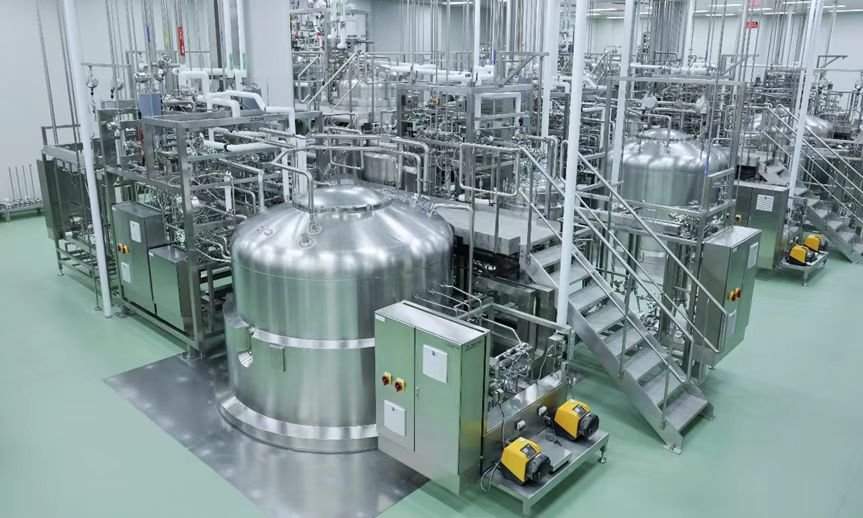

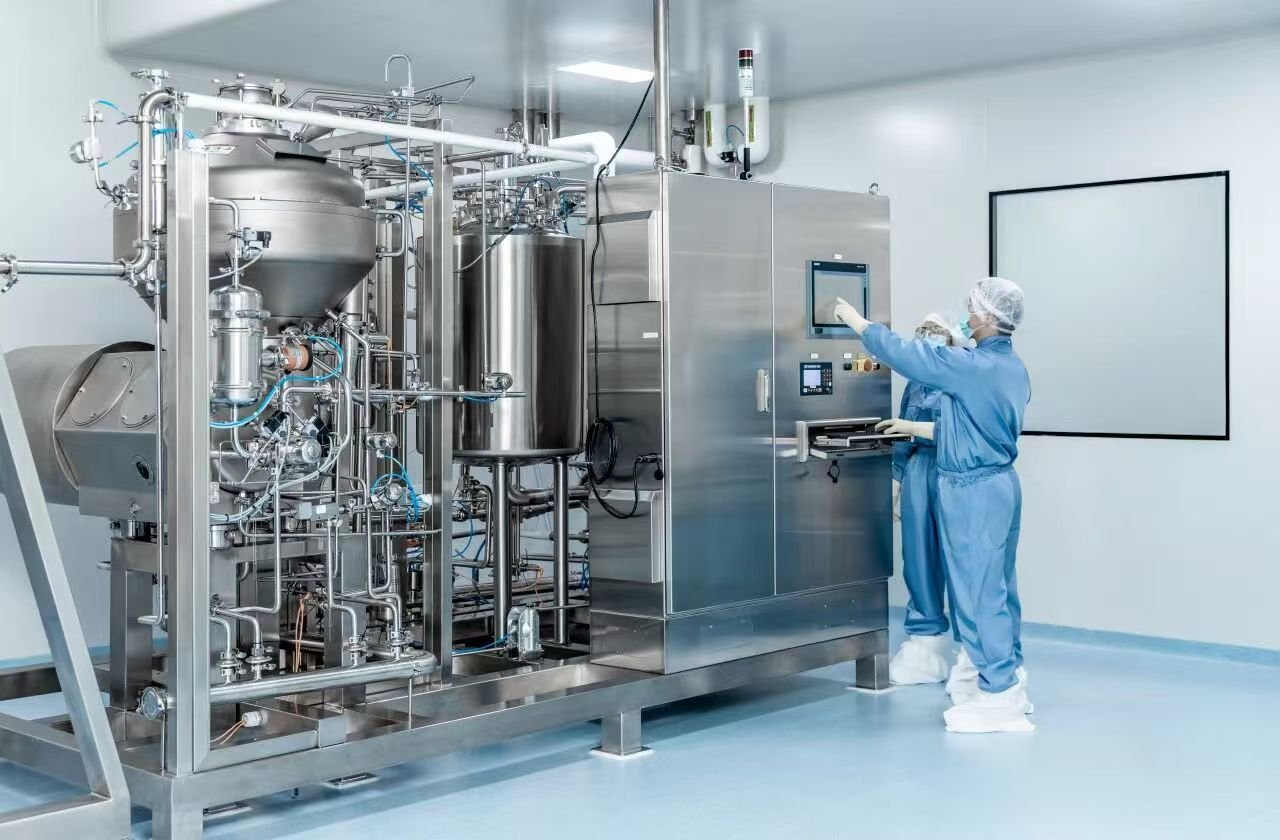
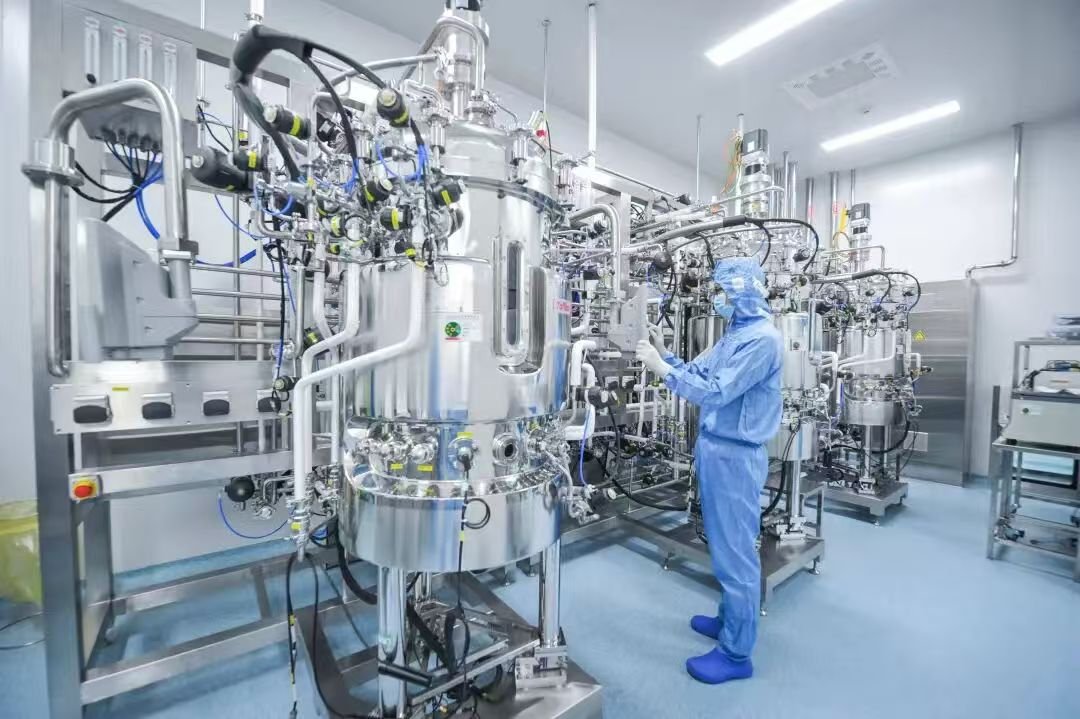
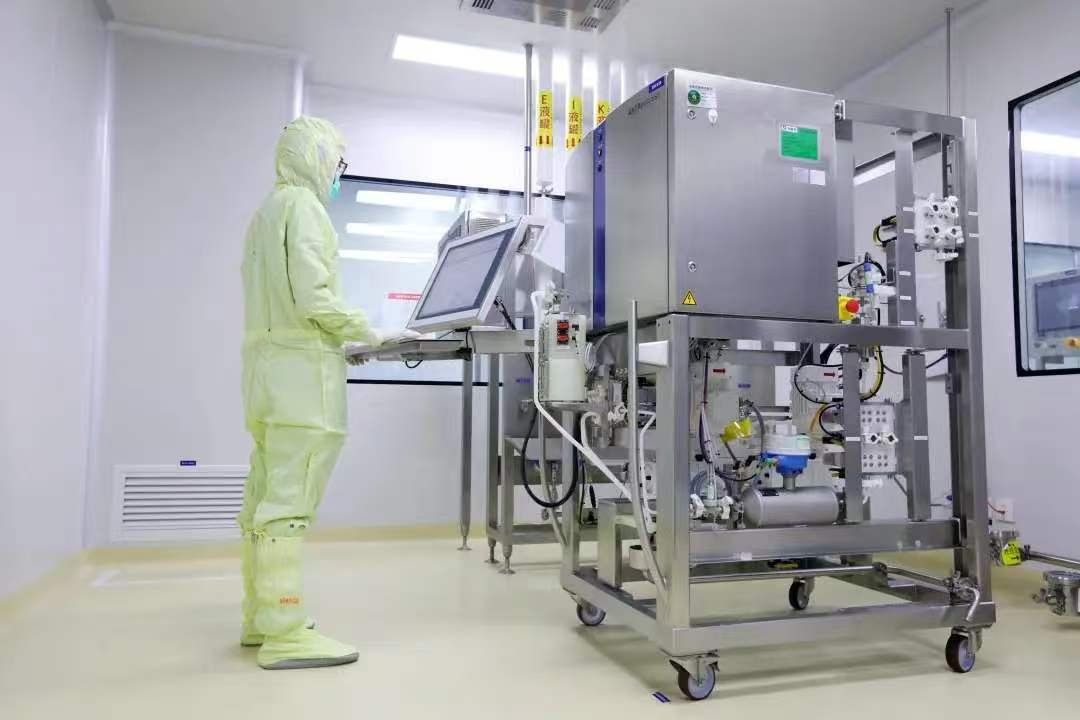
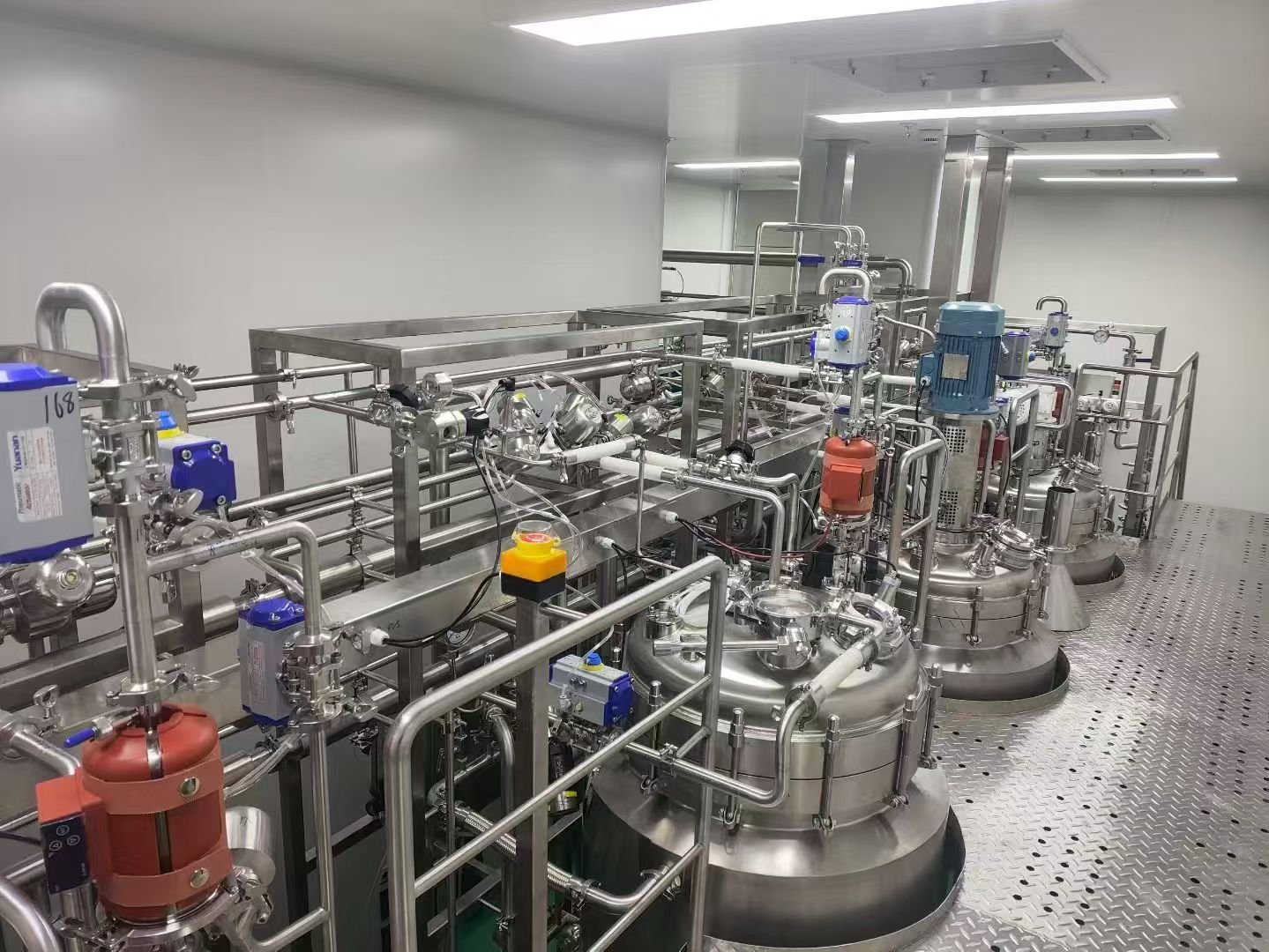
Modern bioreactors are no longer simple cultivation vessels, but sophisticated engineered microecosystems. Designed to deliver optimal growth conditions for cells, they integrate engineering and biological theories to achieve precise regulation of life processes. Innovative geometric configurations optimize fluid mixing and eliminate dead zones, enabling even distribution of nutrients and oxygen, and enhancing cell viability and productivity. Significant material advancements have shifted conventional setups toward single-use systems, streamlining cleaning and sterilization procedures while creating milder environments for cell mixing and oxygen mass transfer.
Contemporary bioreactor design prioritizes scalability, maintaining consistent process performance from lab-scale prototypes to industrial-scale production equipment. The integration of advanced materials, novel geometric structures, real-time sensing modules and intelligent software transforms traditional vessels into dynamic, adaptive microenvironments. These systems accurately simulate and refine bioprocess parameters, mitigating heterogeneity and shear stress induced by scale-up, and deliver reliable, efficient manufacturing solutions for high-value biopharmaceuticals.
Core Challenges in Bioprocess Scale-Up
Scaling bioprocesses from laboratory research to industrial production poses substantial hurdles. The primary objective is to expand production capacity while preserving product quality, process stability and full regulatory compliance. Heterogeneity stands as a prevalent issue. Parameters including temperature, pH, dissolved oxygen and nutrient concentration remain homogeneous at lab scale, yet tend to fluctuate drastically in large-scale bioreactors, impairing cell vitality, product yield and quality attributes.
Shear stress constitutes another critical bottleneck during scale transition. Intensified agitation and aeration deployed for sufficient mixing and gas exchange inevitably inflict mechanical damage on fragile cells, undermining production efficiency. Optimized mixing regimens, rational bioreactor configurations and well-calibrated agitation-aeration modes are essential to safeguard cell activity. The reduced surface-area-to-volume ratio of enlarged vessels restricts oxygen transfer capacity, necessitating high-efficiency aeration systems, oxygen carriers or microbubble technology to secure adequate oxygen supply.
Raw material consistency profoundly governs process stability. Variations in composition and quality of starting materials trigger fluctuations in production yield and product characteristics, demanding rigorous supply chain supervision and stringent quality control protocols. The biopharmaceutical industry enforces stringent regulatory requirements covering validation, documentation and quality assurance, imposing rigorous standards on process controllability and traceability.
Economic and environmental factors are indispensable considerations. Large-scale facilities and comprehensive process validation incur substantial capital costs, accompanied by elevated energy consumption and waste discharge. Scale-up strategies must balance cost containment and sustainable development via rational resource allocation and emission reduction.
From an engineering perspective, bioreactor scale-up involves intricate nonlinear dynamics. Volume expansion alters mass and heat transfer efficiency and exacerbates shear stress, making direct proportional scaling incapable of equivalent yield and quality reproduction. Successful scale-up requires profound insight into how physical variations modulate systematic biological responses. Computational Fluid Dynamics (CFD) modeling and extensive experimental verification are adopted to sustain bioequivalence. Bioprocess scale-up arises from complex interactions between physical engineering and cellular reactions, rather than simplistic geometric magnification.
Scale-Up versus Scale-Out: Two Fundamental Expansion Strategies
Two predominant strategies are adopted to elevate biomanufacturing throughput: scale-up and scale-out.
Scale-up refers to productivity enhancement by deploying larger-volume bioreactors, widely applied in industrial manufacturing of monoclonal antibodies and vaccines. Delicate process optimization is mandatory to stabilize core parameters such as oxygen transfer efficiency, nutrient distribution and pH regulation under enlarged working volumes. Major challenges include homogeneous reaction conditioning, oxygen transfer limitation, shear-induced cell impairment, uneven nutrient dispersion and rigorous regulatory validation. This approach excels in high-volume batch production with feasible regulatory approval pathways.
Scale-out maintains individual reactor volume and boosts total output through parallel operation of multiple small-scale units. It fits perfectly into personalized medicine and cell therapy, which require highly controllable, reproducible conditions for patient-specific small-batch therapeutics. Modular production layouts enable flexible batch scheduling, yet entail drawbacks including complicated logistics management, intensified labor intensity, expanded floor occupation and increased quality control expenditure. Its prominent advantages lie in uniform cultivation conditions across batches and superior production schedule flexibility.
Product categories and market demands determine expansion strategy selection. Conventional scale-up pursues high single-batch output and economies of scale, while parallel scale-out prioritizes operational flexibility and customized production. Such strategic divergence reflects the evolving trend of diversified product portfolios in biomanufacturing, calling for adaptive facility design, automated operation systems and regulatory frameworks to accommodate varied production modes.
Key Determinants for Successful Scale-Up
To replicate optimal lab-scale bioprocess performance in industrial manufacturing, excessive secondary optimization on scaled-up production should be minimized, and cellular growth microenvironments must be reproduced uniformly across all scales.
Constant power input per unit volume (P/V) serves as a mainstream scale-up criterion. Mechanical shear stress, mixing uniformity, aerobic oxygen mass transfer and carbon dioxide stripping are closely correlated with volumetric power input. Impellers with elevated power number facilitate thorough mixing at low rotational speed, effectively mitigating shear damage to sensitive cells. Constant impeller tip speed is another vital parameter governing fluid velocity and shear intensity, further influencing mixing duration and oxygen transfer efficiency. Stable tip speed sustains steady shear stress yet compromises mixing efficiency in large vessels. Accelerated rotation improves fluid blending but elevates shear risk for shear-sensitive cultures, requiring stringent parameter moderation.
Additional pivotal industrial scale-up considerations cover formulation adjustment, equipment configuration, monitoring instrumentation and sterilization protocols. Raw material properties may alter under large-volume operation, and high-risk ingredients demand re-evaluation on sourcing and cost budgeting. Construction codes dictate facility layout and may incur extra expenses due to hazard classification. New or retrofitted production equipment involves trade-offs between capital and operational cost, footprint, operability and sanitizability. Enlarged production scales require expanded data acquisition points for real-time process monitoring and fault diagnosis, with intermittent sampling and continuous online monitoring dictating instrumental specifications. Sanitization methodologies substantially affect overall project expenditure, while inadequate decontamination leads to performance degradation and contamination risks.
Scale-up is a comprehensive predictive engineering methodology integrating fundamental mass and heat transfer principles, biological responses, economic constraints and regulatory norms, instead of merely manufacturing oversized vessels. Precise prediction of parameter modification impacts eliminates repetitive trial-and-error tests, rendering process modeling and simulation indispensable analytical tools. Volumetric power density and impeller rotational speed remain core engineering indicators sustaining favorable cellular health and productivity. Complementary process simulation enables formula refinement, equipment selection and workflow optimization, facilitating the shift from empirical trial to data-driven proactive design. Digital twin technology virtualizes process validation and optimization prior to physical facility construction, cutting capital investment risks, accelerating development cycles and guaranteeing consistent product quality throughout scale transition. Bioprocess scale-up evolves into scientific, controllable engineering practices beyond empirical extrapolation.
Sustainability-Oriented Design in Bioreactor Engineering
Sustainable design in modern biomanufacturing targets carbon footprint reduction, water conservation and waste minimization. Bioreactor performance optimization elevates resource utilization efficiency via material innovation and energy conservation. Durable recyclable materials extend equipment service life and alleviate environmental burdens, while recyclable and biodegradable alternatives are developed for single-use consumables. Optimized agitation, aeration systems and facility layouts reduce power and gas consumption without compromising cultivation performance. Wastewater recycling and purification systems diminish discharge volume and improve water reutilization rate. Sustainable design concurrently curtails environmental impacts and operational expenditures, helping enterprises strike a balance between eco-friendliness and market competitiveness.
Conclusion
Bioprocess development and industrialization are consistently challenged by scale transition from laboratory trials to commercial manufacturing. Major controllable risks encompass heterogeneous distribution of temperature, pH, oxygen and nutrients, as well as shear stress-induced cellular damage. Raw material stability, equipment configuration, sanitization protocols and strict regulatory standards collectively define process reliability and product quality.
Scale-up and scale-out strategies are deployed in accordance with diverse production requirements. Large-capacity reactors achieve high-yield batch production with optimized mixing, oxygen transfer and shear control; parallel modular small-volume systems deliver flexible customized manufacturing tailored for small-batch therapeutic products. Successful scale-up relies on precise regulation of volumetric power input, impeller speed, alongside process modeling, simulation and digital twin application to reproduce standardized cultivation environments and process performance at all production scales.
Incorporating innovative bioreactor designs featuring advanced geometric profiles, premium materials and real-time monitoring systems realizes intelligent, controllable and sustainable biomanufacturing, establishing solid technical foundations for stable production of high-value biopharmaceutical products.
As a leading process-oriented engineering company, Sino Bioengineering delivers professional bioengineering solutions and comprehensive technical services to clients worldwide.
For more products and solutions: https://sinobioengg.com/category/solution/
For more service: https://sinobioengg.com/category/service/