

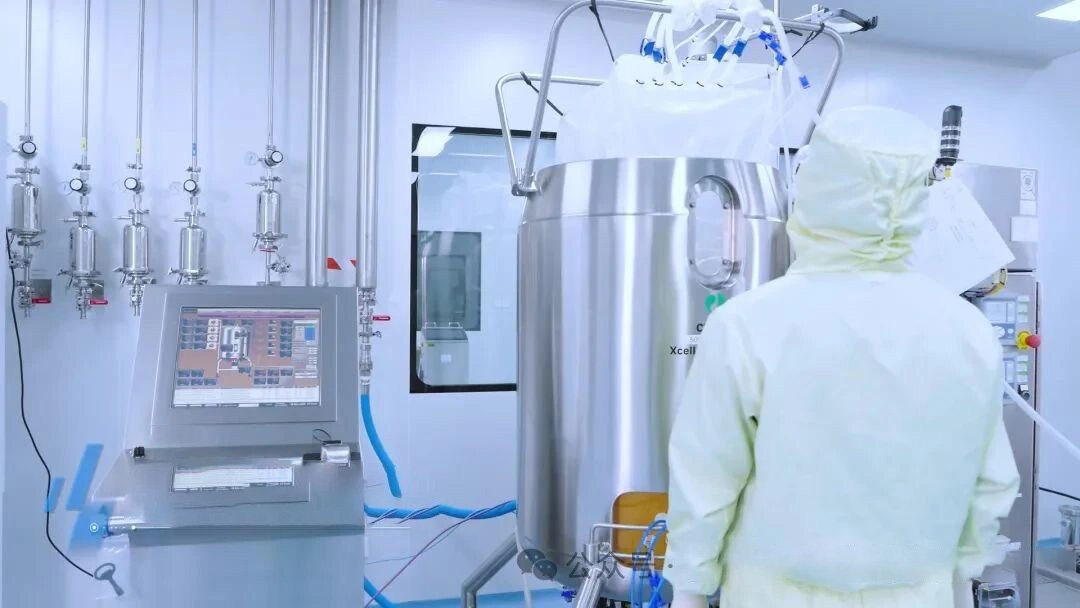
The optimal design and operation of a GMP manufacturing facility depend upon its purpose, including factors like the product type(s) to be manufactured and whether the facility is intended for manufacture of clinical or commercial products. Conversely, if a facility is not purpose-built, the design of the facility will have an impact on manufacturing operations.
Single Product Versus Multiproduct
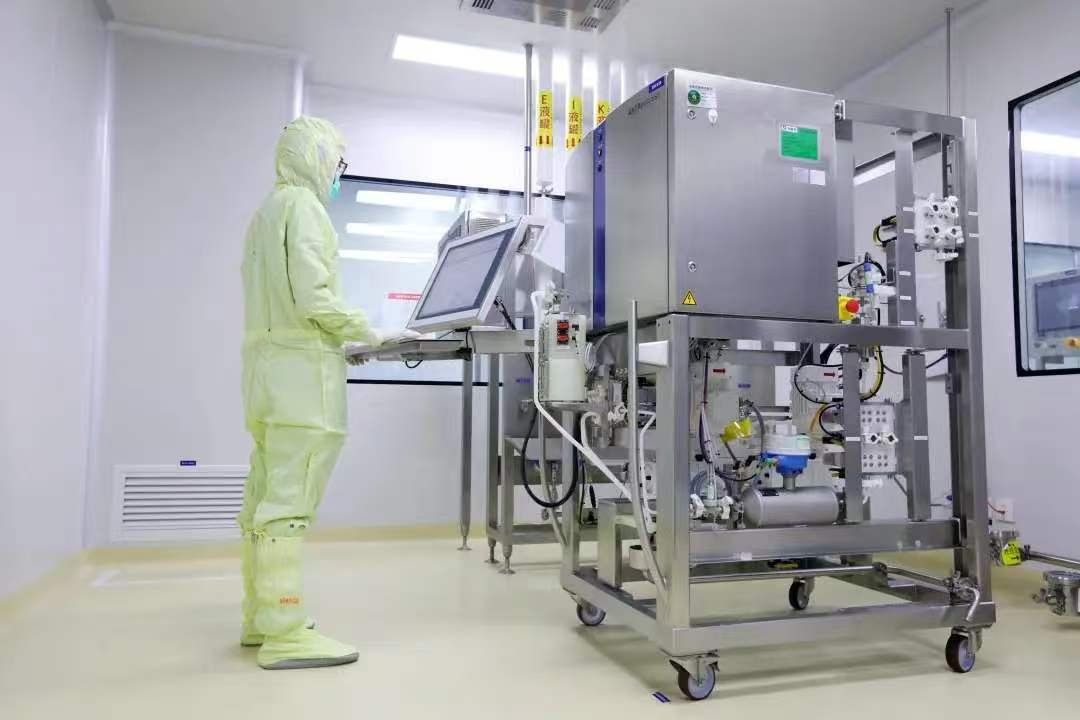
A facility intended for the manufacture of a single product can be designed or retrofit according to the specific requirements of that product. A multiproduct facility necessarily trades some of that efficiency for flexibility. Even two products of the same type may well have different process requirements that could impact equipment design, scale, or facility layout, so the ability to move fluids efficiently between unit operations and conserve space in a single-product facility is exchanged for flexibility in which process fluids routes and equipment layouts can be reconfigured based on the demands of each separate process. Larger scales, hard piped transfer lines, and bolted and hardwired equipment skids are more practical in a single-product facility, whereas smaller scale equipment on wheels, with power cords and disconnectable transfer lines may find more utility in a multiproduct facility.
A reconfigurable facility requires change control and validation systems that account for the movement of portable equipment. Traditional systems that evolved around the assumption that equipment was installed and left in place permanently, may not be suitable without revision. Newer standards, like ASTM E 2500, that shift the emphasis from testing of static systems after installation to appropriate specification and design of systems followed by verification, may be an attractive option for flexible facilities.
Stainless Steel Versus Single Use
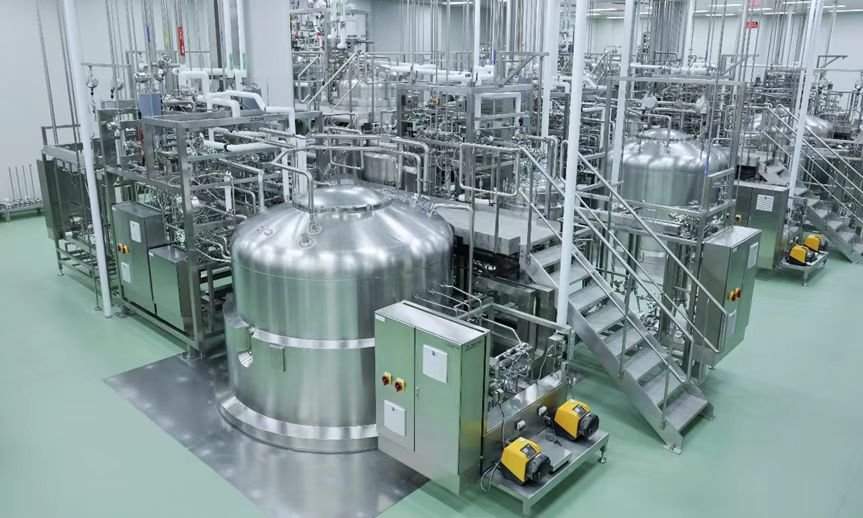
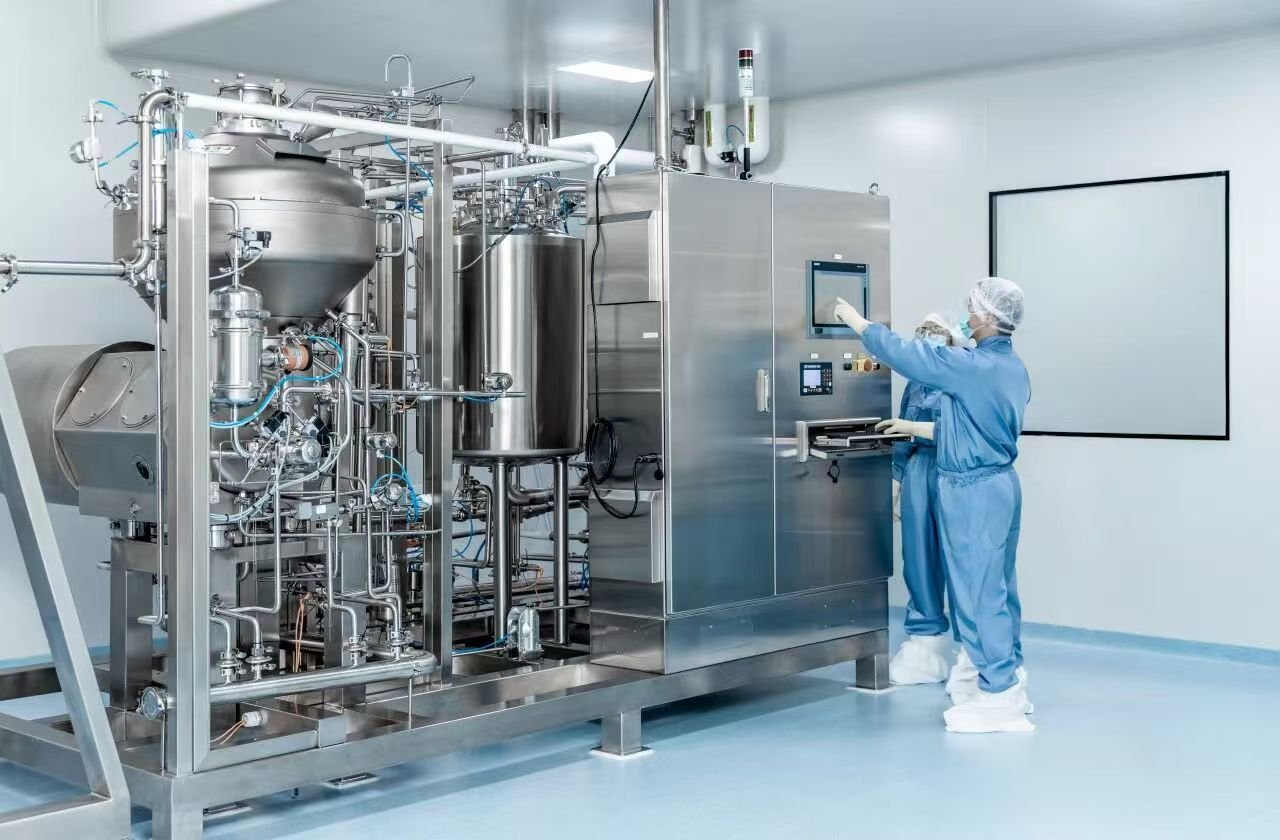
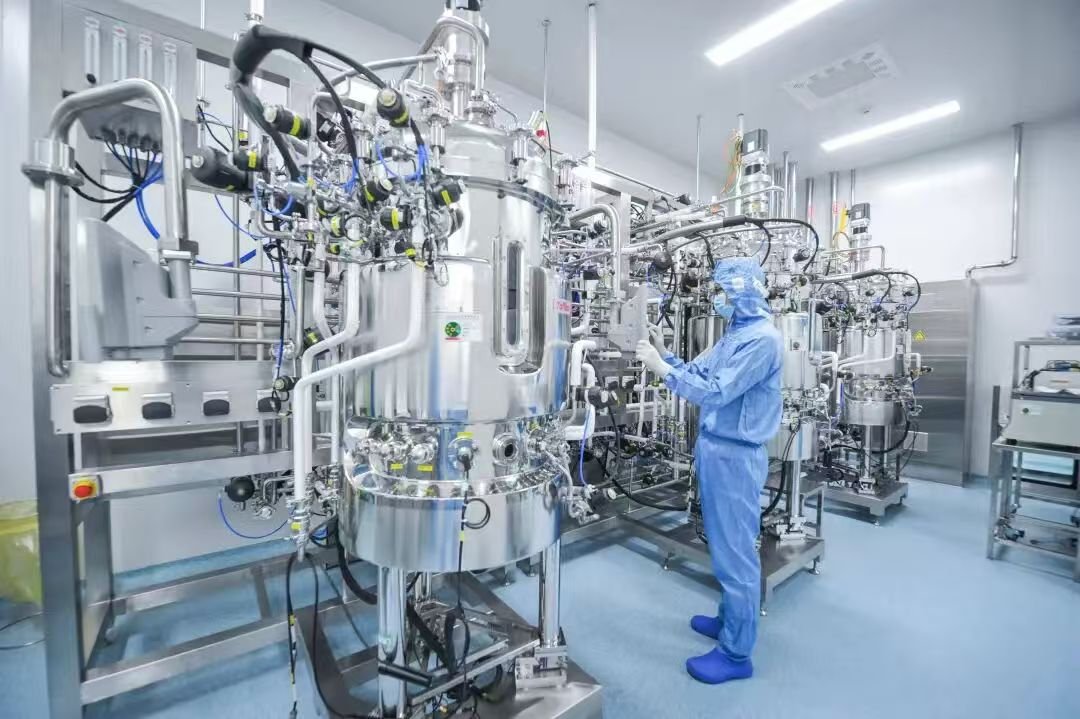
Early biomanufacturing facilities were built with stainless steel equipment using sanitary designs borrowed from the food and beverage industry. Stainless steel equipment has the advantages of a long and successful track record in biomanufacturing, ability to scale to large volumes (up to 20,000L bioreactors), and uniformity of equipment and flow paths from one batch to the next. The major disadvantages of stainless steel systems are that they must be cleaned and possibly sterilized between batches, and may be difficult to move and reconfigure between processes.
Single-use systems evolved largely from lab-scale disposable filters, bioprocess bags and bench-scale bioreactors to a relatively complete set of alternatives to stainless steel across most operations for a typical biotherapeutic product. Singleuse systems have the advantages of flexibility (being easier to reconfigure and move), and the elimination of the labor and infrastructure required for cleaning and steam sterilization. Single-use systems are limited in scale (currently 2000 L bioreactors, 60cm chromatography columns), introduce some variability in the single-use component per batch, and increase reliance on vendors.
Stainless steel facilities tend to be more advantageous for large scale, single product, commercial facilities, where flexibility is less critical and maximizing capacity of a single product is the focus. Conversely, single-use facilities are most practical in multiproduct facilities, clinical facilities, and facilities where capacity utilization may be low or unpredictable. Operationally, stainless steel facilities will require a larger labor force to perform cleaning and sterilization operations, and may require more effort for maintenance and validation. Single-use facilities may require a different operator know-how due to increased equipment set-up per batch.
Hybrid facilities that combine stainless steel and single-use equipment may be a practical option, depending on scale, process, and utilization.
Batch Versus Perfusion or Continuous Culture
One process design decision that will have a major impact on facility design and GMP operations is the approach to cell culture or fermentation. Both production systems can be operated in a batch mode, or more commonly, a fed-batch mode, in which most of the nutrients are provided at the start of the culture, but may be supplemented by concentrated feeds of critical nutrients. Such cultures have a finite span, as metabolic byproducts make the culture environment unfavorable for growth over time. Fermentation fed-batch cultures are often measured in days, while fed-batch cell cultures may run for several weeks. An alternative to fed-batch production is continuous operation, where fresh medium is continuously supplied to the fermenter or bioreactor as depleted medium and metabolic byproducts are removed. In fermentation, the cells are often allowed to wash out with the depleted growth medium while the slower growth rate of most eukaryotic cells requires some mechanism, such as a filter or centrifuge, for retaining cells or returning them to the bioreactor.
Fed-batch culture processes are simple to model in development labs and relatively simple to implement in GMP manufacturing operations. They feature a routine schedule, and have the advantage of concentrating expressed product in the reaction vessel, which allows for efficient downstream processing. A contaminated or otherwise compromised batch results in a discrete loss of material that can be factored into a predictable success rate over time. Continuous cultures have the advantage of greater productivity (product over time) from the reaction vessel, which is typically the rate-limiting unit operation of a biotherapeutic process. Continuous cultures have the disadvantage of producing a relatively dilute product stream which must be captured continuously and is often processed through an initial concentration step in order to increase the efficiency of further downstream processing. A contamination or otherwise compromised continuous process may jeopardize the use of material from much earlier in the production cycle. (For example, consider the discovery of a contaminant at the end of a 2 week fed-batch culture versus the same discovery at the end of a 3 month perfusion cell culture). Some operations mix continuous and batch operations, collecting continuous culture medium into batches for further processing. New technology is also helping to increase the efficiency of continuous downstream processing.
There are many variations to the batch and perfusion themes. For example, feeds can be added in bolus additions or continuously, a large fraction (e.g., 80%) of the culture volume can be removed for processing periodically and replaced with fresh medium in a “batch re-feed” approach, and if the product is stable, it is possible to size ultrafiltration membranes that retain not just cells, but also product, in a perfusion culture, which has the advantage of concentrating the product for easier downstream processing.
Media and Buffer Preparation
Another factor that can significantly affect GMP operations is the way in which media and buffers are prepared. Media and buffers can be purchased from vendors or prepared in house, and can be prepared at volume or as concentrates. Media and buffer prep account for roughly 15–25% of the direct labor of a manufacturing batch, so purchasing them from a vendor could help to reduce labor and manufacturing cost. Potential savings are offset by the profit margin of the vendor and by the cost of shipping. Purchasing media and buffers may be most practical for small-volume processes with relatively low shipping costs and facilities that see large fluctuations in capacity utilization, such that maintaining a full-time labor staff is impractical. Clinical manufacturing facilities are likely to meet both criteria and are good candidates for purchased media and buffers. The cost of shipping can be reduced by moving to media and buffer concentrates that are diluted at the point of use. Concentrates can also reduce the footprint for liquid storage in a facility, regardless of whether the concentrates are purchased or manufactured in-house. The use of concentrates requires additional equipment for the dilution and conditioning of media and buffers. This approach is most likely to be practical in facilities that use large volumes of media and buffers and can benefit from a reduction in operational footprint.
Automation and Electronic Records
Automation and electronic records have the potential to increase productivity and reduce costs of manufacturing by decreasing human operations, labor costs, and opportunities for human error. In a GMP manufacturing operation, automation and electronic records can reduce a considerable amount of documentation work and minimize documentation errors, not only of manufacturing operators, but also of quality staff and other supporting functions. GMP operations range from highly manual processes using paper records, to highly automated, paperless facilities. Many plants operate in between these extremes, employing automation and/or electronic documentation for selected areas of the operation. The benefits of automation and electronic records can be considerable, but require a large up-front investment, not only to purchase, design, configure, and implement, but also to perform the qualification testing necessary to demonstrate that the systems are fit for purpose and reliable. Configuring automated systems and electronic records for new processes can likewise be costly and time consuming compared with manual and paper systems. For this reason, automation and electronic records are typically most practical in operations running at high capacity with minimal process changes, such as commercial facilities.