
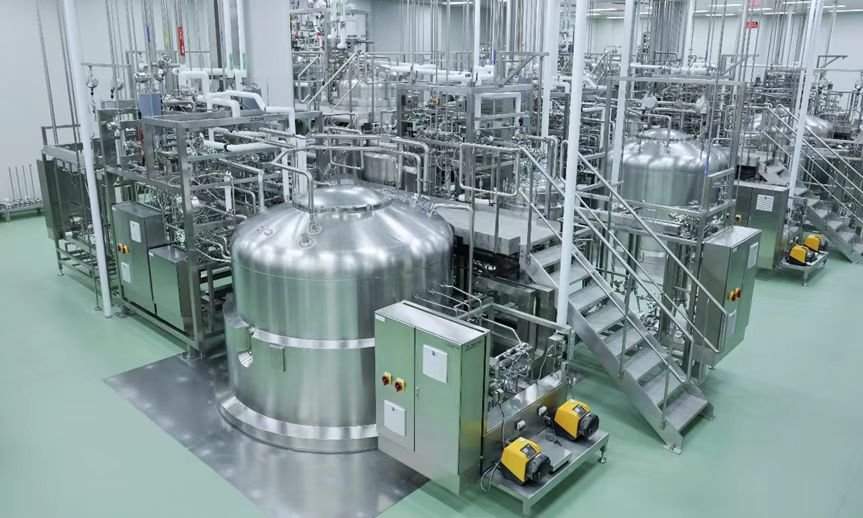

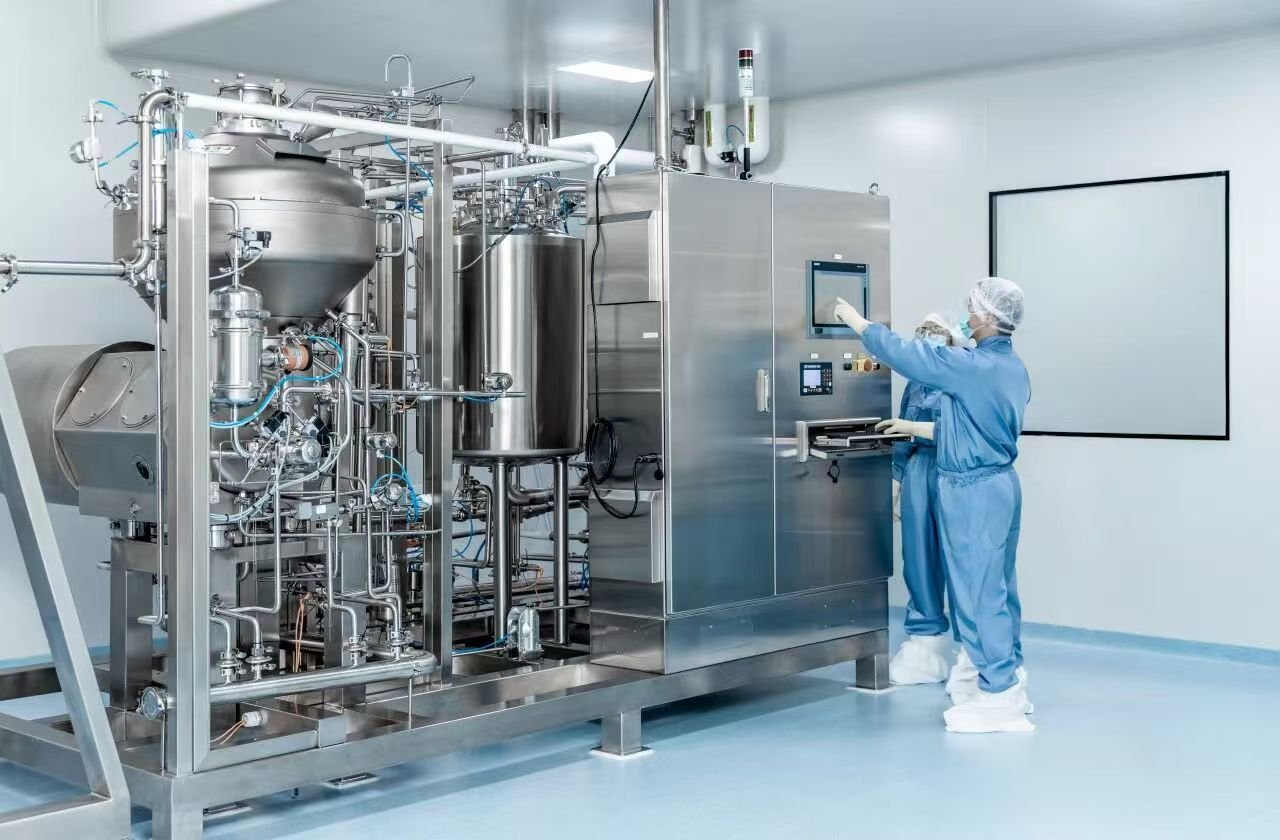
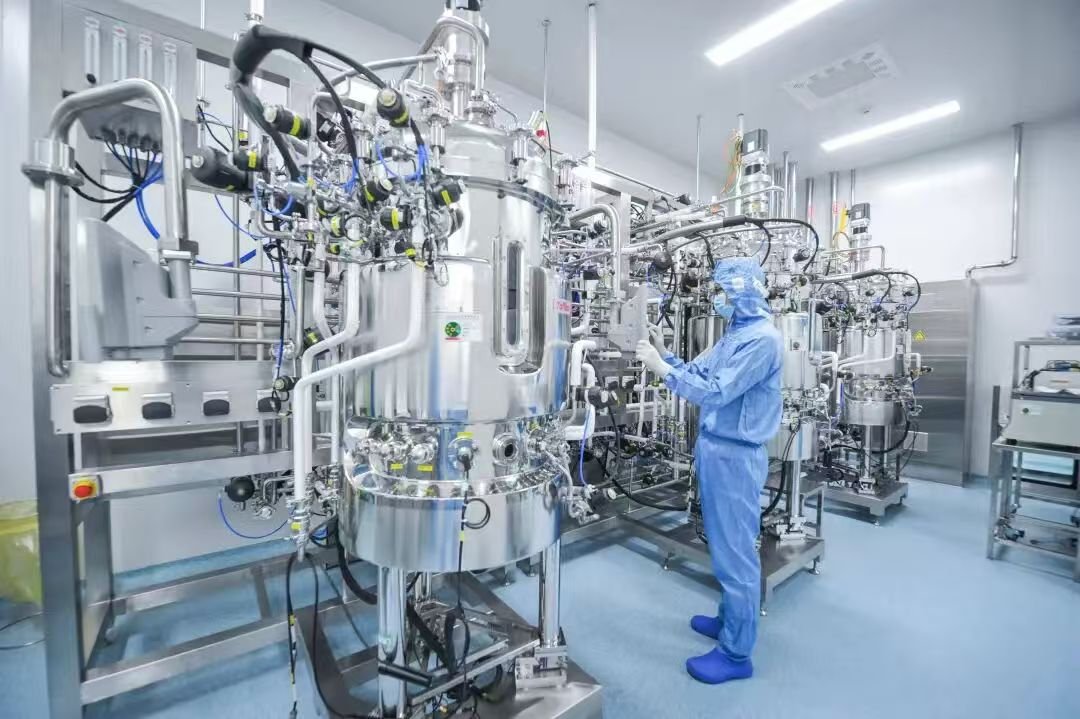
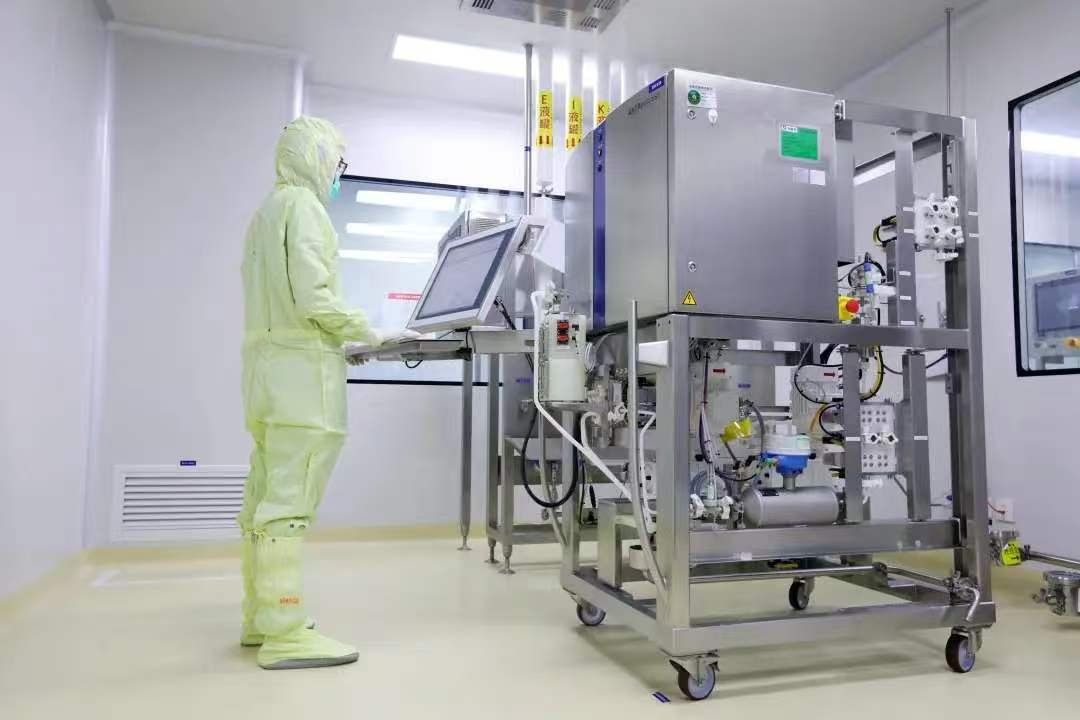
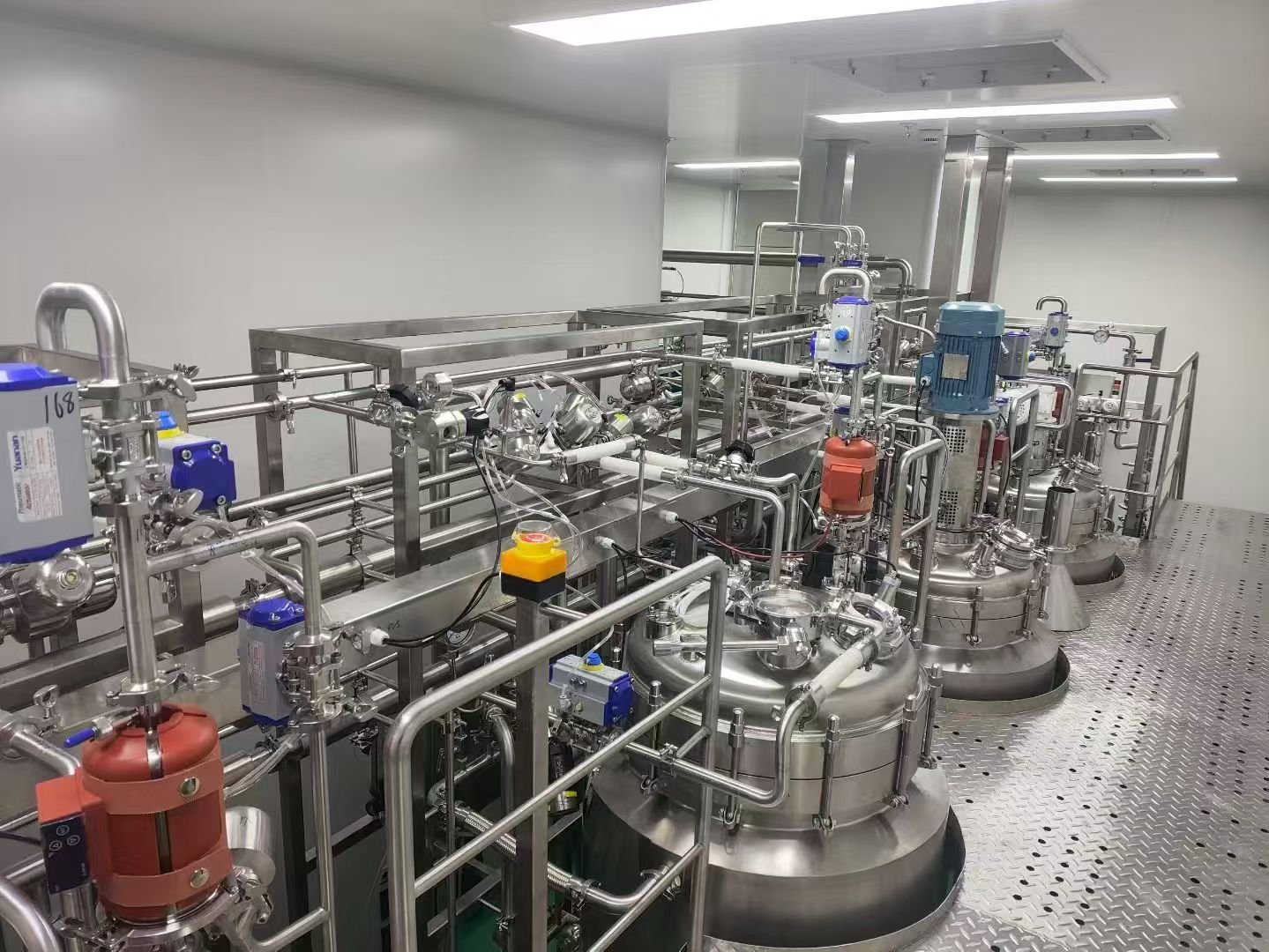
To ensure correct working order and control over the different functional elements, the facility is overseen by two high-level, interdependent, but separate, control systems. These are the (1) building management system (BMS), which controls all the technical utilities and HVAC systems within the facility and (2) the environmental monitoring system (EMS), which is responsible for the monitoring and control of all the clean-utility and GMP-critical room environments.
Room environment, together with access control and interlocks, frequently plays an important part in the environmental segregation strategy of the facility. As a result, having adequate control and monitoring of these aspects together with other important components will further satisfy regulatory agencies that the facility has sufficient product protection controls.
Building Management System
The building management system (BMS) is an overarching control system that is responsible for the automatic regulation and control of non-GMP facility subsystems, maintaining predefined parameters (or set points) and the control of their functionality. The major aim of the BMS is to guarantee the safety of facility operation, while also monitoring and optimizing the use and efficiency of its supervised subsystems to allow more efficient operation. Examples of the major subsystems controlled by the BMS are:
1. HVAC System. The duct temperature, pressure, and humidity, as well as exhaust temperature are connected to the BMS, and if their value exceeds defined limits, an alarm is generated.
2. Central Fume Collection, Laminar Flow Units, Dust Collection System, Central Vacuum System, Heat blowers. The BMS monitors the performance of these systems, allowing for early identification of units requiring maintenance. Sudden breakdown would signal via alarms and then appropriate action can be taken to protect the product.
3. Technical Steam System. Should, for instance, the pressure or temperature in the piping system fall below the defined regulatory values for clean steam, the BMS shall trigger an alarm, indicating a threat to product quality.
4. Hot Water System and Central Heating. Temperature and pump control monitoring via the BMS allows for a proper functioning of hot water distribution through the facility.
5. Chilled Water System. Control of the facility chillers could be supervised by BMS to monitor proper behavior of the system in terms of water/coolant temperature control or pump control to assure proper distribution within the distribution loop.
6. Sprinkler System (for fire safety).
7. Electrical Monitoring System. The BMS may monitor the consumed electrical power and the state of main electrical switches.
The number of subsystems connected to the BMS and the level of control is related to the investment decision. However, the two main subsystems, which are usually accounted for in a BMS are (1) HVAC control and (2) electrical systems monitoring.
Environment Monitoring System
A critical component of the overall facility automation is the environment monitoring system (EMS). The objective of the EMS is to continuously monitor critical GMP-relevant environmental parameters in production rooms. Critical parameters are defined as parameters that can influence the quality of the product. These are:
● Pressure
● Temperature
● Humidity
● Air flow velocity under the laminar flow units
● Air cleanliness in class A and B environments (particle counters)
Additionally, the EMS can monitor the following systems:
1. WFI and PW systems. Water temperature, pressure, flow, conductivity, and TOC values are monitored. If these fall outside the defined values, an alarm in the EMS system should appear.
2. Pure steam system. Generally, the pressure and temperature within the piping system is monitored. If these are not in the defined limits, the EMS should trigger an alarm.
3. Compressed air. The temperature, pressure, dew point, and humidity are monitored. If values fall below the defined set points, the EMS should trigger an alarm.
4. Nitrogen system, oxygen system, laboratory gases. The pressure drop on the final filter is monitored. If this is out of permissible range, the EMS should trigger an alarm.
Rooms being monitored by the EMS, such as a room in which any of the environmental parameters will be considered as process critical, should be equipped with a local panel with light-emitting diodes (LEDs), alarm warnings, and an acoustic device. The ON/OFF status of the LED will indicate if the critical environmental parameters in the room are within the permissible limits. If the parameters are beyond the limits, a red warning light will turn on and an acoustic signal will appear. It will be possible to confirm the alarm either locally on the panel or remotely from the EMS computer station. In this way, the production personnel should be able to monitor (directly, from the production/work place) the environment in the room. The decision about which EMS parameters will be visualized by local panels with LEDs should be undertaken during the design of the EMS system. Generally, environmental changes do not occur instantaneously. Therefore, after a disturbance, the system should be allowed a degree of time to return to its required state. As such, each alarm should have a defined time-delay value to ensure that alarms are not triggered for non-emergency situations.
Because the EMS monitors all GMP-relevant data, it will need to be validated as a “computerized system.” Therefore, it will need to be designed and executed in accordance with the relevant regulation of the licensing authority. For the U.S. FDA, this regulation would be 21 CFR part 11 and GAMP 5.
In addition to the control systems supported by the BMS and EMS, consideration should also be given to other ancillary system control systems that are needed within the facility, some of which are not restricted to biopharmaceutical facilities alone.
As a leading process-oriented engineering company, Sino Bioengineering delivers professional bioengineering solutions and comprehensive technical services to clients worldwide.
For more products and solutions: https://sinobioengg.com/category/solution/
For more service: https://sinobioengg.com/category/service/