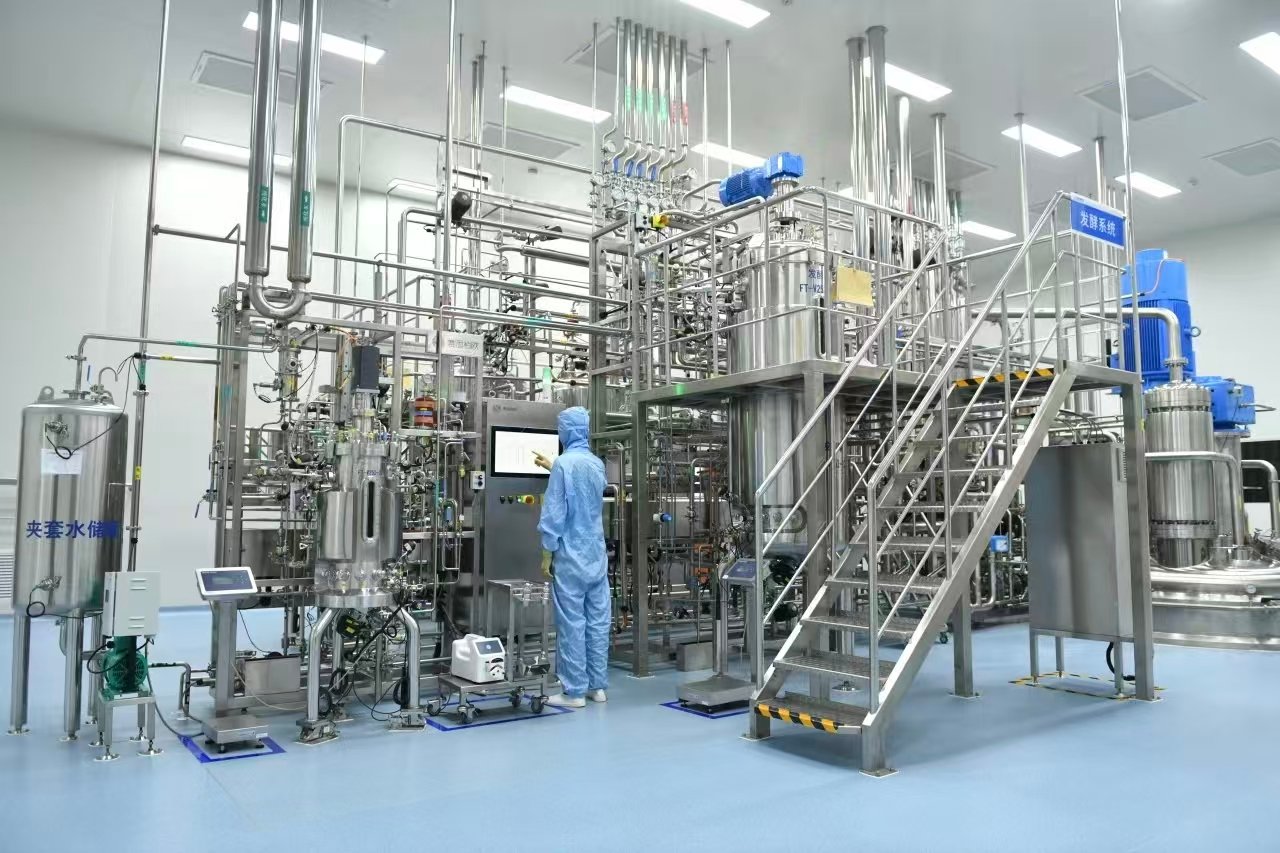
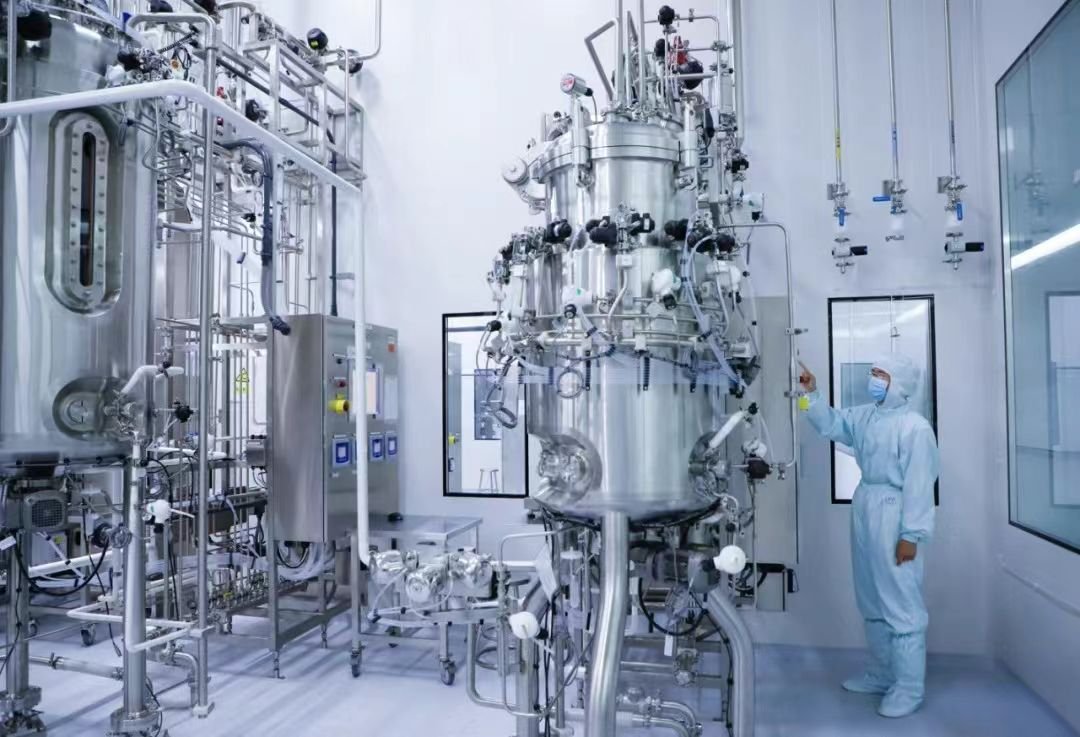
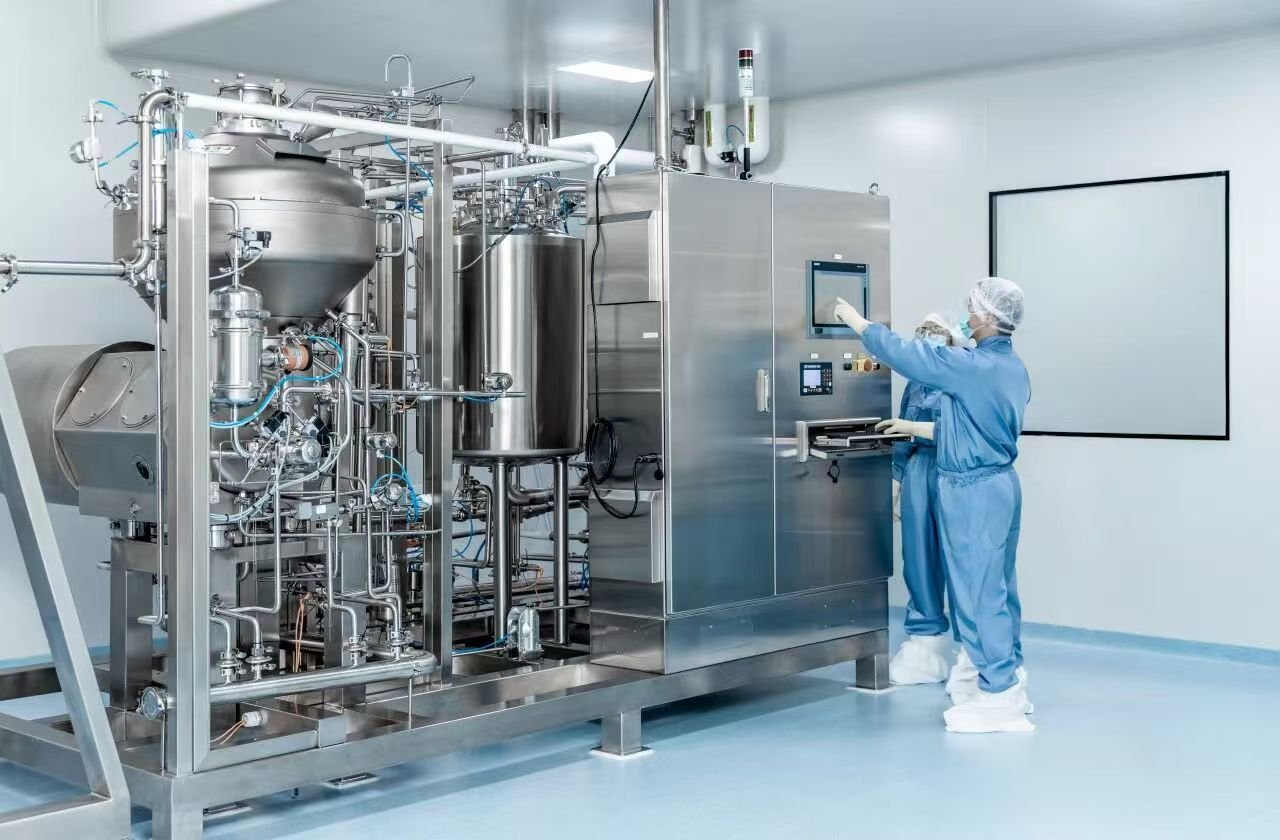
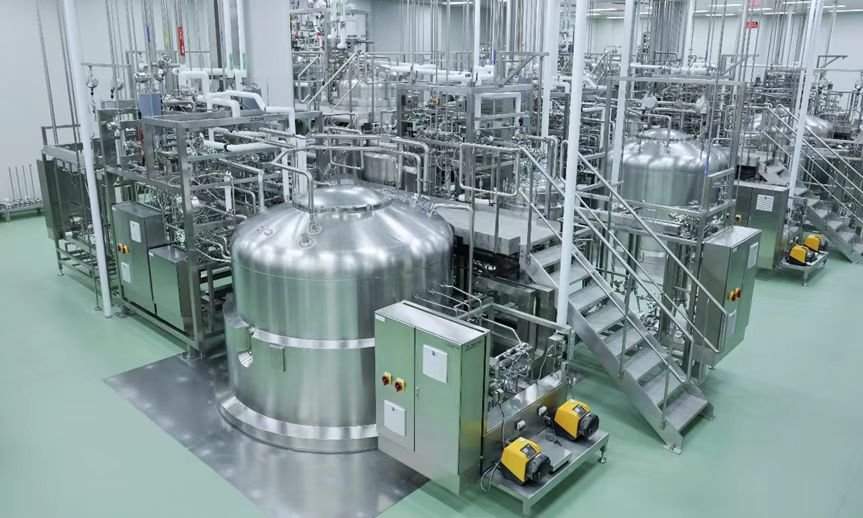
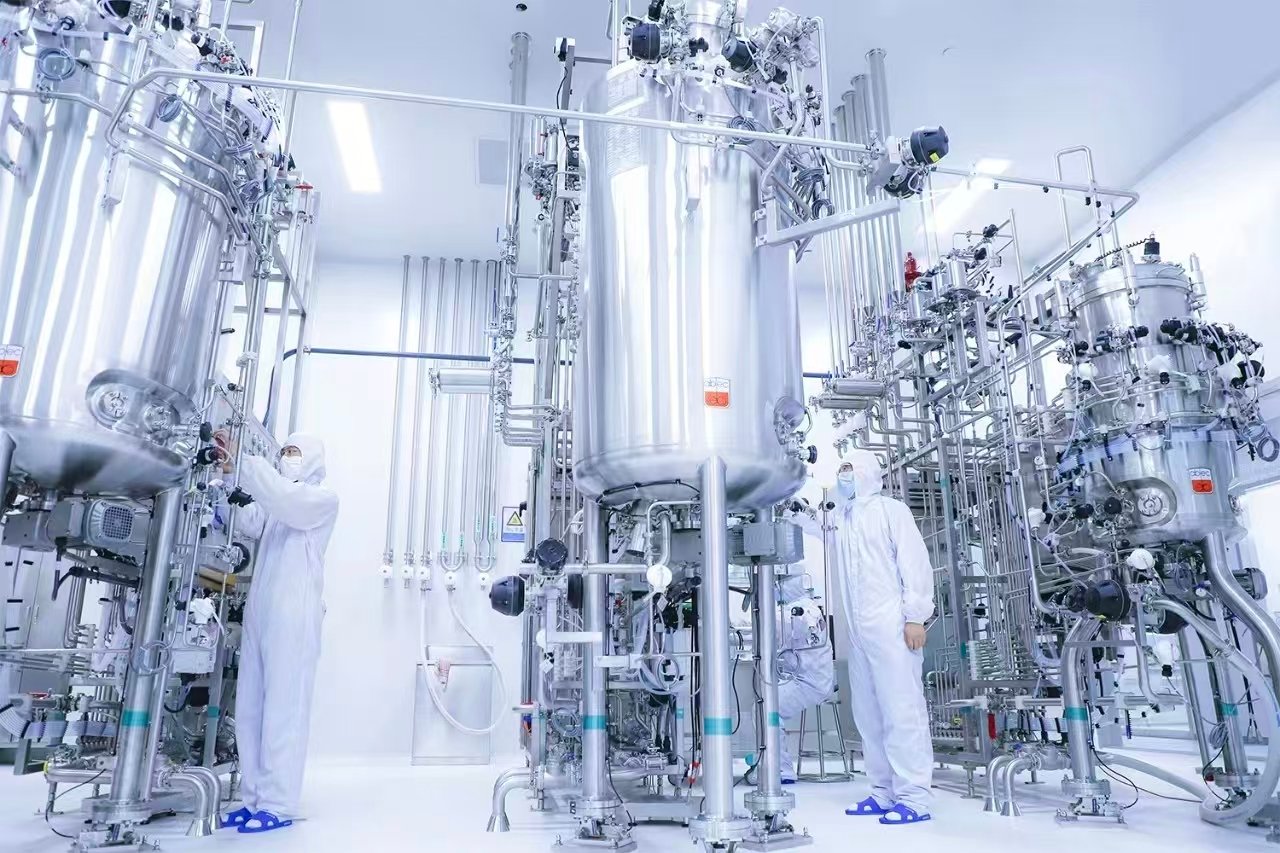
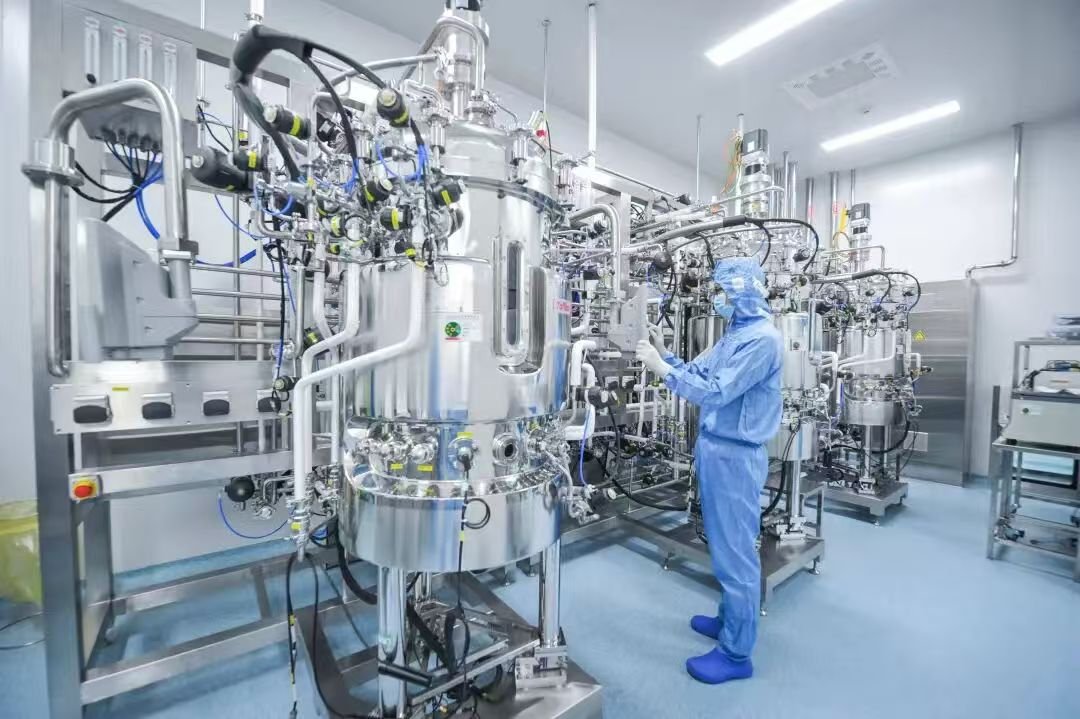
In precision fermentation process control, pH is a critical regulatory parameter that modulates microbial enzymatic activity, intracellular metabolic flux, and target metabolite biosynthesis efficiency. Dissolved oxygen (DO) governs cellular respiratory metabolism and serves as a key determinant of fermentation yield. In industrial practice, in-situ pH electrodes are susceptible to pronounced signal drift during prolonged operation. While polarographic DO electrodes exhibit minimal intrinsic drift (0.5%–1% per day), high-temperature steam sterilization can induce abrupt alterations in electrode response characteristics, mandating standardized periodic calibration for both pH and DO detection systems.
1. Mechanisms and Adverse Effects of pH Electrode Drift and Passivation
1.1 Primary Mechanisms of pH Electrode Drift
Signal drift of fermenter-mounted pH electrodes arises from the superposition of multiple physicochemical degradation processes, rather than isolated single-factor failure. The dominant degradation mechanisms are elaborated as follows:
(1) Hydrated layer degradation on glass sensing membranes. The hydrogen ion sensing capability of glass pH electrodes relies on a homogeneous and stable hydrated gel layer on the membrane surface. Repeated thermal cycling between 121 °C autoclaving and ambient fermentation conditions induces heterogeneous thermal stress across the glass matrix due to mismatched thermal expansion coefficients. This generates microscopic microcracks, increases membrane impedance attenuation, reduces millivolt signal output, and ultimately triggers systematic detection drift.
(2) Fouling of reference system liquid junction. Macromolecular proteins, sulfide metabolites, and microbial biomass present in fermentation broths readily adsorb and deposit on the electrode ceramic diaphragm, blocking ionic conduction pathways and destabilizing reference electrode potential. Sulfide contamination causes diaphragm blackening, whereas protein fouling results in yellow discoloration; both phenomena disrupt interfacial potential equilibrium and compromise detection accuracy.
(3) Modulation of internal electrolyte ionic strength. Post-autoclaving, the rear cavity of the pH electrode cools at a faster rate than the fermentation medium, forming a negative-pressure vacuum within the reference compartment. This pressure differential causes retrograde suction of fermentation broth into the electrode interior, contaminating the reference electrolyte and altering its ionic concentration and inherent potential magnitude.
(4) Chemical reduction degradation of Ag/AgCl reference systems. Most fermentation microenvironments are strongly reducing. Long-term exposure to reducing conditions induces irreversible chemical reduction of the silver-silver chloride reference electrode, leading to persistent potential offset and baseline distortion.
(5) Desiccation failure during offline storage. Inadequate protective liquid maintenance or prolonged open storage induces dehydration of the glass bulb sensing membrane. Concurrently, crystallization of internal electrolyte obstructs signal transmission interfaces, markedly prolonging electrode response time and deteriorating detection sensitivity.
1.2 Phenotypic Characteristics of Electrode Passivation
Electrode passivation is defined as the progressive attenuation of signal response sensitivity following long-term industrial service, with three core diagnostic characteristics:
Prolonged response latency. Qualified pH electrodes achieve stable signal acquisition within 30 seconds, whereas passivated electrodes require over 2 minutes for steady-state detection, failing to satisfy real-time process monitoring requirements.
Calibration slope attenuation. In accordance with the Nernst equation, the theoretical electrode slope at 25 °C is 59 mV/pH. A calibrated slope outside the 53–63 mV/pH valid range indicates severe sensitivity degradation, rendering detection data non-compliant for process control.
Excessive zero-point offset. The valid zero-point pH range for functional electrodes is 6.5–7.5. Deviations beyond this threshold indicate dysfunction of the internal reference system and irreversible performance degradation.
1.3 Electrode Aging Kinetics and Replacement Benchmarks
Under conventional fermentation conditions, pH electrodes exhibit a service lifespan of 6 to 12 months. Frequent high-temperature sterilization, extreme pH environments (pH < 3.5 or pH > 9.0), and high-protein complex media significantly accelerate aging and shorten operational life. Hierarchical performance evaluation criteria and corresponding disposal protocols are specified below:
Optimal performance state: Electrodes with a calibration slope of 55–63 mV/pH, response time ≤ 30 seconds, and zero-point pH maintained at 6.5–7.5 are eligible for continuous operation per routine calibration schedules.
Mild performance degradation: Electrodes presenting a calibration slope of 53–55 mV/pH and response time of 30–60 seconds require enhanced offline cleaning and calibration frequency, with spare electrodes pre-prepared for timely replacement.
Moderate performance degradation: Electrodes with a calibration slope of 50–53 mV/pH, response time > 60 seconds, and zero-point offset > 0.3 pH units exhibit substantial functional impairment and must be immediately replaced and excluded from production applications.
Severe functional failure: Electrodes that fail calibration, present no valid signal response, or possess cracked glass sensing membranes require immediate decommissioning. Root cause analysis shall be performed to eliminate recurrent abnormal factors.
2. DO Electrode Drift and Membrane Fouling: Underrecognized Mass Transfer Limiting Factors
2.1 Drift Mechanism of Polarographic DO Electrodes
Polarographic DO electrodes quantify dissolved oxygen partial pressure via diffusion current generated by cathodic reduction of oxygen molecules permeating through selective gas-permeable membranes. The primary mechanisms underlying electrode drift and performance decay are systematically analyzed as follows:
(1) Gas-permeable membrane fouling and performance degradation. Membrane failure constitutes the predominant cause of DO detection deviation. Proteins, lipid metabolites, and surfactants in fermentation broths continuously deposit on membrane surfaces, reducing oxygen permeability and diffusion efficiency, thereby inducing persistent negative bias in DO readings.
(2) Internal electrolyte evaporation and contamination. Volatile components in electrode electrolyte gradually evaporate during long-term operation, altering electrolyte composition and impairing electrochemical performance. Additionally, cyclic thermal expansion and contraction during autoclaving disrupt membrane thickness uniformity, modify oxygen diffusion coefficients, and further exacerbate detection drift.
(3) Cathode surface contamination and interfacial kinetic alteration. Silver ion deposition and impurity adsorption on the cathode surface alter electrode interfacial reaction kinetics, resulting in zero-point baseline shift and progressive sensitivity attenuation.
2.2 Cascading Process Risks Induced by Distorted DO Data
DO signal inaccuracy induces latent yet detrimental impacts on fermentation process stability, triggering aberrant microbial metabolism and diminished biosynthesis capacity:
Artificially elevated DO readings prompt the control system to reduce aeration rates and agitation speeds, leading to in-broth oxygen depletion. This facilitates microbial anaerobic metabolism, inhibits vegetative cell growth and proliferation, and substantially suppresses target product biosynthesis.
Falsely depressed DO readings trigger excessive aeration and high-intensity agitation. This practice induces substantial energy consumption waste, as agitation power correlates cubically with rotational speed. Furthermore, excessive fluid shear force damages microbial cell integrity, reduces strain viability, and deteriorates overall fermentation efficiency.
3. Data-Driven Calibration Protocols for In-Situ Electrodes
3.1 Calibration Specifications for pH Electrodes
3.1.1 Calibration frequency
A comprehensive two-point calibration is mandatory prior to each fermentation batch. Autoclaving and prolonged operation alter the physicochemical properties of electrode reference systems and internal buffers, generating inherent detection deviations. During fermentation runs, significant discrepancies between in-situ monitoring data and offline manual measurements necessitate increased sampling verification frequency, with full calibration implemented immediately upon batch termination to eliminate cumulative errors. Routine weekly calibration is enforced for general scenarios; for high-frequency batch production with daily sterilization cycles, electrode slope verification is required post each batch operation.
3.1.2 Standard calibration methodology
A standardized two-point calibration protocol is implemented for pH electrode validation and correction. The first stage involves zero-point baseline calibration using a pH 6.86 standard buffer solution. The second stage performs slope calibration, adopting pH 4.01 acidic buffer or pH 9.18 alkaline buffer based on the actual pH range of the fermentation broth to match practical process conditions. Post-calibration slope verification is conducted via the formula (mV₁-mV₂)/(pH₁-pH₂), with valid values constrained within 53–63 mV/pH.
3.1.3 Buffer solution quality control
All calibration procedures require freshly prepared standard buffer solutions. Self-formulated buffers shall be used within one week to prevent performance degradation. Buffers exhibiting discoloration, turbidity, or atmospheric carbon dioxide absorption-induced failure shall be discarded immediately and prohibited for calibration use.
3.2 Calibration Specifications for DO Electrodes
3.2.1 Calibration frequency
Dual zero-point and full-span calibration is mandatory before each fermentation batch initiation. For extended fermentation cycles exceeding 7 days, online data validation and error correction are performed every 3 to 5 days. Electrodes presenting unstable or poorly reproducible output signals post-autoclaving require mandatory recalibration prior to subsequent production.
3.2.2 Standard calibration methodology
Zero-point calibration is achieved by stabilizing electrode signals in oxygen-free sodium sulfite solution or via high-purity nitrogen purging. Full-span (100%) calibration is completed under pre-inoculation process conditions, with temperature, tank pressure, aeration rate, and agitation parameters consistent with formal fermentation operational parameters. The core calibration principle requires identical environmental conditions for calibration and practical detection to eliminate extrinsic interference errors.
4. Standardized Cleaning and Maintenance Protocols for Electrodes
4.1 Classified Cleaning Strategies for pH Electrodes
Targeted cleaning procedures are implemented based on specific contamination types to restore electrode detection performance:
For protein fouling, characterized by diaphragm yellowing and sluggish signal response, the electrode sensing head is fully immersed in pepsin-hydrochloric acid mixed solution for a minimum of 1 hour, followed by distilled water rinsing and recalibration.
For sulfide fouling with diaphragm blackening, the electrode is soaked in thiourea-hydrochloric acid solution until full diaphragm decolorization (minimum 1 hour), then immersed in 3M potassium chloride solution overnight, rinsed thoroughly, and recalibrated.
For organic fouling featuring surface oil film and evident signal drift, the electrode surface is gently wiped with dilute detergent or isopropanol, with rigorous precautions to avoid mechanical damage to the glass sensing membrane.
For inorganic scaling on glass membranes, the electrode is soaked in 5% dilute hydrochloric acid or citric acid solution for 10–15 minutes, then rinsed with deionized water to eliminate surface deposits.
4.2 Cleaning and Maintenance Strategies for DO Electrodes
Membrane surface cleaning: A mild 1% citric acid solution is applied for circulating cleaning of gas-permeable membrane surfaces to remove adsorbed protein and macromolecular deposits. Strong oxidants and organic solvents are strictly prohibited to prevent irreversible structural damage to polymer membranes.
Periodic electrolyte replacement: Regular replacement of internal electrode electrolyte is performed to mitigate performance decay caused by solvent evaporation and cumulative contamination. Zero-point and full-span recalibration are mandatory immediately after electrolyte renewal.
Membrane assembly replacement: If electrode sensitivity cannot be restored after standardized cleaning and electrolyte replacement, or if zero-point/full-span calibration fails, the gas-permeable membrane assembly shall be replaced promptly to guarantee detection precision.
5. Conclusion
Persistent drift of pH and DO electrodes represents a critical latent risk rather than a trivial anomaly in fermentation production. Inaccurate electrode signals induce misjudgment in precision automatic control systems, disrupt the optimal microbial growth and metabolic microenvironment, and ultimately limit strain performance potential, fermentation yield stability, and product quality consistency. Standardized calibration, classified targeted cleaning, and timely component replacement constitute the fundamental guarantees for stable, precise, and controllable fermentation processes.