
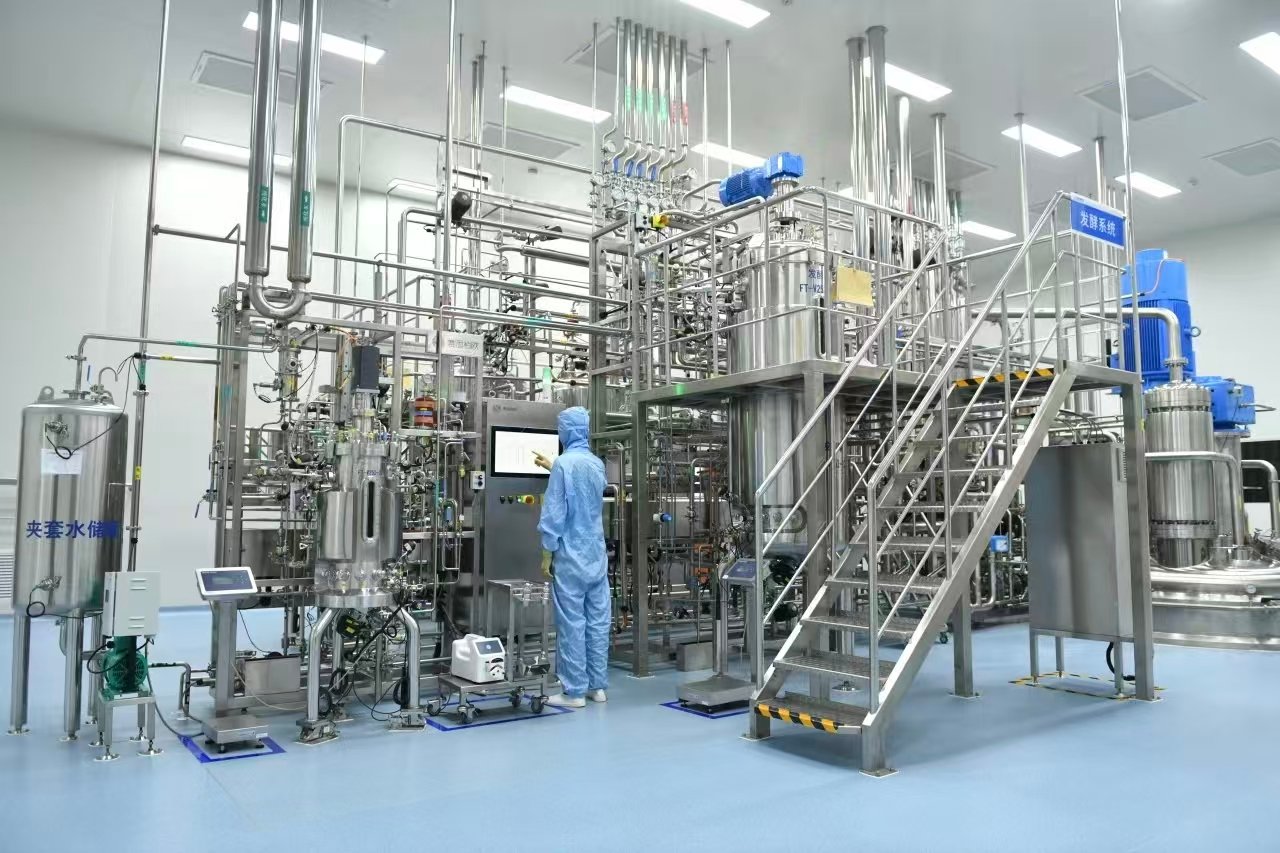
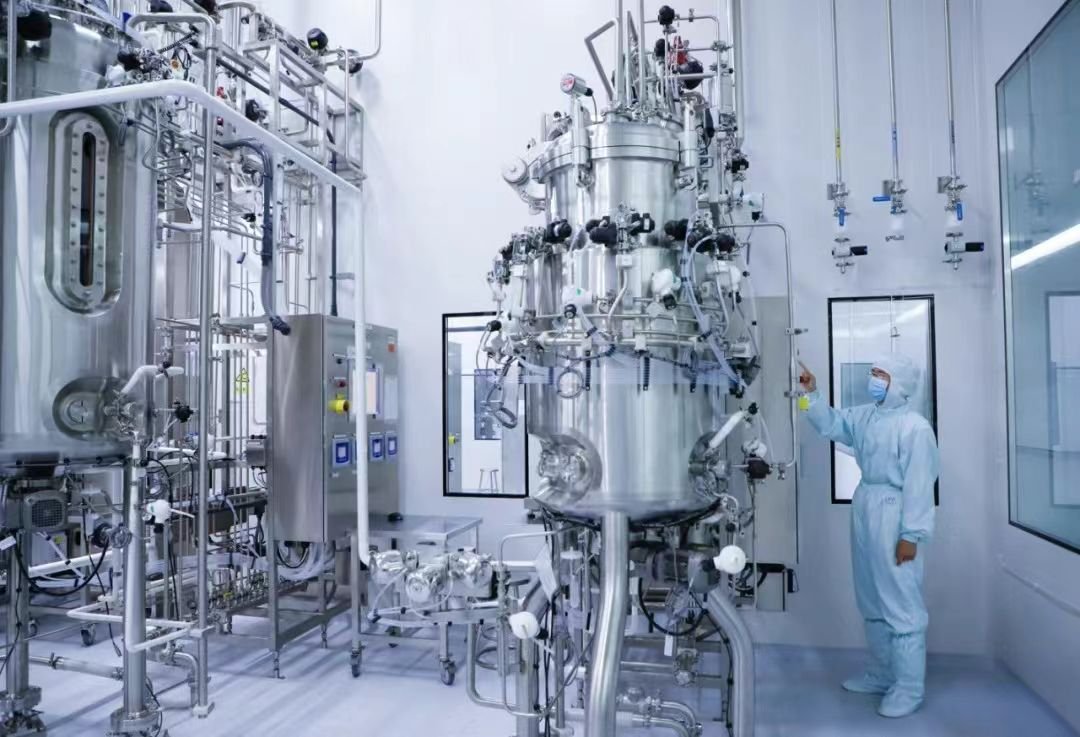
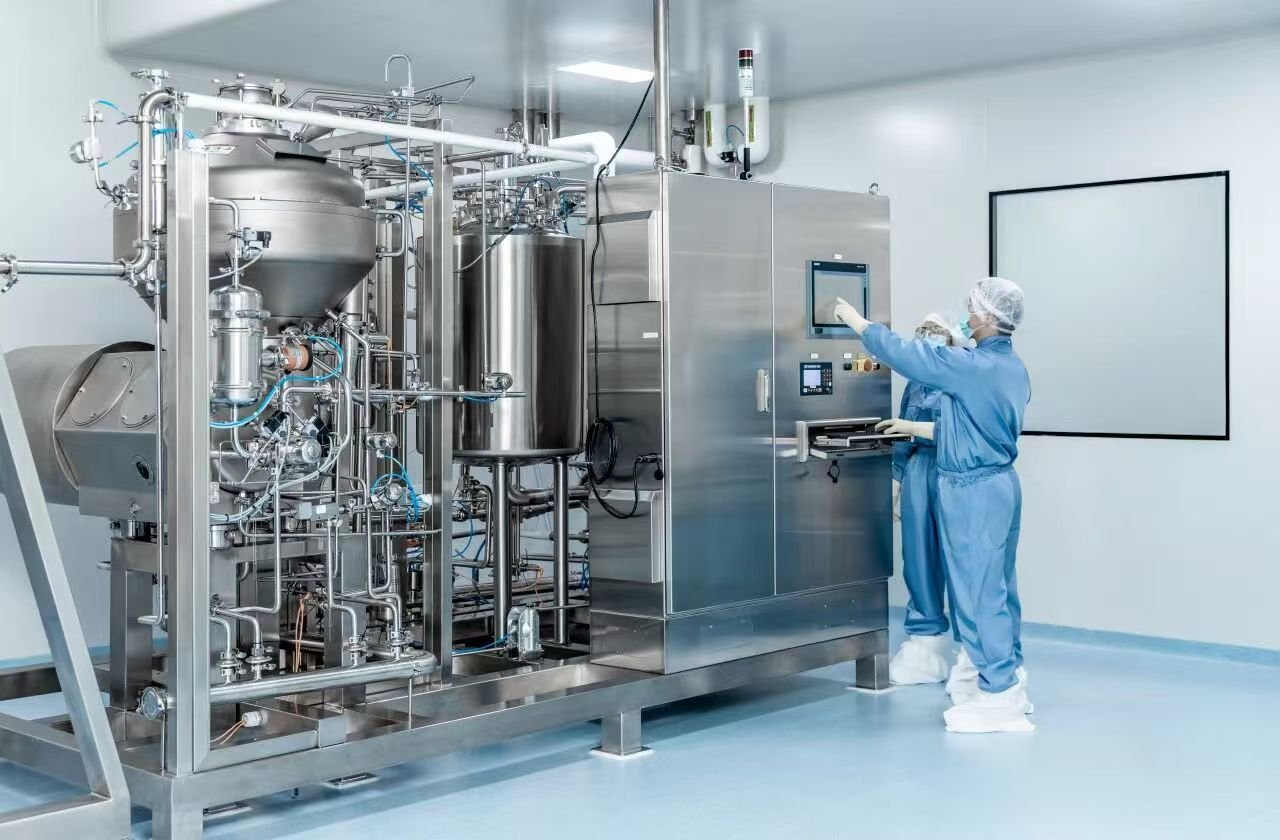
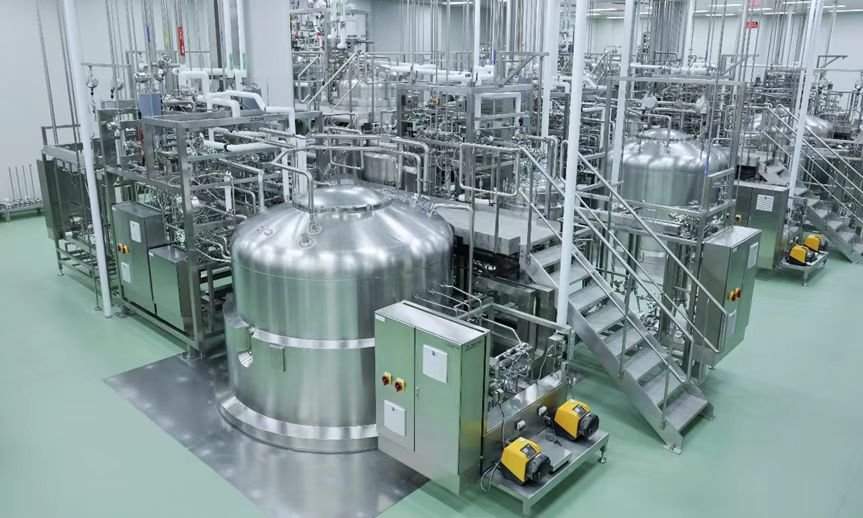
Ultrafiltration concentration is a core unit operation in the production of monoclonal antibodies, vaccines and other biopharmaceutical products. Process developers typically prioritize flux efficiency and final product yield, yet suboptimal manufacturing performance frequently persists despite comprehensive parameter debugging. As summarized from massive field service practices by Sino Bioengineering, hidden excessive shear force is the predominant culprit behind compromised process outcomes. Uncontrolled shear stress induces protein unfolding and aggregation, reduces product recovery, and causes inconsistent batch-to-batch quality. This article systematically elaborates on the generation mechanisms of shear force in ultrafiltration systems and delivers targeted mitigation solutions based on Sino Bioengineering’s proprietary technical practices.
1. Sources of Shear Force in Ultrafiltration Systems
Systemic shear stress in cross-flow ultrafiltration primarily originates from three core links:
First, pump-induced shear. The squeezing action of peristaltic pump rollers on tubing and the high-speed rotating turbulence of centrifugal pumps generate instantaneous intense shear force on process materials. Second, excessive cross-flow velocity. Shear force increases exponentially with the elevation of cross-flow rate, and a doubling of flow velocity can multiply shear stress several times over. Third, local flow field disturbance caused by pipeline and valve structural defects. Partially opened valves, right-angle elbows and abrupt pipeline diameter changes trigger localized turbulent flow and flow gradient mutation, leading to sharp shear force escalation. Neglecting these shear-inducing factors will inevitably undermine final product quality and process yield.
2. Potential Risks of Excessive Shear Stress
Shear-induced bioproduct damage is latent and cumulative, bringing multiple non-negligible risks to industrial production:
2.1 Reduced product recovery
Mechanical shear force triggers protein conformational unfolding and molecular aggregation. The formed protein aggregates are intercepted by ultrafiltration membranes, directly resulting in decreased effective product recovery.
2.2 Elevated aggregate levels
Shear-derived protein aggregates are difficult to remove in subsequent polishing and purification processes, introducing persistent quality risks for final drug products.
2.3 Accelerated membrane fouling and elevated operating costs
Protein aggregation exacerbates membrane surface contamination and pore blockage, causing rapid flux attenuation, shortened membrane service life, and frequent CIP cleaning cycles, which significantly increase production time cost and consumable expenditure.
2.4 Poor batch-to-batch consistency
Fluctuations in pump operating speed and inconsistent manual operation habits across batches lead to variable shear exposure duration and intensity, ultimately causing unstable product quality and failing batch consistency verification.
3. Equipment-Driven Low-Shear Optimization by Sino Bioengineering
Inherent system shear level is fundamentally determined by equipment structural design. Sino Bioengineering’s proprietary tank-pressurized gentle-flow ultrafiltration system achieves systematic low-shear optimization through multiple innovative designs:
3.1 Optimized seamless flow channel design
Traditional backpressure regulation relies on proportional valves, which generate severe local turbulence and high shear due to abrupt flow channel cross-section changes. Sino Bioengineering replaces conventional recirculation-loop proportional valves with self-developed flow control components, eliminating sudden flow field mutations and localized turbulent zones. This design achieves uniform flow velocity distribution and fundamentally suppresses high shear stress hotspots.
3.2 Low-dead-volume and anti-aeration piping design
The stacked integrated piping structure minimizes system dead volume, shortens material residence time, and reduces cumulative shear exposure (quantified as the product of shear rate and exposure time, γ·t). The internal wall-attached pipeline layout inside the circulation tank effectively avoids foam generation and gas-liquid mixing, eliminating high-velocity impact shear caused by aeration.
3.3 CFD simulation-based flow field optimization
In the R&D stage, computational fluid dynamics (CFD) simulation is adopted to precisely identify high-gradient velocity regions and turbulent dead zones. Targeted structural optimization is implemented to eliminate potential high-shear risks and achieve full-flow field homogeneity.
4. Process Parameter Optimization for Shear Reduction
Based on low-shear equipment design, refined process parameter tuning can further minimize shear exposure without hardware upgrades, realizing mild and stable ultrafiltration processing:
4.1 Optimize cross-flow velocity
Reduce the conventional cross-flow velocity from 5–7 L/min/m² to 3–4 L/min/m², and maintain stable transmembrane flux by appropriately elevating feed pressure. This strategy reduces system shear force by 30%–50%, with only 10%–15% extension of overall process duration, achieving an optimal balance between low shear and production efficiency.
4.2 Adopt staged startup mode
Replace one-time full-speed startup with a gradient ramp-up strategy (30% → 70% → 100% operating power) to effectively eliminate instantaneous peak shear stress generated during equipment startup.
4.3 Minimize unnecessary material circulation
Optimize process parameters such as concentration fold and diafiltration volume to reduce redundant material circulation cycles, thereby lowering cumulative shear exposure of bioproducts.
4.4 Rational selection of constant-flow and constant-pressure modes
The constant-flow mode is recommended for the concentration stage to ensure high process controllability and batch stability. The constant-pressure mode is preferred for the diafiltration stage to deliver milder shear conditions. The final operating mode should be selected comprehensively based on product characteristics and process development goals.
5. Quantitative Evaluation Criteria for Optimal Shear Performance
Sino Bioengineering advocates a product-oriented practical evaluation system, rather than blind pursuit of theoretical shear rate values. Core evaluation indicators are as follows:
5.1 Aggregate content variation
Detect and compare protein aggregate ratios before and after ultrafiltration via SEC-HPLC. A relative aggregate variation (Δaggregate) ≤ 0.5% is defined as the acceptable industrial standard for low-shear processing.
5.2 Biological activity recovery
A decline of more than 10% in product biological activity after ultrafiltration indicates significant shear-induced protein damage, requiring immediate process and equipment optimization.
5.3 Cumulative shear exposure (γ·t)
This core parameter supports horizontal comparison of shear intensity across different equipment platforms and process recipes, serving as a key index for process scaling and validation.
5.4 Real-time process curve monitoring
Abnormal jitter or stepwise rising trends in transmembrane pressure (TMP) real-time curves are typical early warning signs of shear-induced protein aggregation and accelerated membrane fouling.
Conclusion
As a latent core factor restricting bioprocess yield and quality stability, shear force requires systematic control combining equipment innovation and process refinement. Sino Bioengineering transforms traditional empirical low-shear processing into verifiable, standardized and controllable system engineering solutions. By virtue of advanced low-shear equipment design and professional process optimization strategies, we help biopharmaceutical enterprises stabilize product quality, improve production yield, and achieve efficient and compliant manufacturing.