
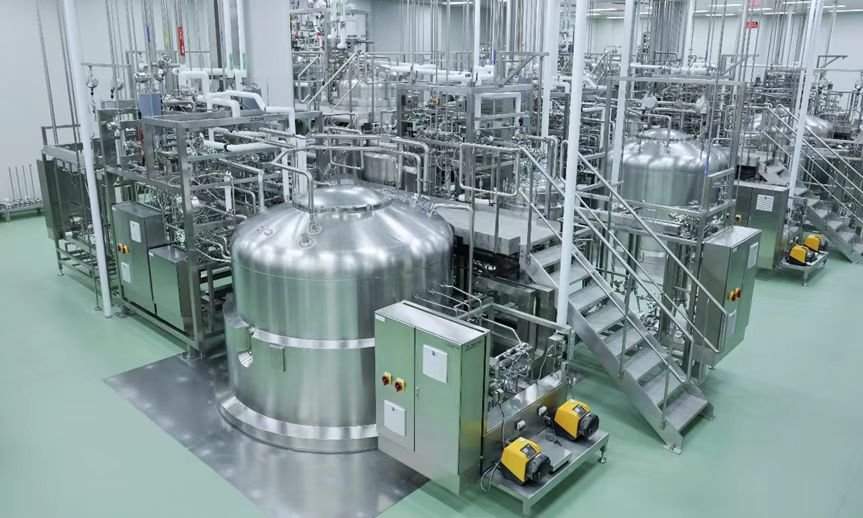

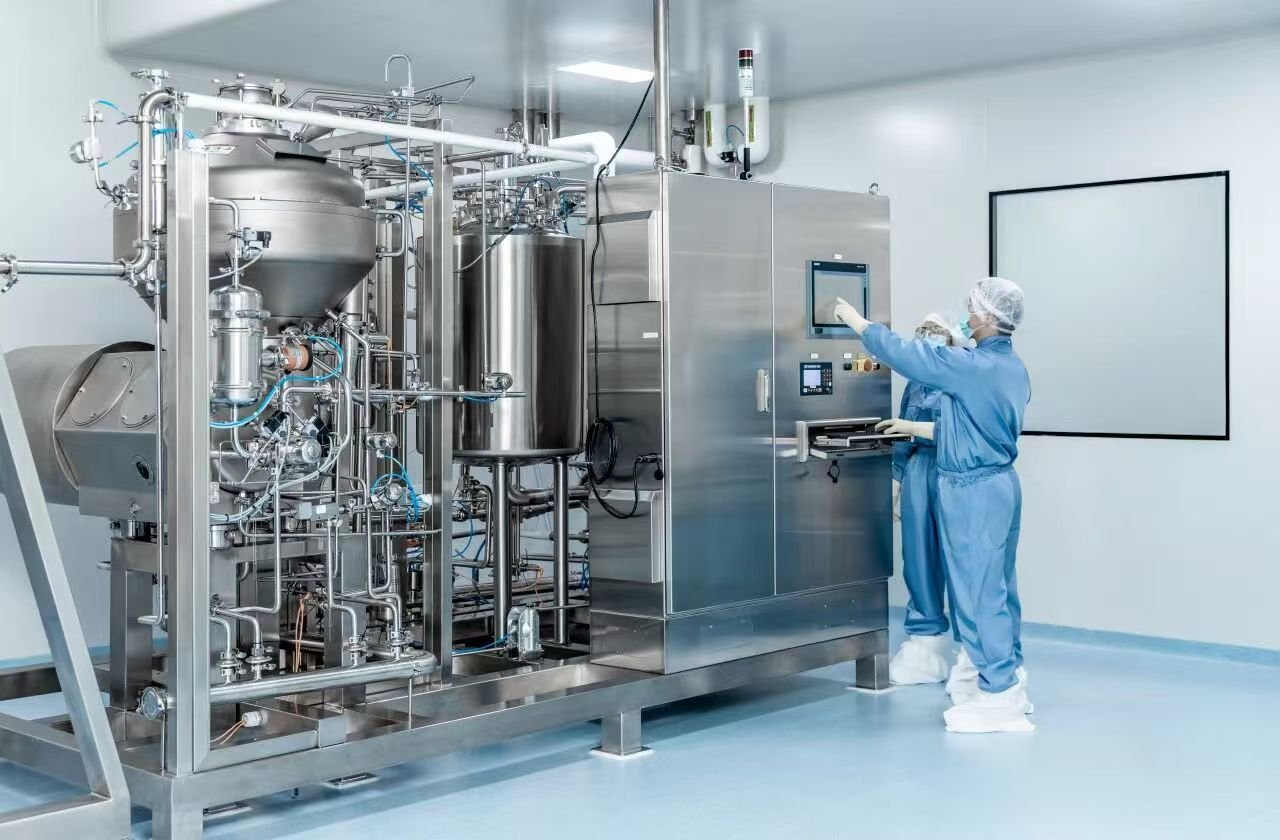
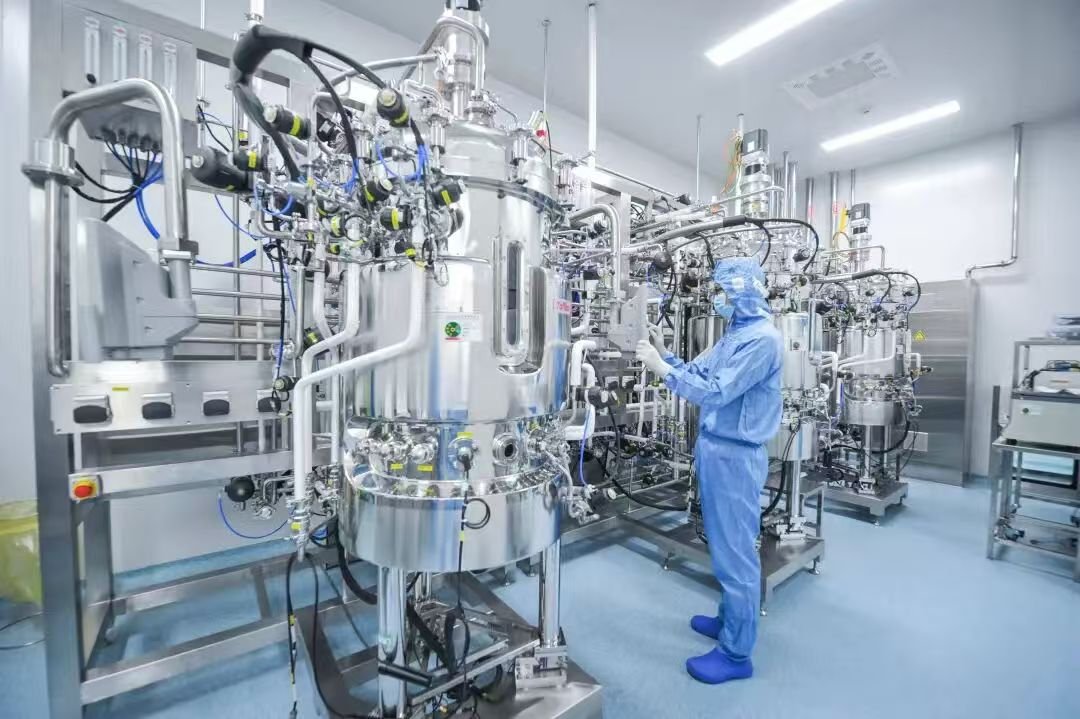
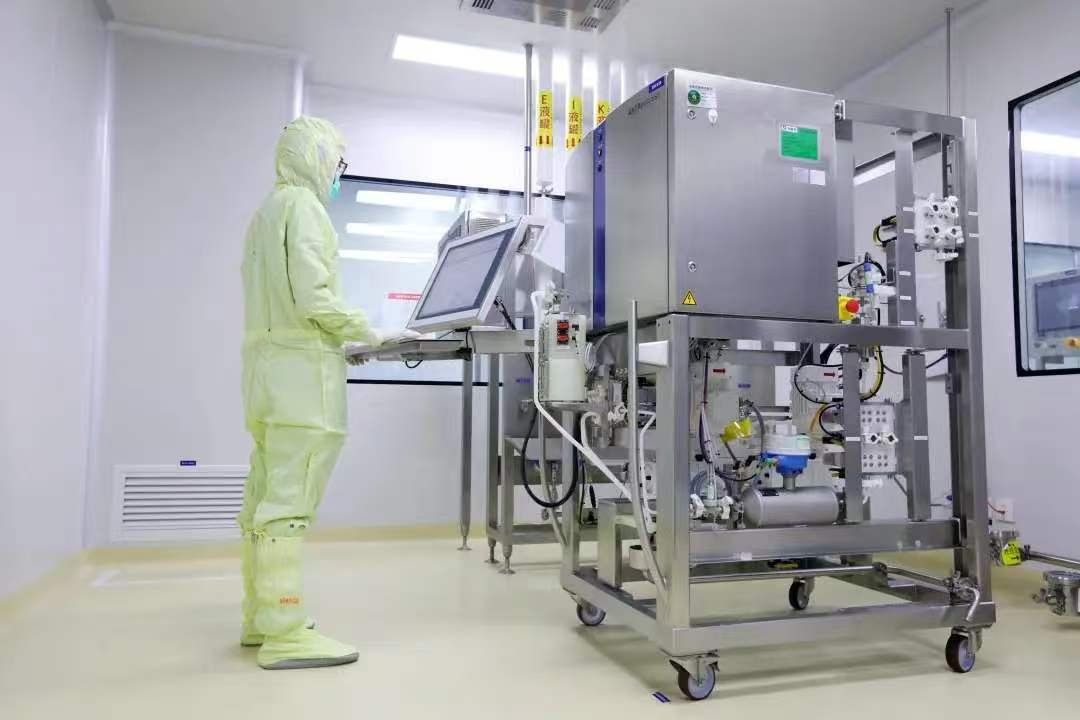
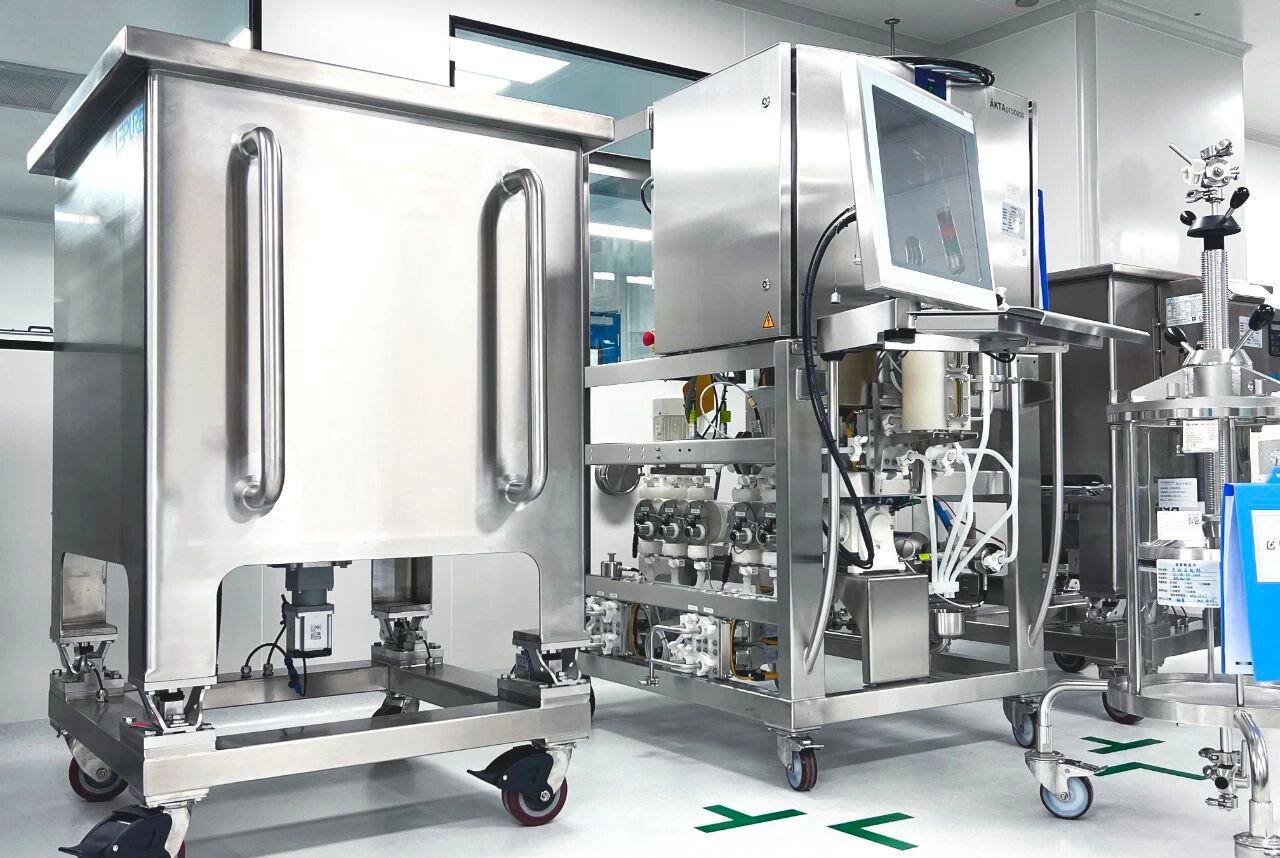
Continuous and semicontinuous processes have been practiced in many industries for decades. Prime examples are steel, paper, and automobile production. These industries are all very capital intensive and thus, each has switched to continuous processing as a primary mode of production, as it is considered the most cost efficient engineering implementation for manufacturing. Continuous operation can help in maximizing equipment utilization. Consequently, for equal production capacity, flow rates of process streams are smaller, equipment size is reduced, and facilities are smaller.
In small molecule enantiomer production, continuous separations have been performed in the form of simulated moving bed chromatography. In the last decade, a renewed interest has emerged in the development and implementation of continuous processes for chemical active pharmaceutical ingredients. Several companies have made significant investments in continuous processing lines and established academic collaborations to advance enabling technologies.
Alternatively, in the production of therapeutic biological products, companies have been extremely cautious towards adoption of continuous processing. Until now, implementation has been limited to continuous perfusion cell-culture processes, mainly for products that are unstable in the bioreactor. This hesitancy is caused in large part by unwillingness to confront regulatory uncertainties and the necessary changes to established quality systems due to the large installed batch production capacity. Recently though, interest in continuous manufacturing of therapeutic biological products is increasing. Continuous processing is a promising answer to pressures on the industry of how to increase productivity, and to reduce costs. Several potential advantages have been evaluated for their realization potential.
Developing a fully integrated continuous process for a biological product first requires the conversion of individual unit operations to continuous operation, and second, the combination of those unit operations into one integrated process. The highly regulated nature of the production of biological therapeutics creates unique points to consider. Continuous processes require a high level of process understanding and control. For that reason, highly robust and reliable methods for at-line process analytics and real time monitoring must be in place. Unlike quality control in many other industries, for biologic therapeutics there is a regulatory requirement that quality be built into the process rather than tested into the final product, as well as demonstration of consistent and controlled execution of the manufacturing process.
This elevates the importance of careful and controlled implementation of continuous processing and the importance of developing robust and reliable process analytical technologies (PAT). Fortuitously, regulatory agencies have expressed their support for continuous processing due to its promise to lower drug costs, and are expected to be open-minded when reviewing regulatory submissions describing new continuous technologies. Nevertheless, robust and reliable control of the product’s safety and efficacy will always be the primary focus of regulators.
Numerous technological and operational challenges must be overcome to reach the level of understanding and operational robustness required for commercial implementation. In the following sections, some of these challenges will be discussed based around the example of the production of a monoclonal antibody. Monoclonal antibodies are products with large mass demands for the market, therefore considering production costs is required to produce cost effective therapies for patients. Monoclonal antibodies are typically very stable products and concerns about product residence time and stability are of a lesser concern. For products where product stability at certain process conditions is a concern, continuous processing can offer additional benefits that are not discussed here.
A typical traditional production process for a monoclonal antibody starts with multiple cell culture steps designed to expand the cell mass of the culture from the small amount in a vial of a cell bank to a sufficient amount to seed a production reactor. In the production reactor, the product is formed under controlled conditions to allow for high productivity, robustness, and reproducibility. At the end of the production step the cells must be removed from the product; a step typically performed by centrifugation or membrane separation. The cell free fluid is loaded onto and eluted from a Protein A chromatography column that removes most impurities and concentrates the product. This capture step is followed by a low pH virus inactivation step to ensure virus safety of the product. The product is then usually further purified by one or more additional chromatography steps to ensure robust control of contaminants like dimerized or aggregated product, host cell protein contaminates, and DNA. To ensure additional virus safety of the product, these polishing steps are typically followed by a filtration step with a virus retaining filter, followed by a formulation step that ensures the final drug substance is at its target product concentration and contains the correct excipients and buffer components. This formulation step is typically performed by tangential flow filtration (TFF).
All steps of the traditional process are fundamentally batch operations and must be redesigned in order to be performed in a continuous or pseudo-continuous mode.