
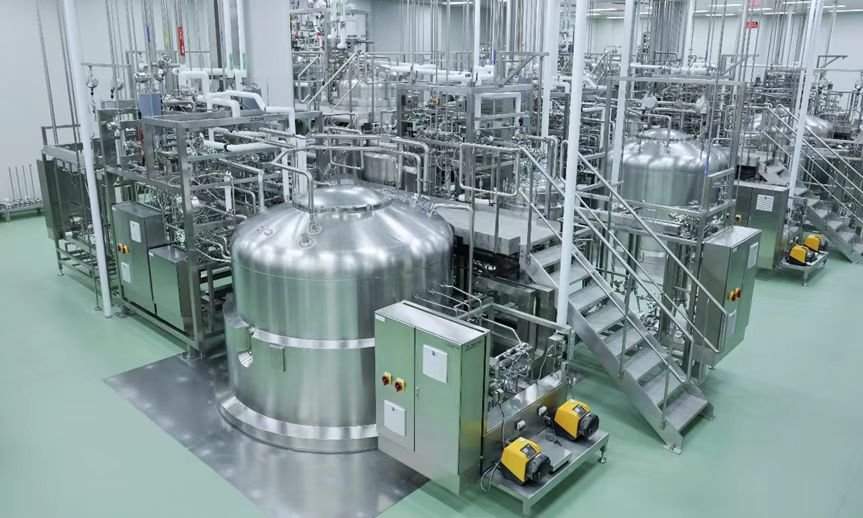

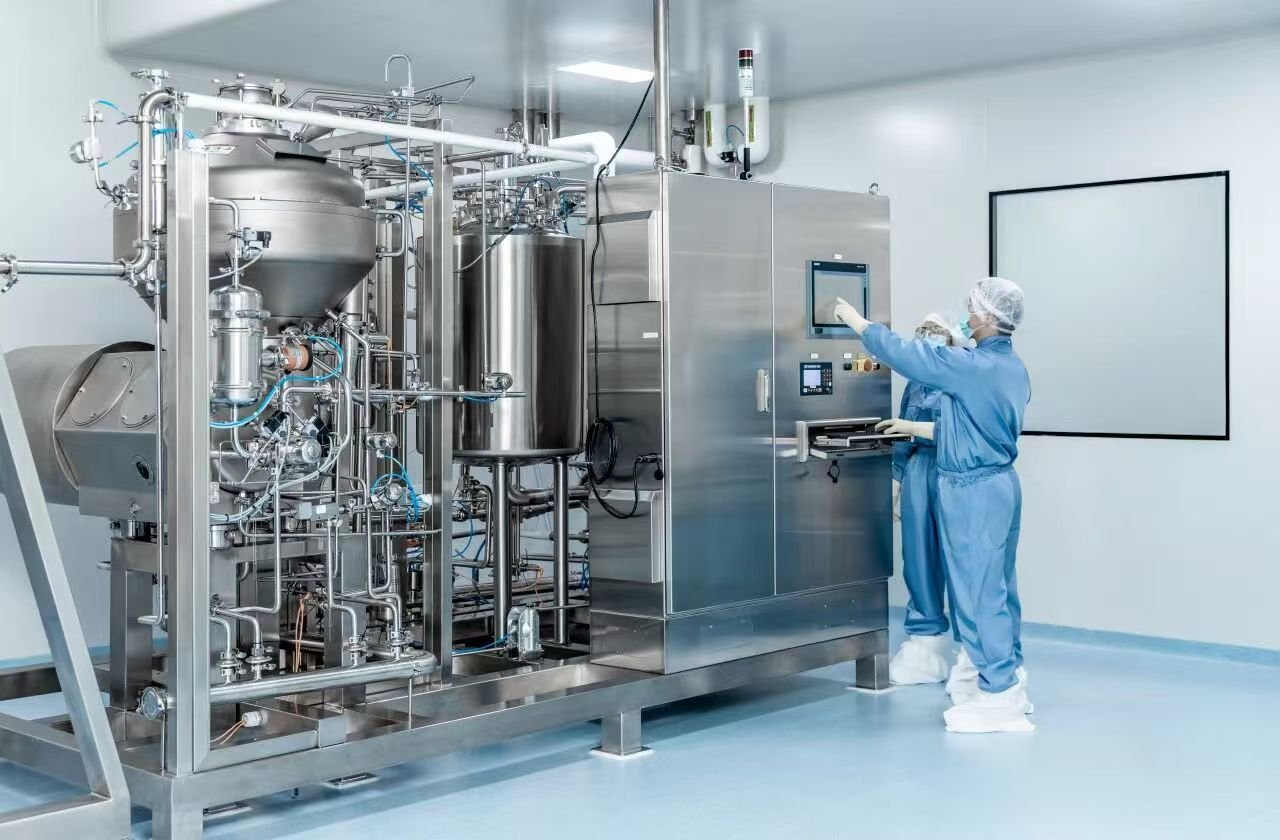
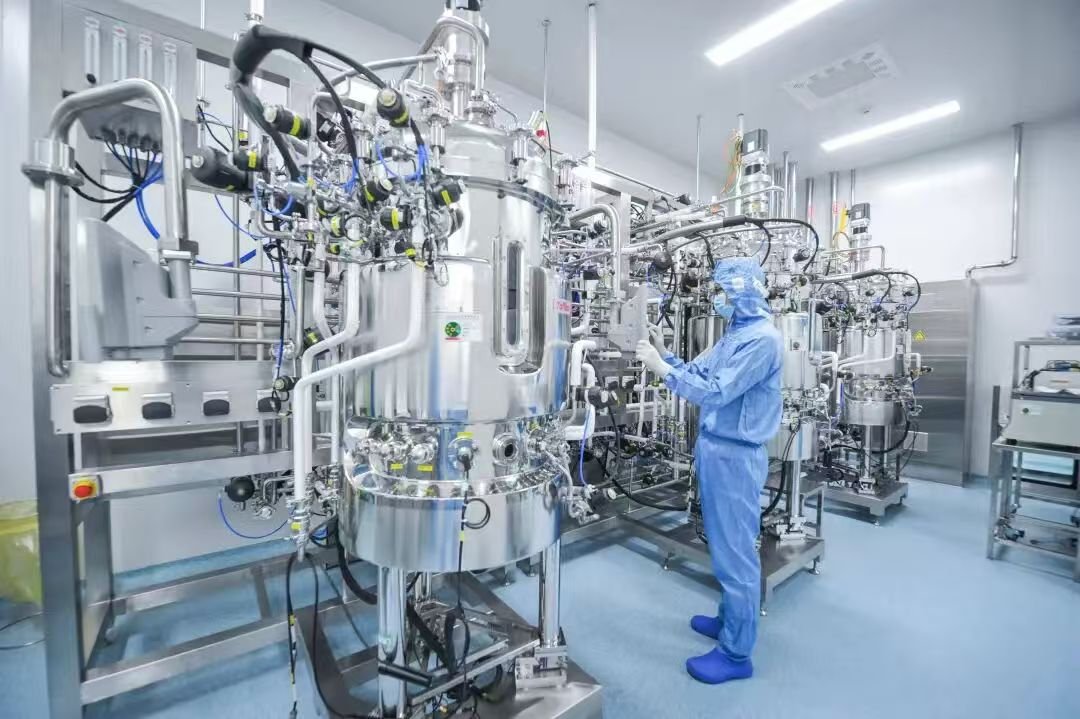
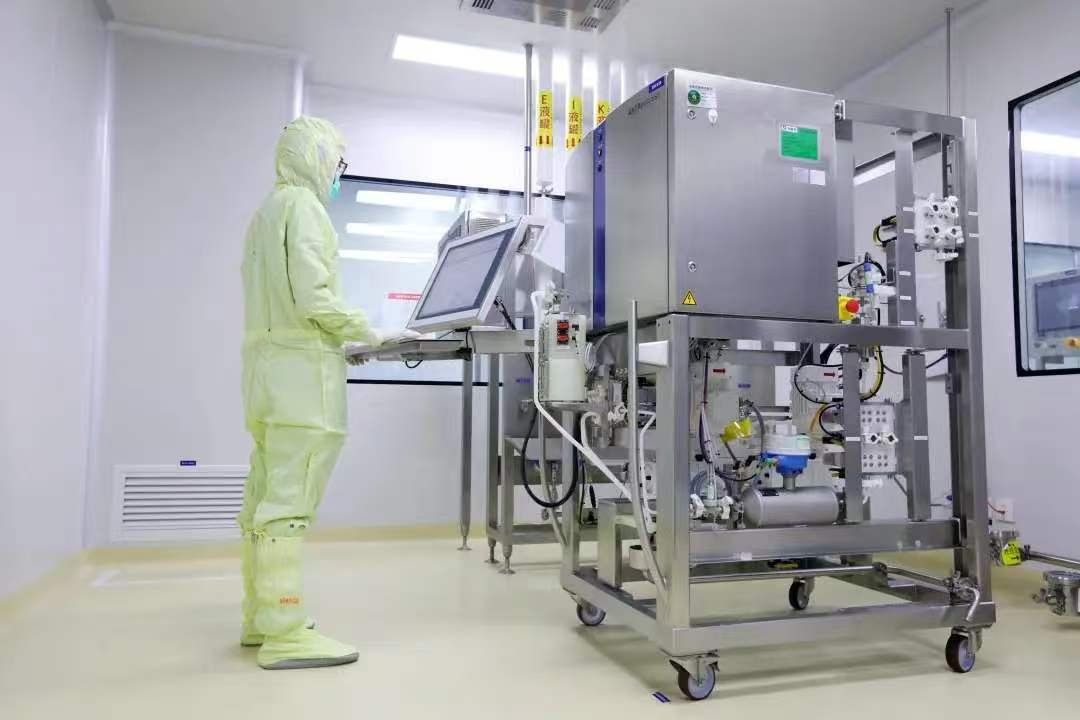
The importance of the design and installation of systems for supplying utilities that do not come into contact with products (e.g., heating steam, control air, coolants) is often underestimated. The reason for this is that these systems do not have to be qualified in accordance with good manufacturing practice guidelines, but must only be planned and constructed in accordance with good engineering practice. However, the planning and implementation of technical utility systems has a huge influence on the later operation of the production facilities. For example, process- and clean-media systems can be operated only with a partial load or not at all, if the technical utilities are not available in the required quantity and quality.
An important part of facility planning is the coordination of the interfaces between the utility generators, the distribution systems, and the point-of-use equipment consumers. All interfaces that may occur must be determined and carefully coordinated. Interfaces exist:
● Between the technical utility generators and their associated distribution systems.
● Between technical utility systems and utility consumers such as process systems, clean utility systems, logistics HVAC, and refrigeration systems.
● Logistics and control systems likewise depend on a reliable supply of black utility. These consist primarily of control air, but technical gases such as nitrogen and carbon dioxide may also be required, for air quality control in storage areas.
Generally, technical utility generator systems are housed within a central utility building externally, but close to the biopharmaceutical production building. The proximity is to reduce the length of expensive piping that is required to distribute generated utility to production; however, it is usually kept external for segregation purposes to reduce the risk of breakdown and then subsequent contamination of the clean space and hence possible product contamination. Moreover, there is no special need for utility systems to be housed within a controlled environment and hence does not need any clean or controlled space. Furthermore, the distribution piping needed for technical utilities is relatively less expensive than that needed for clean utilities. Thus, it also makes economic sense to house this equipment in a separate building. The location of the technical utility systems may also depend on where municipal media (e.g., potable water, electricity, gas) lines are situated. Close connection to the source utility is usually recommended.
The location of clean utility systems is dictated by the location of their point of use together with the make-up of the overall manufacturing site. Clean utility storage and distribution equipment within the facility is dictated upon a compromise of being sufficiently far away from the clean room areas to allow easy access for engineering and maintenance personnel while also minimizing the distance of costly distribution piping to the point of use. When bringing the utilities to the point of use, care should be taken to ensure that the clean room is not compromised. A clean construction protocol should be implemented and wall, ceiling and floor penetrations, if needed, should be flashed and sealed in such a manner as to prevent contaminants from entering the clean room. Such entry points should also be smoothly sealed to ensure that there are no crevices to harbor organisms. Drains should be avoided in the clean room wherever possible. When this is not possible, the drains should be covered when not in use with a means specifically designed for biopharmaceutical clean room application (i.e., tight, smooth, cleanable, and corrosion resistant. In large facilities, a utility chase that enables major utility lines to be brought to the vicinity of process tools may be provided. Final hook-up between the chase and the point of use then becomes a relatively simple, minimally intrusive procedure. The utility chase concept is also beneficial in facilities that undergo frequent retrofit or upgrade.
In small, standalone facilities, clean utility generation equipment may be located together with the storage and distribution equipment within the production building. However, in the cases where there could be several production buildings on one manufacturing site or several independent and parallel production trains in one building (for multiproduct manufacture), clean utility generation equipment could be housed externally within the central utility building together with the technical systems. It may be more economical in some cases to centralize the generation of clean utilities and then to have smaller storage and distribution loops dedicated to specific production lines or buildings. A risk analysis would need to be conducted to ensure no cross-contamination of the central utility system is possible should one of the subsystems be compromised.
As a leading process-oriented engineering company, Sino Bioengineering delivers professional bioengineering solutions and comprehensive technical services to clients worldwide.
For more products and solutions: https://sinobioengg.com/category/solution/
For more service: https://sinobioengg.com/category/service/