





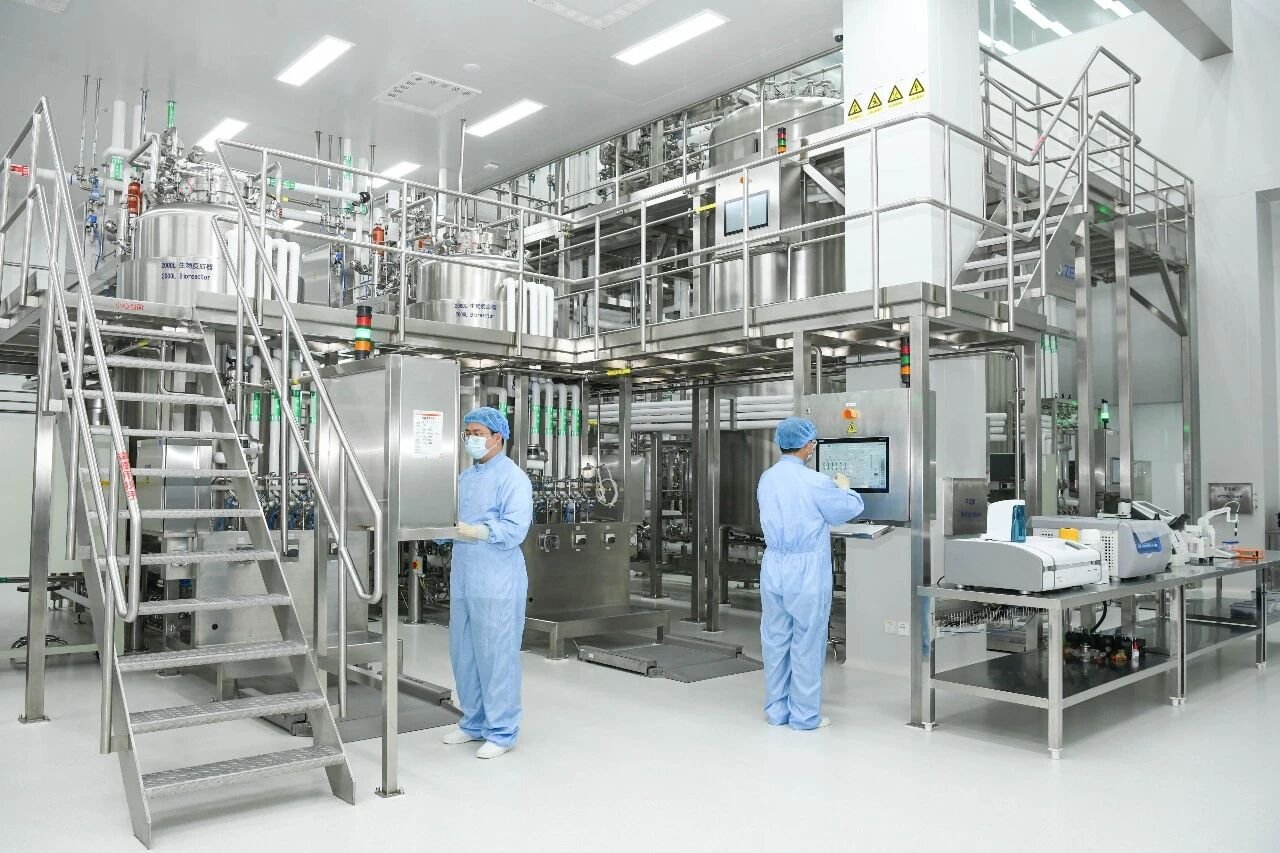
Fluid shear stress refers to the tangential hydrodynamic force acting on suspended cells, which arises from spatial velocity gradients in continuous fluid flow systems. In bioreactor environments, velocity discrepancies between adjacent fluid layers generate interfacial traction forces across the fluid continuum. High-velocity fluid streams accelerate slowly moving laminar fluid regions, whereas low-velocity flow domains decelerate faster fluid fractions. During suspension cell culture, cells are persistently exposed to such tangential mechanical stimuli. As a key hydrodynamic mediator linking agitation dynamics to cellular mechanical injury, fluid shear stress represents a core quantitative indicator for assessing microenvironmental stability in bioreactor systems. Its magnitude is jointly determined by intrinsic cellular properties and extrinsic operational variables, including cellular mechanosensitivity, agitation regimens, medium rheological characteristics, and aeration strategies.
Mammalian and insect cells lack rigid cell walls and exhibit relatively large cell sizes, rendering them highly vulnerable to hydrodynamic shear stress. Accordingly, these cell types are regarded as the most shear-sensitive biological platforms for industrial biomanufacturing applications. Under identical shear field conditions, larger cells undergo steeper surface velocity gradients and sustain more severe mechanical perturbations compared with conventional microbial cells. While mechanical agitation is essential for achieving homogeneous suspension mixing and efficient gas-liquid mass transfer in bioreactors, it concurrently generates detrimental shear forces that impair cellular physiological status and viability. Laminar flow features well-ordered, stable fluid streamlines; nevertheless, high-speed agitation triggers turbulent fluctuations and microscale eddy formation via cross-streamline fluid migration.
Although turbulence improves mixing uniformity and enhances mass transfer efficiency, it exacerbates mechanical damage to suspended cells. Furthermore, medium viscosity serves as a critical rheological parameter that modulates hydrodynamic shear profiles in culture systems. High-viscosity culture media suppress turbulent flow development, which may result in insufficient mixing efficiency and localized flow stagnation. In contrast, low-viscosity media facilitate the formation of fine microeddies and uniform bulk fluid mixing. Notably, medium viscosity varies dynamically throughout the cultivation process, driven by temporal changes in viable cell density and progressive accumulation of extracellular metabolites.
Continuous gas sparging is the dominant oxygenation approach for large-scale industrial cell culture, yet it acts as a major source of adverse hydrodynamic shear stress. Bubble rupture at the gas-liquid interface produces instantaneous, high-magnitude fluid forces, which can induce irreversible physiological dysfunction and cell death in shear-sensitive cell lines, even under low-agitation operational conditions. To alleviate shear-associated cellular damage, nonionic surfactants, with Pluronic F68 as the most widely applied agent, are routinely supplemented in both serum-containing and serum-free culture media. This biocompatible additive exerts robust cytoprotective effects through synergistic physical and biochemical regulatory mechanisms. Physically, Pluronic F68 markedly reduces gas-liquid interfacial tension and inhibits cell adhesion to bubble surfaces, thereby mitigating mechanical trauma induced by bubble coalescence and interfacial collapse. It also stabilizes interfacial foam structures, insulates suspended cells from extreme shear microenvironments, and optimizes bulk fluid hydrodynamics to construct a mild and stable cultivation microenvironment.
Biochemically, Pluronic F68 intercalates into the phospholipid bilayer of the cell plasma membrane, modulates membrane fluidity, and significantly elevates cellular tolerance to mechanical shear stimulation. Additionally, it preserves plasma membrane integrity, prevents the leakage of intracellular bioactive molecules, and maintains cellular physiological homeostasis. Nevertheless, as a process-derived residual impurity, the concentration of Pluronic F68 in final culture products requires strict regulation, as excessive residues may inhibit cell proliferation, reduce cell viability, and compromise final bioproduct quality.
Impeller tip speed is a standardized quantitative parameter for evaluating agitation-induced shear intensity, which can be calculated via the empirical equation: Tip Speed = π × N × D, where N represents impeller rotational speed and D denotes impeller diameter. For industrial-scale biomanufacturing, a 2000 L bioreactor operated at a constant agitation speed of 90 rpm typically yields a tip speed of approximately 1.97 m/s. A tip speed range of 1–2 m/s has been widely recognized as a safe operational threshold, under which shear stress exerts negligible adverse impacts on shear-sensitive mammalian and insect cells. During bioprocess scale-up, impeller dimensions increase proportionally with bioreactor working volume; therefore, agitation speed is rationally reduced to replicate the low-shear hydrodynamic conditions established in laboratory-scale cultivation systems.
However, exclusive adoption of the constant tip speed scale-up strategy inevitably leads to reduced volumetric power input. This deficiency impairs the volumetric oxygen mass transfer coefficient (kLa) and bulk mixing efficiency, ultimately limiting the overall mass and heat transfer performance of bioreactor systems. Accordingly, rational scale-up of cell culture bioprocesses requires a multidimensional optimization strategy that precisely balances shear stress attenuation, oxygen mass transfer capacity, and mixing homogeneity. Such systematic process engineering optimization is indispensable for enabling stable, sustainable, and scalable operation of industrial cell culture manufacturing platforms.
