

Influenza is an acute respiratory infectious disease caused by influenza viruses, infecting approximately 1 billion people globally each year, including 3–5 million severe cases and 290,000–650,000 related deaths. According to the World Health Organization (WHO), influenza annually infects 5%–10% of adults and 20%–30% of children, imposing a substantial disease burden.
Vaccination is the most effective measure to prevent and control influenza virus infection and its severe complications. However, the rapid mutation characteristics of influenza viruses—including antigenic drift (accumulation of point mutations) and antigenic shift (gene reassortment)—necessitate annual updates to vaccine components, placing extremely high demands on manufacturing processes.
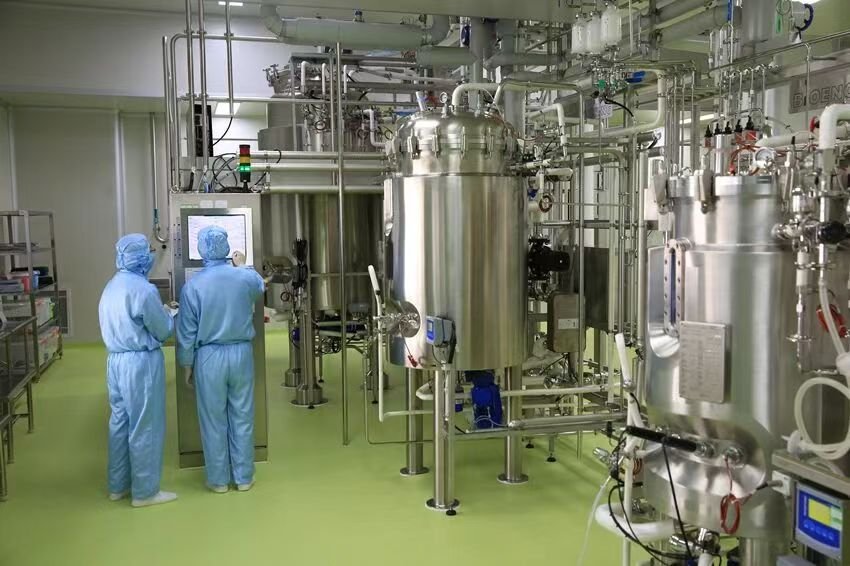
From virus cultivation to the final drug product, downstream purification represents the core step determining vaccine safety, efficacy, and production efficiency. If upstream cultivation is analogous to “crop farming”, downstream purification is the process of “husking and refining grain”: eliminating impurities to retain only the most potent protective components.
Classification and Structure of Influenza Viruses
Influenza viruses belong to the Orthomyxoviridae family and are classified into four main types—A, B, C, and D—based on differences in nucleoproteins and matrix proteins:
Influenza A virus
Host Range: Humans, avians, swine, equines, etc.
Epidemiological Significance: Causes seasonal epidemics and pandemics with the highest pathogenicity
Genomic Characteristics: 8 RNA segments; divided into subtypes based on HA and NA
Influenza B virus
Host Range: Almost exclusively humans
Epidemiological Significance: Causes local epidemics with moderate pathogenicity
Genomic Characteristics: 8 RNA segments; divided into Victoria and Yamagata lineages
Influenza C virus
Host Range: Humans, swine, etc.
Epidemiological Significance: Causes mild respiratory illness with no epidemic potential
Genomic Characteristics: 7 RNA segments
Influenza D virus
Host Range: Bovines, swine, ovines, etc.
Epidemiological Significance: No direct evidence of human infection
Genomic Characteristics: 7 RNA segments
Influenza A viruses are categorized into multiple subtypes according to the surface glycoproteins hemagglutinin (HA) and neuraminidase (NA). To date, 18 HA subtypes (H1–H18) and 11 NA subtypes (N1–N11) have been identified, with H1N1, H2N2, and H3N2 being the predominant subtypes circulating in humans.
HA is the major glycoprotein on the viral surface, consisting of a globular head domain and a stem domain. It mediates viral binding to sialic acid receptors on host cell surfaces and serves as the key antigen for inducing neutralizing antibodies. NA is a tetrameric glycoprotein that promotes the release of nascent virions by cleaving sialic acid residues, acting as a target for antiviral drugs (oseltamivir, zanamivir, etc.).
Brief History of Influenza Vaccine Development
The research and application of influenza vaccines span nearly a century, with key milestones as follows:
1933: First isolation of influenza A(H1N1) virus
Mid-1930s: Development of the first influenza vaccine—inactivated influenza A vaccine produced in embryonated chicken eggs
1940: Isolation of influenza B virus
1942: Development of bivalent inactivated influenza vaccine covering A(H1N1) and influenza B
1968: H3N2 influenza A pandemic drives demand for trivalent inactivated influenza vaccines; split vaccines approved in the United States in the same year
1976–1977: Purification of HA and NA antigens from split virions yields subunit vaccines, first approved in the United Kingdom in 1980
1978: Trivalent inactivated influenza vaccines licensed in the United States
Post-2000: Development of adjuvanted vaccines (MF59, AS03) and high-dose vaccine Fluzone
2012: US FDA approval of quadrivalent influenza split vaccine Fluarix
2013: US FDA approval of recombinant trivalent influenza vaccine FluBlok
Viral Variability and Challenges in Vaccine Update
Influenza viruses exhibit high mutability via two primary mechanisms:
Antigenic drift: Accumulation of point mutations during viral genome replication due to the lack of proofreading activity of RNA-dependent RNA polymerase, leading to minor antigenic changes and driving seasonal influenza epidemics.
Antigenic shift: Gene reassortment following coinfection of a single host by two distinct influenza virus subtypes, generating novel subtypes. Widespread population susceptibility to these new subtypes can trigger influenza pandemics.
Four influenza pandemics have occurred since the 20th century: the 1918 Spanish flu (H1N1), 1957 Asian flu (H2N2), 1968 Hong Kong flu (H3N2), and 2009 influenza A(H1N1) pandemic.
Such antigenic variability results in incomplete antigenic matching between vaccine strains and circulating strains in a given season, reducing influenza vaccine effectiveness. Vaccine effectiveness in the US during the 2009–2010 to 2019–2020 influenza seasons ranged from 19% to 60%, with generally lower efficacy when A(H3N2) was the dominant strain.
Since 1973, the WHO has issued recommendations on influenza vaccine composition based on global surveillance and predictions of the most likely circulating strains. Since 1999, separate recommendations have been released annually for the Northern and Southern Hemispheres.
Major Influenza Vaccine Types
Inactivated Influenza Vaccines
These include whole-virus inactivated, split, and subunit vaccines. They are the most widely used influenza vaccines due to high clinical safety, favorable immunogenicity, and low production costs. Split vaccines use detergents (e.g., Triton X-100, Tween 80) to disrupt the viral envelope, while subunit vaccines undergo further purification to retain only HA and NA antigens.
Live Attenuated Influenza Vaccines (LAIVs)
LAIVs elicit mucosal, systemic humoral, and cellular immune responses, particularly inducing long-term immune memory in children. Currently approved for individuals aged 2–49 years in the US, 2–59 years in Canada, and 2–17 years in the EU and UK.
Recombinant Influenza Vaccines
Recombinant HA proteins are produced using the insect cell-baculovirus expression system, offering advantages in production speed, scalability, biosafety, and antigen reliability. Approved for adults aged ≥18 years in 2013, expanded to those aged ≥50 years in 2016, and further extended to adolescents aged 9–17 years in March 2025.
Technical Routes for Next-Generation Influenza Vaccines
mRNA Vaccines: Breakthrough Progress
Moderna’s mRNA-1010 seasonal influenza vaccine has been submitted for marketing authorization in the US, Europe, Canada, and Australia. mRNA-1018, a candidate vaccine against H5 pandemic influenza strains, has received up to US$54.3 million in funding from the Coalition for Epidemic Preparedness Innovations (CEPI) and is scheduled to initiate Phase III clinical trials in early 2026. Upon approval, it will become the world’s first mRNA-based pandemic influenza vaccine.
Compared with conventional vaccines, mRNA vaccines feature shorter production cycles, no requirement for handling live viruses, lower biosafety requirements, and rapid adaptability to emerging strains.
Broad-Spectrum/Universal Vaccines: The Ultimate Goal
The US National Institute of Allergy and Infectious Diseases (NIAID) has launched a Phase I clinical trial (NCT07340047) evaluating the H1ssF (H1 HA stabilized stem ferritin nanoparticle) vaccine candidate in a head-to-head comparison with the licensed cell-based vaccine Flucelvax. Such “universal vaccines” are expected to cover multiple influenza subtypes and provide more durable protection.
According to a 2025 review in Animal Diseases by Li et al., current universal vaccine development strategies focus on conserved antigen targets.
NA-Based Vaccines: An Overlooked Target
While HA is the immunodominant antigen in influenza vaccines, NA has recently re-emerged as a promising vaccine target. A 2024 study in Vaccine by Hoxie et al. demonstrated that a vaccine comprising recombinant N2 neuraminidase (N2-MPP) combined with CpG 1018 and aluminum adjuvants induced broad protective immunity in mouse and hamster models.
Antibodies induced by the N2-MPP+CpG+aluminum adjuvant formulation inhibited the enzymatic activity of multiple heterologous N2 influenza virus subtypes, retaining cross-inhibitory activity against strains with amino acid sequence homology as low as 76.33%.
Novel Delivery Platforms for Universal Influenza Vaccines
Innovative platforms for next-generation vaccines, when integrated with universal influenza vaccine design, elicit superior immune responses compared to conventional vaccines:
mRNA vaccines demonstrated exceptional efficacy during the COVID-19 pandemic and hold great promise for influenza. Moderna’s mRNA-1010 seasonal influenza vaccine is under regulatory review, while mRNA-1018 for H5 pandemic influenza is set for Phase III trials in early 2026 with CEPI support.
Virus-like particles (VLPs) present antigens in their native conformation to enhance immune responses. Chimeric cytokine VLPs composed of M2 protein, NA, and IL-12 induced effective cross-protection against homologous and heterologous influenza A subtypes.
Nanoparticles serve as delivery platforms for high-density antigen expression with adjuvant-like functions. Protein nanoparticle-mediated delivery of recombinant influenza HA enhances immunogenicity, broadens antibody responses, and maintains balanced Th1/Th2 immunity. NIAID’s H1ssF nanoparticle vaccine has completed Phase I clinical testing.
WHO Vision: Improved Influenza Vaccines
The WHO’s recently released Comprehensive Value Assessment of Improved Influenza Vaccines states that widespread use of improved influenza vaccines between 2025 and 2050 could prevent an additional 6.6–18 billion influenza cases and reduce deaths by 2.3–6.2 million. Next-generation vaccines aim for enhanced immunogenicity, broader protection, and improved production accessibility.
In-Depth Analysis of Influenza Vaccine Purification Processes
Purification of Egg-Based Influenza Vaccines
Process Overview
Egg-based influenza vaccines represent the most traditional manufacturing platform with over 70 years of history. Raw materials consist of allantoic fluid harvested from influenza virus-inoculated embryonated chicken eggs, with intact influenza virions as the target product. Major impurities include ovalbumin, chicken embryo proteins, and allantoic fluid components.
Key Process Steps
Primary Clarification
Ultrafiltration Concentration
Core Purification
Purification of Cell-Based Influenza Vaccines
Process Challenges
Cell-based influenza vaccines use continuous cell lines (MDCK, Vero, PER.C6, etc.) for viral cultivation, addressing multiple limitations of egg-based vaccines. However, host cell proteins (HCPs) and host cell DNA (hcDNA) introduced by cell substrates pose new challenges. Notably, MDCK cells are tumorigenic, imposing stringent requirements for DNA residual levels (<100 pg per dose).
Key Process Steps
Primary Clarification
Nuclease Treatment
Ultrafiltration Concentration
Two-Step Chromatographic Purification
Purification of Recombinant HA Vaccines (FluBlok Case Study)
Expression System
FluBlok employs the insect cell (expresSF+ cells)-baculovirus expression system for recombinant HA production. Key advantages include: suspension culture of insect cells in serum-free media scalable to 450 L; narrow baculovirus host range with no vertebrate infection, ensuring high biosafety; and no need for stable cell line establishment during annual strain updates—only recombinant baculovirus construction is required.
Manufacturing Process Flow
Per Holtz et al. and Wang et al., the FluBlok process is as follows: post-inoculation, cells are cultured at 28°C for 48–72 h. Cell pellets are collected by low-speed centrifugation, with supernatant discarded (HA localizes to cell membranes). Cell pellets are resuspended in 50 mM ethanolamine + 0.3 M NaCl + 0.1% β-ME, pH 9.0 to remove cytoplasmic and peripheral membrane proteins, washed with 50 mM ethanolamine + 0.1% β-ME, and finally extracted with 50 mM ethanolamine + 1% Triton X-100 + 0.1% β-ME, pH 9.0, achieving extraction efficiency >60%.
Chromatographic Purification
Anion Exchange Chromatography
Lectin Affinity Chromatography
Cation Exchange Chromatography
Process Performance
At 10–45 L fermentation scale, purified HA yield reaches 2–4 mg/L with purity >95% and overall recovery of 57%.
Purification of Subunit Influenza Vaccines
Subunit vaccines undergo further purification following viral splitting to retain only the two critical surface antigens—HA and NA—while removing internal viral proteins and genetic material. A Zhongyi Anke patent discloses a method for trivalent influenza subunit vaccine production, where splitting agent is added prior to sucrose gradient centrifugation for simultaneous splitting and centrifugation. Harvested fractions are desalted and buffer-exchanged via gel filtration. The final product has HA content >80%, free of adjuvants and preservatives, ensuring efficacy and safety.
Challenges and Future Perspectives
A major challenge in influenza vaccine development is addressing the frequent emergence of antigenic variants and the high mutation rate of influenza viruses. A promising solution lies in developing universal influenza vaccines with maximal protective coverage.
Researchers worldwide have developed multiple universal vaccine candidates targeting distinct viral antigens, demonstrating favorable safety and immunogenicity in preclinical and clinical studies, supporting an optimistic outlook for universal influenza vaccines. However, current evaluation of vaccine potency based on neutralizing antibody titers is insufficient to assess the breadth of universal vaccine protection, requiring research into correlates of protection incorporating cellular immunity and non-neutralizing antibody levels.
From a purification process perspective:
Traditional egg-based processes increase viral recovery from 19% to over 70% via gel filtration chromatography.
Cell-based processes achieve >99.3% DNA removal using mixed-mode and ion exchange chromatography.
Recombinant HA processes yield >95% pure HA antigen via three-step chromatography.
Subunit processes simplify workflows and enhance purity through simultaneous splitting and ultracentrifugation.
Looking ahead, emerging platforms including mRNA technology, broad-spectrum vaccines, and NA-based vaccines will present new purification challenges and opportunities. Nonetheless, “removing impurities while preserving functional antigens” remains an enduring principle. These continuously evolving technologies collectively build robust defenses against influenza viruses.
As a leading process-oriented engineering company, Sino Bioengineering delivers professional bioengineering solutions and comprehensive technical services to clients worldwide.
For more products and solutions: https://sinobioengg.com/category/solution/
For more service: https://sinobioengg.com/category/service/