
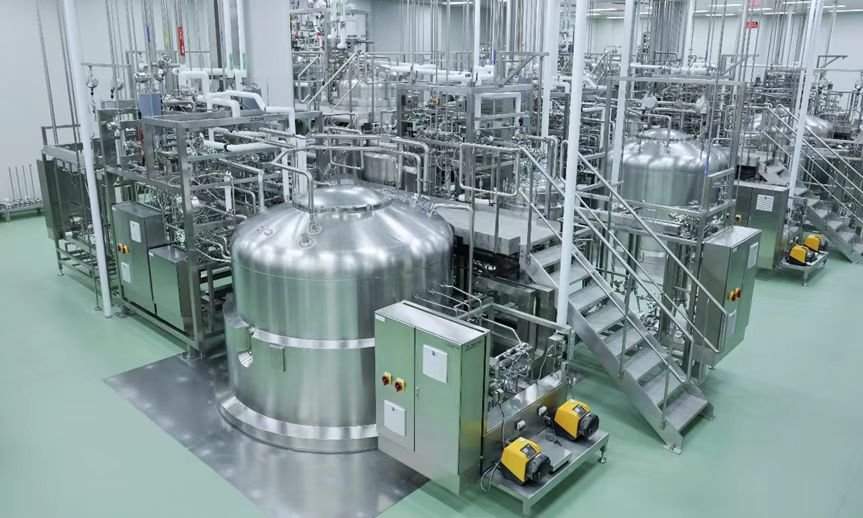

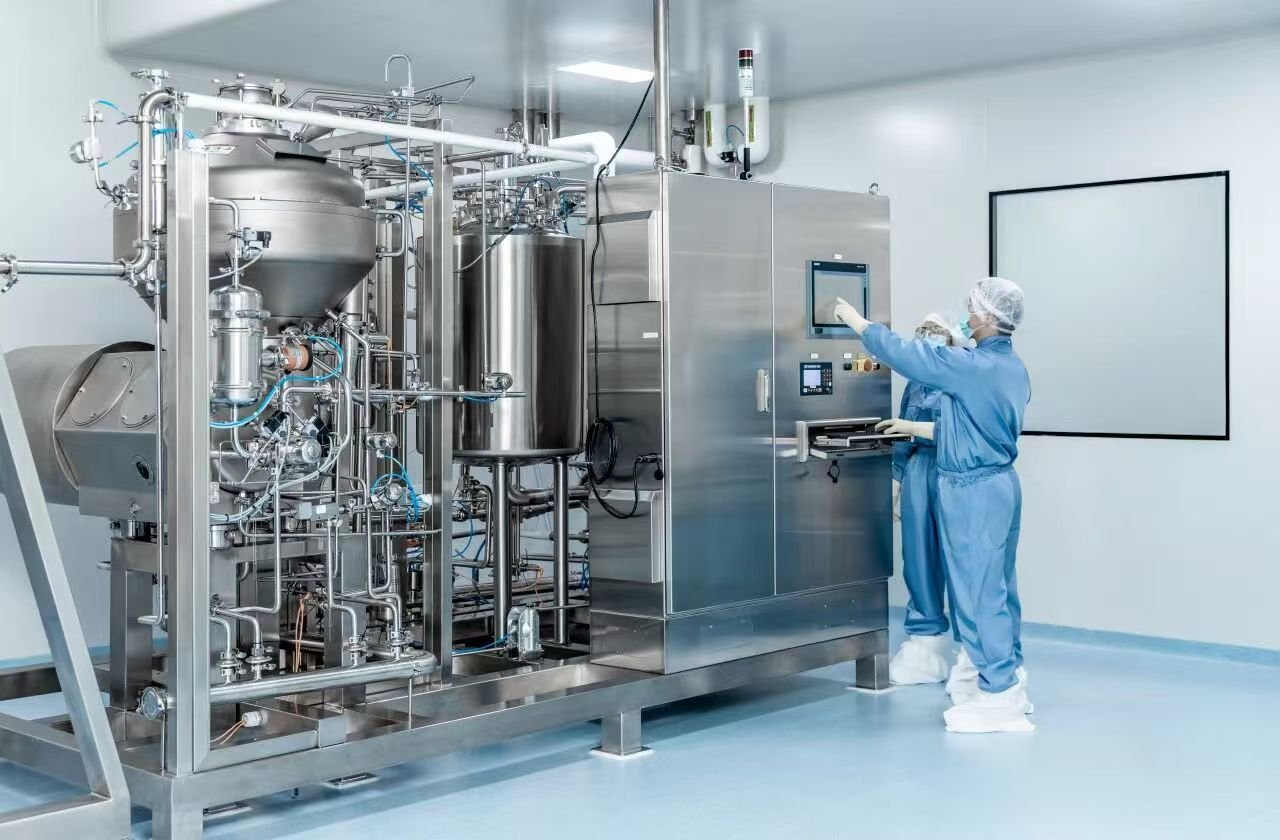
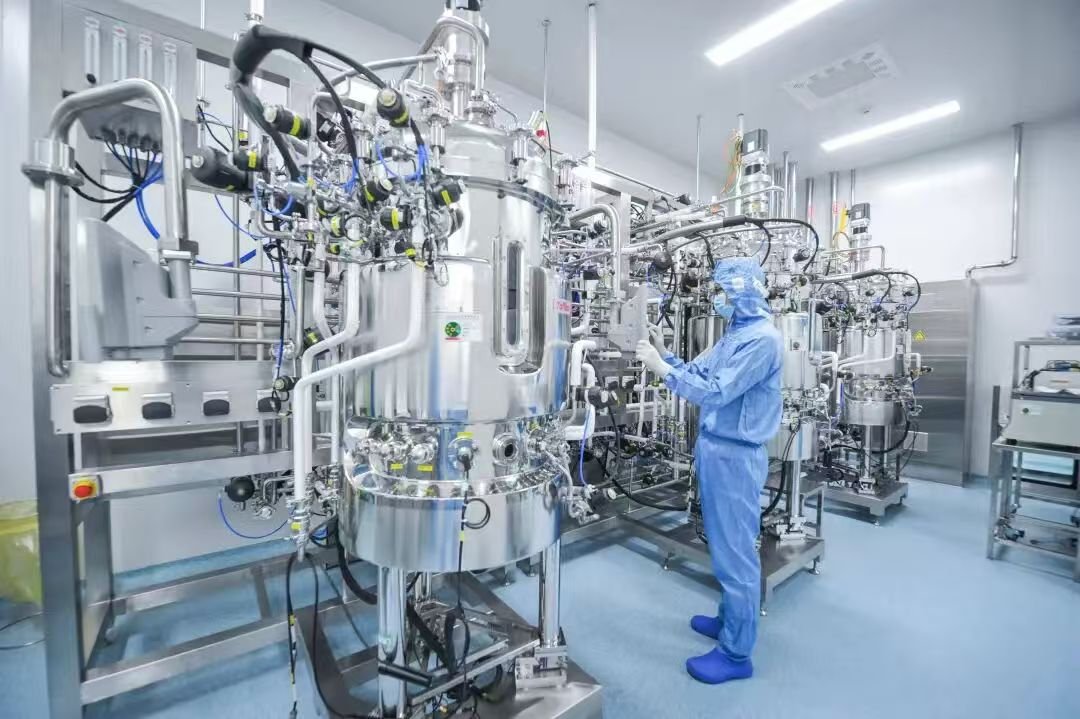
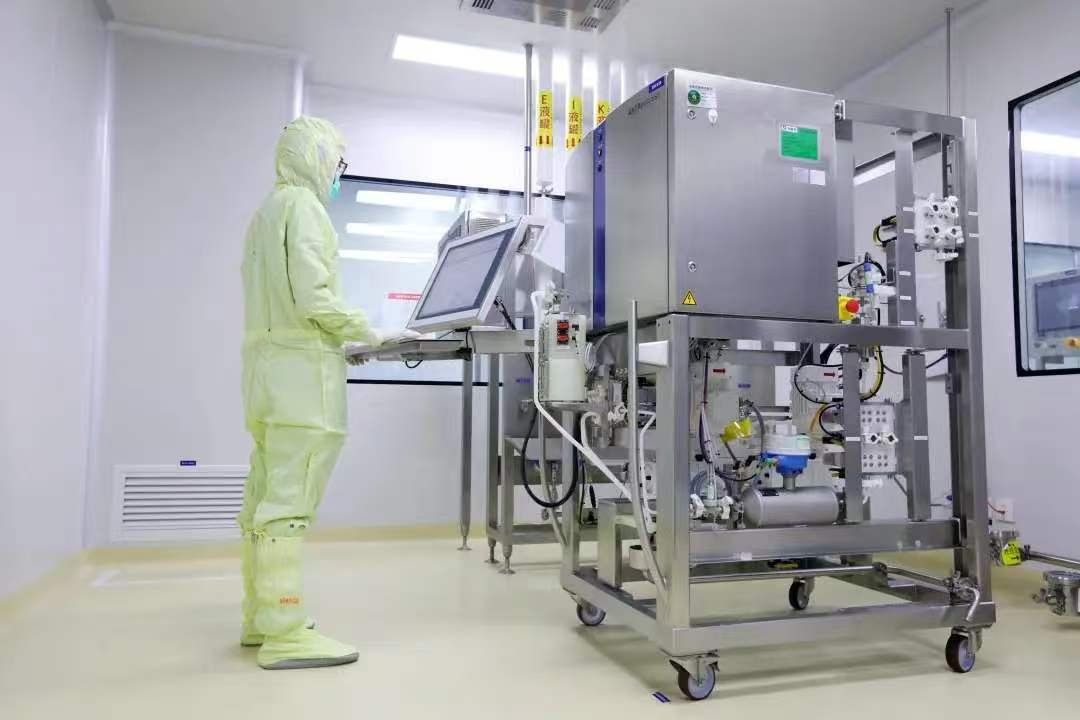
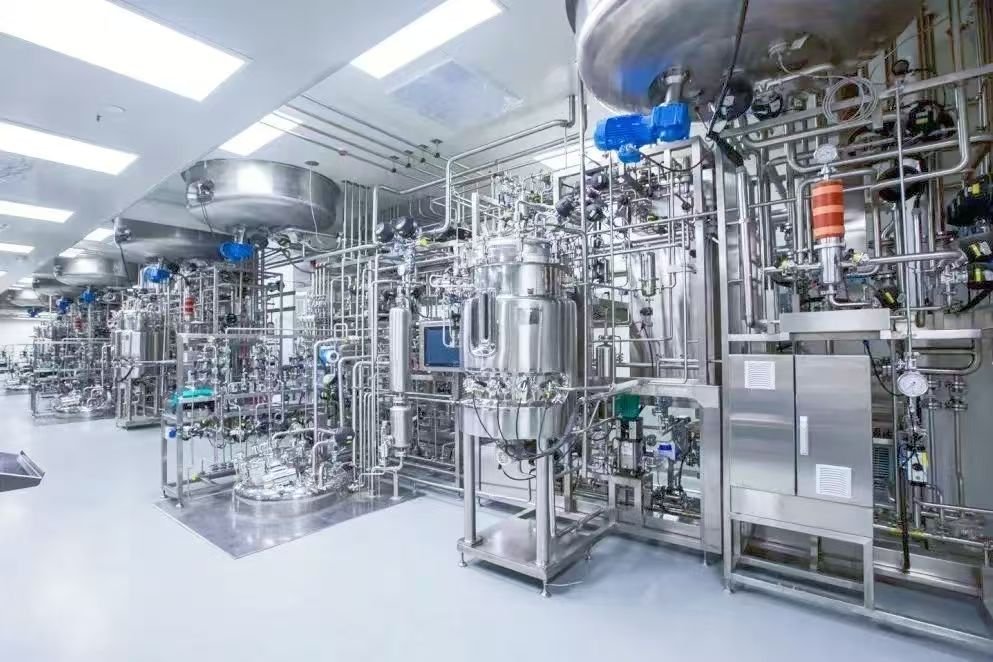
Instead of the huge, 10-ton, or even higher, annual production scale facilities for one single biopharmaceutical product, it seems more likely that many current and most future facilities regularly must produce more than one product. In other words, the large batch sizes offered by high product titres in the upstream process will be exploited to make needed quantities in fewer batches, liberating production capacity for additional products. Multiproduct facilities are fully accepted from a regulatory perspective now, but they do require several precautions, and are certainly more complex than single-product manufacturing facilities.
The key issue in multiproduct manufacture is how the combination of facility, equipment design, and operational procedures ensures the segregation of products. For facilities with multiple products or processes, a risk assessment should be performed on the impact of potential process/product failures on other operations in the facility. This analysis should include an established plan of action for different failure modes. Other considerations include different processing/product systems that cannot be opened to the environment within the same production area unless appropriate protective controls are in place. For example, cell culture with similar strains in the same processing area may require a means of strain differentiation (e.g., antibiotic marking). Given this, generally, in biopharmaceutical facilities, multiproduct manufacturing is undertaken in two ways:
1. Concurrent processing—independent and segregated production suites utilized for the manufacture of different products in dedicated unit operations.
2. Campaigned processing—different products are scheduled to be manufactured at different points in time within the same production suite.
As such, the options represent physical and temporal segregation, respectively. Concurrent processing typically involves the use of dedicated unit operations within separate process trains. Each process train is devoted to a product. Essentially it amounts to dedicated, single-product facilities sharing utility and support systems (e.g., media and buffer preparation, column packing, etc.). Although these facilities are large and expensive, they do allow for high productivity, as there is no break in production or downtime necessary for the manufacture of different products.
Campaigned processing is more space- and cost-efficient, as one suite, and usually most process equipment will be shared among the manufacture of different products. The focus is to avoid cross-contamination through cleaning validation, and changeover procedures between products and production line clearance. In general, the more the products are segregated by time and space, the lower the burden placed on procedural control systems. The closer the products are in time and space, the greater the burden of reliance on procedural controls. Spatial and temporal segregation are more robust than procedural segregation methods. In all cases, the guiding principle is to ensure the quality and safety or products.
With appropriate validation of clearance, it should be possible to process a wide variety of biopharmaceutical products within the same facility. Clearance is demonstrated by the removal of product, components, and waste residues from process equipment. Rigorous cleaning and sterilization procedures must be recorded using a well-established and sound documentation trail. The clearance procedures should be thoroughly tested to provide for the removal of potential contamination sources. Cleaning endpoints must be established. In most cases, it is appropriate to use scientific rationale rather than the limits of detection (e.g., quality by design approaches).
In multi-product operations, it is important to consider the trade-off between cleaning costs (which include changeover, validation, routine cleaning activities and materials, and routine monitoring for cleaning effectiveness) and the cost of dedicated equipment. Typically, chromatography resins and filtration membranes should be dedicated to products because they are notoriously difficult to clean. Similarly, gaskets, O-rings, valve diaphragms, and other “soft” components subject to product build-up are often replaced between campaigns. Due to this, some manufacturers may feel it is more efficient to maintain dedicated chromatography columns between products as well as resins to avoid the time requirements of unpacking, cleaning, and repacking columns. It is common practice to physically segregate the cell bank and final bulk product from other products. Other components are typically segregated by means of procedural control as a method of secondary segregation.
A campaigned multiproduct operation is essentially a chronological segregation method. During campaign processing, a production year is typically broken up into multiple “campaigns” comprised of several batches of manufacture for a product to meet a specified demand. After a product campaign is completed, a changeover procedure is undertaken, where equipment, and sometimes rooms, are thoroughly cleaned, HEPA filters within rooms are exchanged, and process equipment is sometimes reconfigured to, and set up for, the new product to be manufactured. Where a company operates with a well-developed technology platform and focuses on the corresponding category of drug substance, one may aim for several days for change over activity. It helps if different processes do not have unusual unit operations, giving rise to the need for new equipment as part of the change-over, which can lead to increased technical and operational risk. However, changeover time can vary a lot with experience and with homogeneity of the portfolio to be manufactured: 2–6 weeks’ time may be the time range to consider if this is the case.
It should be noted, however, that the clear majority of multi-product manufacturing facilities produce products of a specific class (e.g., MAbs or rProteins), or those which are derived from the same expression system (e.g., mammalian or microbial cells). The threat or perceived threat of cross-contamination is considered too high to campaign products emanating from different expression systems within the same production area. It is unlikely, for instance, that live vaccine manufacturing takes place in the same building as monoclonal antibody production.
The intended purpose of the facility will also factor in the decision making for how the facility layout will look. For example, a cGMP development operation usually requires flexibility to adequately perform its intended function. Such facilities usually have layouts that allow for different personnel, materials, and equipment movements, since the unit operations required by each product under development varies. To meet the requirements of the regulations for no cross-contamination of products, and to prevent the mixing of various components or product intermediates, the procedures used during the operations delineate the guards against such results, rather than the solution being built into the physical facility. In this case, conservative pragmatism may prevail with a facility design more in line with a uni-directional philosophy to mitigate concerns of cross-contamination.
However, a large-scale manufacturing facility producing commercial products usually does not require the same level of flexibility as a small one. The facility is usually dedicated to products requiring the same or similar unit operations and thus the physical facility arrangement can control flow patterns. Under this arrangement, the physical facility provides operational flexibility. Operating procedures would be in place to ensure that products and intermediates are not mixed and cross-contamination has been prevented. The balance between the use of physical barriers or procedural barriers needs to be discussed with the operating unit and the quality unit prior to finalization of the conceptual design. In the case of contract manufacturers, their systems must reassure different clients that cross-contamination did not occur without releasing confidential information. The development and execution of extensive cleaning validation procedures will be central to evidence-driven declarations. Such reassurance is often difficult, but needs to be ensured by the owner of the product/ application.