
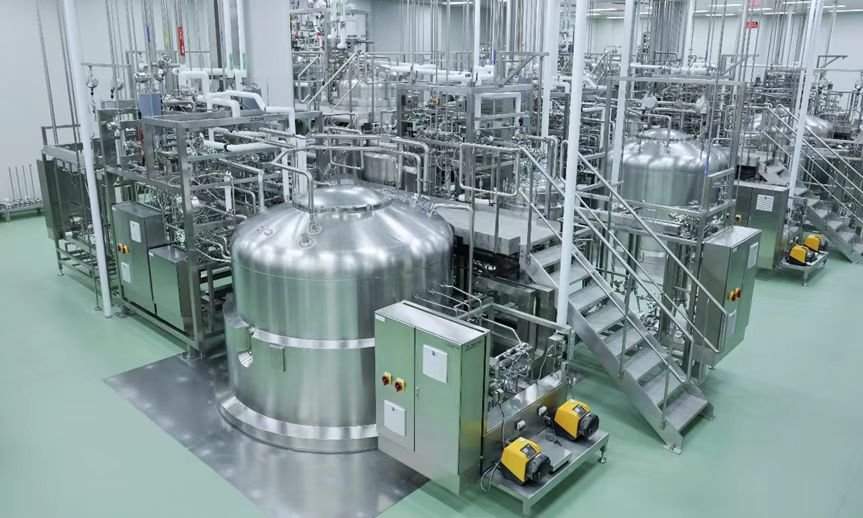

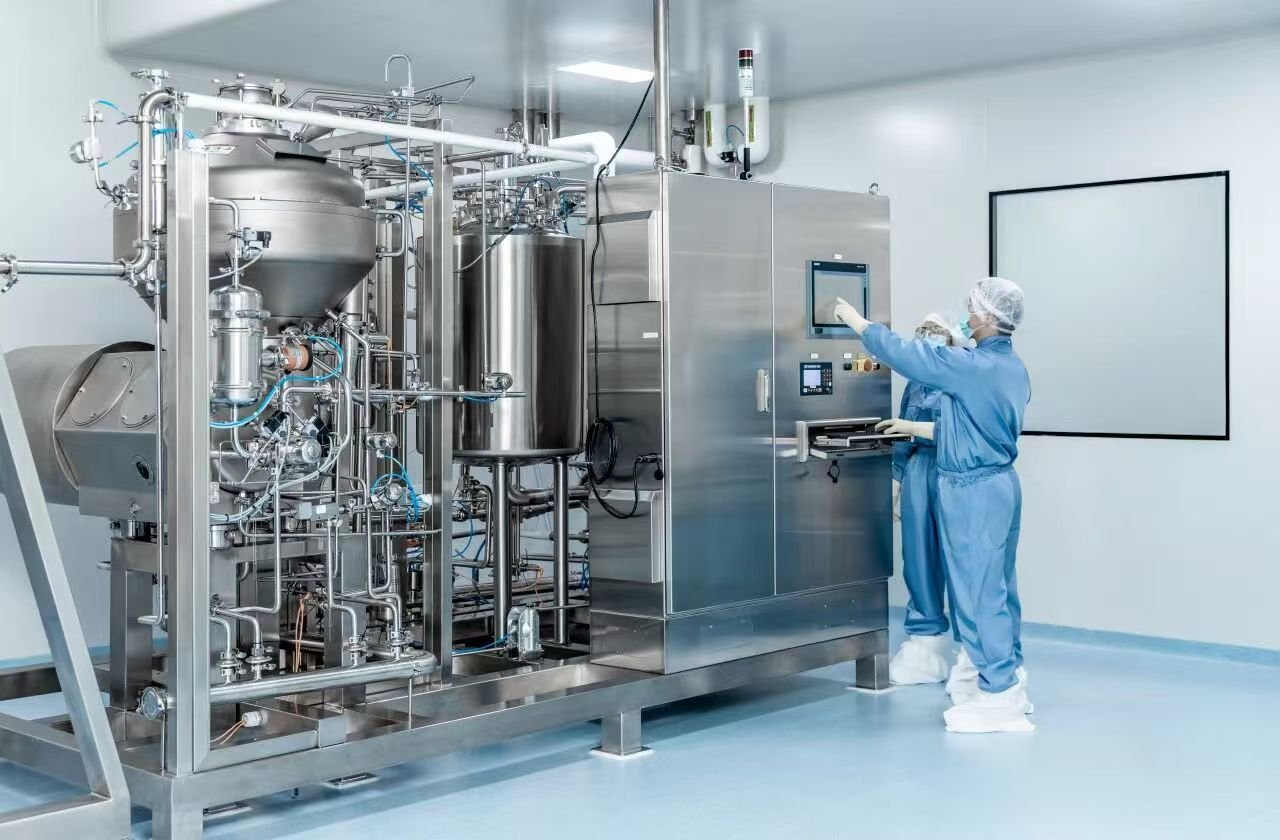
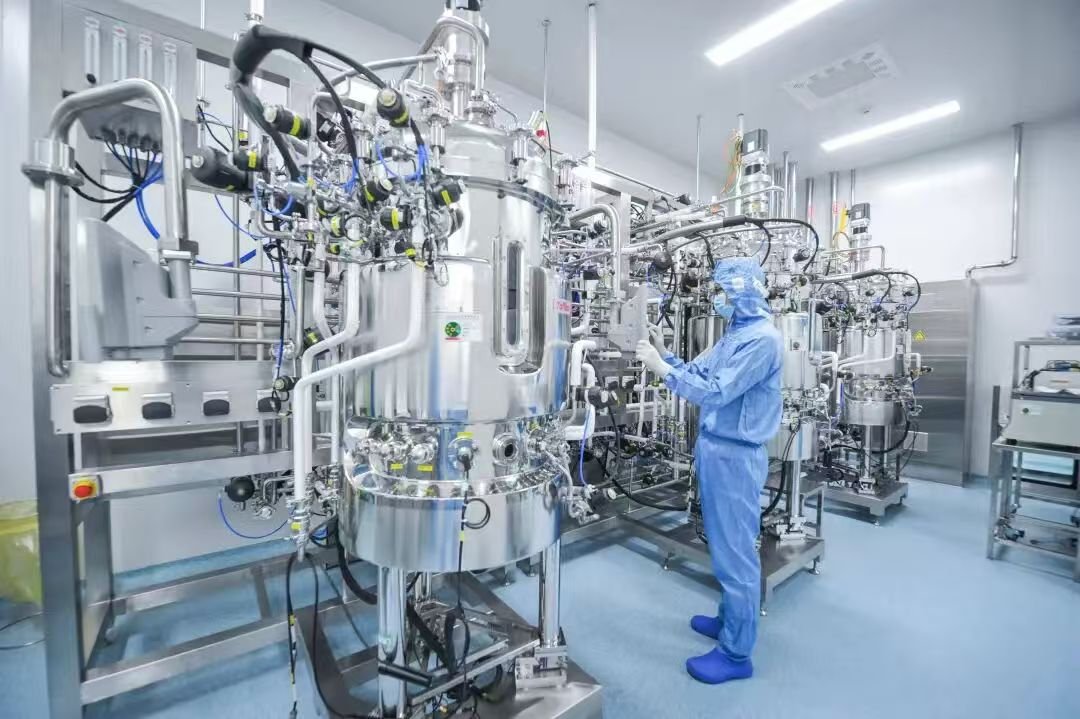
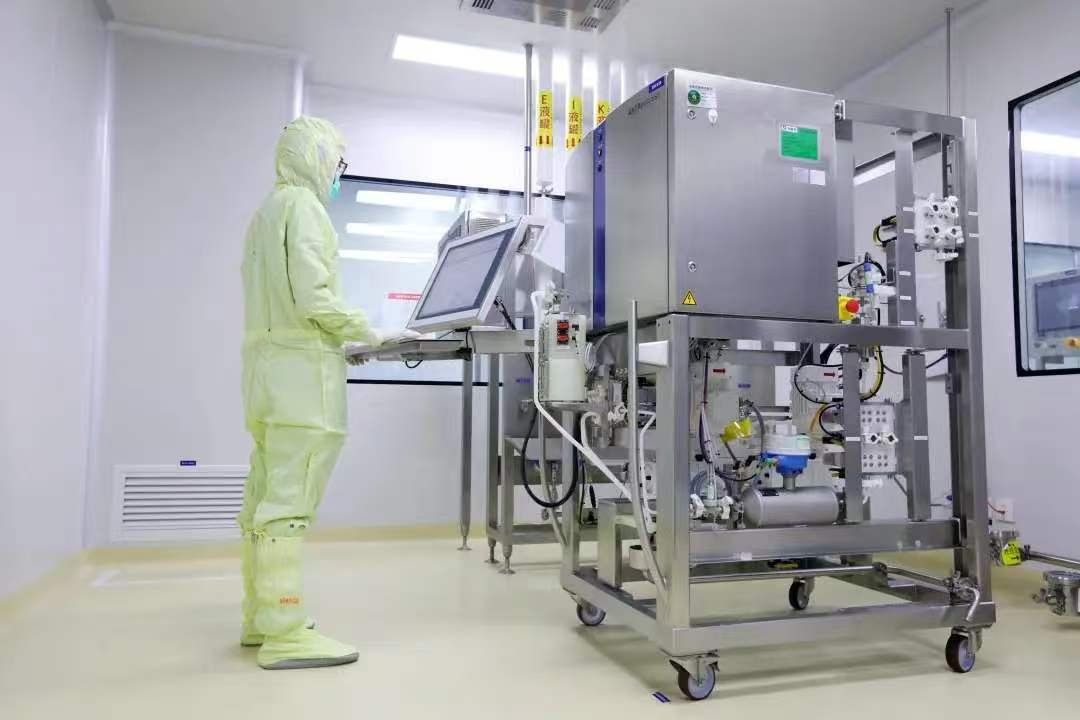
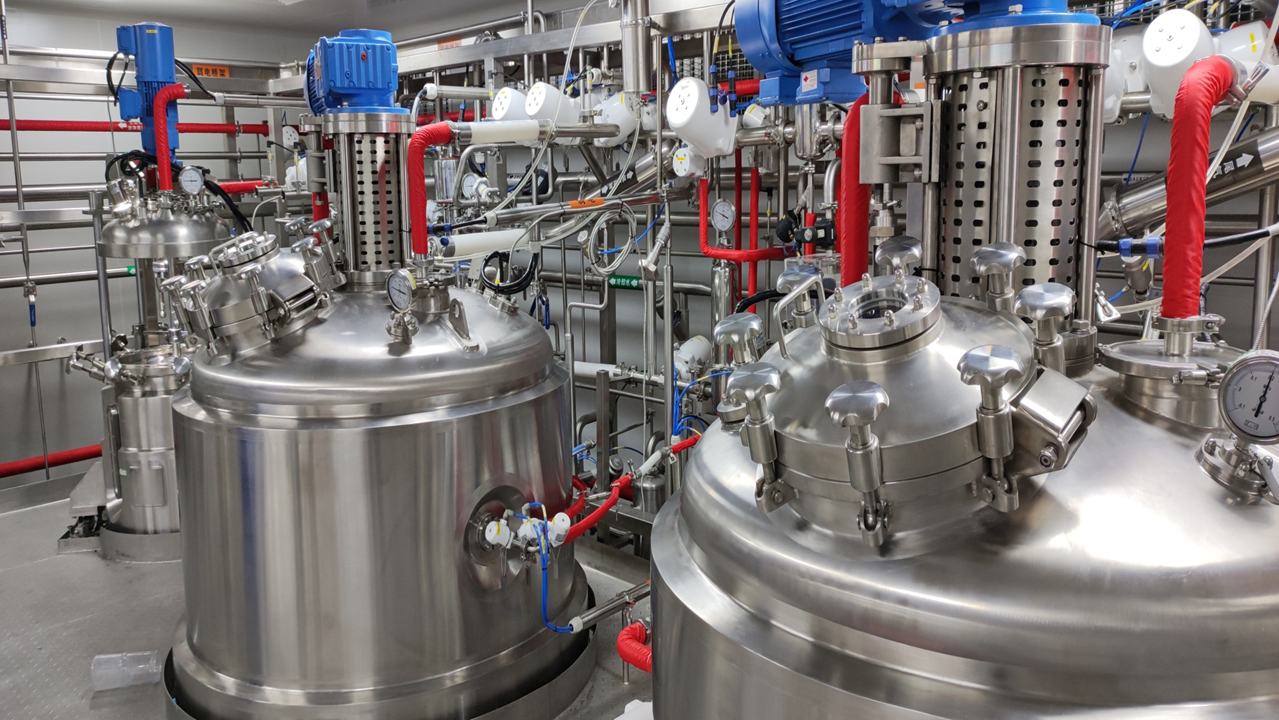
Large quantities of waste will be generated from the biopharmaceutical facility during production. The vast majority of this waste emanates from the production process, but waste also emanates from the process supporting functions. The upstream waste is mainly cell growth media, but in the case of single-use systems, includes bioreactor and media culture hold bags, filters, and tubing. The SIP process (steam in place, of tanks with clean steam) generates waste in steam form—a waste that can lead to an increase in pressure or vacuum.
Purification processes, through chromatography and filtration operations, may emanate sodium hydroxide, acetic acid, saline, and acetate or other buffer salt solutions. Sinks and floor drains are used to drain water used during floor cleaning, autoclaves generate condensate, and the CIP process (clean in place, carried out on all tanks) generates a lot of waste, with both nitric acid and sodium hydroxide. As with the upstream, if single-use hold bags and transfer tubing are utilized in the downstream process, then these will further add to the solid waste being produced.
As such, waste will be solid, liquid, and gaseous (venting from unit operations), the relative quantities of which will depend on the technologies used within the production process. Waste is required to be treated before exiting the facility, whereupon, depending on the treatment type, it is discharged into the relevant municipality disposal routes (e.g., sewers, or landfill sites).
Because the biopharmaceutical products are biological in nature, there may be special local city and state regulations that exist to guide the manner of waste treatment required by the facility. Broad guidelines exist within the cGMP (40 CFR Part 261, 40 CFR Part 264) outlining the minimum standards required.
In general, for biotech industries, the main concern of waste treatment is the recombinant host used at the start of the process during cell manipulation and culturing. This organism may pose health threats if it is released untreated into the environment. A risk assessment should identify to what extent these substances are hazardous to health and environment. Depending on this, the waste is classified into a biological safety class that determines the waste treatment (see Hazardous Waste Decontamination below). Most simple-cell, culture-based therapeutic processes that utilize cell lines such as CHO will have a biosafety level of good large scale practices (GLSP). This does not require inactivation prior to disposal. However, some local municipalities or state authorities may require inactivation prior to disposal. Although it’s not cost-effective, it is good practice to design waste drain systems with this need in mind not only from a safety and security viewpoint, but also from the perspective of flexibility in case a new product may require it anyway. Inactivation of biological substances is discussed in more detail within the Hazardous Waste Decontamination section below.
Treatment of non-Bioactive Waste
Although biological safety is the concern for waste emanating from the upstream process, harvesting and purification will likely generate the most liquid waste within the production process. Additionally, waste emanating from the DSP may contain hazardous or harmful chemicals or extremes of pH, depending on the specific process requirements, all of which will need treatment to ensure waste can be disposed of safely outside of the facility.
Liquids
In most cases, treatment of non-biological liquid waste streams consists of collection within a waste tank followed by chemical treatment for pH adjustment, prior to discharge to the municipal sewers. The size of the waste tank will be determined based on whether a continuous or batch system is implemented, but typically all non-active waste streams will be routed to the same waste system. However, if effluent waste streams contain high concentrations of chemicals that could be harmful to the environment, or solvents, then further processing may be required via an additional waste water treatment for further filtration or solvent recovery external to the facility.
Solids
Biologically exposed solid waste such as filter membranes, chromatographic resins, single-use bags and tubing have to be sanitized either via an autoclave (see Hazardous Waste Decontamination below) or chemically, but non-active solid waste is deemed non-hazardous to the environment and can be disposed of via municipal routes. The non-active solid waste could then be double-bagged and taken out of the facility to landfill or incineration sites, depending on local practices. However, as with non-biological liquid waste, some local codes may require deactivation by some means prior to exiting the facility.
Exhaust air
Typically, non-hazardous exhaust air emanating from vent filters on closed system unit operations is not hazardous to health or environment. However, it could be odorous, and in some cases, emit solvent vapors. In this case, deodorization or organic solvent emission reduction could be achieved by exhaust air scrubbers. These could be a requirement should local authority regulations have emission levels guidelines.
Hazardous Waste Decontamination
Both solid and liquid waste discharges containing biohazardous recombinant organisms or emanating from a biohazardous area must be decontaminated by a validated inactivation procedure prior to release from the facility and into municipal disposal routes.
Decontamination systems must ensure inactivation of all microorganisms, including survival structures (e.g., spores), and in that respect, the process must be validated by microbial challenge testing. The most common techniques used to effect biological inactivation are thermal inactivation or chemical inactivation. For biopharmaceuticals, thermal inactivation is the most frequently used and may involve autoclave decontamination or the use of heat treatment or “Bio-KILL” systems.
Chemical inactivation may use oxidizing agents such as sodium hypochlorite (NaOCl) and peracetic acid (CH2CO3H) as they have a broad spectrum of antimicrobial activity. The chemical is generally mixed at a known concentration directly with the effluent at a determined ratio, held for a specific contact time, and heated if required. The equipment used for such an approach can therefore be quite simplistic, but it does have drawbacks. For instance, the materials used to construct inactivation tanks and piping need to be corrosion resistant (e.g., high grade stainless steel or Hastelloy). Furthermore, the addition of chemicals may mean that further chemical or physical manipulation could be required before effluent is discharged from the facility to meet local authority regulations for waste water.
For heat-based liquid treatment, a combination of heat and pressure is needed to ensure that all potentially dangerous biological agents are destroyed. In contrast to the chemical based systems, solids in the effluent can be sterilized and are less susceptible to clogging. Usually, effluent decontamination systems operate between 121°C and 134°C or higher depending on the chosen system and the characteristics of the biological agent being inactivated. Compared with chemical treatment, the facility will require additional energy consumption, but heat recovery systems can be engineered into the solution to mitigate this effect.
In some cases, a thermo-chemical treatment system could be used. This has the added advantage that no pressure vessel is needed, and temperatures reached are not as high as that required by thermal-only inactivation. Also, the system can switch between either chemical or thermal inactivation, for instance, in an emergency case of steam failure within the facility or for thermal-only inactivation with longer exposure times to ensure complete inactivation. The adequate temperature and chemical combination would need to be determined for the specific agents being deactivated. The use of chemical treatment may also require the adjusting of physical and chemical parameters of the effluent before discharge from the facility to comply with local waste water regulations.
Automated Bio-Kill systems are generally utilized for the deactivation process. The system generally operates a “Kill Cycle” that begins with the addition of a chemical or a direct steam injection into the active waste. If deactivation is done thermally, then both the sterilization time and temperature must be controlled—the parameters of which should be determined based on the pathogen profile of the material being deactivated. Following this the now inactive waste stream is cooled down. In some cases, indirect heating is used by means of recirculation externally of the tank. Additionally, the pH of the waste can be adjusted prior to releasing the batch to drain to ensure neutrality. The resulting effluent can then be passed into the waste water process (WWP) system for either further treatment with the rest of the non-active effluent waste from the facility or be released into the municipality sewage system. The kill system used can be either a batch or continuous process. In a batch-operated process, the effluent is collected, treated, and discharged as one batch at a time. Decontamination can be done either by chemical or thermal treatment. A continuous process is a heat-based flow-through system consisting of a series of heating and cooling exchangers and a dedicated pipe section from sterilization under a defined pressure, temperature, and time (based on the bioactive material being inactivated).
Batch-based systems vary in design and operation, but usually consist of a collection tank and kill tank. However, effluent waste can be collected directly in a series of treatment vessels. For instance, one vessel could be in service receiving waste, while the other is engaged in the inactivation activity, while a third vessel could be on redundant standby for the one of the other two operations in case of a failure. This makes batch processing more suitable for smaller facilities with relatively lower effluent generation. Generally, batch systems are more flexible than continuous systems, allowing for varying operation strategies (depending on the number of kill tanks available) and allowing solids in the effluent waste—continuous systems are prone to clogging of the smaller diameter retentive piping, meaning that homogenous well-known feeds are more favorable for those systems. Furthermore, there is also an advantage in allowing for the confirmation of effectiveness of inactivation on a discrete batch. However, batch systems are both larger and more expensive. The kill system should be kept separate and segregated from the non-active waste treatment system of the facility.
All biologically contaminated waste transferred to the kill system should be through dedicated floor drains in the infectious areas and separate pipes into the kill tanks. The piping network or any manifold used should be designed as a backflow preventer, ensuring that a waste stream cannot go backwards up another pipe due to pressure differences. Waste should flow directly into the treatment tanks, and if a buffer or break tank is considered necessary, for instance to regulate onward flow, it should be placed after the treatment tanks and not prior to them. This enables the pipes leading toward the combined collection and treatment tanks to be steam sterilized at regular intervals, ensuring that no bacterial infection can reach the production rooms through these pipes. All collection pipes should be designed for routine steaming and be drainable, from the production hall down into the waste area to limit the risk of bacterial infection to the production area. Steam traps should therefore be installed above and beneath the kill tanks to be absolutely sure that the contaminated material will be kept inside the tanks, even if some of the valves develop a leak. Most of the waste running through these pipes is growth media, which means that any type of bacteria will be able to grow in them, and thereby potentially form biofilms that reach the production hall and contaminate the clean rooms.
From a containment point of view, the kill system should be designed to handle large volumes of highly concentrated virus harvest (and other infectious materials). Tank sizing should be estimated to match the maximum daily peak volume of potentially contaminated effluent, although emergency strategies should be considered in the case of the risk of a failure in the production bioreactor, necessitating the inactivation of an entire batch at once. In the case of batch inactivation, a risk assessment would have to be undertaken to determine if the kill tanks should be sized to inactivate the whole batch or not.
Floor drains in any infectious areas cannot be openly connected to the standard process or sanitary sewer service, but should be piped to the biological waste treatment system. Due to the low risk of contamination, BSL-1 and BSL-2 waste treatment equipment can be placed within a general utility area with the ability to use liquid disinfectants in case of a leak situation or in the event decontamination equipment needs servicing.
Solid Waste
An autoclave for the decontamination of solid waste materials such a single-use bag, filters, tubing, or small portable equipment is also required. This should not be the same autoclave used for sterilizing raw materials or equipment for process use (e.g., cell culture media sterilization). Decontamination autoclaves are to be dedicated to decontamination only. The autoclave should be conveniently located to minimize the distance from processing to the point of decontamination.
Depending on the biosafety level, placement of the decontamination autoclaves is important. At higher biosafety levels, waste must be deactivated prior to exiting the infectious or contained area. Therefore, autoclaves are required at the exits of the biosafety-contained work areas.
As a leading process-oriented engineering company, Sino Bioengineering delivers professional bioengineering solutions and comprehensive technical services to clients worldwide.
For more products and solutions: https://sinobioengg.com/category/solution/
For more service: https://sinobioengg.com/category/service/