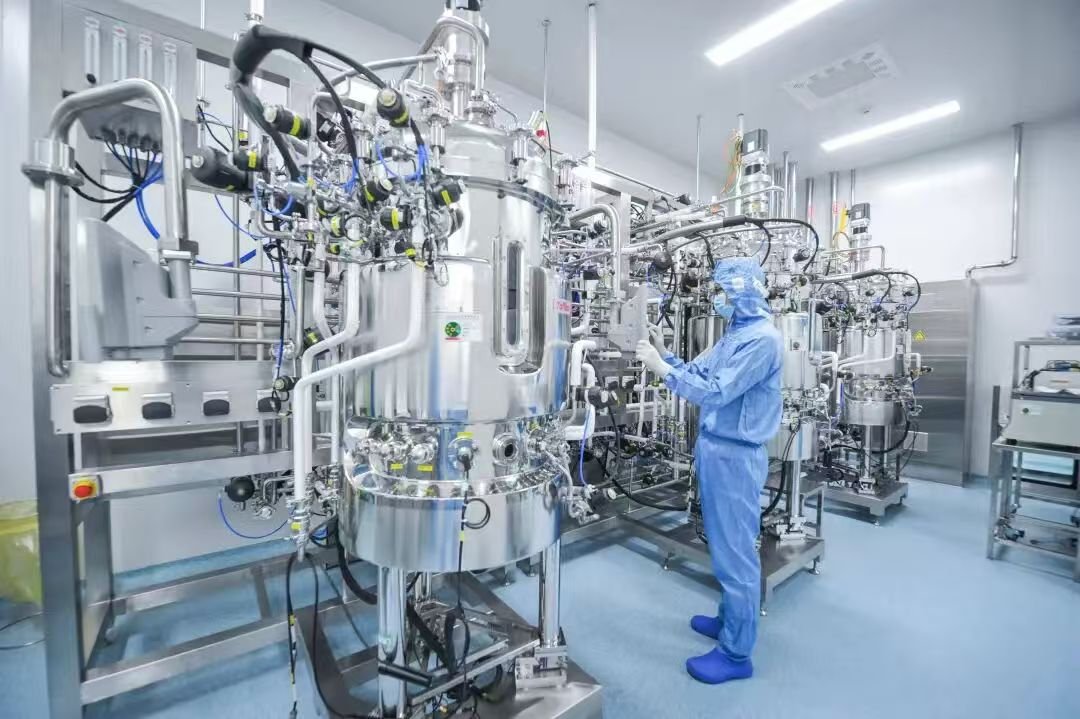
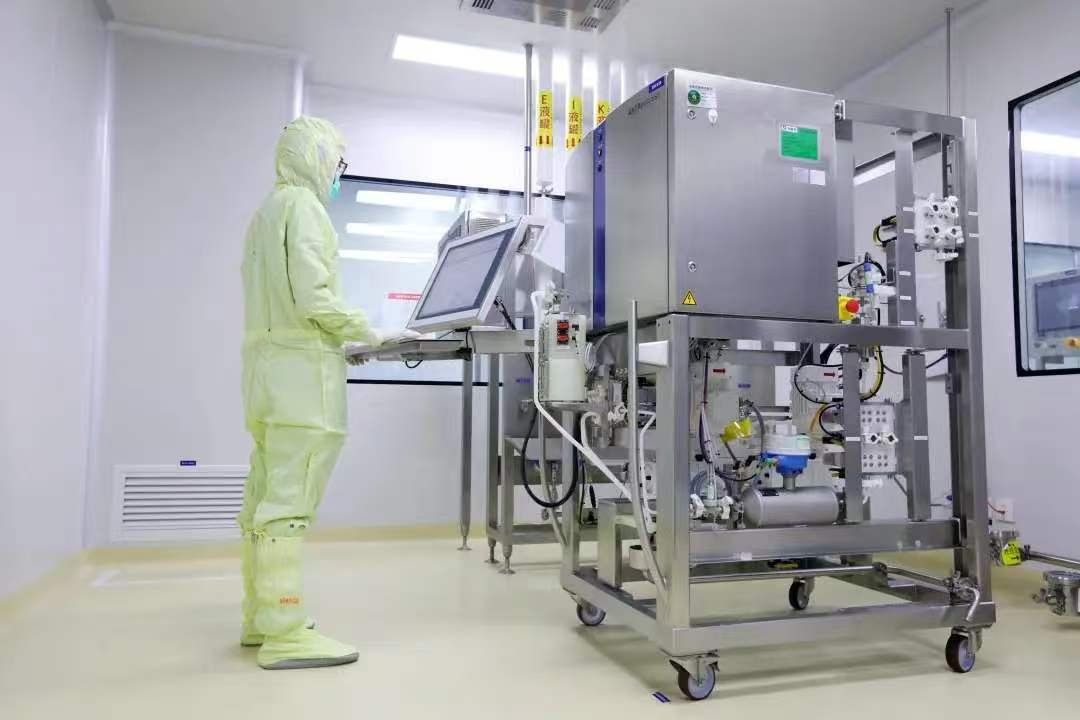
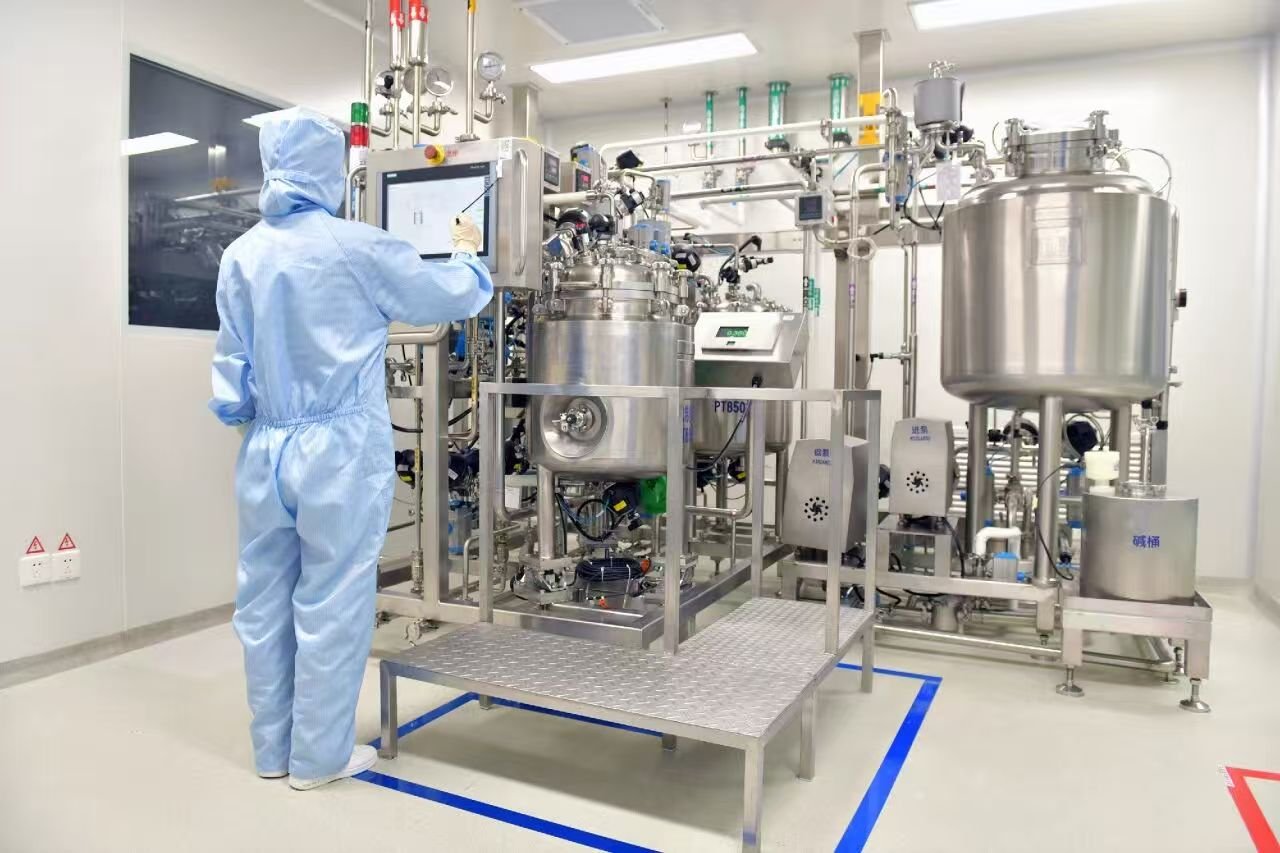
Driven by the rapid advancement of mRNA vaccines, gene therapy and nucleic acid therapeutics, lipid nanoparticles (LNPs) have emerged as one of the most mature and industrially promising delivery carriers, attracting growing global attention. LNPs not only determine the delivery efficiency and in vivo distribution of nucleic acid drugs, but also directly impact product safety, stability and scalability. Among the entire LNP manufacturing workflow, the purification step serves as a critical bridge connecting laboratory research to industrialized production.
After LNP formulation, the crude reaction system typically contains residual organic solvents (e.g. ethanol), unencapsulated nucleic acids or lipids, small-molecule impurities, and heterogeneously sized particles. Without effective purification, these impurities may induce toxicological risks, compromise stability, interfere with subsequent analytical testing, and even hinder clinical applications. Accordingly, the development of scientifically sound and scalable LNP purification processes is fundamental to manufacturing high-quality products.
Core Objectives of LNP Purification
The overall goals of LNP purification can be summarized into three aspects: impurity removal, buffer exchange, and acquisition of uniform particle size distribution. Specifically, purification aims to eliminate residual organic solvents (e.g. ethanol), unencapsulated nucleic acids/lipids and reaction byproducts. Meanwhile, it gradually converts the acidic buffer system used during formulation into a neutral buffer suitable for storage and administration, and minimizes polydispersity index (PDI) to improve product consistency.
To achieve these objectives, multiple established or emerging purification technologies have been developed in the industry. The most commonly adopted methods include tangential flow filtration (TFF)/ultrafiltration-diafiltration (UF/DF), dialysis, centrifugation (especially ultracentrifugation). Size-exclusion chromatography (SEC) and extrusion are also applied in specific scenarios for particle size homogenization.
Tangential Flow Filtration (TFF)/Ultrafiltration-Diafiltration (UF/DF): The Dominant Scalable Technology
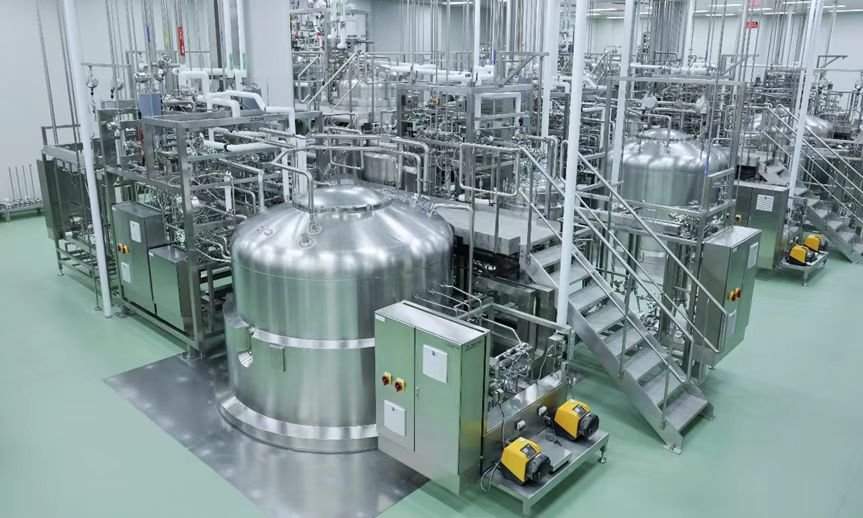
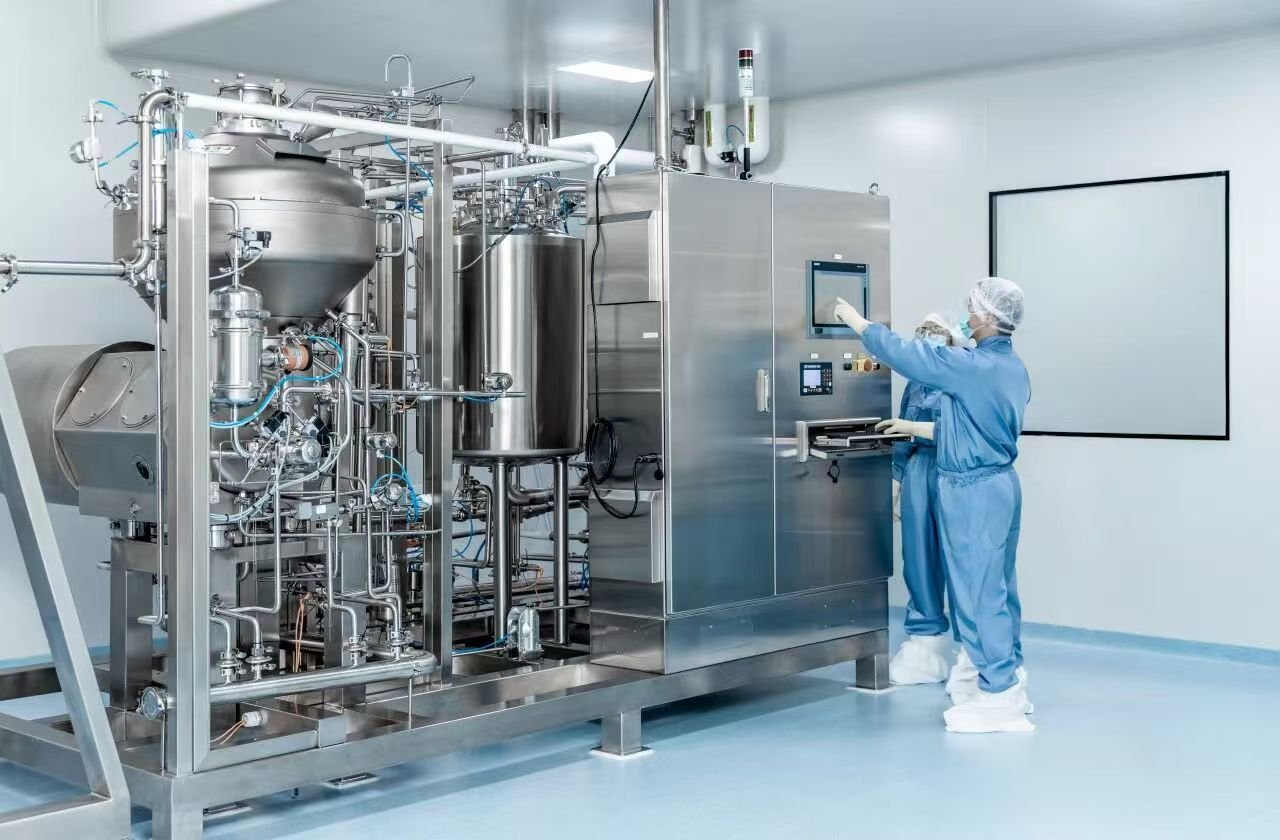
In current industrial LNP manufacturing practices, tangential flow filtration (TFF) combined with ultrafiltration-diafiltration (UF/DF) represents the most representative purification platform.
Its operating principle involves flowing LNP solution parallel across the membrane surface. Small-molecule impurities, organic solvents and unencapsulated nucleic acids pass through the membrane and are continuously removed, whereas larger LNP particles are retained effectively.
The primary advantages of TFF are high efficiency, mild operating conditions and excellent scalability. By selecting membranes with appropriate molecular weight cut-off (MWCO, e.g. 100 kDa), residual ethanol and other organic solvents can be rapidly removed, alongside buffer exchange and system concentration, without damaging LNP structures. The process is highly controllable and amenable to online monitoring, making it ideal for pilot-scale and commercial production.
For these reasons, TFF has become a standard purification platform for mRNA vaccines and nucleic acid therapeutics manufacturing.
Dialysis: Suitable for Small-Scale and Early-Stage Research
Dialysis is a conventional yet widely utilized LNP purification technique. Based on diffusion principles, samples are placed in semi-permeable dialysis bags with defined MWCO and immersed in large volumes of fresh buffer, enabling the removal of small-molecule impurities and solvents via molecular diffusion.
Dialysis features simple operation and low equipment requirements, and is particularly applicable to laboratory-scale studies and early process development. Typical applications include gradual exchange of acidic formulation buffer to neutral storage buffer and removal of low-level residual ethanol after LNP preparation.
Nevertheless, dialysis has obvious limitations: long processing time, high buffer consumption and poor scalability. It is therefore gradually replaced by high-efficiency technologies such as TFF when proceeding to pilot and production scales.
Centrifugation & Ultracentrifugation: Balancing Efficiency and Risks
Centrifugation, especially ultracentrifugation, can also be used for LNP concentration and washing. This technology relies on high centrifugal force to sediment nanoparticles, so impurities in the supernatant can be discarded. Centrifugal filter tubes are also adopted in some systems for improved operability.
However, high shear stress and mechanical forces may compromise the structural integrity of LNPs, potentially causing particle aggregation, deformation and reduced encapsulation efficiency. Although centrifugation is still applied in small-scale research, it must be used with extreme caution in high-quality demanding applications.
Size-Exclusion Chromatography (SEC): High-Resolution Polishing Technology
Size-exclusion chromatography (SEC) separates particles according to size using porous stationary phases, where larger particles elute first followed by small molecules. SEC delivers exceptional resolution in removing free nucleic acids, lipid monomers and small-molecule impurities.
SEC is more suitable as an analytical or polishing purification tool for process evaluation and small-batch manufacturing. Due to low loading capacity and high cost, its application in large-scale production is limited, yet it plays an essential role in product homogeneity assurance and quality verification during research phases.
Post-Purification Critical Steps: Particle Homogenization and Sterile Filtration
Following primary purification, LNPs normally require particle size homogenization. Extrusion technology forces LNPs through membranes with defined pore sizes, effectively narrowing particle size distribution and reducing PDI to obtain highly uniform final products.
In addition, 0.22 μm sterile filtration is routinely performed prior to final filling and storage, meeting the basic sterility requirements for biological pharmaceuticals.
Key Considerations for Process Selection
In practical applications, LNP purification process selection requires comprehensive evaluation of production scale, efficiency and impact on LNP structural integrity. In general, TFF is preferred for large-scale manufacturing, dialysis for small-scale research, while centrifugation and SEC are employed for specific applications or auxiliary validation.
Throughout the entire purification procedure, continuous monitoring of particle size, PDI, encapsulation efficiency and residual impurities is essential, to ensure purification objectives are achieved without compromising product quality.
Conclusion
With continuous advancement of LNP technologies in vaccines and gene therapy, corresponding purification processes are evolving from feasibility to scalability, verifiability and regulatory compliance. Selecting appropriate purification strategies and implementing systematic process design during the transition from laboratory research to commercial manufacturing are pivotal enablers for the clinical translation and market launch of LNP-based products.
As a leading process-oriented engineering company, Sino Bioengineering delivers professional bioengineering solutions and comprehensive technical services to clients worldwide.
For more products and solutions: https://sinobioengg.com/category/solution/
For more service: https://sinobioengg.com/category/service/