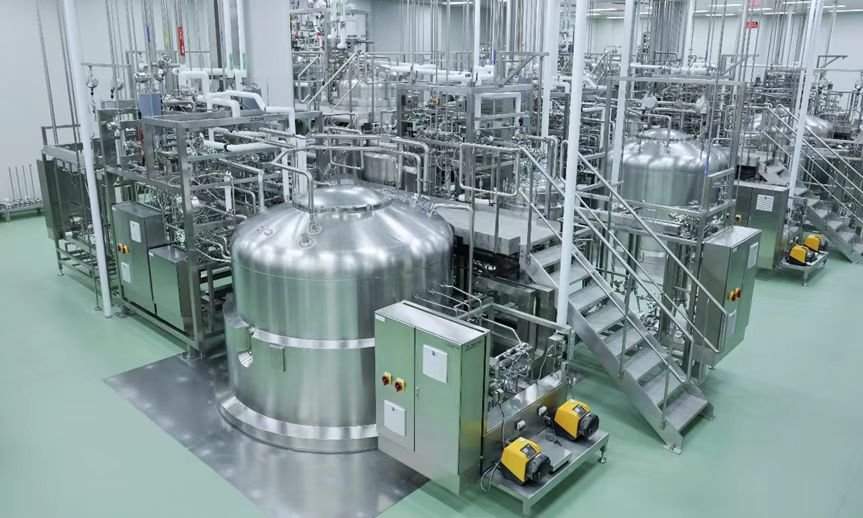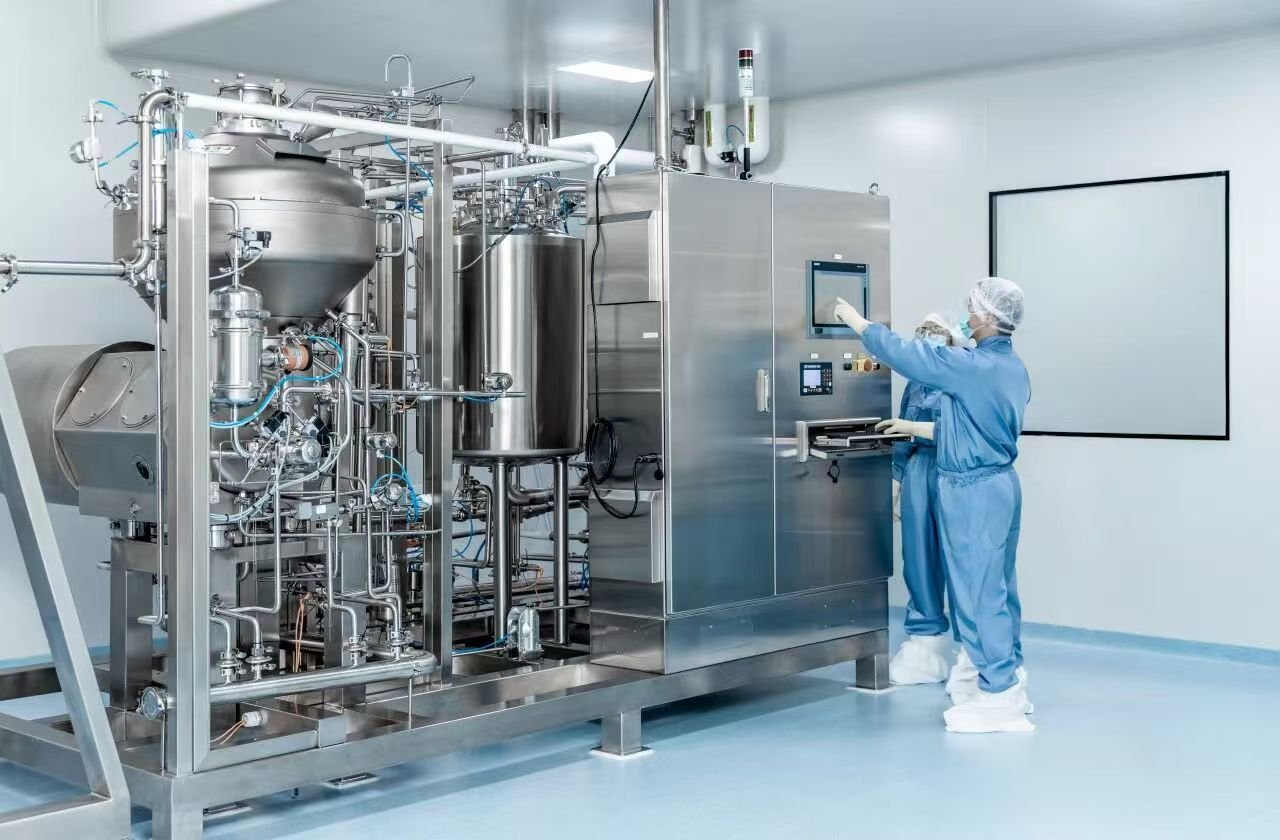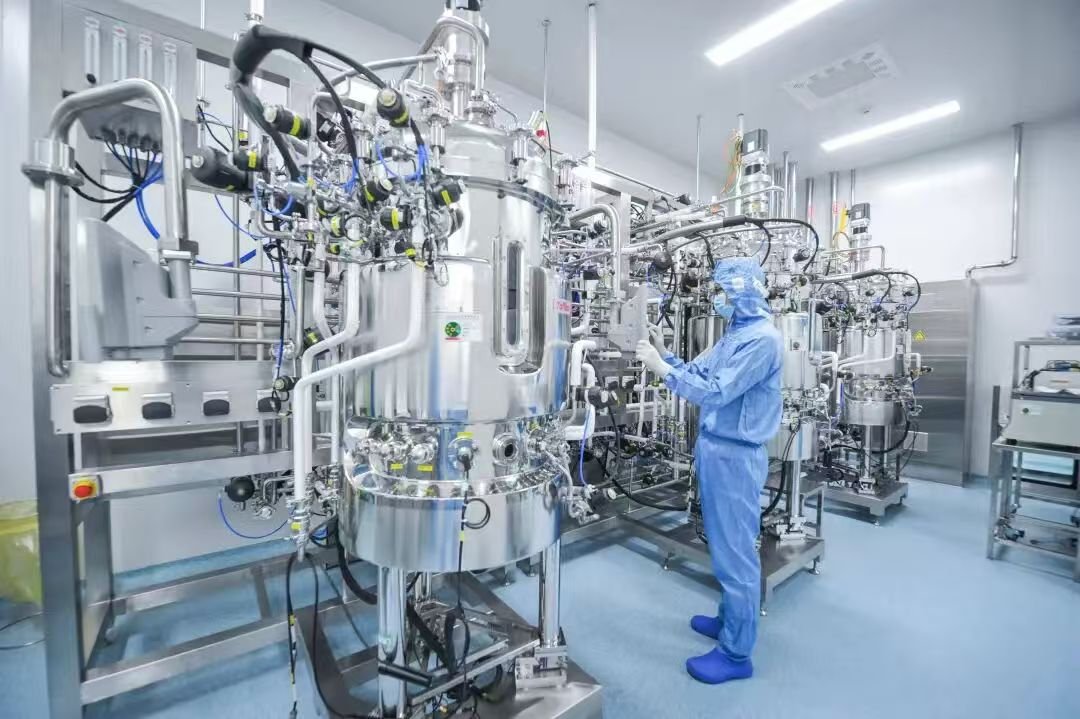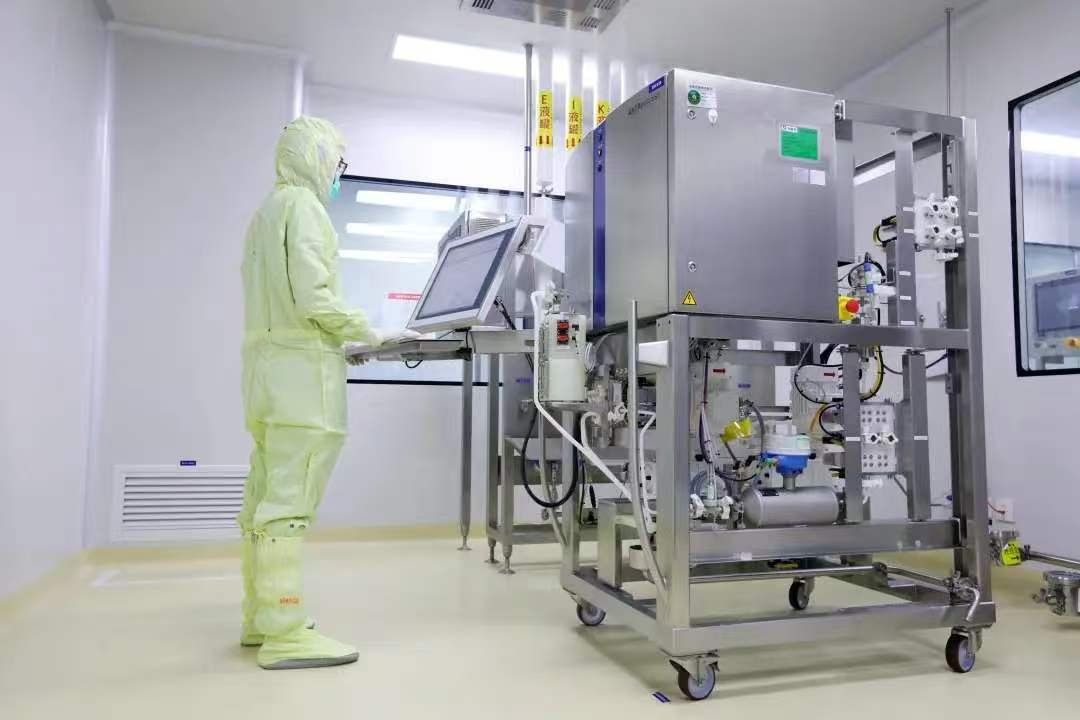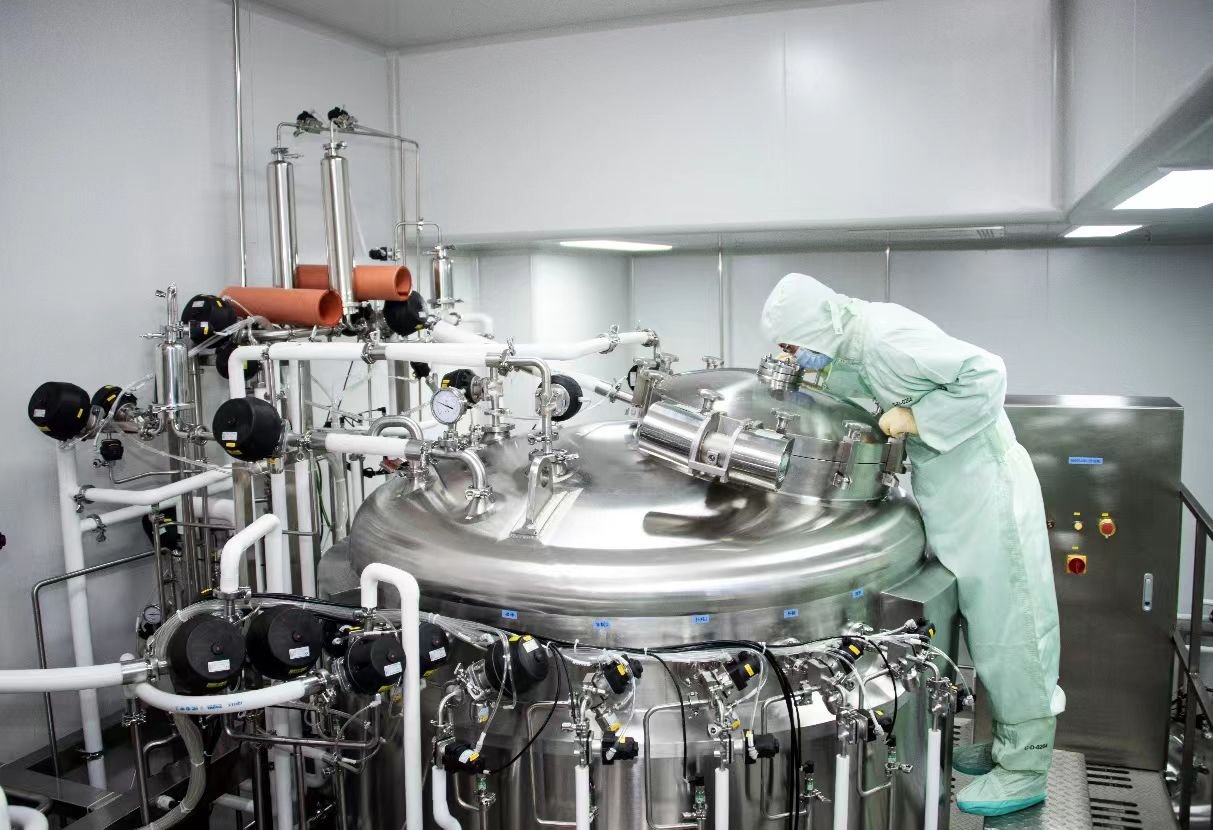
The core of biopharmaceutical fermentation process scale-up lies in establishing a technology transfer pathway from laboratory to industrial production to ensure the controllability of critical quality attributes (CQAs). By optimizing process parameters including temperature, pH and dissolved oxygen (DO), combined with mathematical modeling and dynamic control strategies, the challenges related to mass transfer efficiency and metabolic regulation during scale-up can be addressed, ultimately achieving high yield, consistent performance and robust quality control.
1. Scale-Up of Biopharmaceutical Fermentation Processes
1.1 Design of Fermentation Scale-Up Workflow
The primary objective of scale-up design is to build a reliable technology transfer route from laboratory-scale trials to commercial manufacturing while maintaining stable CQAs. At the lab scale, single-factor experiments and orthogonal design are adopted to determine the optimal fermentation conditions, including carbon-nitrogen source ratio, pH, DO, temperature and agitation speed. Mathematical models such as Michaelis-Menten kinetics and metabolic kinetic models are established to predict cell growth and product formation rates, providing theoretical support for subsequent scale-up. Meanwhile, a systematic seed culture regime is developed with optimized strain preservation, activation and expansion protocols to guarantee the genetic stability and viability of microbial strains. At this stage, batch and continuous fermentation tests are performed to define the optimal timeline for target product synthesis and clarify underlying metabolic regulation mechanisms.
The pilot scale focuses on transferring lab-scale culture systems to dedicated bioreactors. The predominant challenge here is the discrepancy in mass transfer efficiency across different scales. Aeration rate, agitation power and DO gradients are adjusted according to reactor volume. Agitator impeller types and gas distributors are selected after evaluating shear force distribution and foam control performance in bioreactors of varying sizes. An online monitoring system is deployed to collect real-time data of temperature, pH, DO, foam level and metabolite concentration. Multivariate analytical tools are applied to correlate critical process parameters (CPPs) with CQAs. Scale-up effects are fully verified by comparing product titer, byproduct formation and cell growth profiles across scales to assess the technical feasibility of process migration.
For full-scale industrial production, stainless steel or single-use bioreactors complying with GMP requirements are selected based on actual plant conditions. The impacts of sterilization methods (moist heat sterilization or chemical sterilization) on medium components and equipment materials are re-evaluated, and continuous or batch sterilization processes are elaborately designed. Scale-up effect compensation technologies are implemented to adjust volumetric oxygen transfer coefficient (K<sub>L</sub>a) and mixing time, so as to match substrate feeding rate with product secretion rate. Process analytical technology (PAT) is integrated to establish a multi-parameter coordinated control strategy. For instance, feedback control loops are used to dynamically regulate feeding rate, pH and foam level, sustaining a balanced metabolic microenvironment.
Process robustness studies are conducted via design space methodology to define the allowable fluctuation range of CPPs, ensuring consistent product quality against equipment malfunctions and environmental disturbances. The scale-up workflow also takes downstream processing compatibility into account, including solvent compatibility for product extraction, cell disruption efficiency and chromatographic resin adaptability. Full-process simulation is carried out to optimize harvest time in relation to product purity. At least three consecutive production batches are tested to validate process reproducibility and consistency. Risk-based quality control points are defined to enable seamless technology transfer from laboratory to commercial manufacturing.
1.2 Control and Optimization of Critical Process Parameters
Precise control and optimization of CPPs are essential to achieve high yield, stable performance and consistent product quality during fermentation scale-up. Fermentation involves complex biochemical reactions and interactions between engineering parameters. Process scale-up requires not only stabilized metabolic pathways but also adaptation to altered physicochemical conditions introduced by scaled-up equipment. Studies have demonstrated that temperature, pH, DO, agitation speed, feeding strategy and product inhibition exert profound impacts on cell growth, metabolite biosynthesis and product stability. Systematic analysis of their action mechanisms coupled with dynamic optimization strategies effectively mitigates process deviations during scale-up.
As a fundamental environmental parameter, temperature directly governs enzymatic reaction rates and cell membrane fluidity. In laboratory bioreactors, temperature variation is generally controlled within ±0.5 °C. However, heat transfer in large-scale pilot and production reactors is less efficient, easily leading to uneven temperature distribution and imbalanced local microenvironments. For recombinant protein-expressing strains, a trade-off between cell growth and product synthesis is commonly observed within 28–32 °C. Response surface methodology is applied to identify the optimal setpoint. For 5,000 L-scale fermenters, combined jacket cooling and agitation are adopted for temperature regulation, while online infrared thermometry monitors temperature distribution across the reactor to eliminate metabolic inhibition caused by local overheating or undercooling.
pH regulation and DO control are decisive for metabolic pathway differentiation. In aerobic fermentation, cellular oxygen demand is closely correlated with DO level, which is further constrained by agitation speed, aeration rate and fermentation broth viscosity. For example, when DO saturation drops below 20% during monoclonal antibody production using E. coli, cells shift to endogenous respiration and trigger abnormal glycosylation of target products. A DO-based feedback control system dynamically adjusts agitation speed and aeration rate, while carbon source feeding rate is optimized to balance oxygen consumption. In addition, minor pH fluctuations alter intracellular enzyme activity and cell membrane permeability. Buffer system selection and CO<sub>2</sub> removal efficiency are coordinated for integrated pH control, preventing DO fluctuation induced by acid-base addition.
Feeding strategy optimization takes both cell growth and product synthesis rules into consideration. Linear carbon source feeding (e.g., glucose) in batch fermentation may disrupt the carbon-nitrogen ratio and cause product inhibition. Metabolic flux analysis models are established to correlate carbon and nitrogen feeding rates with cell dry weight and product concentration, enabling the adoption of exponential or staged feeding modes. In recombinant yeast fermentation for interferon production, real-time alanine accumulation monitoring guides glutamine feeding timing and markedly reduces product degradation. For high-cell-density fermentation, shear force-induced cell damage is also a concern. Combinations of impeller configuration and agitation speed are optimized to avoid intracellular product leakage caused by mechanical cell lysis.
Advanced process analytical techniques provide real-time data support for parameter optimization. Near-infrared spectroscopy and fluorescent sensors enable online monitoring of key intermediate metabolites, and soft sensor models are constructed to map parameter correlations. For example, coupled analysis of lactic acid concentration and pyruvate dehydrogenase activity allows early warning of abnormal carbon flux distribution. Machine learning-based predictive control algorithms integrate historical multi-parameter data for adaptive process adjustment. During scale-up validation, multivariate statistical process control is applied to characterize the non-linear correlation between CQAs and CPPs, and to define tolerance ranges and deviation correction thresholds.
Parameter optimization runs through the entire process development lifecycle. Orthogonal experiments screen dominant parameters at the lab stage; Taguchi methods optimize parameter combinations at the pilot stage; and PAT enables closed-loop control in commercial production. In cases with severe product inhibition, staged feeding and in-situ product removal technologies are adopted to relieve metabolic stress.
1.3 Typical Challenges and Countermeasures in Scale-Up
Scale expansion leads to drastic changes in physicochemical environments and biological behaviors inside bioreactors, frequently resulting in compromised product quality and reduced production efficiency. Deteriorated mass transfer is the most prominent challenge. As reactor volume increases, K<sub>L</sub>a, temperature uniformity and nutrient transport rate decline significantly, causing cellular metabolic imbalance. Although the power number method for agitation can partially predict oxygen demand, real-time adjustment of aeration and agitation speed via online monitoring systems is still required to maintain a favorable microenvironment. Optimized matching between impeller type and tank diameter improves flow field uniformity and alleviates shear stress on microbial cells.
Mismatched agitation and aeration systems are another prevalent issue. Extended gas-liquid contact time in large fermenters may cause foam overflow or oxygen deficiency. Optimized baffle design enhances turbulence intensity, and segmented agitation systems are deployed for layered flow regulation. For recombinant protein production requiring high oxygen supply, combined segmented gas distributors and adaptive control algorithms dynamically adjust air flow and pure oxygen supplementation. Furthermore, broth viscosity increases alongside product accumulation. Appropriate antifoam addition and optimized carbon source feeding prevent blockage of mass transfer channels.
Scale-dependent variations in temporal and spatial product distribution threaten product stability. Altered substrate consumption rates in large bioreactors may deviate biosynthesis pathways from the optimal status. Metabolic flux analysis indicates that fed-batch fermentation with precisely controlled key intermediate concentrations is an effective solution. For instance, dual feeding of glucose and pyruvate elevates the proportion of high-molecular-weight products in polyhydroxyalkanoate biosynthesis. Microscopic temperature gradients may drive local cell senescence. A distributed sensor network is deployed for multi-point temperature control across the tank to synchronize cellular metabolism in different zones.
The non-linear scale-up effect of metabolic regulation is often underestimated. Parameters performing well at lab scale may lose efficacy in large bioreactors due to elevated cell density. For antibiotic fermentation, pulse feeding of precursors for 1,000 L reactors needs to be converted to continuous gradient feeding to adapt to altered cell growth kinetics. Mathematical models such as the statistical moment method predict the adjustable range of relevant parameters and guide feeding strategy optimization.
Contamination risks rise with increased operational complexity. Extended pipelines and dead legs in large fermentation systems are mitigated via modular equipment design to minimize connection points. A multi-stage online sterilization system is implemented. The combined application of 0.2 μm sterile filtration and auxiliary continuous UV sterilization reduces microbial contamination rate to below 0.3%.
2. Stability Control of Biopharmaceuticals
2.1 Analysis of Factors Affecting Product Stability
From the physicochemical perspective, environmental conditions profoundly influence the conformation and biological activity of biomolecules. Temperature variation accelerates protein thermal denaturation and aggregation by altering molecular kinetic energy. Alternating storage between 2–8 °C and ambient temperature may cause irreversible disruption of molecular conformation. Slight pH deviation changes the dissociation state of amino acid side chains and breaks the electrostatic interaction network. In acidic or alkaline environments, protonation of acidic amino acids such as aspartic acid and glutamic acid weakens hydrogen bond networks, while deprotonation of basic amino acids including arginine and lysine exposes hydrophobic domains.
Ionic strength modulates intermolecular interactions via charge shielding. High salinity suppresses molecular aggregation but may impair specific glycosylation profiles. Buffer capacity and buffer composition determine solution chemical stability. For example, phosphate buffers tend to hydrolyze under elevated temperature and form an acidic microenvironment, while Tris buffers lose buffering capacity when pH drops below 8.1.
Intrinsic structural characteristics of proteins are the fundamental determinants of stability. The conformational stability of α-helices and β-sheets correlates closely with hydrogen bond density, whereas flexible random coil regions are prone to conformational isomerization. Post-translational modifications such as glycosylation create steric hindrance to prevent intermolecular contact; nevertheless, exposed terminal N-acetylglucosamine residues become vulnerable to oxidation. Surface charge distribution governs electrostatic repulsion between molecules: high surface charge density retards aggregation, yet excessive charges may induce non-specific binding with excipients.
Buried hydrophobic residues resist hydrolytic degradation, while surface-exposed hydrophobic regions accelerate oxidation and enzymatic degradation triggered by oxygen and metal ions. Correct disulfide bond pairing is critical for maintaining tertiary structure, and incorrect cross-linking directly leads to bioactivity loss.
High shear force generated during purification may cause mechanical damage and partial unfolding of protein molecules. Excipient selection and formulation ratio are vital for formulation stability. Sugars such as trehalose and mannitol suppress molecular motion via glass transition; amino acids including arginine and glycine adjust dielectric properties to mitigate aggregation; surfactants like Polysorbate 80 require strict concentration control to avoid micelle-induced aggregation.
In lyophilization processes, freezing rate determines ice crystal morphology. Slow freezing generates coarse ice crystals, which cause solute concentration and accelerate aggregation. Residual moisture content after drying (typically controlled below 3%) is strongly correlated with hydrolysis and oxidation rates. Concentration gradients during ultrafiltration may trigger irreversible aggregation under high-molecular-concentration conditions.
Dynamic changes during storage and transportation further challenge product stability. Temperature fluctuation and repeated freeze-thaw cycles reconstruct protein-water interfaces repeatedly and exacerbate aggregation. Ultraviolet radiation in light breaks conjugated structures of aromatic amino acids (tryptophan, tyrosine) and induces photodegradation. Mechanical agitation and vibration increase molecular collision frequency and promote irreversible aggregation. In addition, packaging material compatibility must be evaluated: trace metal ions leached from plastic containers catalyze oxidation, while microcracks in glass containers may introduce moisture and contaminants.
The above factors interact synergistically and amplify stability risks. For example, combined high temperature and extreme pH trigger both deamidation and hydrolysis. Improper excipient combinations may form protective encapsulation at low temperature but facilitate aggregation upon temperature rise. Therefore, stability studies follow the Quality by Design (QbD) principle. Design of Experiments (DoE) systematically analyzes multi-variable effects, and accelerated stability testing combined with real-time monitoring establishes quality risk models to guide process optimization and storage protocol formulation.
2.2 Technologies and Strategies for Stability Control
A comprehensive stability control system is established based on molecular properties, formulation environments and extrinsic influencing factors. Relevant technologies and approaches are summarized as follows.
Physicochemical stability control: To mitigate protein aggregation, degradation and conformational alteration, buffer system optimization, pH tuning and ionic strength regulation are adopted to balance intermolecular forces. Buffers matching the isoelectric point of target proteins reduce electrostatic interactions and aggregation propensity. Sugars and polymers are added as stabilizers to exert steric hindrance effects. Temperature control technologies including lyoprotectant screening and freeze-thaw cycling tests evaluate product stability under low-temperature storage and transportation, supporting formulation optimization.
Bioactivity detection technologies: These techniques assess the functional integrity of biopharmaceuticals. Enzyme-linked immunosorbent assay (ELISA), bio-layer interferometry (BLI) and cell-based potency assays dynamically monitor bioactivity attenuation during storage. For antibody drugs, special attention is paid to Fc glycosylation, Fab antigen-binding capacity and complement-dependent cytotoxicity (CDC). Surface plasmon resonance (SPR) characterizes antibody-antigen binding kinetics and quantifies functional decline.
Multi-dimensional analytical characterization: Hydrophobic interaction chromatography (HIC) and size-exclusion chromatography (SEC) differentiate protein aggregates and isoforms. Dynamic light scattering (DLS) and circular dichroism (CD) analyze particle size distribution and secondary structure variation. Fourier-transform infrared spectroscopy (FTIR) and X-ray diffraction (XRD) reveal protein crystallization behavior and microenvironmental changes in formulations. Combined application of these techniques builds a multi-parameter evaluation system to fully elucidate degradation pathways.
Integrated process optimization: Implemented under the QbD framework, design space defines the acceptable range of CPPs such as agitation speed and DO, minimizing batch-to-batch variation during scale-up. Continuous-flow reactors enable more precise process control and reduce byproduct formation. PAT is deployed in formulation development for real-time tracking of stability-related parameters and closed-loop process control.
2.3 Evaluation and Improvement of Stability Performance
The ultimate goal of stability control is to maintain consistent quality and bioactivity of biopharmaceuticals throughout R&D, manufacturing and storage. Stability evaluation systematically assesses physicochemical and biological properties under various conditions to identify potential risks and optimize control strategies. Accelerated testing, long-term stability testing and real-time monitoring are mainstream evaluation methods. Analytical techniques including HPLC, SEC and SDS-PAGE are used to monitor molecular weight distribution, aggregation rate, physicochemical properties and bioactivity.
Current control measures can retard degradation to a certain extent but still have limitations. Temperature-sensitive proteins may undergo denaturation due to ice crystal formation even under refrigeration. Undesired interactions between excipients and active pharmaceutical ingredients (APIs) in complex formulations cause irreversible aggregation. Synergistic effects of oxidation, pH drift and shear force further complicate stability management. Existing evaluation systems are limited in multi-factor correlation analysis and long-term degradation prediction.
Improvement measures are implemented from three aspects: process optimization, excipient screening and monitoring technology upgrading.
Process optimization: Optimize compounding, filling and lyophilization parameters via DoE. Programmed freezing and heating protocols reduce protein conformational damage caused by ice crystals. Online depyrogenation after sterile filtration lowers stability risks posed by endotoxins.
Excipient system design: Synergistic combinations of stabilizers are developed. Trehalose and sucrose form glassy matrices to inhibit hydrolysis; glycine and arginine modulate local pH to reduce dephosphorylation; chelating agents block metal ion-catalyzed oxidation. Dynamic surface tension regulators improve formulation homogeneity and reduce aggregation at interfacial active sites.
Advanced monitoring technologies: Integrated PAT realizes non-destructive online detection of protein secondary structure via Raman and near-infrared spectroscopy. Microfluidic chips coupled with fluorescent labeling rapidly characterize aggregate particle size distribution. Machine learning-based predictive models simulate degradation pathways under different storage conditions using historical data. Stability-indicating analytical methods such as coupled SEC-HPLC distinguish diverse degradation products for root cause analysis. For lyophilized products, differential scanning calorimetry (DSC) combined with moisture sorption isotherm analysis optimizes drying parameters and ensures the formation of stable glassy state by lyoprotectants and residual moisture.
The effectiveness of improvements is verified via challenge tests, including stability margin assessment under extreme temperature and repeated freeze-thaw conditions, and accelerated aging tests to validate long-term protective performance of excipient combinations. Multi-parameter correlation models are established to quantify non-linear relationships between process variables and stability indicators, enabling dynamic adjustment of control strategies.
As a leading process-oriented engineering company, Sino Bioengineering delivers professional bioengineering solutions and comprehensive technical services to clients worldwide.
For more products and solutions: https://sinobioengg.com/category/solution/
For more service: https://sinobioengg.com/category/service/