
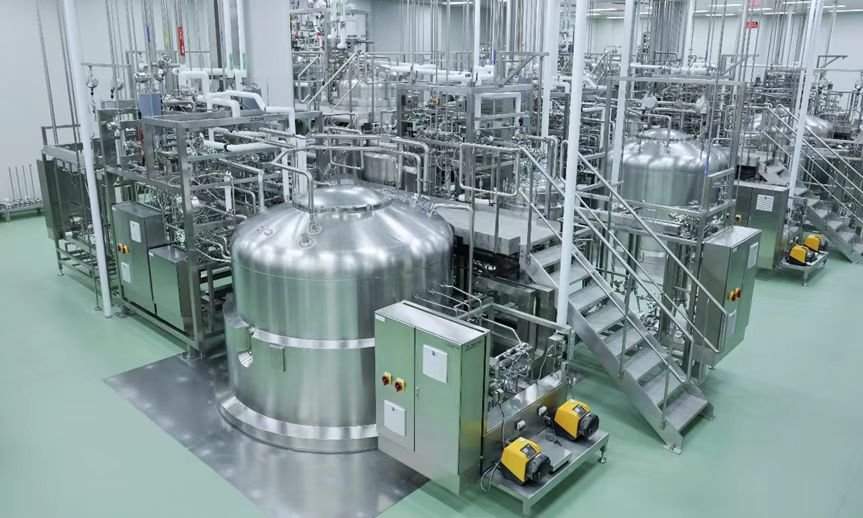

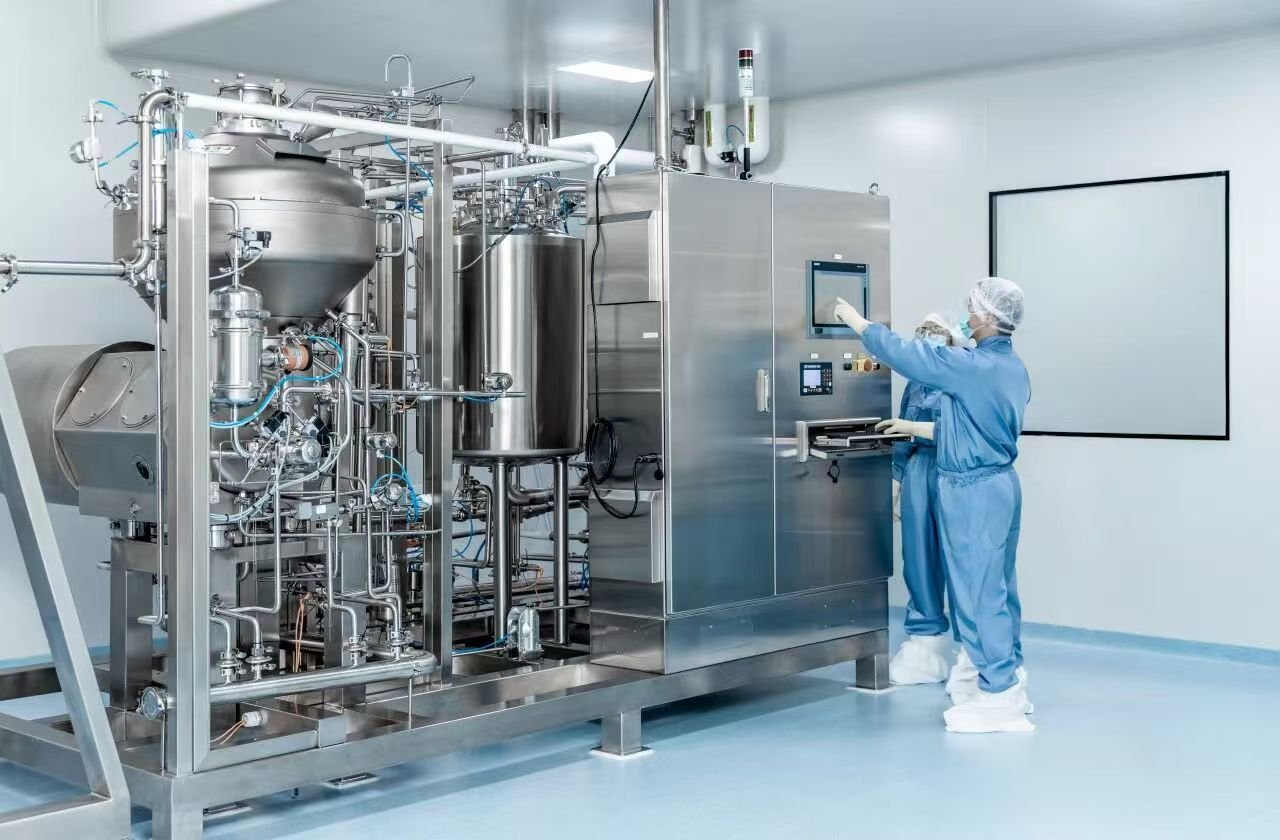
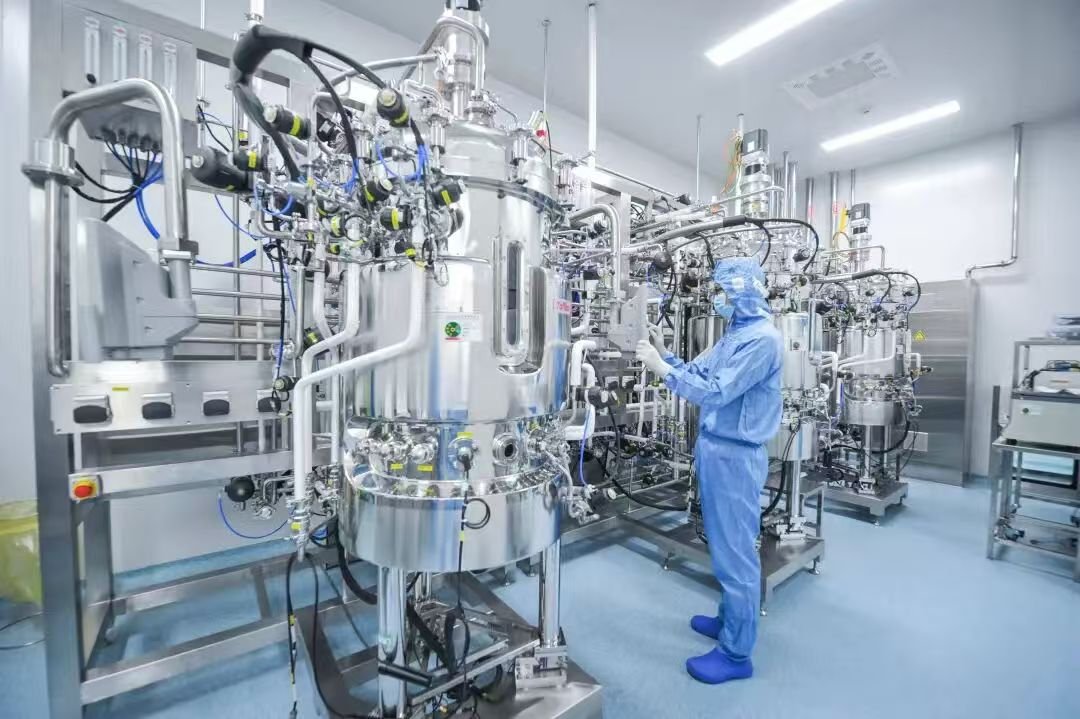
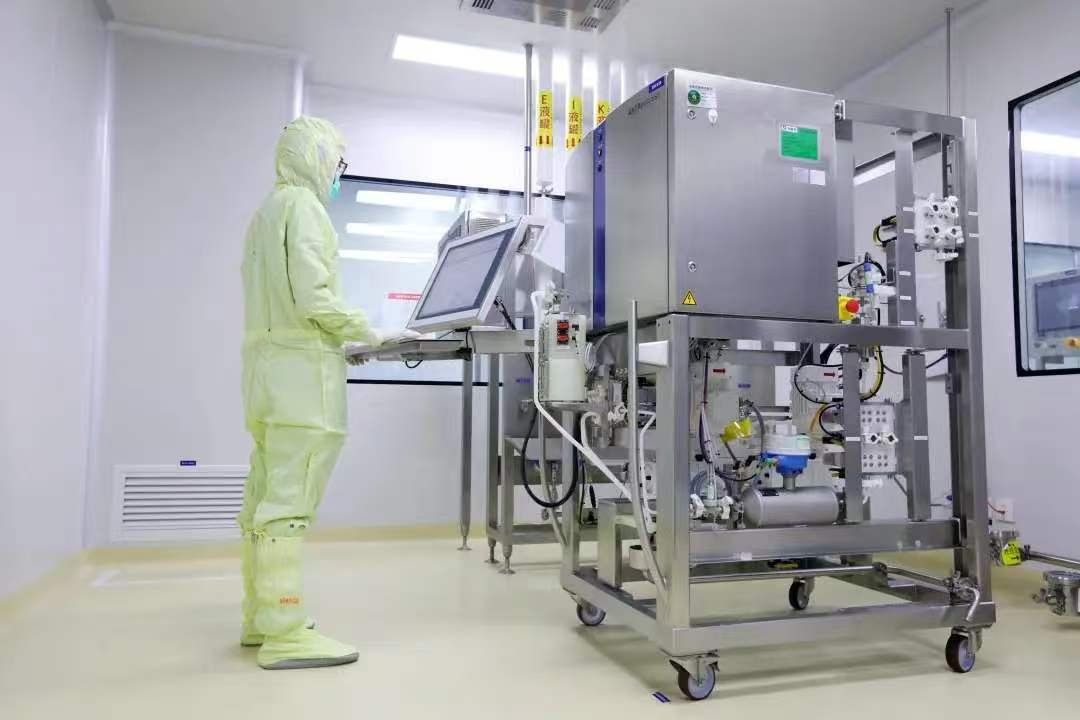
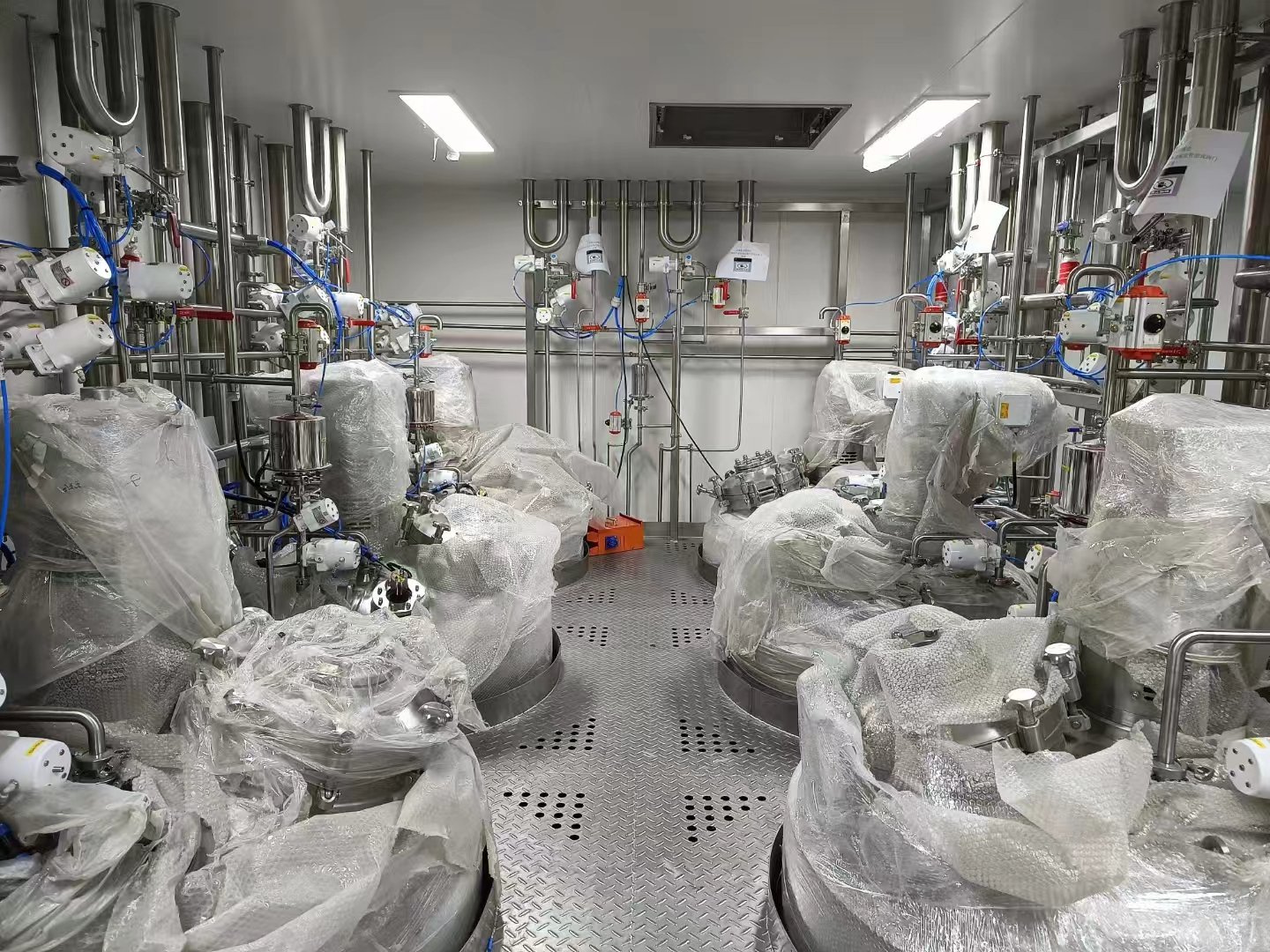
The biopharmaceutical industry focuses on developing complex biological products, while facing challenges including complex production processes, high capital equipment investment, and elevated contamination risks. Traditionally, the industry has relied predominantly on stainless steel equipment. However, with technological advancements, Single-Use Systems (SUS) have gradually become a cornerstone of modern biomanufacturing, demonstrating unique advantages particularly in cell therapy, gene therapy, and multi-product campaign manufacturing.
By overcoming the limitations of conventional approaches, single-use systems deliver robust support for production efficiency, operational flexibility, and product safety. Their closed design significantly reduces microbial contamination risks and eliminates time-consuming cleaning and cleaning validation procedures, enabling production facilities to conduct batch and product changeovers more rapidly. In addition, the modular design of single-use systems facilitates process adjustment and scale-up, supports seamless integration into existing production facilities, and helps enterprises save substantial capital expenditure and construction costs.
Furthermore, single-use systems accelerate project implementation and product launch timelines, allowing companies to respond to market demands more efficiently. Across diverse scenarios including early-stage research and development, multi-product manufacturing, and contract manufacturing, the flexibility, cost-effectiveness and safety of single-use systems render them an indispensable tool for biopharmaceutical production.
Through the adoption of single-use systems, biopharmaceutical enterprises can not only enhance productivity and product quality but also maintain higher operational efficiency and responsiveness in fierce market competition. With continuous technological maturation, SUS are expected to play an increasingly important role across more production stages, driving the entire industry toward greater efficiency, flexibility and safety.
Single-Use System Validation: Concept and Scope
Despite the enhanced flexibility and efficiency offered by SUS in biopharmaceutical manufacturing, their successful application depends on scientific and systematic validation strategies. The core objective of single-use system validation is to demonstrate that the system and associated processes operate consistently and reliably as intended, thereby safeguarding product quality, safety and efficacy.
The implementation and validation of single-use system production platforms generally comprise four key elements: facility infrastructure, automation systems, single-use consumables, and the single-use platform itself. This paper focuses on the validation and management of single-use system consumables, with validation scope covering the following aspects:
User Requirement Specification (URS): Defines mandatory functional, performance and quality requirements for single-use systems
Design Qualification (DQ): Verifies that system design complies with process and regulatory requirements
Closed System Analysis & Risk Management: Assesses and controls potential contamination or leakage risks
Supplier Qualification: Ensures suppliers and their materials meet established quality standards
Material Qualification (MQ) / Extractables & Leachables (E&L) Testing: Validates the impact of consumables on product safety
Performance Qualification (PQ): Verifies system performance under actual operating conditions
Process Performance Qualification (PPQ): Ensures stable and repeatable processes within SUS environments
Integrity Testing: Inspects system tightness and functional integrity
Bioburden & Sterility Assurance: Ensures microbial risks are controlled
Change Control: Manages potential impacts of system or material changes on product quality
Comprehensive coverage of these steps ensures the reliability of consumables in production and lays a solid foundation for subsequent process scale-up and commercial applications.
Lifecycle of Single-Use Systems
The lifecycle of single-use systems is divided into two critical components: the manufacturer lifecycle and the end-user manufacturing lifecycle. The former focuses on the intrinsic quality and safety of single-use systems, while the latter ensures safe and effective application of systems during production, as well as responsible disposal after use. These two lifecycles are closely interconnected and jointly support the successful implementation of single-use systems in the biopharmaceutical industry.
By covering both manufacturer and end-user manufacturing lifecycles, single-use system validation guarantees consumable reliability and provides a robust foundation for safe and efficient production. Well-established lifecycle management and validation strategies complement each other, enabling enterprises to fully leverage the advantages of single-use systems in biopharmaceutical manufacturing while mitigating risks and improving efficiency.
Supplier Qualification for Single-Use Systems: Ensuring Reliability and Compliance
Supplier qualification is a critical element guaranteeing system reliability and production safety in SUS applications. Systematic evaluation of potential and existing suppliers ensures that procured single-use system components meet user requirements and relevant regulatory and quality standards, thereby reducing SUS-related risks.
Supplier qualification typically includes the following stages:
Supplier Selection: Identifies, screens and shortlists potential suppliers to lay the groundwork for subsequent evaluations.
Information Collection: Obtains key supplier documentation including quality management system files, production process information, technical data (e.g. E&L data), and conducts risk assessment based on the criticality and potential failure rates of SUS components.
Supplier Assessment: On-site audits: Physical inspections of supplier manufacturing facilities Questionnaires: Detailed surveys to collect supplementary information Sample testing: Performance and safety evaluation of SUS component samples
Quality Agreements: Formal quality agreements signed with qualified suppliers, clarifying responsibilities, quality standards, specifications and change control procedures.
Continuous Monitoring: Establishes long-term management mechanisms including supplier performance evaluation, change notifications, periodic audits and risk reviews to ensure stable and reliable supply chains.
Supplier qualification is not a one-time activity but a continuous and dynamic management process. Only through rigorous evaluation and long-term monitoring can enterprises ensure the stability and safety of single-use system components, providing robust protection for the entire production process.
User Requirement Specification (URS) for Single-Use Systems: The Cornerstone of Design and Validation
The implementation of SUS in biopharmaceutical manufacturing requires advanced technology as well as scientific and rigorous design and qualification processes. The User Requirement Specification (URS) is a vital document throughout the single-use system lifecycle, providing explicit guidance for system design, selection, implementation and validation. URS comprehensively describes end-user requirements and expectations, ensuring single-use systems meet production process, safety and quality management requirements. Its primary contents include:
1. Intended Use: Defines specific application scenarios and target functions of single-use systems
2. Process Requirements: Key parameters such as flow rate, volume and temperature range
3. Operational Requirements: Covers system operation, maintenance and cleaning procedures
4. Product Contact Material Requirements: Focuses on material compatibility and potential E&L risks
5. Sterility Assurance Requirements: Including sterilization methods, bioburden control and microbial risk management
6. Usability Requirements: Such as ease of operation and compatibility with existing equipment
7. Quality & Regulatory Requirements: Ensures compliance with GMP standards and full traceability
8. Supply Chain Requirements: Including supplier reliability, change notification procedures and continuous monitoring mechanisms
To fully capitalize on the advantages of single-use systems, URS shall be developed at an early stage of the lifecycle, ideally during process development. Defining system requirements at this stage facilitates process design and facility planning, while providing critical guidance for supplier selection, material procurement and validation strategies, ensuring safe, stable and efficient operation of SUS throughout production.
Design Qualification (DQ) for Single-Use Systems: Ensuring Process Reliability and Product Safety
Design Qualification (DQ) is a pivotal stage in the SUS lifecycle, whose core objective is to document evidence that the designed system meets its intended use. A rigorous DQ process is not only a regulatory requirement but also the foundation for subsequent validation activities, process reliability, and ultimately product quality and patient safety.
The main contents of the DQ process include:
1. A defined User Requirement Specification (URS): DQ starts with a clear URS to ensure system design addresses end-user requirements for functionality, processes and safety.
2. Design Specifications: Translate URS into measurable parameters to support manufacturing, testing and validation.
3. Risk Assessment: Identifies potential failure modes and guides the development of control strategies to ensure safe and reliable design.
4. Supplier Qualification Documentation: Confirms suppliers can consistently deliver single-use system components complying with design requirements.
5. Written Evidence of Design Review: Formal reviews conducted by a multidisciplinary team (engineering, quality, validation, operations) to verify rational design, adequate risk control and suitability for intended use.
Design specifications are a key component of DQ, covering:
1. Material Specifications: Polymer type, grade and relevant certifications
2. Component Specifications: Dimensions, tolerances and performance standards
3. Assembly Specifications: Connection types, joining methods and integrity testing requirements
4. Drawings & Schematics: Clearly illustrating single-use system structure
5. Sterilization & Packaging Configuration: Ensuring integrity and sterility of materials and systems prior to use
Formal design reviews conduct comprehensive comparison and evaluation of proposed designs against URS, design specifications, supplier quality documents, risk assessments, testing strategies and closed system analysis. Through this process, DQ generates a complete documentation package, laying a solid foundation for the safe application of single-use systems in biopharmaceutical manufacturing and providing reliable evidence for subsequent performance qualification (PQ/PPQ).
Risk Assessment for Single-Use Systems: Safeguarding Product Quality and Process Reliability
Risk assessment is an indispensable element within the SUS DQ process. By identifying, analyzing and evaluating potential risks and failure modes of the system, enterprises can develop proactive mitigation measures to protect product quality, patient safety and production process stability. Effective risk assessment runs through the entire single-use system lifecycle and constitutes the core guarantee for safe and reliable application.
Risk assessment commonly adopts tools such as Failure Mode and Effects Analysis (FMEA). Primary risks associated with single-use systems in practical applications include:
1. Loss of sterility: Microbial contamination caused by compromised system integrity
2. Extractables & Leachables (E&L): Material migration into process fluids that may compromise product quality or patient safety
3. Particulate contamination: Particulate generation from components resulting in product contamination
4. System failures: Component leakage, rupture or other malfunctions that may cause product loss or process interruption
5. Supplier-related risks: Inconsistent supplier quality, supply chain disruption or inadequate change control
Effective risk mitigation measures include:
1. Material Selection: Adoption of low-E&L, process-compatible materials
2. Supplier Qualification: Ensuring suppliers are capable of consistently delivering high-quality SUS components
3. Robust Design: Optimizing system design with reliable connectors, seals and functional components
4. Process Controls: Establishing parameter controls and operating procedures to reduce stress on SUS components and maintain system integrity
5. Testing & Inspection: Verifying functionality and quality of SUS components via integrity testing and other inspection procedures
Systematic risk assessment and scientific mitigation measures enable single-use systems to deliver flexibility and efficiency while maintaining safety and reliability, providing robust support for biopharmaceutical manufacturing.
Material Qualification (MQ) for Single-Use Systems: Ensuring Safety and Compatibility
Material Qualification (MQ) is a critical stage ensuring suitability of SUS for biopharmaceutical manufacturing. Comprehensive evaluation of SUS component materials guarantees their safety, process compatibility and performance reliability, forming a solid safeguard for product quality and patient safety.
Material Qualification covers the following core aspects:
Material Selection & Characterization
Material selection is the first step of MQ, requiring comprehensive consideration of:
1. Process compatibility: Chemical resistance, temperature resistance, etc.
2. Mechanical properties: Strength, flexibility, etc.
3. Sterilizability
4. Regulatory compliance: Conformity with applicable regulations and standards
Material characterization involves comprehensive assessment of physical, chemical and biological properties of selected materials via composition analysis, density measurement, thermal analysis, microscopy and other methodologies.
Extractables & Leachables (E&L) Assessment
Materials of single-use systems may migrate substances into process fluids, threatening product quality and patient safety, making E&L assessment essential. The assessment workflow typically includes:
1. Material characterization: Defining SUS material composition as a basis for E&L studies
2. Extractables studies: Identifying potential leachables under exaggerated conditions
3. Leachables studies: Monitoring leachables under actual process conditions
4. Analytical testing: Identification and quantification using high-sensitivity techniques (GC-MS, LC-MS)
5. Toxicological assessment: Evaluating potential toxicity and safe exposure levels of identified leachables
6. Risk management: Reducing E&L risks through material selection, process optimization and leachables monitoring
Other Key Evaluation Elements
1. Biological Safety Assessment: Ensures materials do not induce adverse biological reactions, including cytotoxicity, sensitization, irritation and systemic toxicity testing
2. Physical & Chemical Performance Testing: Verifies tensile strength, elongation, burst pressure and chemical resistance to meet performance requirements
3. Material Integrity Testing: Confirms materials maintain physical and functional integrity throughout service life
4. Documentation & Traceability: Complete records of material specifications, test protocols, test results and certificates of analysis to ensure full traceability
MQ is a continuous and dynamic process requiring close collaboration between SUS users and suppliers to ensure safe, stable and reliable operation of single-use systems throughout production.
Closed System Analysis for Single-Use Systems: Ensuring Integrity and Sterility
Closed system analysis is critical to guarantee system integrity and sterility. Comprehensive evaluation of the system’s ability to maintain a closed environment during intended use prevents ingress of microorganisms and other contaminants, thereby protecting product quality and patient safety.
The core objective of closed system analysis is to identify and assess potential breach points of closure within SUS, including:
1. Connectors: Tubing, manifolds and interfaces with process equipment
2. Seals: Bag seals, filter seals and sensor seals
3. Access Ports: Channels for sampling, material addition and other operations
4. Valves: Components controlling fluid flow within the system
5. Welds: Joints formed by welding plastic components
A comprehensive closed system analysis consists of the following key steps:
1. Design Review: Detailed review of SUS design to identify all potential closure points and evaluate their design characteristics including material, closure geometry and manufacturing processes.
2. Risk Assessment: Risk-based evaluation of the likelihood and impact of failure at each closure point, considering process conditions (pressure, temperature), fluid properties and operational procedures.
3. Testing Strategy: Validation protocols developed based on risk assessment, including: Visual inspection: Detection of visible defects such as cracks, gaps and misalignment Leak testing: Verification of leakage via pressure decay, bubble or tracer gas methods under applied pressure/vacuum Microbial challenge testing: Simulation of microbial exposure in critical aseptic processes to evaluate system protection performance
4. Acceptance Criteria: Explicit requirements established for each test to ensure closure meets design and performance standards
5. Documentation: Complete records of the entire closed system analysis process, including design reviews, risk assessments, testing strategies, test results and conclusions
Systematic closed system analysis enables single-use systems to maintain stable closure and aseptic conditions during biopharmaceutical manufacturing, providing reliable protection for product quality and patient safety, and laying a foundation for subsequent validation and production operations.
Visual Inspection of Single-Use Systems
Visual inspection is a fundamental yet critical quality control procedure for SUS operation and application. As the first line of defense for SUS component integrity and functionality, visual inspection promptly identifies potential defects, damage or contamination and reduces process risks.
Primary objectives of visual inspection include:
1. Detection of physical defects: Cracks, scratches, poor welds, etc.
2. Identification of particulate contamination
3. Verification of component integrity
4. Assessment of cleanliness: Confirmation of no visible contamination on material surfaces
Visual inspection shall be performed at key stages for early issue detection:
1. Upon receipt: Verification of intact components delivered by suppliers
2. Prior to use: Confirmation of intact, contamination-free components before production or laboratory operations
3. During operation: Monitoring of critical stages as necessary
Standardized visual inspection operating procedures shall include:
1. Clear instructions: Detailed guidance on inspection methods, with focus on high-risk areas and common defects
2. Appropriate illumination: Sufficient lighting to identify subtle defects and particulates
3. Qualified trained operators: Personnel familiar with operating procedures and properly certified
4. Use of auxiliary tools: Magnifiers, light boxes and other detection tools where necessary
5. Documentation: Complete recording of each inspection result, including identified defects and deviations
Systematic visual inspection effectively safeguards SUS component integrity and functionality throughout production, provides a reliable basis for subsequent operations and validation, reduces microbial contamination and process risks, and ensures product quality and safety.
Single-Use System Integrity Testing: Ensuring Physical and Functional Reliability
Material integrity is a key attribute in SUS applications, referring to the ability of SUS components to retain physical and functional properties during intended use, ensuring system performance as designed without compromising product quality or patient safety. Maintaining material integrity is essential to prevent leakage, rupture, contamination and other production-disrupting failures. Integrity testing covers supplier testing, incoming inspection, pre-use and post-use testing stages.
Core aspects addressed by integrity testing include:
1. Physical Strength & Durability: SUS materials must meet production parameter requirements with tear resistance, puncture resistance and burst pressure performance
2. Dimensional Stability: Materials retain intended dimensions and shapes under varying temperature and pressure conditions
3. Seal Integrity: Reliable sealing between components to prevent leakage and maintain closed systems
4. Chemical Compatibility: Materials are compatible with process fluids and contact chemicals to avoid degradation or harmful substance release
5. Sterility Maintenance: Materials retain barrier properties in aseptic processes to prevent microbial contamination
6. Aging & Shelf Life: Material integrity may be affected by aging and storage conditions; shelf life and storage requirements for each component shall be documented
Strategies to safeguard SUS material integrity include:
1. Material Selection: Adoption of materials with sufficient strength, durability and chemical compatibility
2. Supplier Control: Evaluation and qualification of suppliers with robust manufacturing processes and quality controls
3. Design Optimization: Reduction of stress concentration points in component and system design to lower potential failure risks
4. Testing & Inspection: Verification of material performance via visual defect inspection, pressure testing (pressure decay, bubble point testing), leak testing (ultrasonic, tracer gas) and filter integrity testing
5. Operation & Storage Management: Standardized operation and storage to prevent damage and preserve component integrity
6. In-Use Monitoring: Monitoring of SUS components during operation as necessary to detect early signs of potential failures
Systematic integrity testing ensures SUS components maintain reliable physical and functional properties throughout production, providing robust support for biopharmaceutical manufacturing while mitigating risks of leakage, contamination and process interruption.
Conclusion
Through rigorous validation and quality control, single-use systems (SUS) in biopharmaceutical manufacturing ensure material safety, component integrity and reliable closure, thereby improving process flexibility, reducing contamination risks and safeguarding product quality and patient safety. The systematic validation workflow covers all stages from material selection and supplier qualification to integrity testing, laying a solid foundation for efficient and safe production.
As a leading process-oriented engineering company, Sino Bioengineering delivers professional bioengineering solutions and comprehensive technical services to clients worldwide.
For more products and solutions: https://sinobioengg.com/category/solution/
For more service: https://sinobioengg.com/category/service/