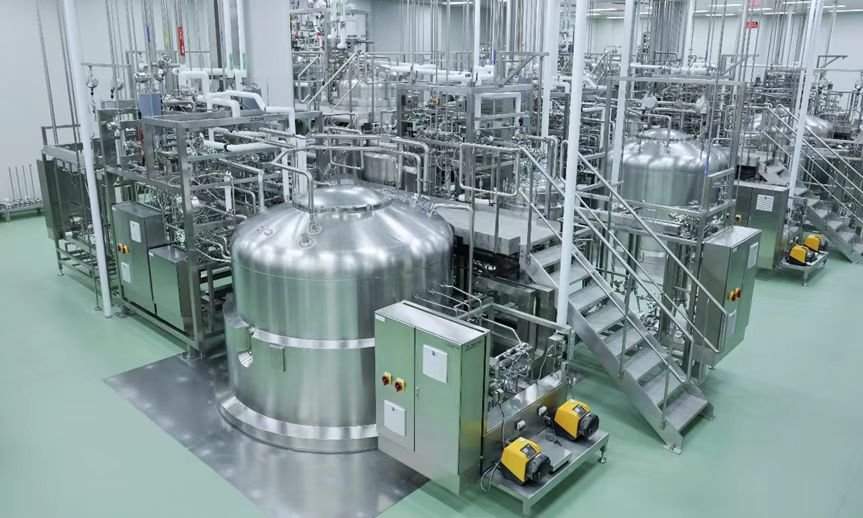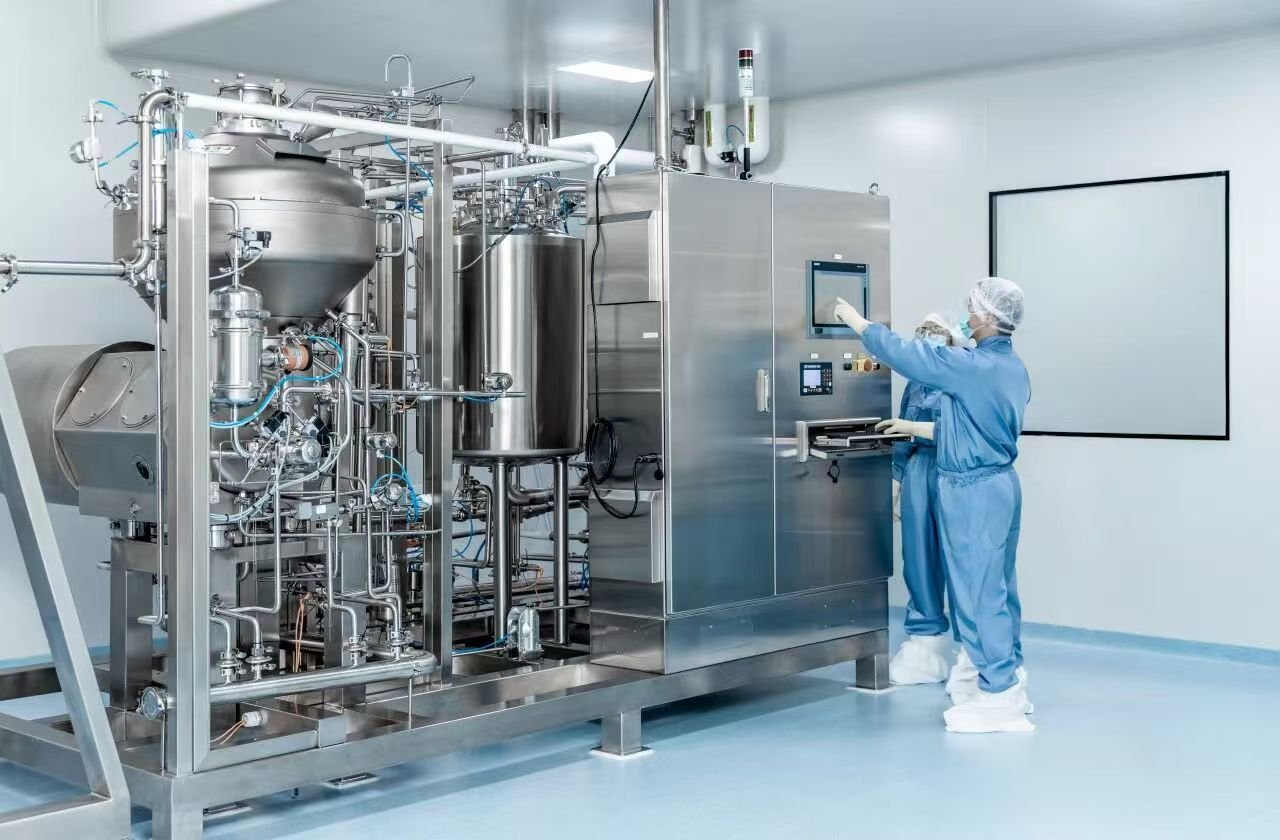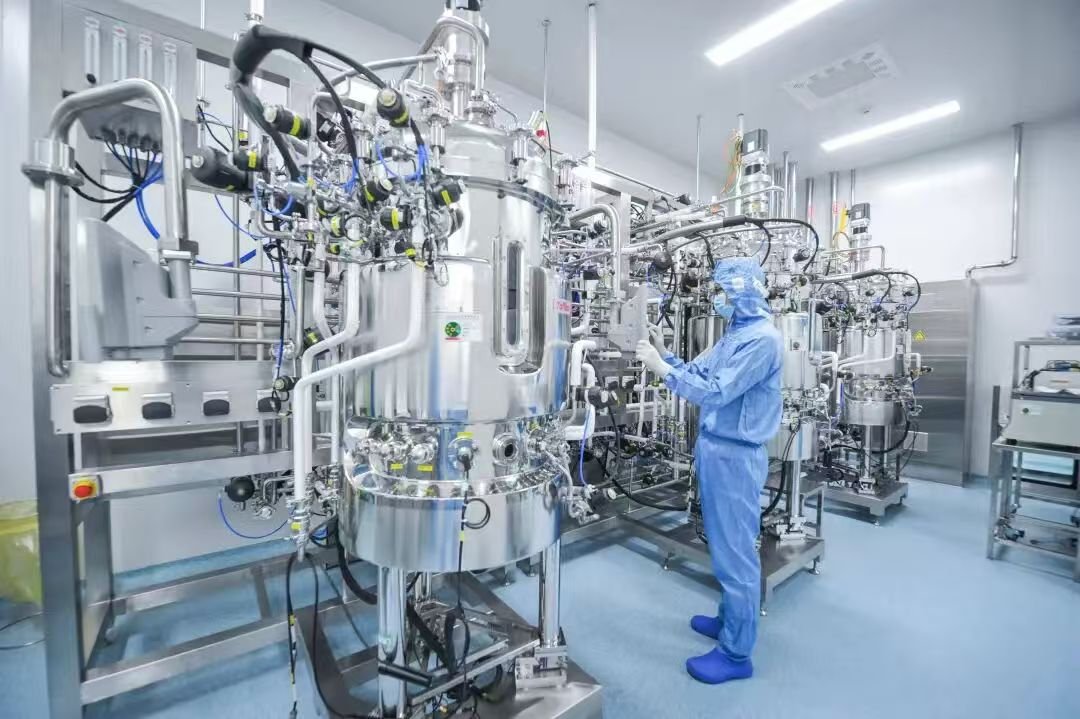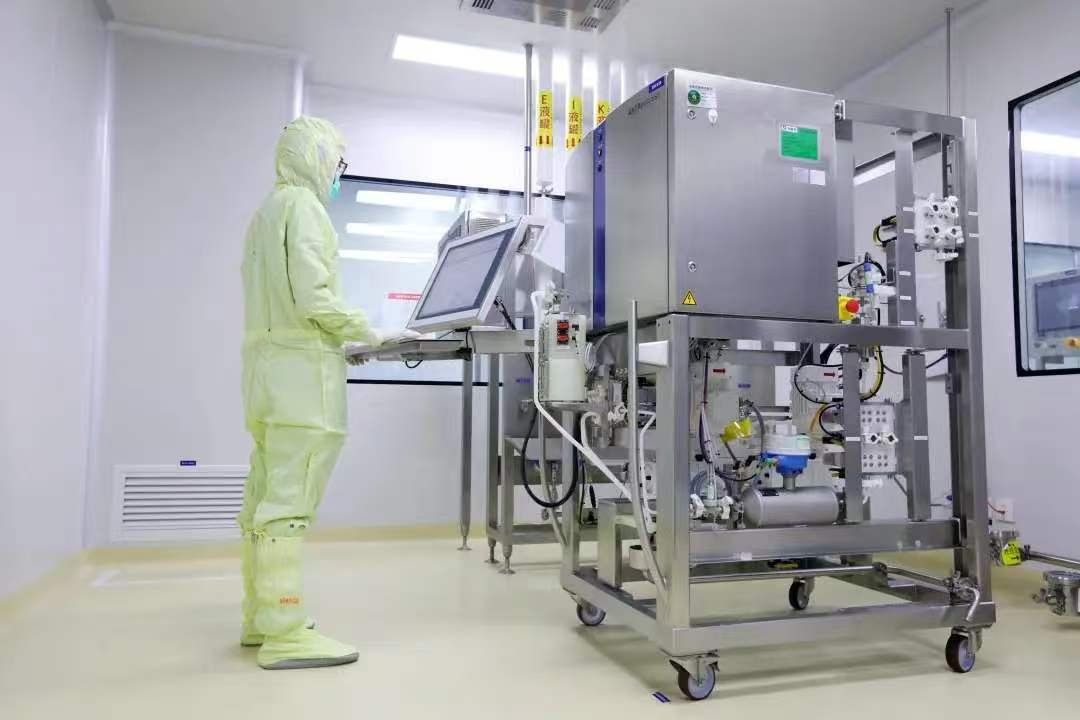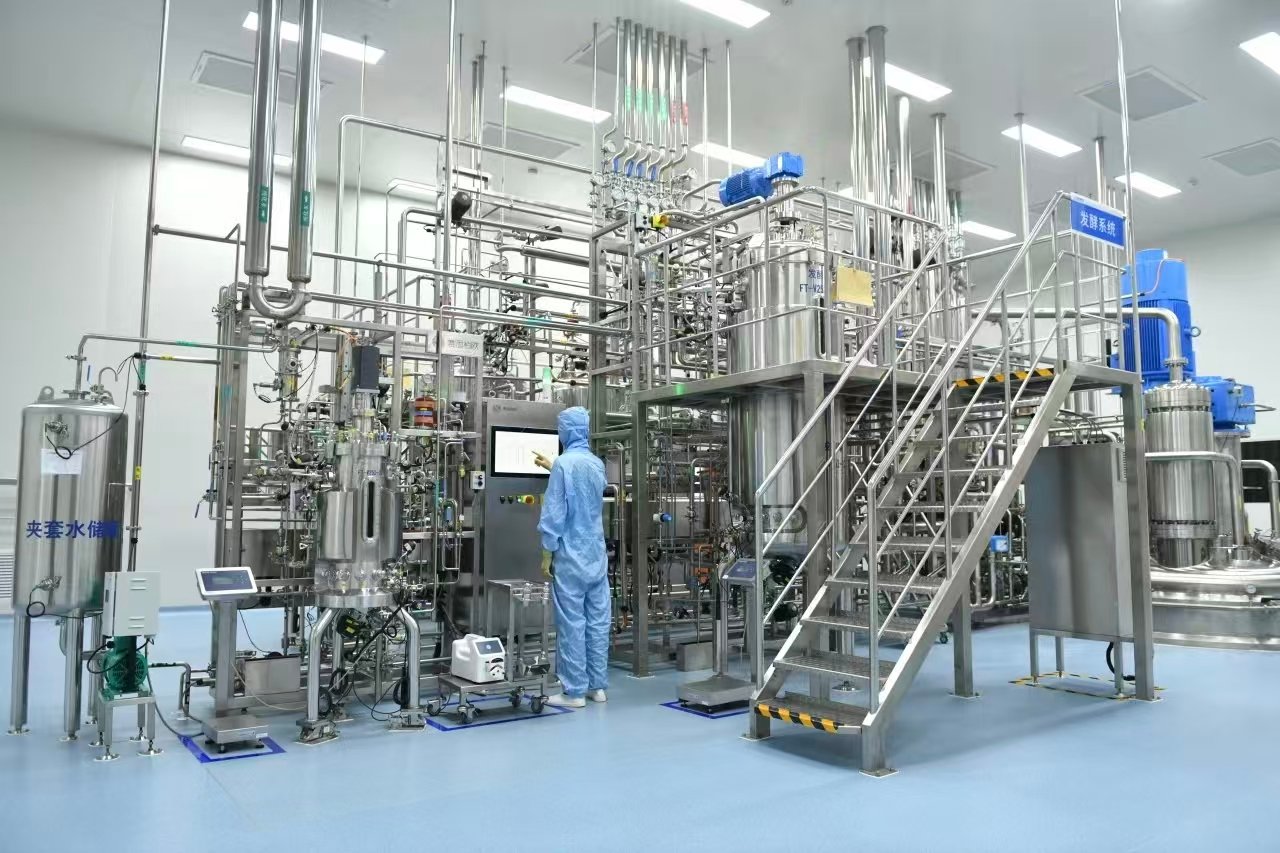
At the cutting edge of biomedicine, liposomes have emerged as star delivery vehicles in the pharmaceutical industry, owing to their unique biomimetic architecture and superior drug delivery performance. Resembling microscopic protective carriers, liposomes can encapsulate hydrophobic agents and sequester hydrophilic pharmaceuticals via refined formulation strategies to achieve targeted drug delivery. Nevertheless, scaling liposome production from lab-scale proof-of-concept batches to clinically compliant manufacturing runs is far more complex than a simple mixing procedure.
1. Core Fundamental Principle: From Lipid Molecules to Sophisticated Vesicular Structures
Liposomes are built upon two core components: phospholipids and cholesterol. At the microscopic level, phospholipids exhibit amphipathic properties, featuring hydrophilic head groups and hydrophobic fatty acid tails. When exposed to aqueous media, their cylindrical three-dimensional geometry drives spontaneous self-assembly into closed bilayer spherical vesicles—liposomes.
The foundational logic of laboratory liposome fabrication follows a defined sequence: lipids are first fully dissociated into discrete monomers using organic solvents, followed by controlled reassembly within a calibrated aqueous environment. Without stringent regulation of reaction parameters during vesicle formation, heterogeneous lipid aggregates with inconsistent particle sizes and disorganized membrane structures readily form. To generate uniform, stable vesicles, lipid film formation or solvent gradient approaches are mandatory to enforce ordered molecular packing. Classic preparation methodologies, including solvent evaporation, solvent injection and reverse-phase evaporation, all share the same underlying objective: precisely triggering controlled phospholipid self-assembly in aqueous phases.
2. Lab-Scale Formulation Workflows: Translating Research to Small-Batch Trials
At laboratory scale, researchers select tailored preparation protocols according to the physicochemical profiles of target drugs:
Lipid Film Hydration (Solvent Evaporation Method)
The most established and robust fabrication technique. Lipids and hydrophobic actives are co-dissolved in organic solvents, which are subsequently removed under reduced pressure to deposit a uniform lipid thin film on vessel inner surfaces. Aqueous buffer is then introduced for film hydration. This protocol is ideal for hydrophobic drugs, routinely delivering encapsulation efficiencies exceeding 90%.
Solvent Injection (Ethanol Infusion Method)
Leveraging the high solubility of lipids in water-miscible solvents such as ethanol, lipid organic solutions are rapidly injected into aqueous media. Energy released via solvent diffusion initiates spontaneous liposome formation. This approach boasts straightforward operation and facile parameter control.
Reverse-Phase Evaporation
A sophisticated technique optimized for hydrophilic drug encapsulation. Stable water-in-oil (W/O) emulsions are formulated, followed by gradual organic solvent evaporation. This maximizes the aqueous compartment volume within vesicles, drastically boosting passive encapsulation efficiency for hydrophilic therapeutics.
3. Advanced Optimization: Active Drug Loading Technology
Passive encapsulation of hydrophilic drugs typically yields only 10–30% loading efficiency, which is economically unviable for high-cost pharmaceutical APIs. Active drug loading thus represents an indispensable technology for industrial translation.
Doxorubicin liposomes serve as a classic representative use case. Ammonium sulfate is pre-encapsulated inside blank liposomes, and the external aqueous phase pH is adjusted to 7.4 via dialysis or tangential flow filtration (TFF) to establish a steep transmembrane ion gradient. Functioning like a molecular pump, this gradient drives doxorubicin across lipid bilayers into the vesicle interior, where it precipitates as poorly soluble complexes with internal sulfate anions. This technique elevates encapsulation efficiency above 90% and substantially improves in vivo pharmacokinetic profiles.
4. Addressing Particle Size & Purity Barriers: Extrusion and Tangential Flow Filtration
Crude liposome suspensions post-synthesis display broad, uncontrolled particle size distributions analogous to irregular water droplets. Precise particle size modulation is critical to guarantee predictable in vivo therapeutic efficacy. Lab-scale extrusion circulates crude liposomes repeatedly through polycarbonate membranes with defined pore sizes (e.g., 100 nm), narrowing particle dimensions to a tight nanoscale range with an extremely low polydispersity index (PDI).
Crude liposome suspensions inherently contain unencapsulated free drug, residual organic solvents, lipid debris and unreacted excipients, making purification an indispensable quality control step.
Conventional Dialysis: Simple to operate yet extremely time-intensive, rendering it unsuitable for scale-up manufacturing.
Tangential Flow Filtration (TFF): The gold-standard purification platform for industrial production and high-grade laboratory workflows, built on hollow fiber membrane technology. Unlike dead-end filtration prone to severe membrane fouling, TFF circulates feedstock parallel to membrane surfaces; continuous shear force scours the membrane to prevent cake layer buildup. Hollow fiber membranes with defined molecular weight cutoffs (MWCO) efficiently remove small-molecule impurities and residual solvents while enabling simultaneous liposome concentration. The process operates under mild, non-damaging shear conditions and exhibits exceptional scalability.
5. Critical Quality Attributes and Storage: Final Stability Control Gates
Liposomes function not merely as pharmaceutical formulations but as sophisticated delivery systems. Particle size distribution, drug encapsulation efficiency and chemical stability are defined as core Critical Quality Attributes (CQAs), which must be addressed in the early stages of product development alongside commercial storage strategies.
Lyophilization can convert liposome dispersions into solid powder for long-term ambient-temperature storage, yet the freeze-drying process imposes severe mechanical stress on lipid bilayers. Freeze-induced structural strain may rupture vesicle membranes, leading to irreversible particle size enlargement post-reconstitution. For this reason, the majority of commercially approved liposome formulations remain stored as liquid dispersions under refrigerated conditions (2–8°C).
Liposome manufacturing integrates molecular physics, colloid chemistry and precision process engineering into a cohesive technical workflow. Widespread adoption of advanced purification platforms including hollow fiber tangential flow filtration, paired with continuous refinements to active drug loading protocols, unlocks novel avenues for complex therapeutic delivery and enables more targeted clinical interventions.