

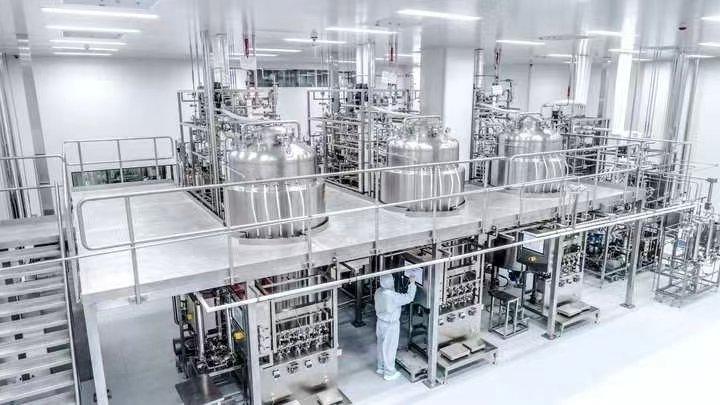
With the increasingly severe situation of animal epidemic prevention and control, the viral veterinary vaccine industry is undergoing a qualitative transformation from scale expansion to in-depth technological development. Traditional roller bottle culture and open operation modes can no longer meet the stringent modern requirements for vaccine potency, purity and batch stability in epidemic prevention.
How to balance biosafety and production efficiency through plant upgrading and process optimization? This entails far more than simple hardware accumulation; it represents a fundamental restructuring of process logic.
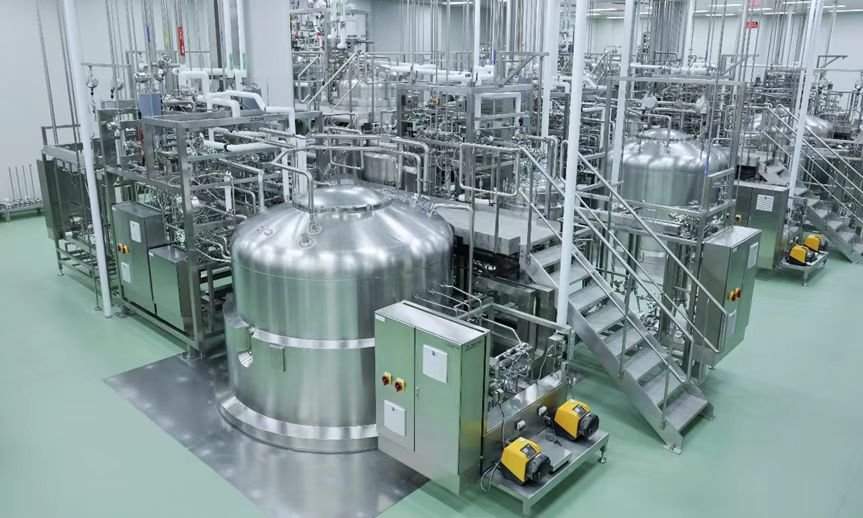
Upstream Process: Leaping from Roller Bottle Culture to Fully Closed Suspension Culture
The core of plant upgrading lies first in the transformation of production modes.
High-Density Fully Suspension Culture Technology
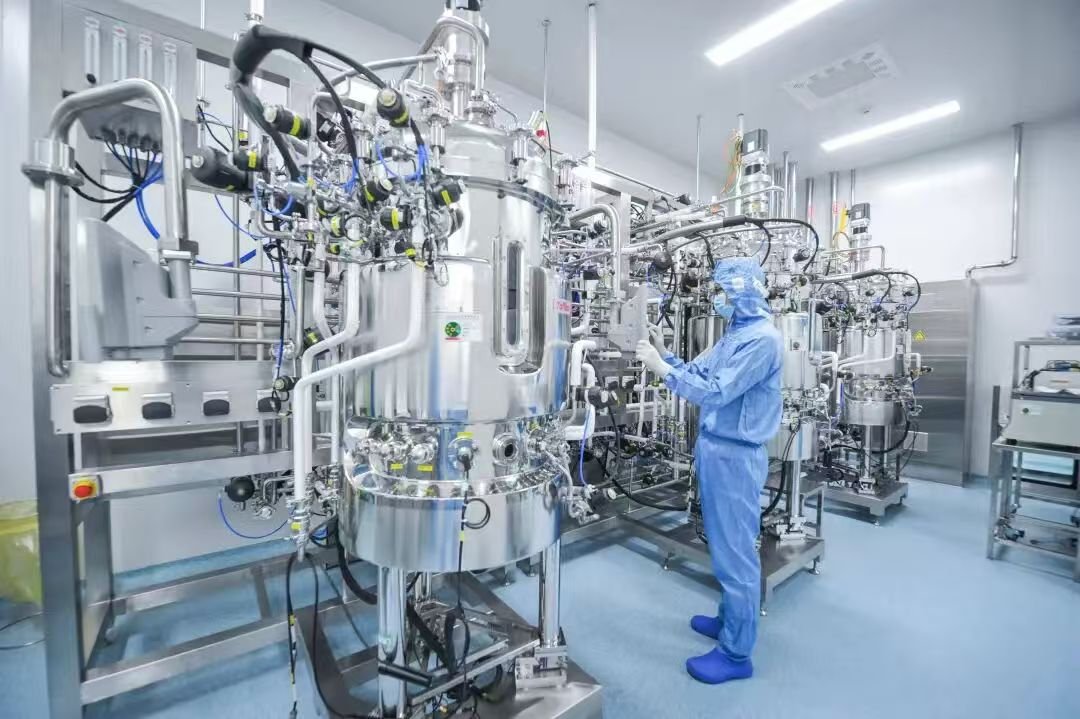
Bioreactors replace conventional roller bottles. With precise closed-loop control of pH, dissolved oxygen (DO), temperature and fed-batch nutrition supply, cell density is boosted by orders of magnitude. The entire production process is enclosed in a closed system, fundamentally eliminating contamination risks caused by manual operation.
In-Depth Integration of Single-Use Technology (SUT)
Single-use bioreactor bags and liquid storage bags are incorporated into upgraded solutions. Their core advantages lie in eliminating complex Cleaning-in-Place (CIP) and Sterilization-in-Place (SIP) validation, significantly shortening batch turnaround time and achieving zero cross-contamination at the physical level during multi-product production changeovers.
Process Intensification
Perfusion culture or high-density fed-batch strategies are adopted, combined with Alternating Tangential Flow (ATF) or Tangential Flow Filtration (TFF) systems for continuous medium replacement. Metabolic wastes such as lactic acid and ammonia are removed timely to sustain an ultra-high viable cell density. This reduces plant footprint and enables intensive production with high output in limited space.
Intelligent Process Analytical Technology (PAT)
Multi-Parameter Online Monitoring
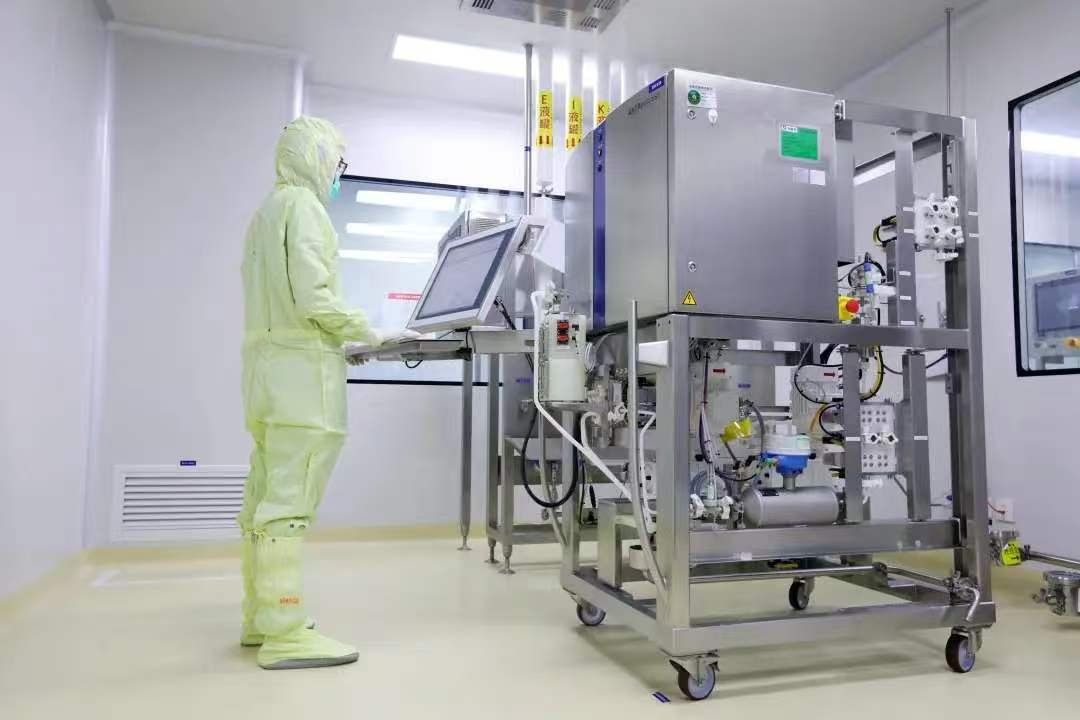
Upgraded systems eliminate reliance on manual sampling, integrated with online biomass sensors (capacitance-based viable cell concentration monitoring), DO, pH and dissolved carbon dioxide (CO₂) probes for real-time process tracking.
Automatic Feedback Regulation
Driven by real-time process data, automated fed-batch control systems dynamically adjust the supply of glucose, amino acids and other nutrients to maintain a stable viral replication microenvironment and drastically minimize batch-to-batch variation.
Downstream Process: High-Efficiency Clarification, Precision Purification and Automated Inactivation
The focus of downstream upgrading is high-yield retention and thorough impurity removal.
Fully Closed Clarification Process
Transition from traditional open centrifugation prone to aerosol generation to multi-stage closed depth filtration. Graded pore size configuration and pretreatment measures (such as pH adjustment and flocculant addition) improve clarification efficiency and cell debris removal. Fully automated single-use centrifugation systems are deployed for high-solid-content culture fluids to balance full containment and high product recovery.
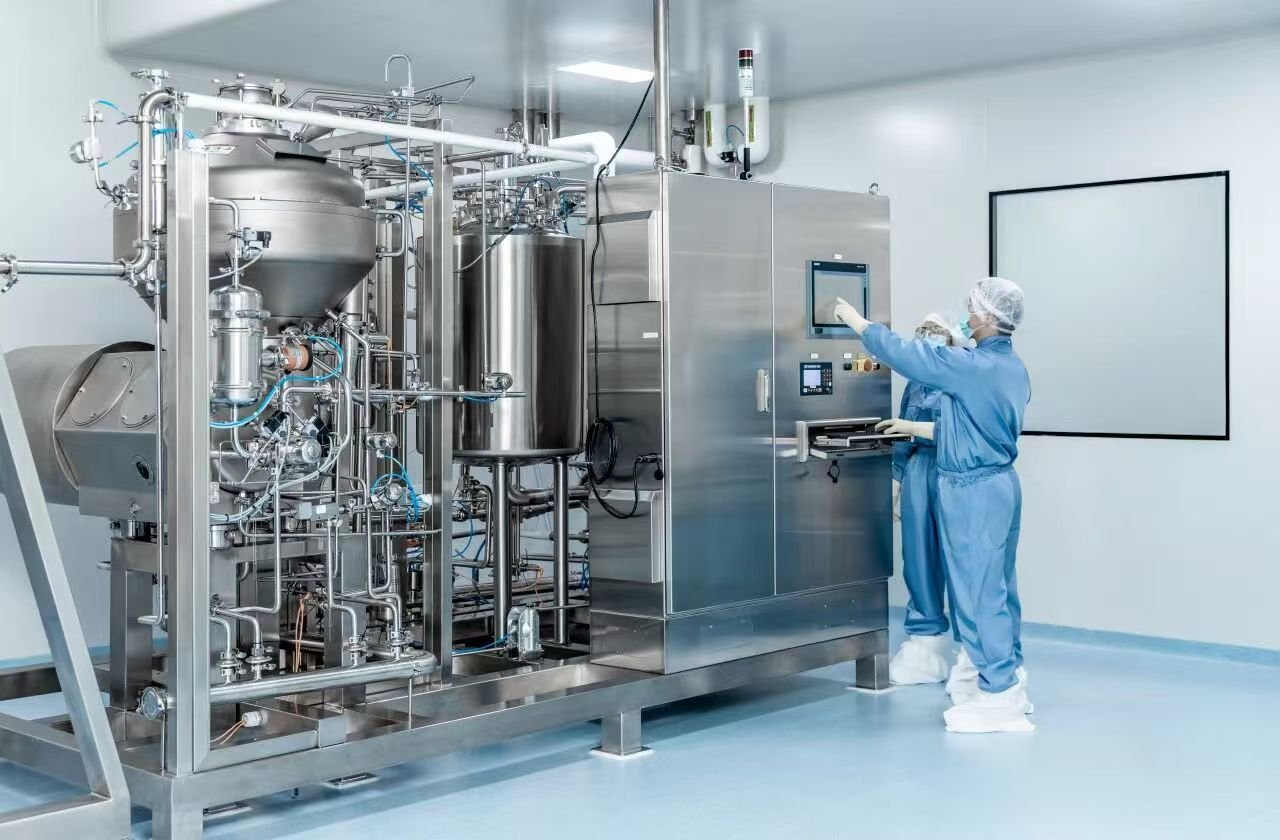
Intelligent TFF Systems for Precision Concentration and Buffer Exchange
Advanced tangential flow filtration platforms feature automatic closed-loop regulation of temperature, differential pressure and Trans-Membrane Pressure (TMP). Low-shear quaternary diaphragm pumps or low-speed peristaltic pumps are applied to prevent damage to viral envelopes and preserve antigen potency during concentration. Fixed TFF units are integrated with automated CIP programs, with conductivity and TOC monitoring to verify cleaning performance.
High-Level Purification: From Crude Extraction to Polished Refinement
Fully automated liquid chromatography systems, including Size Exclusion Chromatography (SEC) and Ion Exchange Chromatography (IEX), are introduced. Manufacturing plants reserve dedicated space for chromatographic column packing and operation, equipped with explosion-proof automatic control cabinets. Efficient removal of Host Cell Protein (HCP) and Host Cell DNA (hcDNA) effectively reduces adverse reactions after animal immunization and substantially enhances vaccine purity.
Plant Design: Biosafety Layout Based on Systematic Risk Assessment
Plant renovation and upgrading go beyond structural renovation, requiring systematic re-planning of material flow, airflow and personnel movement.
Zonal Isolation and Differential Pressure Gradient Control
Strict physical zoning and isolation are implemented for virulent live vaccine production areas. Negative pressure containment ensures unidirectional airflow from low-risk to high-risk zones to prevent cross-biological contamination.
Modular and Digitalized Management
Modular cleanroom design supports rapid and flexible capacity expansion for future production demands. Supporting automatic control systems including SCADA and MES realize full-process real-time collection, recording and traceability of production data, ensuring full control over the entire vaccine manufacturing process.
Pollution Prevention: Closed-Loop Management with Meticulous Control
A rigorous process solution requires extreme attention to operational details.
Sterile Material Transfer Systems (Alpha/Beta Valves)
These systems maintain intact biological containment barriers during material transfer between classified clean areas of different grades.
In-Situ Inactivation of Virulent Waste
Upgraded facilities are equipped with fully automated kill tank systems for liquid waste treatment, ensuring all liquid and gaseous waste discharged from production areas undergoes thorough biological inactivation.
Online Monitoring and Early Warning Mechanisms
Continuous online particle counting and airborne bacteria monitoring transform traditional post-inspection quality control into proactive risk prevention.
The upgrading of manufacturing facilities for viral veterinary vaccines reflects reverence for life sciences and a proactive response to industrial upgrading. Through full-process closure, automation and standardization, manufacturers not only produce high-quality vaccines, but also build a solid line of defense for public health security in the livestock and poultry industry.
As a leading process-oriented engineering company, Sino Bioengineering delivers professional bioengineering solutions and comprehensive technical services to clients worldwide.
For more products and solutions: https://sinobioengg.com/category/solution/
For more service: https://sinobioengg.com/category/service/