





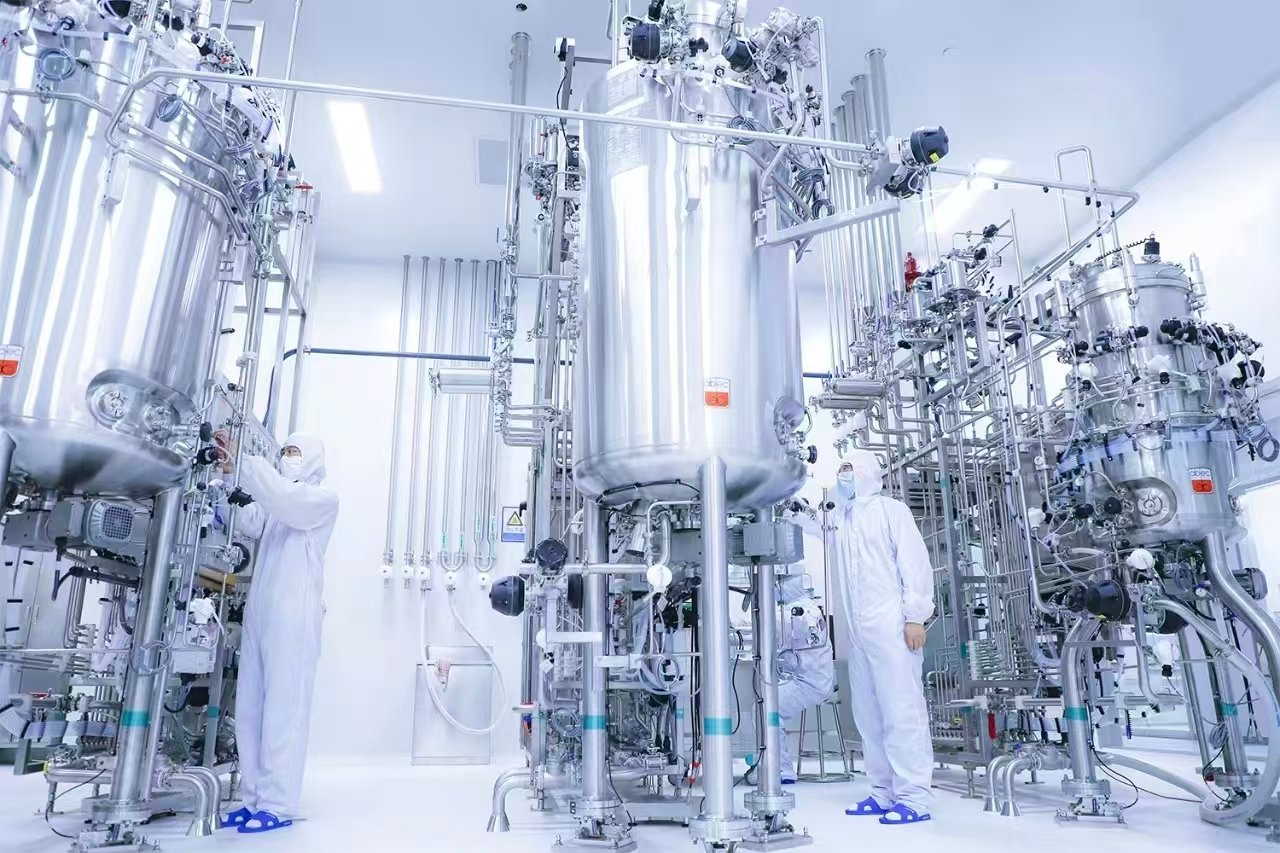
Beyond conventional protein antibodies and viral vectors, non-viral delivery systems (exemplified by lipid nanoparticle-encapsulated mRNA, mRNA-LNPs) and genetically modified patient-derived cellular products (represented by CAR-T cells) are spearheading a transformative revolution in modern biomedicine. Nevertheless, translating these delicate, structurally sophisticated biological entities into clinically safe and commercially viable pharmaceuticals poses formidable challenges in formulation design and process development. This article systematically elaborates on the core formulation principles and critical manufacturing workflows that underpin the final production of non-viral vectors and gene-modified cell therapeutics.
01 mRNA Nano-Shield: Manufacturing and Formulation Profiling of Lipid Nanoparticles
Unlike cell-based therapeutics, mRNA non-viral vector products adopt a manufacturing paradigm similar to small-molecule drugs, featuring tightly integrated formulation design and streamlined production processes.
In cGMP-compliant manufacturing facilities, bulk mRNA drug substance undergoes standardized thawing and homogeneous blending, followed by precise compositional compounding with multiple functional lipids. The components self-assemble uniformly into lipid nanoparticles (LNPs), which serve as a robust biological encapsulation system to fully shield internal mRNA payloads. LNP carriers exert two core functional roles in vivo:
First, anti-degradation protection: insusceptible to cleavage and degradation by ubiquitous nucleases in physiological environments, stabilizing mRNA integrity. Second, targeted cellular delivery: facilitating efficient internalization into target cells and controlled cytoplasmic release of mRNA, thereby enabling subsequent intracellular protein translation.
A standard, clinically validated mRNA-LNP formulation consists of four indispensable lipid components: ionizable cationic lipids, helper phospholipids, cholesterol, and PEGylated lipids. The entire LNP manufacturing process is divided into two core procedural stages:
Stage 1: High-speed mixing and spontaneous self-assembly
Acid-conditioned mRNA aqueous solution is rapidly blended with lipid ethanolic solutions, driving the spontaneous encapsulation of mRNA by lipid bilayers. Given that LNP particle size, uniformity and morphological characteristics directly determine in vivo biodistribution, cellular uptake efficiency and therapeutic potency, strict parametric control over raw material ratios and mixing environments is mandatory to achieve superior batch-to-batch homogeneity. In addition, the application of ethanol solvent mandates rigorous fire prevention and explosion protection protocols throughout the production process to meet industrial safety standards.
Stage 2: Tangential Flow Filtration (TFF) purification and concentration
Ultrafiltration and diafiltration-based TFF technology is implemented to remove residual ethanol impurities and concentrate LNP products. The final formulation buffer is supplemented with protective saccharides to enhance the freeze-thaw stability of finished products. Of note, mRNA-LNPs are extremely sensitive to mechanical shear force; therefore, systematic process validation is required for the selection of hollow-fiber or flat-sheet membrane modules, optimization of molecular weight cutoff parameters, and fine-tuning of operational flow rates to avoid product damage.
Raw material quality control of complex lipid excipients represents another major technical hurdle, with more stringent analytical criteria than those for conventional biological products. Comprehensive characterization is achieved via multiple high-precision analytical platforms: nuclear magnetic resonance (NMR) for structural confirmation, mass spectrometry (MS) for molecular weight profiling, and multi-angle light scattering (MALS) for particle size distribution and polydispersity index detection.
While mRNA-LNP vaccines have attained global marketing approval, therapeutic mRNA-based non-viral vectors for in vivo gene therapy are still in clinical development. Fundamental disparities in administration dosage (microgram-level for vaccines vs. high-dose requirements for therapeutic products) and immunogenicity design necessitate more sophisticated and tailored formulation control strategies for therapeutic candidates.
02 Life-Sustaining Microenvironment for Gene-Modified Cells: Core Formulation Strategies for CAR-T Cell Therapies
Different from chemical small molecules and mRNA biologics, gene-modified patient-derived cell products such as CAR-T cells are manufactured via a continuous end-to-end production workflow. The boundary between drug substance and drug product is indistinct for most cell therapies, with formal formulation procedures commencing after the washing and impurity removal of genetically modified and expanded cell populations.
The core goal of cell therapy formulation is to construct a stable, physiologically compatible microenvironment for viable cells. Post-harvest and purification, engineered cells are resuspended in culture media supplemented with cryoprotectants (primarily DMSO) and functional auxiliary excipients to generate qualified final products.
2.1 Time and temperature sensitivity in formulation processing
Cell formulation is an extremely time-critical and temperature-dependent process. During compounding, cells are exposed to suboptimal, nutrient-deficient transient environments. Rational formulation design is therefore critical to rapidly stabilize cell status, enabling cells to withstand temperature fluctuations, pH variations and mechanical stress during subsequent handling, cryopreservation, logistics transportation and clinical preparation.
Precise DMSO process control is essential: the addition rate and reaction temperature of DMSO cryoprotectants must be strictly regulated, as inappropriate concentration or temperature will induce irreversible cell lysis and death. Human serum albumin (HSA), as the most abundant plasma protein, serves as a key functional excipient to maintain long-term cell viability and optimize the cellular microenvironment.
The classic formulations of several globally approved autologous gene-modified cell therapies are summarized as follows:
AUCATZYL: PBS, HSA, EDTA and 7.5% DMSO
BREYANZI: 75% CryoStor CS10 (containing 7.5% DMSO), 24% electrolyte injection and 1% HSA
CASGEVY: Gene-edited CD34+ cells resuspended in sterile cryopreservation medium containing 5% DMSO and Dextran 40
TECARTUS: CryoStor (final DMSO concentration of 5%), sodium chloride and HSA
2.2 Supply chain optimization: trade-offs between fresh infusion and cryopreservation
Cell therapy products are characterized by ultra-short shelf lives. To resolve logistical bottlenecks, regulatory authorities mandate the incorporation of qualified cryoprotectants in cell formulations.
Fresh CAR-T products require immediate clinical infusion after quality verification due to rapid potency attenuation, which imposes extremely stringent requirements on clinical sampling, QC release and real-time logistics scheduling. In contrast, cryopreserved cell products allow sufficient time for full quality release testing and provide flexible scheduling for patient infusion. Accordingly, cryopreservation has become the mainstream industrial solution for centrally manufactured CAR-T products requiring long-distance transportation to global clinical centers.
2.3 Dual properties of DMSO and corresponding regulatory compliance requirements
As an essential cryoprotective excipient, DMSO presents unique regulatory challenges, which have been repeatedly emphasized in FDA public hearings and industry guidelines.
First, DMSO may interfere with sterility testing and cause false-negative results, masking potential microbial contamination. For this reason, the FDA requires supplementary bacteriostasis and fungistasis testing for DMSO-containing cell products to verify no interference with critical sterility assessment.
Second, post-thaw product stability is strictly regulated. Cell viability may fluctuate after thawing, recovery and DMSO removal. Pharmaceutical enterprises are obligated to submit comprehensive stability data covering DMSO elution and multiple freeze-thaw cycles, to ensure the safety and efficacy of cell products for clinical administration.
03 Conclusion
From nanoscale mRNA-LNP delivery systems to living genetically modified autologous cells, the formulation and manufacturing processes of modern gene therapies and non-viral vector therapeutics represent a sophisticated integration of cutting-edge molecular biology, polymer chemistry and high-standard pharmaceutical engineering. These rationally designed protective systems and cell-stabilizing microenvironments enable advanced genetic technologies to overcome complex physical and biological barriers, translating pioneering scientific breakthroughs into life-saving clinical therapies.
