
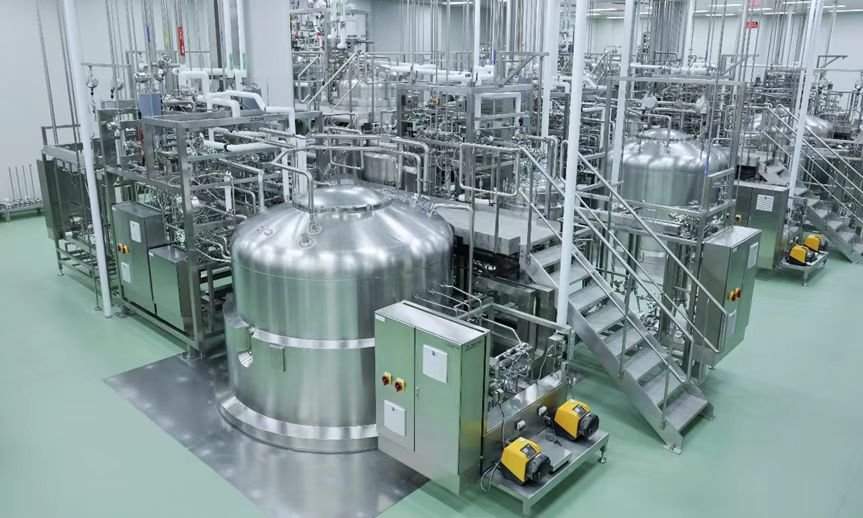
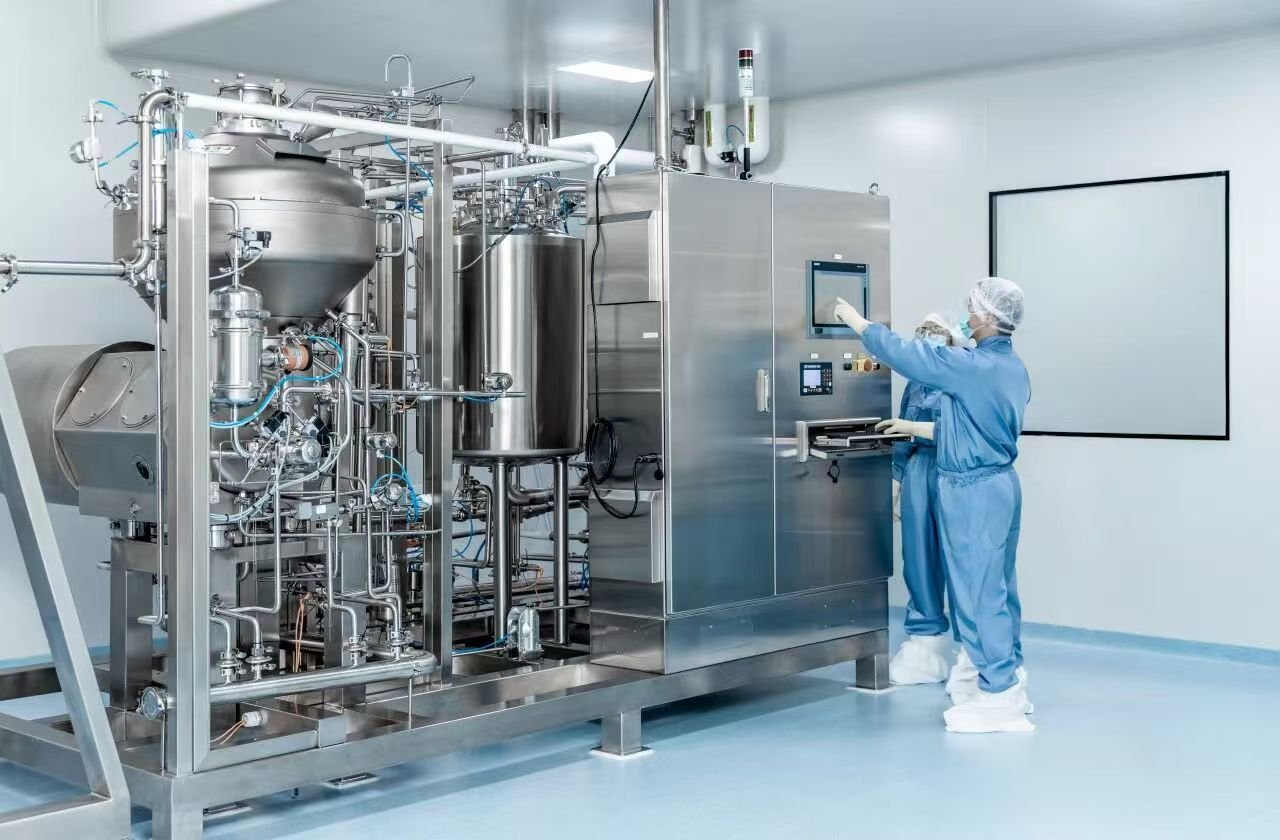
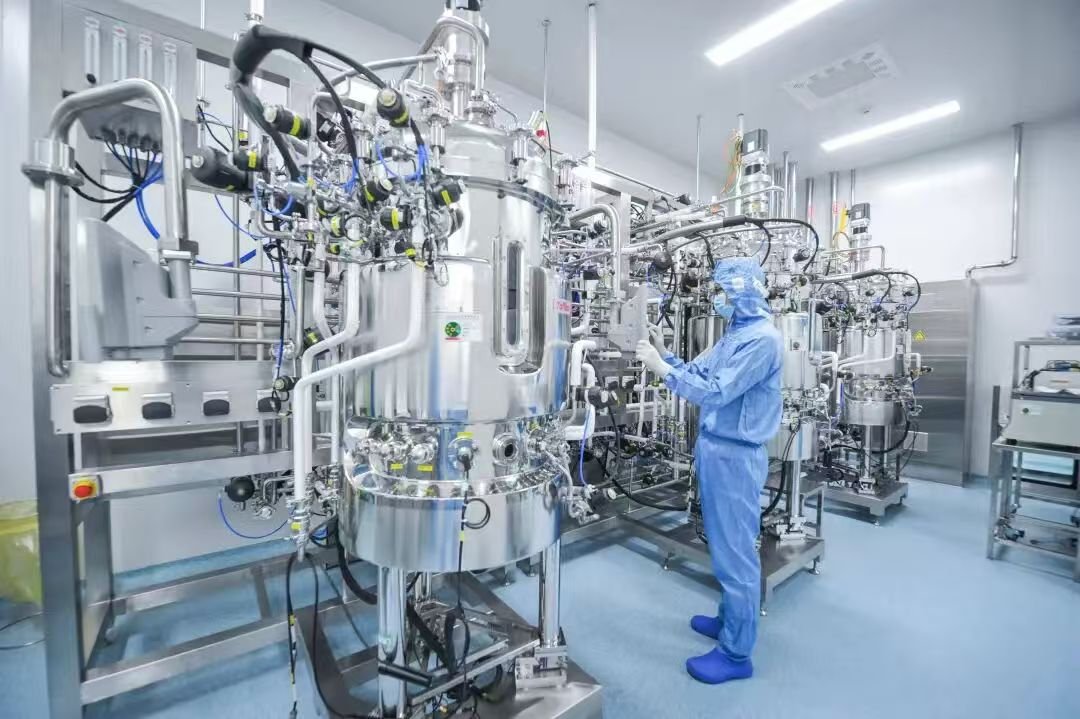
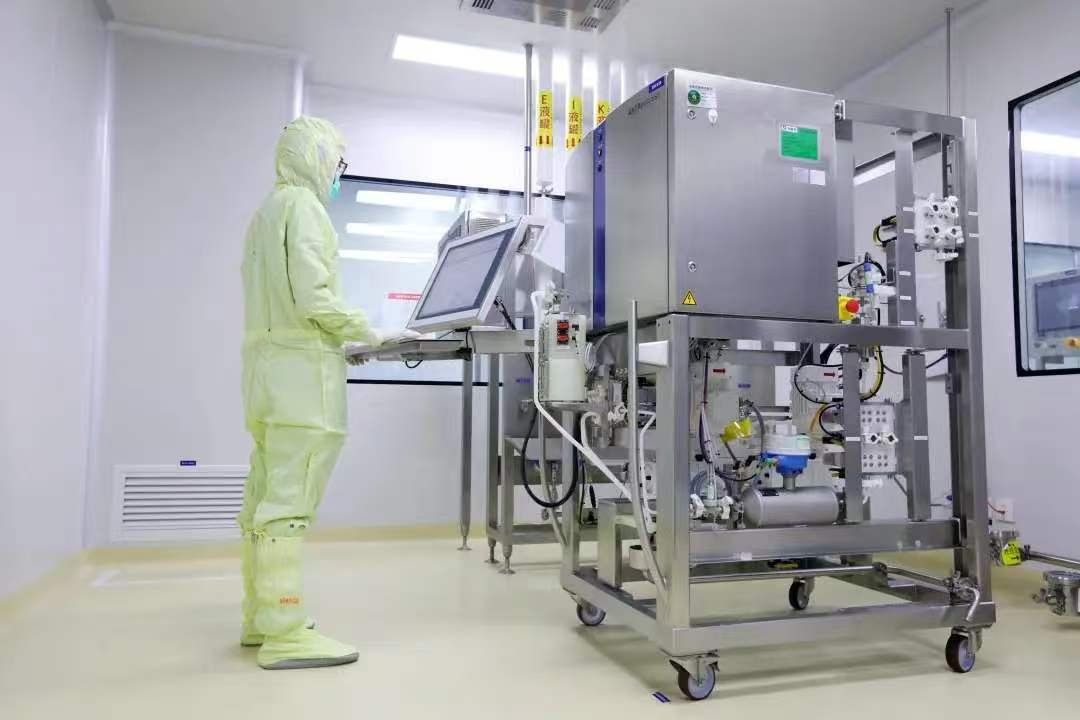
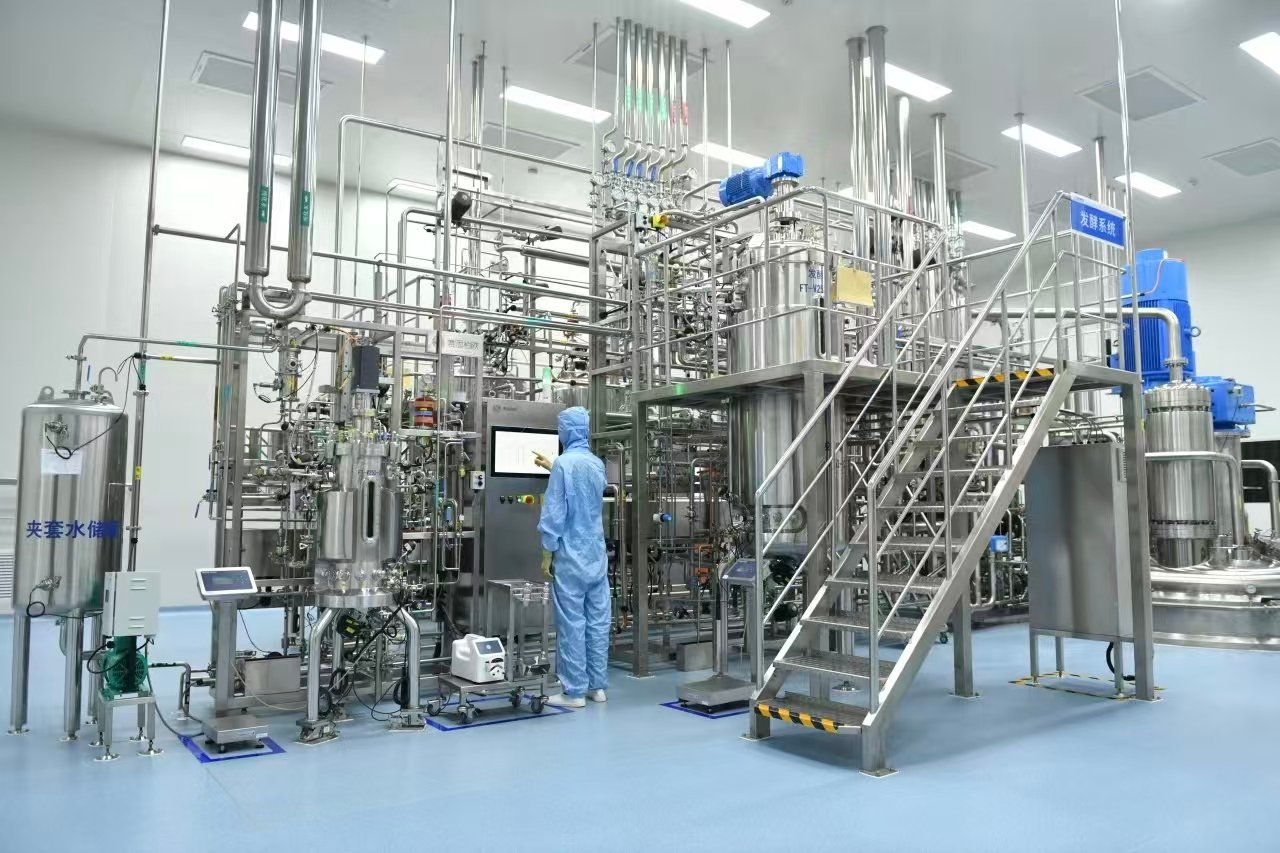
Traditional fed-batch bioreactor systems have long served as the mainstream upstream manufacturing platform for biopharmaceuticals, industrial enzymes, and microbial bioproducts due to their operational flexibility and stable yield performance. However, discrete batch cycles, repeated sterilization, medium replacement, and idle equipment downtime lead to excessive utility consumption, large carbon footprints, and low overall equipment efficiency (OEE), restricting the sustainable upgrading of modern biomanufacturing. Continuous fed-batch (CFB) bioreactor technology, as an innovative intensified process integrating the advantages of conventional fed-batch and continuous perfusion cultivation, realizes continuous substrate feeding and periodic in-situ product harvesting while maintaining stable cell growth and metabolic states. This article systematically elaborates the technical principles of CFB bioreactors, compares the performance differences with traditional bioprocess modes, analyzes the core mechanisms of utility footprint reduction, summarizes practical transition strategies and technical challenges, and verifies that the CFB platform can effectively cut down energy, medium, and water consumption without compromising product yield and quality consistency. The research and industrial application cases prove that CFB bioreactors have become a core technological path for green, efficient, and low-carbon transformation in the biomanufacturing industry.
1.Introduction
Biomanufacturing relying on microbial and mammalian cell fermentation is a core support for biopharmaceutical production, bioenergy preparation, and fine chemical synthesis. For decades, conventional fed-batch (FB) cultivation has dominated industrial production scenarios, with typical characteristics of one-time inoculation, staged nutrient supplementation, and single-end harvesting. This discontinuous operation mode can effectively avoid substrate inhibition and product degradation in the fermentation process and is compatible with mature downstream purification processes, ensuring stable product yield for large-scale industrial production.
Nevertheless, with the continuous expansion of bioproduction scale and the increasing demand for green manufacturing and cost reduction, the inherent defects of traditional fed-batch processes have become increasingly prominent. Each independent batch requires tank cleaning, high-temperature sterilization, medium preparation, and equipment preheating, resulting in massive consumption of steam, electricity, and process water. Meanwhile, long non-production downtime between batches reduces unit space-time yield, and repeated start-stop operations cause fluctuations in cell metabolic activity, indirectly affecting batch-to-batch product quality consistency. In addition, the one-time discharge of residual fermentation medium in traditional batch processes causes raw material waste and additional wastewater treatment pressure, further expanding the overall utility footprint of production lines.
Continuous perfusion bioreactors can achieve long-term continuous cultivation and high cell density culture, but their industrial promotion is limited by high equipment investment, complex cell retention system maintenance, and strict process control thresholds. As a transitional and optimized intensified process, continuous fed-batch bioreactors balance operational simplicity and production efficiency. By optimizing feeding strategies, realizing semi-continuous material exchange and stable cycle operation, CFB breaks through the efficiency bottleneck of traditional fed-batch while avoiding the high complexity of full perfusion processes. Numerous industrial verification cases have confirmed that the CFB process can significantly reduce resource and energy consumption, with zero loss of product yield and quality, providing a feasible and cost-effective technical solution for the low-carbon upgrading of biomanufacturing.
2.Technical Principles and Operational Characteristics of Continuous Fed-Batch Bioreactors
2.1 Core Technical Principles
The continuous fed-batch bioreactor is a process intensification technology that optimizes the material input and output logic of traditional fed-batch. Different from the closed-loop cultivation of conventional fed-batch and the full material exchange of continuous perfusion, CFB adopts a “continuous feeding + intermittent continuous harvesting” operation mode. On the basis of maintaining the sterile closed environment of the bioreactor, the system realizes real-time supplementary feeding of fresh medium according to cell growth status and metabolic parameters, and regularly discharges fermentation broth containing target products, retaining high-activity cells in the reactor for continuous proliferation and metabolism.
The core control logic of CFB lies in the dynamic balance of substrate concentration, cell density, and specific productivity. Through real-time monitoring of dissolved oxygen, pH value, cell viability, and metabolite concentration, the adaptive feeding rate is adjusted to avoid substrate limitation or inhibition. Meanwhile, by controlling the cell-specific perfusion rate (CSPR), the system maintains a stable high-viable cell density in the reactor, ensures continuous and efficient synthesis of target products, and avoids the cell aging and metabolic decline caused by long-term static cultivation in traditional fed-batch processes.
2.2 Comparison of Operational Modes with Traditional Bioprocesses
To clarify the technical advantages of CFB bioreactors over conventional biomanufacturing workflows, this section systematically compares four mainstream cultivation modes, including traditional batch, conventional fed-batch, perfusion continuous, and continuous fed-batch processes, in terms of operational logic, utility consumption, space-time yield, technical complexity and batch stability.
Traditional batch processes feature one-time full medium feeding and one-time terminal harvesting, with complete tank discharge after each fermentation cycle. This simplest operational mode requires minimal technical control but suffers from extremely high utility consumption due to mandatory full-tank cleaning and high-temperature sterilization for every batch. Severe batch-to-batch fluctuation in cell growth and metabolism leads to low space-time yield and poor product stability, making it only suitable for low-value and small-scale fermentation scenarios.
Conventional fed-batch processes optimize batch production via staged nutrient supplementation while retaining discontinuous batch cycles and single-end harvesting. This improvement effectively relieves substrate inhibition and elevates production yield compared with traditional batch cultivation. However, it still maintains medium-to-high utility consumption due to repeated pre-batch preparation procedures. The overall space-time yield and batch consistency are moderately improved yet still restricted by inter-batch downtime and repeated cell adaptation phases, representing the most widely adopted but inefficient mainstream industrial mode at present.
Perfusion continuous processes achieve long-term steady-state cultivation through full continuous medium exchange and real-time product harvesting, delivering high space-time yield and exceptional batch stability. Nevertheless, this advanced mode comes with prominent practical limitations. It requires high-precision cell retention systems, sophisticated real-time process control, and high-standard sterile maintenance, resulting in extremely high equipment investment and operational complexity. In addition, continuous large-volume medium replacement causes substantial medium consumption, greatly increasing overall production costs and limiting its large-scale industrial promotion.
Continuous fed-batch (CFB) processes integrate the strengths of fed-batch flexibility and continuous cultivation efficiency while avoiding their respective drawbacks. Adopting adaptive continuous feeding and periodic batch harvesting with internal cell retention circulation, CFB eliminates frequent inter-batch sterilization and cleaning. It achieves significantly optimized medium utilization and reduced utility consumption, paired with high space-time yield and excellent batch stability. With medium-to-low technical complexity and cost input, the CFB platform strikes an optimal balance between operational feasibility, production efficiency, and green manufacturing performance for industrial bioproduction.
Compared with traditional processes, CFB bioreactors eliminate frequent tank cleaning and sterilization operations between batches, greatly reducing the consumption of steam and process water. Different from full perfusion processes that require massive medium replacement, CFB realizes precise feeding based on metabolic demand, improving medium utilization efficiency by more than 50%. Meanwhile, long-cycle continuous cell cultivation avoids the growth lag phase of repeated batch inoculation, significantly improving space-time yield without reducing final product titer.
3.Mechanisms of Utility Footprint Reduction in CFB Bioreactors
The utility footprint of biomanufacturing mainly includes medium consumption, water and electricity energy consumption, and wastewater treatment costs. The core advantage of CFB bioreactors lies in optimizing the whole-cycle resource utilization efficiency through process intensification and continuous operation, realizing low-carbon production while maintaining stable yield.
3.1 Reduction of Discontinuous Operational Energy Consumption
Traditional fed-batch production requires multiple start-stop cycles, and each batch needs to go through empty tank cleaning, high-temperature moist heat sterilization, medium preheating, and parameter calibration. These non-production links account for 30%–40% of the total energy consumption of the production line. The CFB process adopts long-cycle continuous operation mode. After the initial inoculation and start-up, the reactor can maintain stable operation for several weeks, eliminating repeated sterilization, equipment preheating, and system debugging between batches. Industrial data show that the CFB process can reduce steam and power consumption for pre-production preparation by more than 40% compared with the traditional fed-batch process, greatly cutting down the basic energy footprint of unit product.
3.2 Improvement of Medium Utilization Efficiency
In conventional fed-batch processes, excessive initial substrate concentration often leads to substrate inhibition, and residual unconsumed medium after fermentation causes serious raw material waste. In contrast, CFB adopts a dynamic adaptive feeding strategy. Combined with real-time monitoring of cell metabolism, it quantitatively supplements carbon sources, nitrogen sources, and trace elements according to cell growth demand, maintaining the substrate concentration in the optimal metabolic range. This strategy avoids substrate waste and metabolic pressure, increasing medium utilization efficiency from 60%–70% of traditional processes to more than 90%. Relevant studies have shown that the CFB process can reduce medium consumption per gram of target product by nearly 50%, fundamentally reducing raw material costs and wastewater discharge pressure.
3.3 Optimization of Space-Time Production Efficiency
The batch interval downtime of traditional fed-batch processes seriously restricts production capacity. The CFB process retains high-activity cells in the reactor for continuous proliferation and product synthesis, eliminating the cell growth lag phase and batch waiting time. Under the same reactor volume and equipment conditions, the space-time yield of the CFB process is increased by 1.3–2.2 times compared with the traditional fed-batch process. The improvement of unit efficiency means that the same production capacity can be completed with fewer production lines and smaller plant area, indirectly reducing the construction and operation utility footprint of supporting facilities such as ventilation, refrigeration, and power supply.
4.Yield and Quality Stability Verification of CFB Processes
The core concern in the transition from traditional fed-batch to CFB processes is whether continuous operation will cause cell metabolic aging, product titer decline, or quality fluctuation. A large number of pilot-scale and industrial verification experiments have fully confirmed that the CFB process can achieve equivalent or even higher yield while reducing utility consumption, with stable product quality.
4.1 Yield Performance Verification
In the production of monoclonal antibodies, industrial enzymes, and microbial metabolites, the CFB process shows excellent yield performance. A 5L bench-top scale verification test showed that compared with the standard fed-batch process, the CFB intensified process achieved a 217% increase in production efficiency, and the final product titer was consistent with the traditional process without any loss. In the high-inoculation density cultivation of CHO cell lines, the CFB process optimized by N-1 perfusion technology achieved an average 85% increase in single-batch titer and a 132% increase in space-time yield, realizing simultaneous improvement of yield and efficiency. Different from the full perfusion process which may cause cell loss and titer fluctuation, the cell retention design of CFB ensures stable biomass in the reactor and continuous efficient product synthesis.
4.2 Product Quality Consistency
Product quality consistency is a key index for industrial application of bioprocesses. Experimental data show that the CFB process maintains stable glycosylation modification, product purity, and molecular weight distribution during long-term continuous operation. The stable metabolic microenvironment formed by dynamic feeding and continuous cultivation avoids the drastic fluctuation of substrate and metabolite concentration in traditional batch processes, reducing the probability of abnormal product modification and impurity generation. Batch-to-batch quality deviation of CFB products is far lower than that of traditional fed-batch products, which meets the strict quality control requirements of biopharmaceutical and high-value bioproducts.
5.Key Challenges and Optimization Strategies for CFB Process Transition
Although CFB bioreactors have significant advantages in energy saving, consumption reduction, and yield stability, the transition from traditional fed-batch processes still faces technical and operational challenges, including precise process control, long-term sterile maintenance, and process parameter amplification. Targeted optimization strategies are required to realize stable industrial application.
5.1 Precise Dynamic Feeding Control
The core difficulty of the CFB process lies in real-time matching of feeding rate and cell metabolic state. Fixed feeding strategies cannot adapt to the dynamic changes of cell growth and metabolism in long-cycle operation, which may lead to nutrient deficiency or metabolite accumulation. The optimized solution is to build an adaptive feeding system based on multi-parameter real-time monitoring. By collecting data such as dissolved oxygen, pH, cell viability, and glucose consumption rate, the system dynamically adjusts the feeding speed and medium ratio to maintain the optimal metabolic state of cells and ensure stable yield in long-term operation.
5.2 Long-Term Sterile Operation Assurance
Long-cycle continuous operation increases the risk of microbial contamination, which is the main restrictive factor for CFB process stability. In response to this problem, closed-loop single-use bioreactor systems and sterile online sampling technologies can be adopted to reduce manual operation intervention. Meanwhile, regular online disinfection of pipelines and filter systems, combined with real-time microbial monitoring, can effectively eliminate contamination risks and ensure the stable operation of the reactor for more than 30 days.
5.3 Scale-Up Process Adaptation
Small-scale pilot CFB processes often face parameter deviation in industrial scale-up. The hydrodynamic environment, oxygen mass transfer efficiency, and temperature field distribution of large-scale reactors are different from those of bench-top equipment. The scale-up optimization strategy is to take CSPR and oxygen mass transfer coefficient as core scale-up parameters, construct a scale-down model for process verification, and calibrate feeding strategies and stirring parameters according to reactor volume and structural differences to realize seamless transition from pilot scale to industrial scale.
6.Industrial Application Prospects and Conclusions
Against the background of global dual-carbon goals and escalating manufacturing cost pressure, the green and efficient upgrading of biomanufacturing has become an inevitable industry trend. Continuous fed-batch bioreactors, as a low-cost and high-efficiency process intensification technology, perfectly balance low utility footprint and high yield performance, making up for the defects of high energy consumption in traditional fed-batch processes and high threshold of full perfusion processes.
Industrial application practices show that the transition to CFB bioreactors can reduce comprehensive utility consumption by 35%–50% and medium waste by more than 50%, while improving space-time yield by more than 100% and maintaining 100% yield level and stable product quality. With the continuous maturity of intelligent monitoring, adaptive control, and sterile guarantee technologies, CFB processes will be widely promoted in the fields of monoclonal antibody drugs, microbial fermentation, viral vector preparation, and industrial enzyme production.
In conclusion, the continuous fed-batch bioreactor is a revolutionary upgraded technology for traditional biomanufacturing processes. It realizes the unification of low-carbon environmental protection, cost reduction, and efficiency improvement without sacrificing production yield and product quality, providing a solid technical support for the sustainable and high-quality development of the global biomanufacturing industry.