

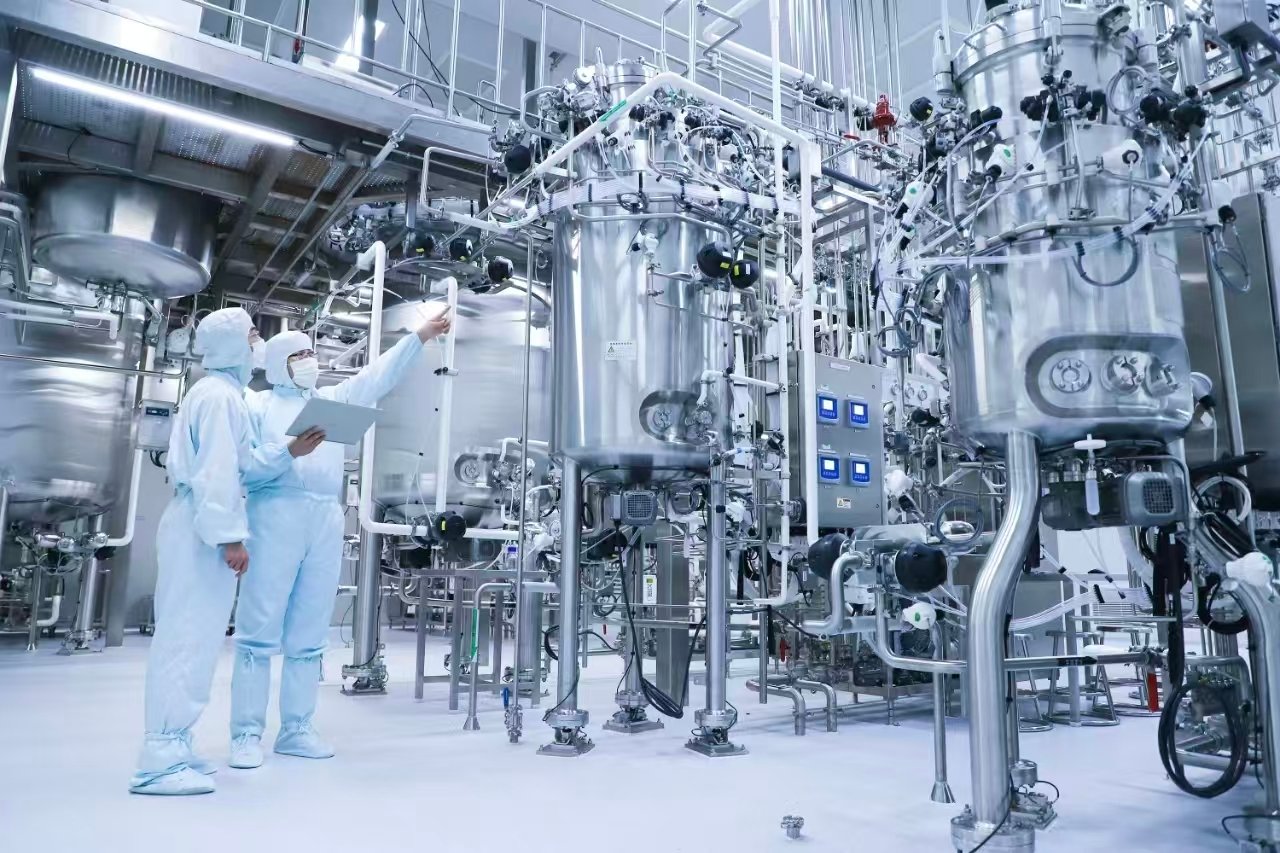
1. Definition and Functions
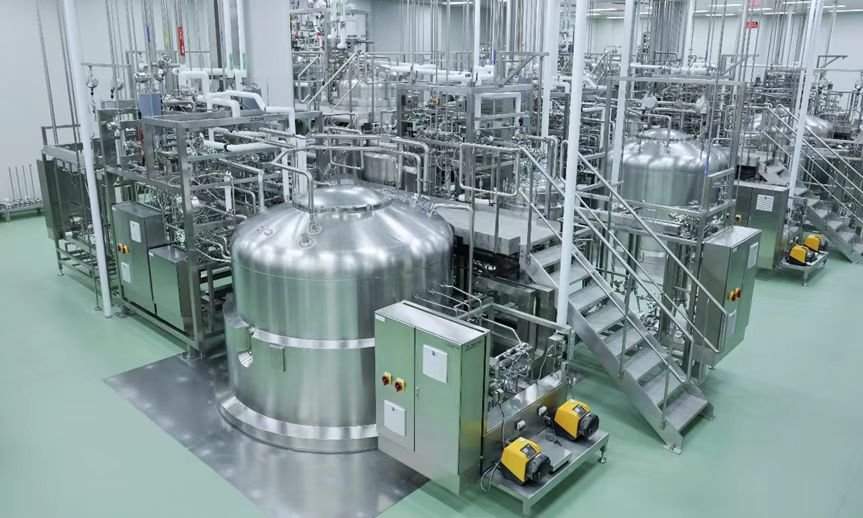
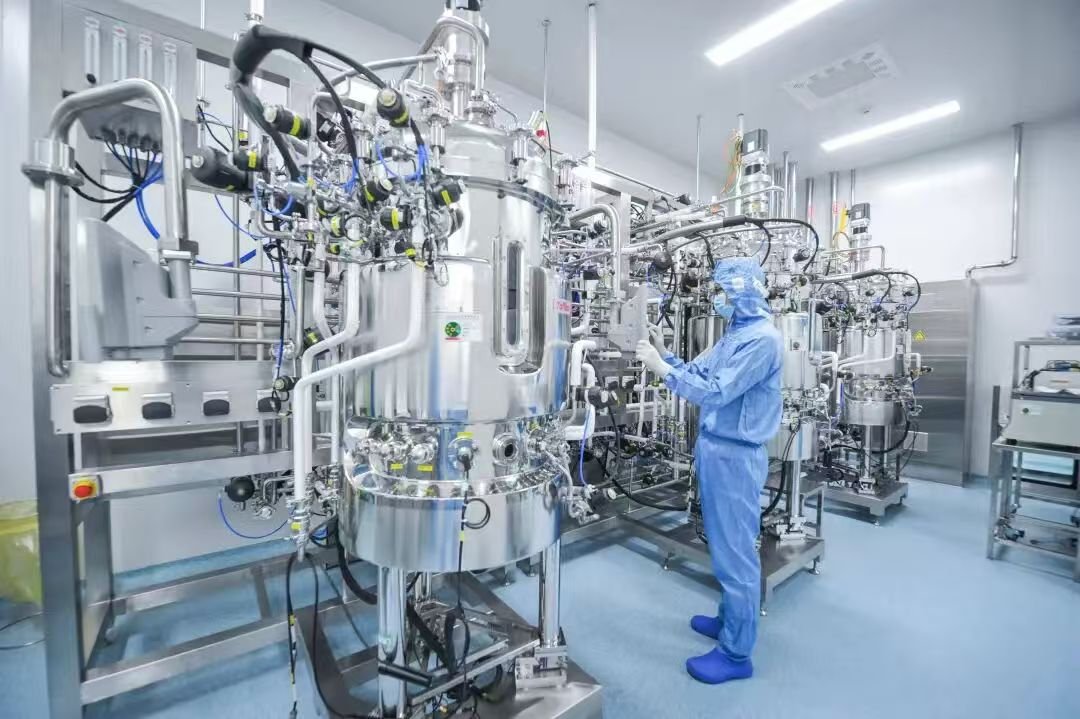
A stainless steel bioreactor refers to a pressure-resistant vessel fabricated from food-grade or pharmaceutical-grade stainless steel, which is engineered to sustain controlled biochemical and biological processes including microbial fermentation and mammalian cell culture. Featuring high mechanical strength, superior corrosion resistance, high-temperature tolerance, and cleanability, such bioreactors serve as core processing equipment in modern biomanufacturing systems.
The primary functions of stainless steel bioreactors are summarized as follows.
First, they provide a stable and precisely regulated microenvironment for bioprocess progression. Equipped with integrated monitoring and control modules, these systems maintain optimal setpoints of temperature, pressure, pH, and dissolved oxygen throughout cultivation, thereby maximizing cell growth viability and target metabolite biosynthesis efficiency.
Second, they ensure sufficient oxygen mass transfer for aerobic bioprocesses. Through mechanical agitation and sterile aeration devices, bioreactors enhance oxygen dissolution and uniform distribution in broth media, eliminating oxygen limitation and improving reaction rates and product yields.
Third, optimized agitation systems facilitate homogeneous mixing of substrates, cells, and culture media, enabling full contact between biological catalysts and nutrients to enhance bioreaction efficiency and product homogeneity.
Fourth, the fully enclosed structural design effectively prevents exogenous microbial contamination while supporting automated cleaning and sterilization procedures, which simplifies operational workflows and enables repeated equipment utilization.
Fifth, such bioreactors support scalable bioproduction, with modular design compatible with process scale-up from laboratory trials to industrial manufacturing and seamless integration into automated bioproduction lines.
2. Main Components
A stainless steel bioreactor consists of multiple interdependent functional modules that collaboratively guarantee efficient, stable, and safe bioprocess operation, with key components detailed below.
Reactor Vessel: As the core structural component, the stainless steel vessel withstands variations in internal pressure and temperature during operation. Its robust mechanical properties and chemical inertness ensure structural stability and bioprocess safety under long-term continuous operation.
Agitation System: Composed of impellers, stirring shafts, and driving motors, this system delivers mechanical mixing power to homogenize culture media, disperse gas bubbles, and prevent cell sedimentation, ensuring uniform mass and heat transfer within the reactor.
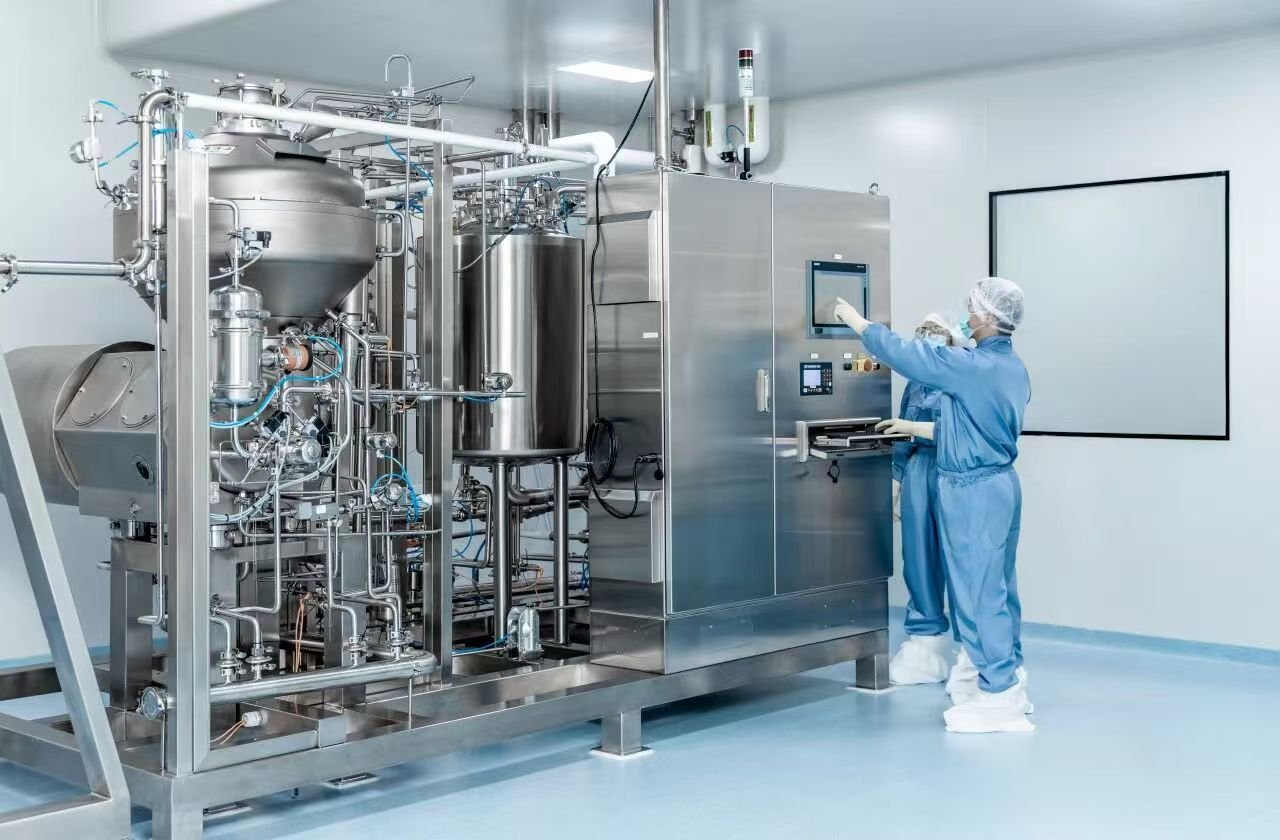
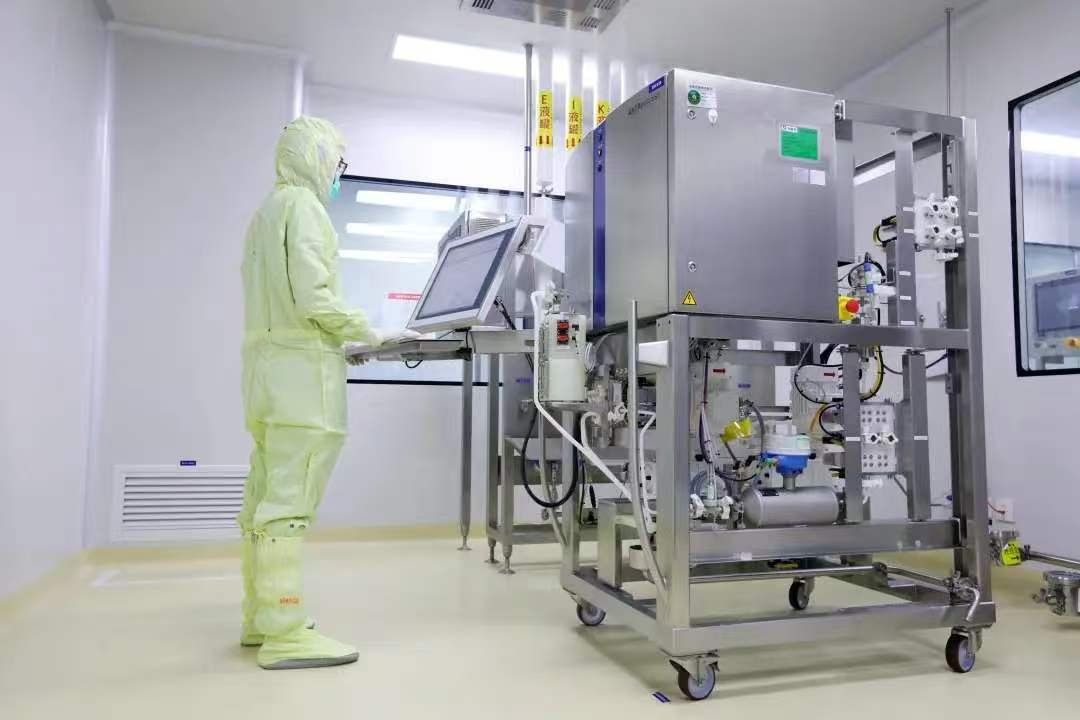
Process Control System: This intelligent system integrates high-precision sensors, programmable controllers, and feedback regulation mechanisms. It real-timely monitors and dynamically adjusts critical operational parameters including temperature, pressure, pH value, and dissolved oxygen concentration, maintaining standardized bioprocess conditions and consistent product quality.
Gas Supply System: Consisting of gas inlet ports, flow control valves, and sparging devices, this module precisely regulates the flow rate and pressure of sterile air, oxygen, or inert gas, achieving stable and uniform gas supplementation for aerobic or anaerobic bioreactions.
Temperature Regulation System: Equipped with heating and cooling units, the system precisely controls the internal temperature of the reactor, offsetting metabolic heat generation and environmental temperature interference to sustain constant optimal cultivation temperature.
Feeding and Discharging System: Composed of pipelines, delivery pumps, and control valves, this system enables sterile, quantitative input of culture media and nutrients as well as safe and efficient collection of fermentation products, supporting continuous and semi-continuous bioproduction modes.
CIP Cleaning and Sterilization System: Fitted with spray nozzles and disinfectant delivery units, this system performs automated in-place cleaning and sterilization, eliminating residual metabolites and microorganisms to prevent cross-contamination between batches and meet GMP production requirements.
3. Classification
Stainless steel bioreactors can be categorized into multiple types based on scale, operational mode, reaction principle, structural configuration, and application scenarios.
Classification by Scale: Bioreactors are divided into laboratory-scale, pilot-scale, and industrial-scale models. Laboratory-scale reactors are applied in basic biological research and process exploration; pilot-scale reactors serve for process verification, parameter optimization, and scale-up feasibility assessment; industrial-scale reactors are deployed for large-scale commercial biomanufacturing.
Classification by Reaction Mode: They are classified as batch, continuous, and fed-batch (semi-continuous) bioreactors. Batch reactors complete substrate feeding, bioreaction, and product harvesting in a single independent cycle. Continuous reactors realize uninterrupted substrate supplementation and product outflow to achieve steady-state continuous production. Fed-batch reactors combine the advantages of batch and continuous modes, with intermittent or continuous substrate supplementation to extend the reaction cycle and increase product accumulation.
Classification by Automation Level: The equipment is divided into manual, semi-automatic, and fully automatic bioreactors. Manual reactors rely on manual regulation of stirring speed, temperature, and pH parameters. Semi-automatic reactors adopt partial automated modules for auxiliary control. Fully automatic reactors achieve full-process intelligent control and data recording via computerized control systems.
Classification by Shape and Structure: Common types include tank-type, tubular, and tower-type bioreactors. Tank-type reactors are the most widely applied cylindrical vessels suitable for liquid-phase microbial fermentation and cell culture. Tubular reactors consist of series-connected tubular units for continuous flow bioreactions. Tower-type reactors feature vertical tower structures and are primarily applicable to gas-solid and gas-liquid heterogeneous bioprocesses.
Classification by Application Field: They are categorized into cell culture bioreactors, microbial fermentation bioreactors, and enzyme bioreactors. Cell culture bioreactors are dedicated to mammalian cell and insect cell culture for biopharmaceutical production. Microbial fermentation bioreactors are designed for the cultivation of bacteria, yeast, and fungi to synthesize microbial metabolites. Enzyme bioreactors are specialized equipment for enzymatic catalytic reactions.
4. Advantages and Limitations
Core Advantages: Stainless steel bioreactors exhibit prominent superiorities in biomanufacturing. First, excellent corrosion resistance enables long-term stable operation in acidic, alkaline, and oxidative culture environments, extending equipment service life. Second, high mechanical strength and structural rigidity allow the equipment to withstand high temperature and pressure loads, ensuring operational safety and stability under extreme process conditions. Third, the smooth and non-adhesive inner surface facilitates thorough cleaning and sterilization, effectively reducing residual contamination risks and meeting strict sanitary standards. Fourth, high-precision parameter regulation capabilities enable fine optimization of bioprocesses, significantly improving reaction stability and product quality consistency. Fifth, the scalable modular design supports flexible switching among laboratory research, pilot testing, and industrial production, delivering strong process adaptability.
Main Limitations: The application of stainless steel bioreactors is restricted by certain inherent drawbacks. Primarily, high raw material and manufacturing costs lead to substantial initial investment. Additionally, high-end fields such as biopharmaceuticals impose stringent requirements on material purity, surface finish, and sterilization reproducibility, raising process control difficulties. Moreover, the relatively low heat transfer efficiency of stainless steel results in prolonged heating and cooling cycles, increasing energy consumption and overall process duration. Furthermore, the structural characteristics limit the application of extreme process conditions such as ultra-high shear force and ultra-high gas flux, restricting the processing capacity for special bioprocesses.
5. Applications
Stainless steel bioreactors are indispensable core equipment widely applied in bioengineering and interdisciplinary fields.
Biopharmaceuticals: They are extensively utilized for the manufacturing of monoclonal antibodies, vaccines, growth factors, antibiotics, and other biotherapeutics. The stable and controllable culture environment supports efficient proliferation of mammalian cells and functional microbial strains, ensuring high yield and high purity of pharmaceutical products.
Food Fermentation Industry: The equipment is applied in the industrial production of fermented foods including yogurt, soy sauce, edible alcohol, and bakery fermented products. By precisely regulating fermentation parameters, it optimizes microbial metabolic pathways to improve product flavor, quality, and production efficiency.
Bioenergy Industry: Bioreactors are employed for the bioconversion of biomass resources, producing renewable biofuels such as bioethanol and biodiesel. Microbial fermentation and enzymatic catalysis are adopted to convert agricultural and forestry biomass into clean energy alternatives to fossil fuels.
Environmental Bioengineering: They play a vital role in wastewater treatment, soil bioremediation, and organic waste degradation. Functional microorganisms cultivated in bioreactors can efficiently decompose organic pollutants and adsorb heavy metal ions, achieving ecological environment purification.
Scientific Research: The equipment serves as a key experimental platform for cell culture, protein expression, microbial metabolic mechanism research, and bioprocess optimization, providing technical support for the innovation and industrial transformation of biotechnology theories.
6. Development Trends
Driven by the rapid advancement of synthetic biology, intelligent manufacturing, and precision biomanufacturing technologies, stainless steel bioreactors are evolving toward intelligent digitization, high-efficiency mass transfer, green energy conservation, and flexible modularization.
Firstly, with the integration of big data, machine learning, and IoT monitoring technologies, bioreactors realize real-time data mining, predictive fault early warning, and closed-loop intelligent optimization of process parameters, significantly enhancing the automation and reproducibility of biomanufacturing.
Secondly, innovative structural designs such as optimized impeller configurations and enhanced aeration systems effectively improve oxygen mass transfer efficiency and mixing uniformity, breaking through the efficiency bottlenecks of traditional bioreactors in high-density culture.
Thirdly, energy-saving temperature regulation systems and efficient CIP sterilization technologies reduce energy consumption and water resource waste, complying with the development requirements of green and low-carbon biomanufacturing.
Fourthly, modular and skid-mounted integrated design enables rapid equipment assembly, process switching, and production scale adjustment, adapting to the personalized and flexible production demands of biopharmaceuticals and special biological products. In addition, the cross-integration of bioreactor technology with cell engineering and synthetic biology further expands its application boundaries, laying a solid foundation for the large-scale industrialization of emerging biotechnologies.
As a leading process-oriented engineering company, Sino Bioengineering delivers professional bioengineering solutions and comprehensive technical services to clients worldwide.
For more products and solutions: https://sinobioengg.com/category/solution/
For more service: https://sinobioengg.com/category/service/