

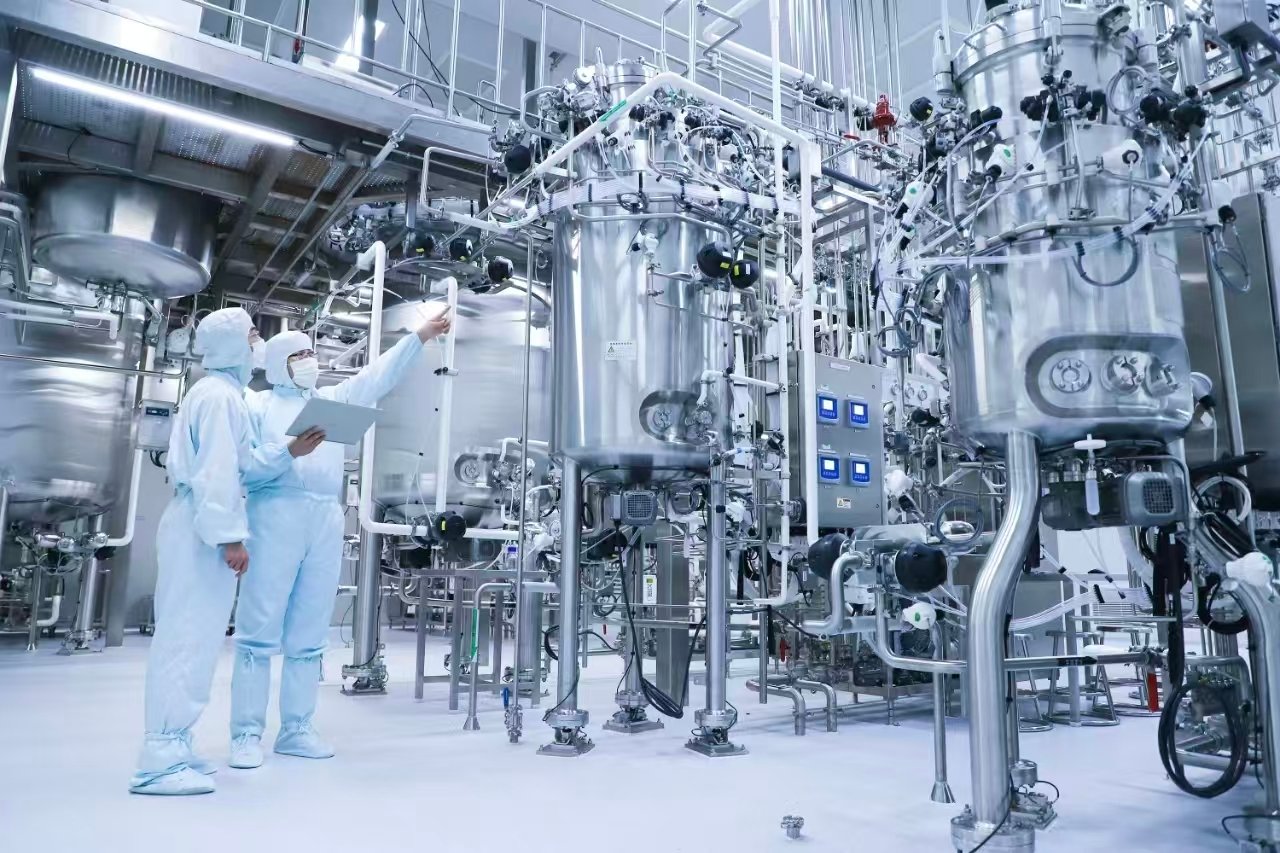
Hydrogen Peroxide (chemical formula: H2O2), commonly known as hydrogen peroxide solution in its aqueous form, is a strong oxidizing agent. It is typically applied at concentrations of 30% or 35%. Capable of effectively inactivating bacteria, viruses, fungi and bacterial spores, it serves as a broad-spectrum biocide. As hydrogen peroxide decomposes into harmless by-products, it has been widely adopted for sterilization in pharmaceutical cleanrooms, food, healthcare and chemical industries, and is currently recognised as one of the most ideal sterilants worldwide.
01 Sterilization Mechanism of Hydrogen Peroxide
Four mainstream hydrogen peroxide sterilization technologies are available: Aqueous Hydrogen Peroxide (AHP), Vaporized Hydrogen Peroxide (VHP), Hydrogen Peroxide Plasma (HPP), and Hydrogen Peroxide Vapor (HPV). Among these technologies, VHP stands out as a rapid and efficient sterilization method featuring ambient-temperature operation, high concentration and dry-state characteristics.
The bactericidal mechanism of hydrogen peroxide [1-8] involves two free radicals: superoxide radical (O2−) and hydroxyl radical (OH⋅). These radicals attack and degrade proteins, polysaccharides and DNA. Oxidized bases are identified and cleaved by DNA repair mechanisms, resulting in single-strand breaks of DNA molecules. The number of DNA breaks rises with prolonged exposure time and elevated hydrogen peroxide concentration. Hydrogen peroxide exerts prominent degradation effects on proteins: proteins undergo cross-linking in the liquid phase, while they are broken down into smaller peptides in the vapor phase, delivering superior sterilization performance. Overall, the sterilization mechanisms of hydrogen peroxide fall into two categories:
Hydrogen peroxide disrupts the outer protective structures of microorganisms, altering permeability and triggering osmotic imbalance. Such damage impairs the intracellular and extracellular equilibrium of microbial cells and ultimately leads to microbial death.
Hydrogen peroxide inactivates microorganisms by destroying their enzymes, proteins and DNA.
02 Latest Progress and Status of Vaporized Hydrogen Peroxide Sterilization Technology
The bactericidal efficacy of liquid hydrogen peroxide was verified more than a century ago; however, residual substances generated after application require additional treatment. The sterilization principle of vaporized hydrogen peroxide was proposed in the early 1980s. Substantial experimental validation [9] confirms that vaporized hydrogen peroxide exhibits stronger sporicidal activity against Bacillus subtilis subsp. spores compared with Geobacillus stearothermophilus spores.
At present, vaporized hydrogen peroxide sterilization has become one of the core biodecontamination technologies in Europe and North America. Two mainstream technical routes dominate the market: dry VHP sterilization represented by STERIS (USA) and wet fog HPV sterilization developed by BIOQUELL (UK).
Studies indicate that vapor-phase hydrogen peroxide achieves equivalent sterilization efficacy within shorter cycles than liquid hydrogen peroxide. It has been found that vaporized hydrogen peroxide at 750–2000 ppm delivers sterilization performance comparable to 30,000 ppm liquid hydrogen peroxide, demonstrating higher sterilization efficiency of the vapor form.
03 Efficacy Evaluation of Vaporized Hydrogen Peroxide Sterilization
3.1 Sterilization Target
Sterilization refers to a validated process to eliminate all forms of viable microorganisms, including vegetative bacteria, bacterial spores, viruses and fungal spores. The pharmaceutical industry adopts the internationally recognised Sterility Assurance Level (SAL) to evaluate sterilization process performance. SAL defines the probability of viable microorganisms remaining on products after sterilization; a lower SAL value indicates a lower likelihood of microbial survival. International standards stipulate that the SAL for steam sterilizers shall not exceed 10−6, meaning the probability of surviving microorganisms after sterilization shall be no greater than one in a million. In accordance with technical specifications for disinfection, the sterilization target is defined as achieving a 6-log reduction of biological indicators (BIs). Common biological indicators include Bacillus subtilis var. niger and Geobacillus stearothermophilus.
3.2 Layout of VHP Equipment
The supply duct of the VHP generator is connected to the supply air duct of the cleanroom HVAC system. Vaporized hydrogen peroxide is delivered to the target cleanroom via the clean supply air duct, and circulates back to the air handling unit through the return air duct of the sterilization zone, enabling circulating ventilation for sterilization. This circulation ensures uniform diffusion of VHP to all target areas.
3.3 Preparation of Test Materials
Adequate preparation of test materials and protocols prior to testing is critical to guarantee accurate and reliable results. Test materials shall be prepared at specified purity and concentration as required by the test protocol.
Test strains: Bacillus subtilis var. niger and Geobacillus stearothermophilus
Carrier substrates: stainless steel coupons and PTFE gaskets; inoculation load controlled at 1∼5×10⁶ cfu per carrier
Culture media: Tryptic Soy Agar (TSA) and Tryptic Soy Broth (TSB), autoclaved prior to use
Sampling layout strategy: sampling points shall be arranged in each room, with critical evaluation locations selected at areas remote from the VHP generator and far from room return air outlets.
3.4 Acceptance Criteria for Qualified Sterilization
Control group: recovered microbial count reaches 1∼5×10⁶ cfu per carrier; positive control shows microbial growth; negative control shows no microbial growth.
Test group: no microbial growth observed.
04 Application of Vaporized Hydrogen Peroxide Space Sterilization in Vaccine Production
In 2023, the author participated in a new-build pneumococcal polysaccharide conjugate vaccine workshop project of a domestic vaccine manufacturer. Core production zones include seed culture rooms, Ps fermentation & primary purification rooms, Ps purification rooms, rPly fermentation & primary purification rooms, rPly purification rooms, buffer preparation rooms, media preparation rooms, CIP stations, lyophilisation suites and formulation areas. Frequent transfer of raw materials and process intermediates imposes a demand for an efficient, reliable sterilization method for surfaces of materials, equipment and enclosed spaces. Meanwhile, minimising overall cycle time is required to accelerate material transfer. Three major challenges were identified for this project:
High sterilization frequency requiring minimised cycle duration
Minimal impact of sterilization cycles on cleanroom environment
Guarantee of personnel safety and environmentally benign exhaust emissions
Based on the above considerations, a sterilization scheme integrating fixed VHP generators with the cleanroom HVAC system was adopted for the project.
4.1 Configuration and Process of the VHP System
4.1.1 System Composition of VHP Equipment
The VHP system consists of hydrogen peroxide generators, dehumidification units, control modules and piping & valve assemblies. Main equipment components include cabinet housings, supply fans, liquid storage tanks, metering pumps, preheaters and evaporators. The control system comprises a Siemens PLC, touchscreen and printer, responsible for process monitoring, automatic control, data recording and status supervision of the VHP system. The system supports standalone operation or coordinated control via the cleanroom HVAC system, which manages start/stop, ventilation circulation, data acquisition and status monitoring of the VHP installation. Piping and valve assemblies include stainless steel automatic control valves, silicone tubing, CPVC and stainless steel air ducts.
4.1.2 Process Flow of the VHP System
The VHP generator is connected to the supply air duct of the cleanroom HVAC system. 35% hydrogen peroxide solution is flash-vaporised into VHP inside the generator. VHP is conveyed via distribution piping into the HVAC supply duct, and uniformly distributed to all target zones through HEPA terminal diffusers installed on cleanroom ceilings. VHP concentration is maintained for a defined duration with continuous HVAC circulation to achieve effective sterilization of enclosed spaces, equipment and material surfaces within clean areas.
4.1.3 Operating Cycle of the VHP System
Step 1: Dehumidification Reduce relative humidity of the enclosed space to meet VHP sterilization requirements. For clean zones, relative humidity is controlled below 60%, consistent with routine cleanroom humidity specifications. During this phase, the isolating valve between the VHP generator and HVAC duct remains closed to maintain normal HVAC operation.
Step 2: Conditioning Adjust hydrogen peroxide injection rate to rapidly raise VHP concentration. The outdoor air intake and exhaust dampers of the HVAC system are closed; chilled water and heating media supply to the air handler are shut down. All air volume regulating dampers from the HVAC supply duct to individual rooms are fully opened, together with the isolating valve connecting the VHP generator supply duct to the HVAC system. The VHP generator is activated to deliver vaporised hydrogen peroxide into the HVAC system, which is then distributed to target clean zones via ceiling HEPA filters. Relative humidity within the HVAC loop is maintained at approximately 55% during conditioning.
Step 3: Sterilization Exposure Maintain target VHP concentration to achieve sterilization of HVAC ductwork, room enclosures and equipment. Sufficient exposure time ensures validated microbial inactivation.
Step 4: Aeration Upon completion of sterilization, the VHP generator and its supply isolating valve are closed. Outdoor air intake is activated for full purging to rapidly reduce VHP concentration within the treated space. Residual hydrogen peroxide passes through catalytic decomposers on exhaust pipelines before discharge to atmosphere. The aeration phase terminates once space hydrogen peroxide concentration drops below 1 ppm, and the HVAC system resumes normal operational mode.
4.1.4 Sterilization Parameter Settings
Accurate parameter configuration is essential to guarantee sterilization efficacy, tailored to equipment characteristics and compatibility of exposed materials.
VHP concentration: 650 mg/m3
Room temperature: 24∼26∘C
Room relative humidity: ≤55%
Room air change rate: >15 air changes/hour
4.2 Cleanroom Envelope Design for VHP Sterilization
The airtightness of cleanroom envelopes significantly affects VHP sterilization performance. Improper temperature and humidity control may cause condensation of liquid hydrogen peroxide, which can induce corrosion of envelope materials.
4.2.1 Sandwich Panels
The cleanroom envelope of this pneumococcal polysaccharide conjugate vaccine project adopts 50 mm thick metal sandwich panels.
Wall panels: hand-made double magnesium oxide rock wool sandwich panels with 0.5 mm double-sided off-white PVDF prepainted steel sheets; 5 mm magnesium oxide boards bonded internally, filled with rock wool of bulk density ≥ 120 kg/m³. Adhesive is fully applied on all joint and sealing surfaces to ensure firm bonding between facings and core materials without hollowing, delamination or cracking. Panels are edged with 0.8 mm galvanised steel framing and secured via spring clip fixing on thick wall sections.
Ceiling panels: PVDF coating on the cleanroom-facing side and PE polyester coating on the technical plenum side. Coating specifications are clearly marked on protective films; other fabrication requirements are consistent with wall panels. Installation gaps between panels are controlled uniformly at 2–3 mm. After surface cleaning, gaps are sealed on both sides with elastic sealant. All internal joints within cleanrooms utilise food-grade neutral silicone sealant Model 798.
4.2.2 Flooring
4–5 mm thick polyurethane quartz sand flooring is selected, featuring outstanding corrosion resistance, high abrasion resistance and Class A fire performance.
4.2.3 Panel Doors
Melamine resin faced doors with smooth surface, 50 mm thick aluminium honeycomb core. Doors are fitted with double glazed observation windows filled with inert gas, using 5 mm tempered glass flush with panel surfaces. Frame joints are sealed with sealant. Continuous hollow silicone gaskets are installed around door perimeters without edge curling, dislodgement, gaps or fractures; the gaskets are resistant to VHP exposure.
4.3 Cleanroom HVAC System Design Adapted to VHP Sterilization
In modern cleanroom design, VHP sterilization is an integral consideration. Envelope structures and HVAC systems must be engineered to accommodate VHP operation to guarantee system integrity and consistent sterilization efficacy.
4.3.1 Integration of VHP System with Cleanroom HVAC
Combining the VHP generator with the cleanroom HVAC system enables higher efficiency and precise control of sterilization cycles.
4.3.2 Vapor Injection Configuration
The VHP supply duct penetrates vertically into the HVAC supply air duct, with the outlet oriented downstream in line with the main airflow direction.
4.3.3 Material Selection for HVAC Systems
Material selection for HVAC ductwork requires comprehensive evaluation of material performance, cost, durability and environmental impact. Appropriate material specification ensures long-term reliable operation, extends service life and minimises environmental risks.
Supply, return and exhaust air ducts are fabricated from 304 stainless steel by folding forming, sheet thickness 0.5 mm.
HEPA plenum boxes above cleanroom ceilings are also constructed from 304 stainless steel; HEPA filters adopt aluminium frames. All joints between plenums and filter housings are fully welded to ensure airtightness and structural integrity. Filter media consists of glass fibre. Polyurethane is used to seal filter media to frames, and silicone gel is applied for liquid seal potting.
All AHU components exposed to VHP airflow are manufactured from materials resistant to hydrogen peroxide vapour.
4.4 Routine Operation and Maintenance of the VHP System
Regular inspection and maintenance are required to sustain reliable VHP system performance.
The facility engineering department shall develop SOPs for routine operation, periodic maintenance and service schedules in accordance with manufacturer guidelines and field operational experience. Critical spare parts shall be stocked for failure-prone components.
All measuring instruments shall be included in the metrology control programme to maintain measurement accuracy.
Training programmes shall be established for operators and maintenance personnel.
05 Conclusion
Based on an overview of hydrogen peroxide sterilisation technologies and comparative analysis of mainstream processes, this paper presents the practical implementation of VHP space sterilisation within a pneumococcal polysaccharide conjugate vaccine production cleanroom. Integrating the full VHP cycle with the building HVAC system delivers good operability and process validatibility, satisfying project requirements for high-frequency sterilisation and shortened cycle times. This case provides a practical reference for enclosed space sterilisation in pharmaceutical manufacturing.