

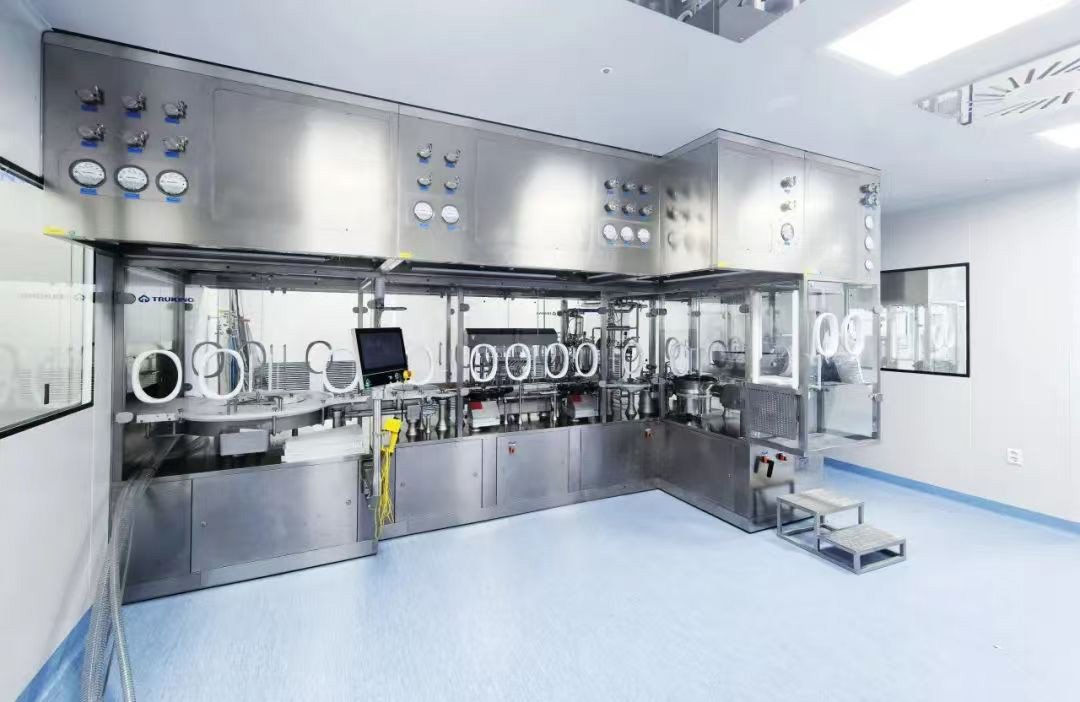
Contamination constitutes the greatest threat to pharmaceutical quality, and contamination control is a core component of pharmaceutical manufacturing quality management. Control over microbial, pyrogen and particulate contamination represents a central focus of quality management for aseptic medicinal products. Multiple historical pharmaceutical safety incidents have been linked to contamination of aseptic preparations. Non-terminally sterilized aseptic preparations encompass products amenable to sterile filtration and those that cannot be sterile-filtered; they are manufactured via aseptic processing and carry elevated sterility assurance risks. Microbial control and aseptic operation throughout production are critical to guaranteeing product sterility. Risks to sterility assurance mainly arise from microbial load control across all stages of the aseptic process, reliability of sterilization and sterile filtration processes, seal integrity of packaging containers, validation of aseptic process simulation, and maturity of the sterility assurance management system.
Within pharmaceutical production, material management is pivotal to securing product quality and manufacturing efficiency, while cross-contamination stands out as a prominent risk during material handling and transportation. Article 5 of the Annex for Sterile Medicinal Products of the 2010 Revision of Good Manufacturing Practice (GMP) stipulates that personnel, equipment and materials for aseptic drug production shall enter clean areas via airlocks. Where materials are transported by continuous mechanical conveyance, positive airflow protection shall be implemented with differential pressure monitoring. The 2025 draft revised Annex for Sterile Medicinal Products further incorporates pass-through hatches as acceptable transfer routes in addition to airlocks.
Material transfer is a key link in material management and an indispensable part of manufacturing non-terminally sterilized aseptic preparations. Transfer activities are affected by multiple factors including materials, personnel and documentation. Among all transfer workflows, material ingress into Grade B clean areas carries notable contamination risks, with potential for contaminants to propagate further into Grade A zones.
In accordance with GMP standards, cleanrooms for aseptic pharmaceutical production are classified into four grades: Grade A, B, C and D. High-risk operations such as aseptic compounding and filling must be performed within Grade A clean areas maintained under unidirectional airflow, whereas Grade B serves as the background environment for Grade A zones (excluding isolators). Material ingress into Grade B clean areas is a core procedure to effectively control microbial contamination during the production of non-terminally sterilized aseptic preparations. Deficiencies in this procedure may exert direct adverse impacts on pharmaceutical quality and introduce latent hazards, representing a common challenge faced by numerous manufacturers. Combining practical production experience for non-terminally sterilized products, this paper conducts an in-depth analysis of prevailing approaches for material ingress into Grade B clean areas and proposes feasible solutions.
1 Classification of Materials Entering Grade B Clean Areas
GMP imposes stringent requirements on material classification and management. Enterprises deliver raw materials, excipients, packaging materials and production auxiliary supplies (including consumables, auxiliary articles for production areas and test materials) into Grade B clean areas in line with production requirements, and establish corresponding transfer procedures and documentation management systems to minimize contamination risks arising from cross-grade material movement. In this paper, materials entering Grade B clean areas are categorized based on whether they come into direct contact with the product or the surface of primary packaging containers.
2 Material Ingress Methods and Associated Risks
Article 59 of the GMP Annex for Sterile Medicinal Products specifies that packaging materials, containers, equipment and any other articles used in aseptic production shall be sterilized and transferred into aseptic production areas via double-door sterilizers, or introduced by alternative means provided contamination ingress is avoided. The 2025 draft consultation document further states that articles not susceptible to sterilization shall be admitted to aseptic production areas via validated alternative approaches, such as effective surface disinfection, rapid transfer systems integrated with isolators, or sterile filtration for gaseous and liquid materials. During the manufacture of non-terminally sterilized aseptic preparations, pharmaceutical enterprises generally adopt the following approaches to transfer materials into Grade B clean areas.
2.1 Moist Heat Sterilization
Moist heat sterilization exposes articles inside sterilizers to high-pressure saturated steam or superheated water spray, denaturing proteins and nucleic acids within microbial cells to achieve microbial inactivation. As the most potent and widely applied thermal sterilization technique, it delivers robust sterilization performance. For non-terminally sterilized aseptic preparations, moisture- and heat-resistant items including containers, culture media, aseptic gowns, rubber stoppers, aluminium caps, stainless steel production tools and other utensils are typically transferred from Grade C to Grade B clean areas via steam autoclaves. In compliance with GMP requirements, pharmaceutical enterprises deploy automatic control and monitoring systems for steam autoclaves supported by comprehensive documentation, and periodically validate sterilization performance, loading patterns and load contents. Sterilization efficacy is commonly assessed using biological indicators and sterilization indicator labels fitted to breathable bags, offering convenient and efficient confirmation of sterilization outcomes. Accordingly, moist heat sterilization represents a prevalent and reliable route for transferring autoclave-compatible articles into Grade B clean areas.
2.2 Tunnel Oven Sterilization
During filling operations for non-terminally sterilized aseptic preparations such as vial formulations, primary packaging components including vials enter filling suites via depyrogenation tunnel ovens. This transfer mode relies heavily on aseptic process simulation validation, equipment qualification and routine maintenance, forming a decisive link in guaranteeing aseptic filling operations. Tunnel depyrogenation ovens operate through recirculating dry heat convection, deploying vertically laminar hot air filtered by HEPA filters to achieve sterilization. Process validation primarily focuses on homogeneity of thermal distribution and endotoxin reduction capacity. Key qualification items for tunnel ovens include empty-chamber heat distribution, loaded heat distribution, loaded heat penetration, biological indicator challenge tests, bacterial endotoxin challenge tests, airborne particle levels inside the tunnel, mesh belt conveying speed and vial temperature at the cooling section outlet. Tunnel oven sterilization constitutes a critical unit operation within aseptic pharmaceutical manufacturing. Personnel training, documentation control, equipment operation, maintenance and validation attract rigorous attention both in routine production and regulatory inspections. Deficiencies identified during internal audits and regulatory inspections can be rectified promptly and effectively to sustain sterilization efficacy.
2.3 VHP Decontamination Chambers
Vaporized Hydrogen Peroxide (VHP) decontamination chambers function as sterilization equipment. Free hydroxyl radicals generated during the decomposition of vaporized hydrogen peroxide disrupt cellular components and achieve microbial inactivation. The equipment conducts surface decontamination of transfer windows and incoming materials via VHP fumigation, exhibiting powerful sporicidal activity and thorough decontamination performance. A typical system comprises a control module, decontamination chamber, hydrogen peroxide reservoir and associated auxiliary components. For non-terminally sterilized aseptic production, materials incompatible with moist heat sterilization can be transferred into Grade B zones via VHP decontamination chambers to enable validated, cross-grade aseptic conveyance. Compared with traditional transfer methods, VHP chambers deliver a verifiable and more effective transfer solution. Nevertheless, as VHP technology has gained widespread adoption only in recent years, many manufacturers face challenges including facility renovation and higher procurement and operating costs. Additionally, vapor cannot penetrate sealed packaging cavities. Corrosion risks and residual hydrogen peroxide resulting from VHP exposure may alter the physical or chemical properties of certain materials. Consequently, articles intolerant to VHP fumigation require alternative transfer pathways, limiting the scope of VHP chamber application.
2.4 Multi-Stage Unpacking Transfer
For materials pre-sterilized and enclosed within hermetic packaging, multi-stage unpacking transfer may be adopted when VHP fumigation infrastructure is unavailable. Typical examples include commercially sourced environmental monitoring contact plates, single-use disinfectants, pre-sterilized disposable rubber gloves, sterile wipe cloths and pens. Such materials are sterilized by suppliers or on-site via gamma irradiation or ethylene oxide treatment, and transferred into Grade B areas through sequential unpacking procedures. Multi-stage unpacking transfer is performed within airlocks or pass-through hatches using disinfectants validated and approved by the facility. The transfer workflow generally starts from the non-classified unpacking zone and terminates at the point of use inside Grade B, crossing three cleanliness boundaries: unclassified area → Grade D, Grade D → Grade C, Grade C → Grade B. The extended operating sequence poses challenges for objective monitoring through video surveillance or equipment audit trails. Compared with transfer solutions such as VHP chambers, multi-stage unpacking carries major variability introduced by human operation. Aseptic assurance depends on multiple factors covering operator aseptic awareness, compliance with operating procedures and bioburden levels of transfer utensils. These stages contain blind spots for management, monitoring and validation, constituting critical contamination risk points for Grade B clean areas.
2.5 Surface Disinfection with Chemical Biocides
Disinfectants play an essential role in controlling microbial contamination and safeguarding sanitary conditions within clean areas for non-terminally sterilized aseptic manufacturing. They are chemical agents capable of reducing viable microbial populations to acceptable safety thresholds. Common surface disinfectants deployed for cross-grade material transfer include 75% ethanol, 6% hydrogen peroxide and compound hydrogen peroxide formulations. Seventy-five percent ethanol is effective against enteropathogens, pyogenic cocci, pathogenic yeasts and prevalent nosocomial bacteria, while 6% hydrogen peroxide is routinely applied as a sporicide targeting vegetative bacteria, yeasts, viruses, mould spores and bacterial endospores. Precision instruments and electronic equipment incompatible with moist heat sterilization and VHP fumigation – such as electronic balances, airborne particle counters, tablet computers and power adapters – are typically subjected to surface spraying with sporicidal agents prior to transfer via air showers, followed by terminal space decontamination inside Grade B. Disinfection efficacy is influenced by disinfection mechanism, contact time, substrate material and operator spraying/wiping practice. Factors including substrate compatibility and disinfectant concentration can be controlled through disinfectant efficacy validation and procurement of qualified commercial biocides. In contrast, variable parameters such as required contact duration and operator technique remain difficult to monitor directly and can only be managed through documented procedures, personnel training and supporting record-keeping.
2.6 Airlocks and Material Decontamination Rooms
The 2010 GMP mandates the implementation of measures to prevent contamination and cross-contamination during production, including installation of appropriate airlocks and exhaust systems. Airlocks are designed to regulate airflow during personnel or material transit and are divided into personnel airlocks and material airlocks. In accordance with EU GMP Annex 1, materials transferred into Grade A and Grade B zones via airlocks or transfer chambers must comply with cleanroom pressure gradient requirements. Materials crossing cleanliness boundaries to enter Grade B may be routed through material airlocks or decontamination pass-through rooms/hatches. Interlocked single-door operation prevents infiltration of unfiltered external air into cleanrooms, while air showers deploy high-velocity clean airflow (≥25 m/s) to dislodge particulate contaminants from material surfaces. It should be noted that this transfer mode functions solely as a physical buffer rather than a sterilization technique, and is commonly combined with chemical disinfection and multi-stage unpacking in aseptic workflows. Large-sized or structurally complex articles including equipment and tablet computers may not receive comprehensive disinfection or complete air shower treatment, creating risks of contaminant ingress. Furthermore, disinfection and air shower effectiveness are highly dependent on operator practice, potentially leading to incomplete surface coverage, insufficient contact time and blind zones within air shower coverage.
In summary, material ingress routes into Grade B clean areas can be classified into sterilization-based methods and buffer-based transfer methods. Sterilization techniques deliver clearly verifiable microbial inactivation outcomes, support robust in-process control and auditability, minimize human intervention and associated risks, yet impose higher demands on facility utilities, equipment and operator proficiency. Buffer-based transfer approaches inherently carry elevated risks of contamination introduction. Where no superior alternative is available, compliant material transfer can still be achieved under appropriate risk assessment and implementation of targeted contamination control strategies to satisfy GMP expectations.
3 Proposed Mitigation Strategies
3.1 Control of Material Transfer Workflows
To address prevailing risks associated with material ingress into Grade B clean areas, defined transfer pathways shall be established to reduce human interference. Approved material inventories shall be formally documented, specifying permitted item categories and quantities for Grade B entry. Best practice involves compiling inventories based on statistical analysis of routine production demand, subject to periodic review and revision to maintain controllable stock levels inside Grade B and restrict admission of non-listed articles. A formal evaluation and approval workflow shall be instituted if items outside the approved inventory require transfer. In addition, documentation shall clearly define designated transfer routes, cross-grade handling protocols, assigned transfer operators, and approved detergents and disinfectants to limit variability introduced by human operation.
3.2 Control of Personnel Operations
Personnel represent the primary source of variability and the most challenging factor to monitor and control throughout material transfer. Although written procedures, incentive and disciplinary frameworks and training can standardize conduct, operational discrepancies between individual operators persist. Continuous training shall be delivered to strengthen aseptic awareness; standardized transfer protocols and defined operational roles shall be formulated based on regular transfer routes, with training emphasizing operator responsibilities and aseptic technique. Furthermore, enhanced monitoring infrastructure shall be deployed to establish validated, traceable transfer routes and enable objective quality oversight. Measures include installation of cleanroom CCTV to monitor operational compliance, unscheduled on-site inspections by quality supervisors, and deployment of equipment equipped with audit trail functionality.
3.3 Establishment of a Technical Knowledge Base
On one hand, sterilization performance and design space shall be defined during equipment factory acceptance and commissioning. On the other hand, sterilizer operation, maintenance and servicing require cross-departmental collaboration. Interdepartmental communication shall be reinforced to share operational and maintenance considerations, documented into a retrievable and manageable knowledge repository. Artificial intelligence tools may be leveraged to streamline knowledge curation and timely data ingestion.
3.4 Governance of Transfer Equipment and Zones
Transfer zones and equipment form critical interfaces connecting different cleanliness areas and may trigger ambiguities over task ownership between departments or workgroups. Robust equipment management shall be enforced with clear zoning arrangements. Each piece of equipment shall be assigned a designated custodian, and each zone allocated responsible personnel or departments to conduct periodic inspection, maintenance, cleaning and disinfection, eliminating gaps in accountability and inter-departmental buck-passing. Records covering zone/equipment usage, cleaning and disinfection, and maintenance shall be maintained to ensure full traceability.
4 Conclusion
Material ingress into Grade B clean areas for non-terminally sterilized aseptic preparations constitutes a practical challenge encountered by manufacturing enterprises. Minimizing contamination risks introduced via incoming materials remains an urgent priority. This paper summarizes mainstream transfer methods deployed by manufacturers and discusses inherent limitations of sterilization-based and buffer-based transfer approaches. As an emerging transfer technology, VHP decontamination chambers reduce contamination risks associated with material ingress into Grade B; however, alternative transfer pathways remain unavoidable for materials incompatible with VHP exposure. Against the backdrop of rising labour, capital and management costs, topics covering cost-effective risk reduction and strengthened governance of Grade B material transfer warrant sustained joint attention and rational resolution by regulatory authorities and pharmaceutical manufacturers alike.