
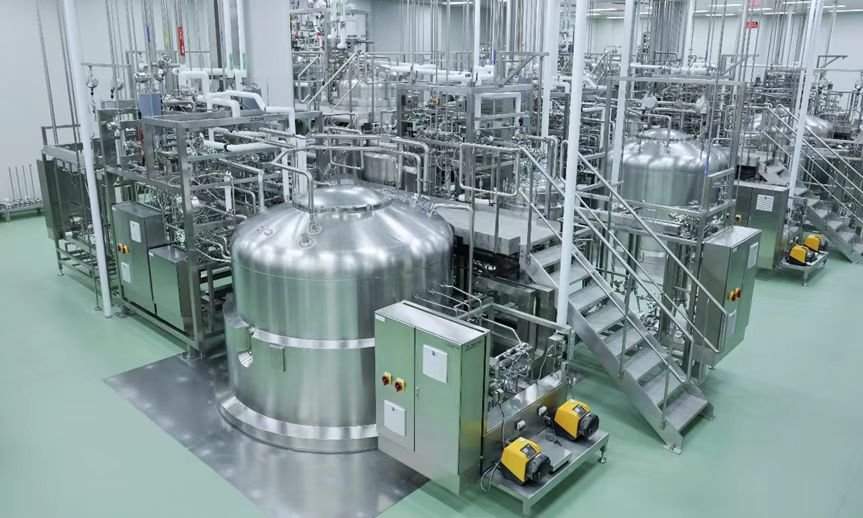

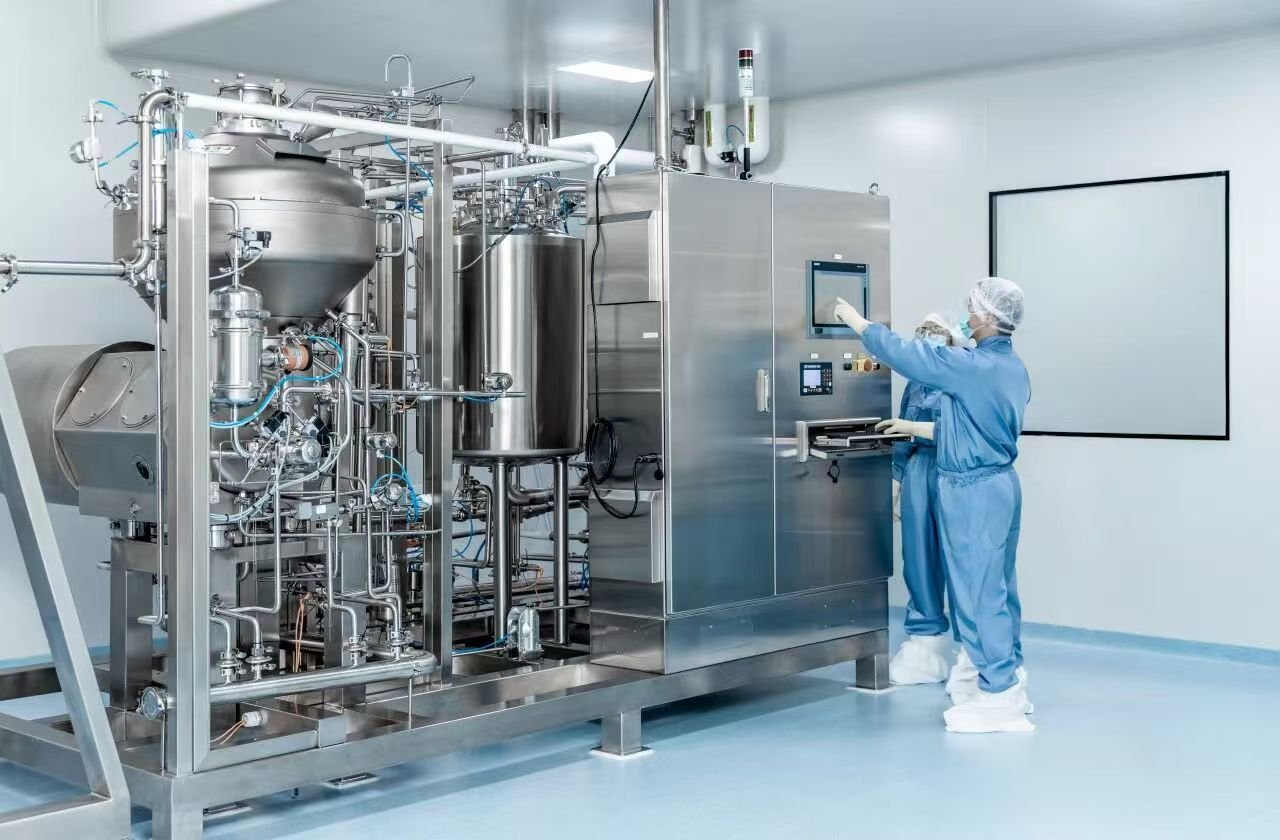
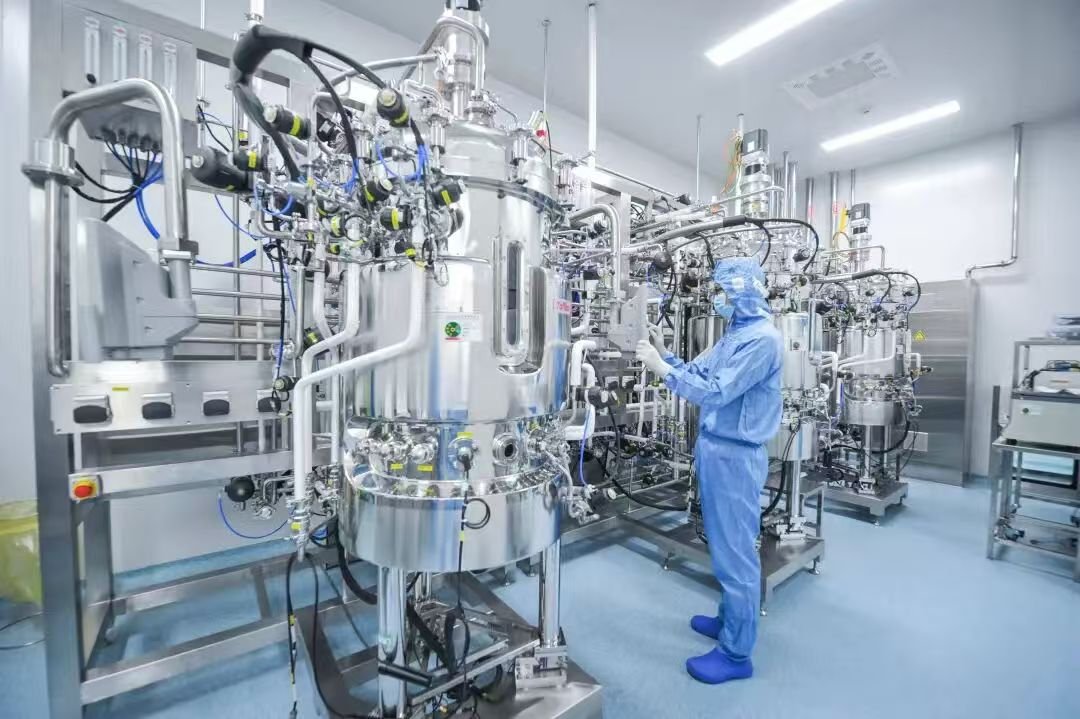
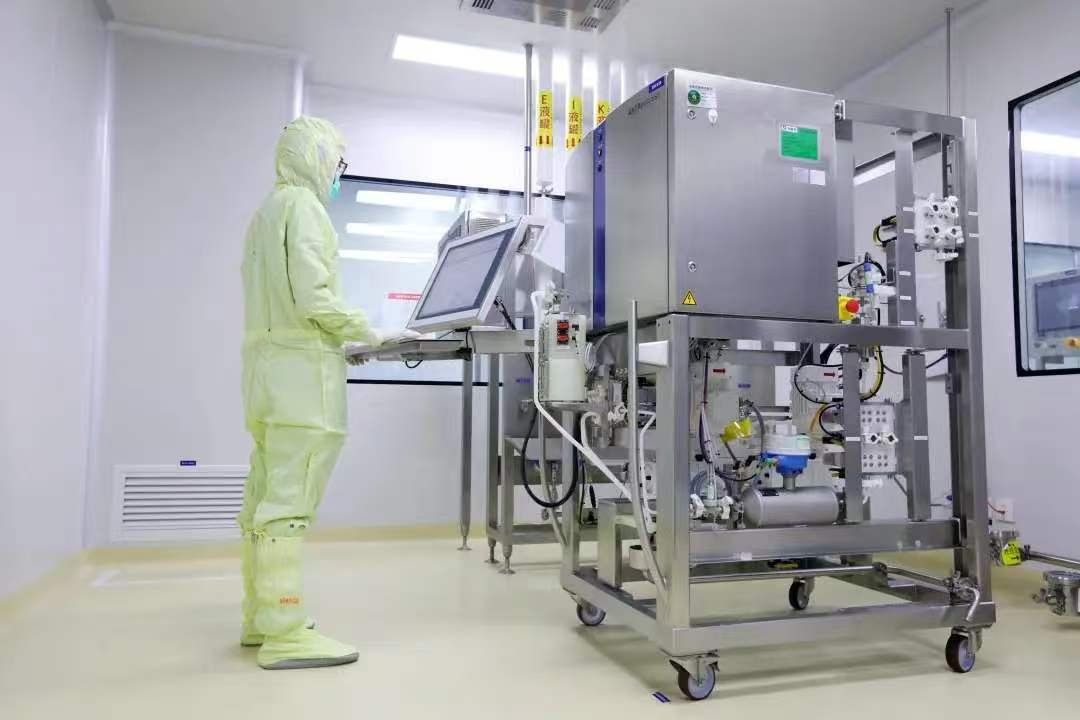
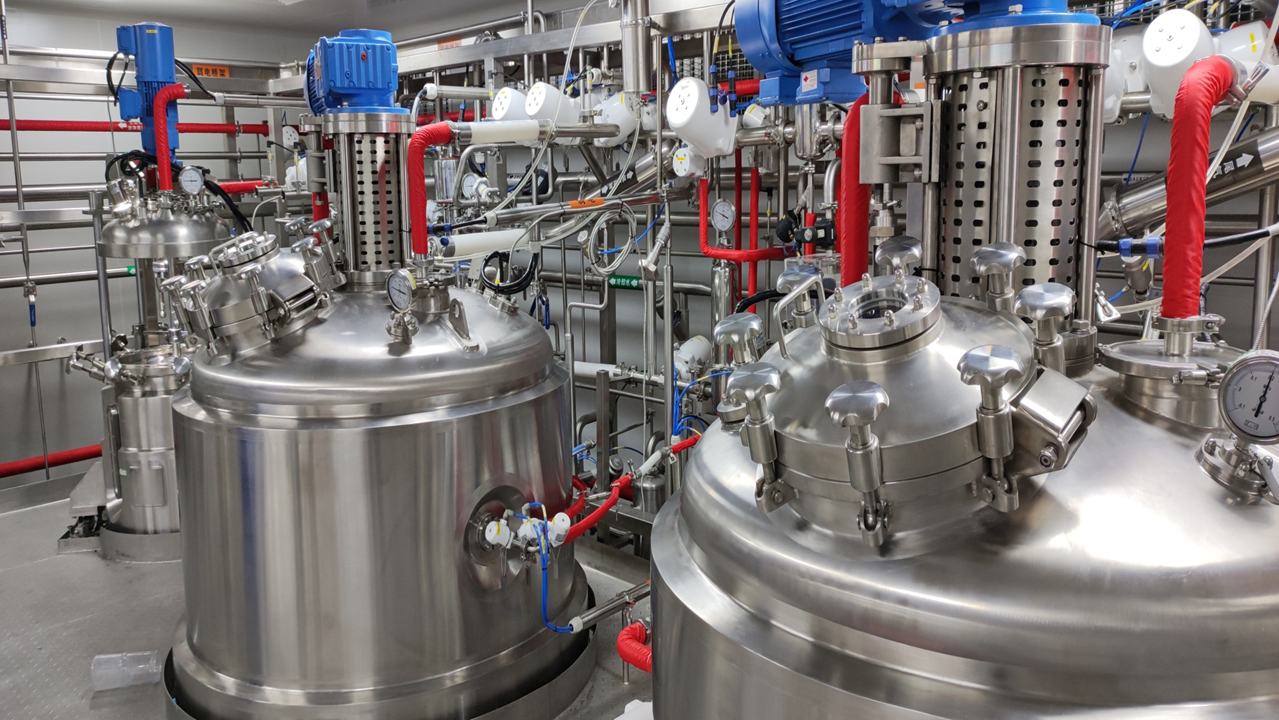
In the biopharmaceutical industry, fusion proteins stand out as promising therapeutic biologics, as they integrate two or more distinct functional proteins into a single molecular construct. Their manufacturing workflow shares core unit operations with conventional therapeutic protein production, consisting of upstream processing, downstream purification, and formulation development. Despite the unique advantage of consolidating multiple biological functions within one molecule, the production of fusion proteins is plagued by a suite of distinctive technical hurdles. This paper systematically dissects the manufacturing workflows of fusion proteins, analyzes prevailing bottlenecks, and outlines forward-looking technical solutions.
1 Manufacturing Workflow of Fusion Proteins
The production pipeline for fusion proteins is divided into three core modules: upstream cell culture, downstream separation and purification, and formulation engineering.
Upstream Processing: Cell Culture
Upstream processing serves as the foundation of the entire manufacturing process, covering cell cultivation and target protein expression. The majority of modern fusion proteins are produced in eukaryotic expression hosts, predominantly mammalian cell lines such as Chinese Hamster Ovary (CHO) cells. Eukaryotic systems are irreplaceable for fusion protein production because they support authentic post-translational modifications (PTMs), including glycosylation and disulfide bond formation.
Selection of an expression host is dictated by the biochemical properties of the target fusion construct. For instance, albumin-fused therapeutic proteins are commonly expressed in yeast strains, whereas immunotoxins and other cytotoxic fusion variants often adopt prokaryotic expression platforms. Three interlinked core parameters govern upstream performance for fusion proteins: the engineered fusion gene construct, host cell strain, and cultivation environment; collectively, these factors determine volumetric productivity and final product titer.
Cultivation temperature exerts profound impacts on cell proliferation and recombinant protein yield. Research on Etanercept, an anti-TNF-α therapeutic fusion protein, demonstrates that cultivation at 30 °C yields threefold higher protein titers compared to incubation at 37 °C. However, elevated viable cell densities under hypothermic culture conditions correlate with reduced specific productivity. Therefore, systematic temperature screening is mandatory to define optimal expression parameters tailored to each fusion protein.
To mitigate incomplete glycosylation incurred by low-temperature incubation, a biphasic cultivation strategy has been established. Under this regimen, cells first undergo rapid expansion at an optimal growth temperature, followed by a shift to reduced temperature and mild acidic pH to suppress cell proliferation and redirect cellular metabolic flux toward recombinant protein synthesis.
Downstream Processing: Separation and Purification
Downstream processing encompasses all unit operations to isolate and purify intact fusion protein from crude cell culture feedstocks. The form of the target product—intracellular inclusion bodies or secreted soluble protein—varies substantially by expression system.
Processing of Inclusion Bodies
Prokaryotic hosts such as Escherichia coli frequently accumulate misfolded fusion proteins as insoluble inclusion bodies post-expression. Post-harvest, cells are lysed via mechanical homogenization or chemical lysis to release inclusion bodies. These aggregates are solubilized under reducing conditions using chaotropic agents including urea or guanidine hydrochloride, followed by controlled refolding to restore the native tertiary and quaternary protein structure.
Purification of Secreted Fusion Proteins
Fusion proteins produced in eukaryotic hosts are typically secreted extracellularly into the culture supernatant. Primary harvest is achieved through centrifugation or depth filtration to remove intact cells and cell debris, generating a cell-free feed stream for chromatographic polishing. Modern serum-free chemically defined media contain minimal host cell protein (HCP) impurities, simplifying the downstream purification cascade for secreted fusion constructs.
Formulation and Product Stability
Purified fusion protein intermediates undergo buffer exchange, concentration, and stabilization to generate injectable, shelf-stable drug products. Protein stability poses a persistent formulation challenge, as the two functional protein moieties within a fusion construct often exhibit divergent tolerance toward excipients, pH gradients, and thermal stress. Rigorous formulation optimization is thus required to preserve structural integrity and biological activity throughout cold-chain transportation and long-term storage.
2 Distinct Technical Challenges in Fusion Protein Manufacturing
While fusion protein production shares foundational workflows with single-domain therapeutic proteins, it presents a unique set of manufacturing bottlenecks outlined below:
Incompatibility Between Fused Protein Moieties
A fusion protein consists of two or more protein domains covalently tethered together. The individual subunits often diverge drastically in pH tolerance, hydrophobicity, native subcellular localization, and glycosylation profiles. This molecular incompatibility frequently triggers incomplete folding and diminished expression titers. Furthermore, many fusion constructs display heightened lability under acidic conditions, compromising standard low-pH viral inactivation steps and rendering conventional viral clearance workflows incompatible.
Low Recombinant Expression Titers
Fusion proteins generally possess larger molecular weights relative to monovalent therapeutics such as monoclonal antibodies. Their extended polypeptide chains exacerbate intracellular folding stress, resulting in suppressed expression yields. Extensive process fine-tuning and genetic engineering are therefore necessary to balance high volumetric productivity with full functional activity of the final fusion product.
Incomplete Glycosylation and Aberrant Structural Modifications
Glycosylation is a critical post-translational modification that modulates fusion protein bioactivity, conformational stability, and immunogenic potential. Hypothermic cultivation frequently induces incomplete glycan maturation, which impairs product potency and shelf stability. As aforementioned, biphasic temperature-shift cultivation serves as an effective mitigation strategy to enhance glycosylation homogeneity alongside improved protein yields.
Protein Aggregation and Denaturation
Exposure to low-pH environments during downstream processing readily induces aggregation and irreversible denaturation of fusion proteins, severely compromising drug product quality. Chaotropic additives such as urea and guanidine hydrochloride are incorporated into elution buffers to maintain target proteins in monomeric form; even with such interventions, aggregate formation remains a pervasive unresolved manufacturing risk.
3 Innovative Strategies and Future Outlook for Fusion Protein Production
Novel manufacturing technologies and process optimization frameworks have been developed to address the aforementioned limitations. Key approaches include rational engineering of expression hosts and cultivation parameters to boost fusion protein titer and conformational stability, as well as gene copy number amplification to elevate recombinant transcription and translation efficiency.
Moving forward, continuous advancements in genetic engineering, mammalian cell culture technology, and chromatographic separation platforms will render fusion protein manufacturing more productive, cost-effective, and quality-consistent. In particular, the integration of intelligent biomanufacturing infrastructure and fully automated bioprocess equipment will streamline end-to-end production workflows, laying a solid technical foundation for large-scale commercial manufacturing of fusion protein therapeutics.
4 Conclusion
As a class of biologics with transformative clinical potential, fusion proteins require intricate, multi-stage manufacturing workflows. Although their production is hindered by intrinsic barriers including inter-domain incompatibility, low expression titers, heterogeneous glycosylation, and poor conformational stability, iterative technical optimization has progressively matured industrial-scale fusion protein bioprocesses, unlocking broad translational and commercial prospects. Sustained technological innovation will expand the clinical utility of fusion proteins across diverse therapeutic areas, most notably cancer immunotherapy and chronic disease management.