As one of the most widely adopted nanomedicine delivery systems to date, liposomes, first discovered in the 1960s, have been extensively deployed in anti-tumor therapeutics, nucleic acid medicines, vaccines and targeted therapy. Their paramount merits lie in enhanced drug delivery efficiency, prolonged in vivo circulation half-life, and substantial mitigation of off-target toxicity associated with conventional pharmaceuticals. Nevertheless, laboratory researchers frequently prioritize merely “successfully fabricating liposomal vesicles” while overlooking a more pivotal consideration: the scalability and industrial translation potential of the resulting liposomal formulations. For drug delivery carriers, the formation of vesicular structures alone is far from sufficient.
A high-performance liposomal drug product must consistently maintain tight control over multiple Critical Quality Attributes (CQAs), including particle size, particle size distribution, polydispersity index (PDI), drug encapsulation efficiency, drug loading capacity, drug retention profile and surface zeta potential. Among these parameters, particle size is generally required to be maintained below 100 nm. Small, monodisperse particles facilitate optimal in vivo biodistribution and favorable pharmacokinetic profiles. For instance, in oncological therapy, miniature liposomes readily exploit the Enhanced Permeability and Retention (EPR) effect of tumor tissues to achieve passive tumor targeting. Meanwhile, high encapsulation efficiency and robust drug retention are equally indispensable.
Research has validated that the incorporation of high-phase-transition-temperature phospholipids alongside cholesterol reinforces the mechanical integrity of lipid bilayers and minimizes premature drug leakage. Furthermore, near-neutral surface charge and polyethylene glycol (PEG) surface functionalization extend systemic circulation duration by attenuating rapid clearance via the mononuclear phagocyte system (MPS). Accordingly, laboratory-scale formulation development should not solely prioritize experimental operability and success rates; instead, the Quality by Design (QbD) mindset must be embedded from project inception to render lab-scale formulations amenable to downstream industrial translation.
1. Which Laboratory-Scale Preparation Method Is Most Translatable to Industrial Manufacturing?
A vast spectrum of liposome fabrication methodologies has been documented in academic literature, including thin-film hydration, ethanol injection, reverse-phase evaporation, detergent dialysis, sonication and others. However, only a handful of these techniques are industrially viable for large-scale commercial production. The dominant manufacturing workflow adopted across the pharmaceutical industry today is ethanol injection coupled with membrane extrusion. Its core mechanism entails dissolving lipid components in ethanol, followed by injection of the lipid ethanolic solution into an aqueous phase to generate crude liposomal suspensions, which are subsequently extruded through polycarbonate membranes with graded pore sizes to homogenize particle dimensions. Compared with thin-film hydration, a ubiquitous lab-only technique, this industrial workflow offers distinct advantages:
First, ethanol constitutes a biocompatible organic solvent, complying far more readily with pharmaceutical regulatory limits than toxic halogenated solvents such as chloroform.
Second, liposome self-assembly driven by ethanol diffusion delivers superior batch-to-batch reproducibility of particle size and PDI.
Most critically, the downstream extrusion step enables precise, tunable control over liposome dimensions, a prerequisite for consistent product quality across production batches.
Numerous studies have confirmed that liposome particle size governs not only in vivo biodistribution but also circulation longevity, tissue penetration depth and ultimate therapeutic efficacy. Excessively large particles undergo rapid hepatic and splenic sequestration, while broad particle size distributions induce inconsistent therapeutic performance between batches. Even at the early laboratory research stage, investigators are advised to adopt fabrication workflows that mimic industrial manufacturing protocols, rather than opting for technically trivial lab-only methods. Data generated from process-mimetic lab workflows possess greater translational value and eliminate redundant process development work during later scale-up campaigns.
2. Liposome Production Is Far More Intricate Than Perceived: Nine Unit Operations Behind a Single Commercial Product
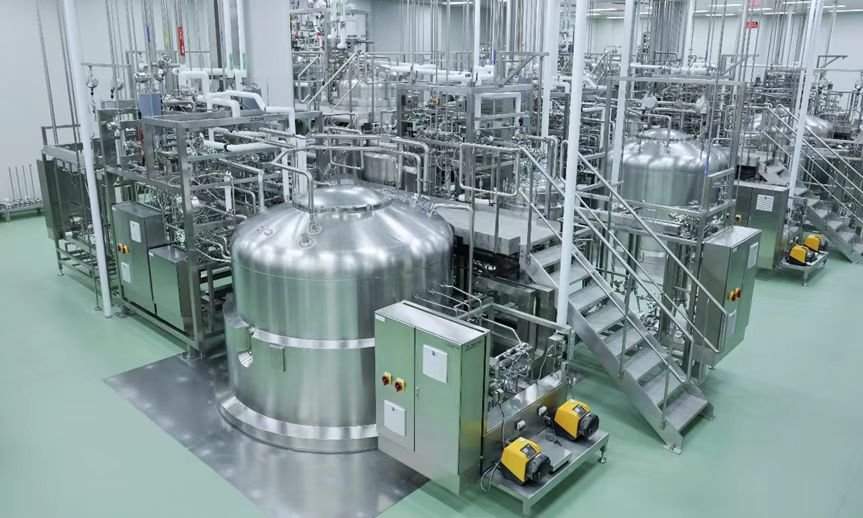
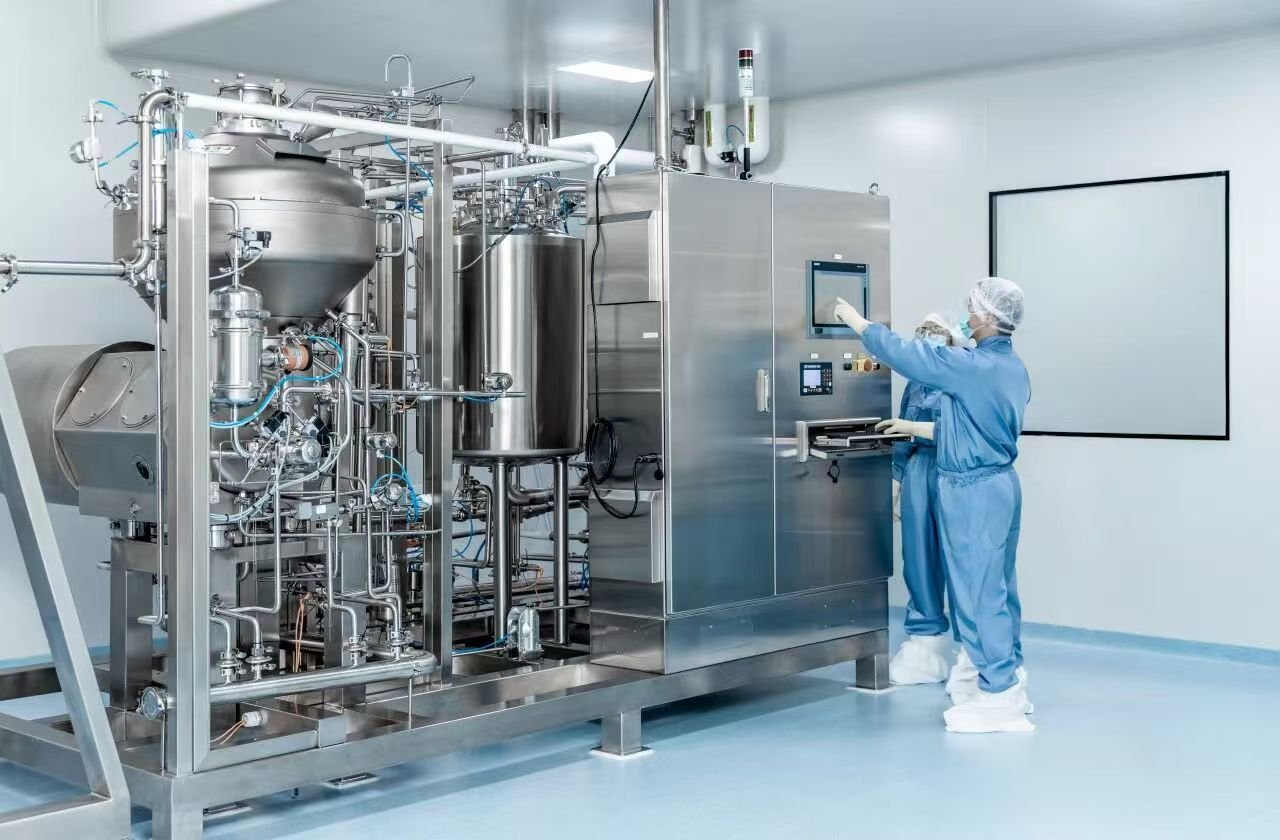
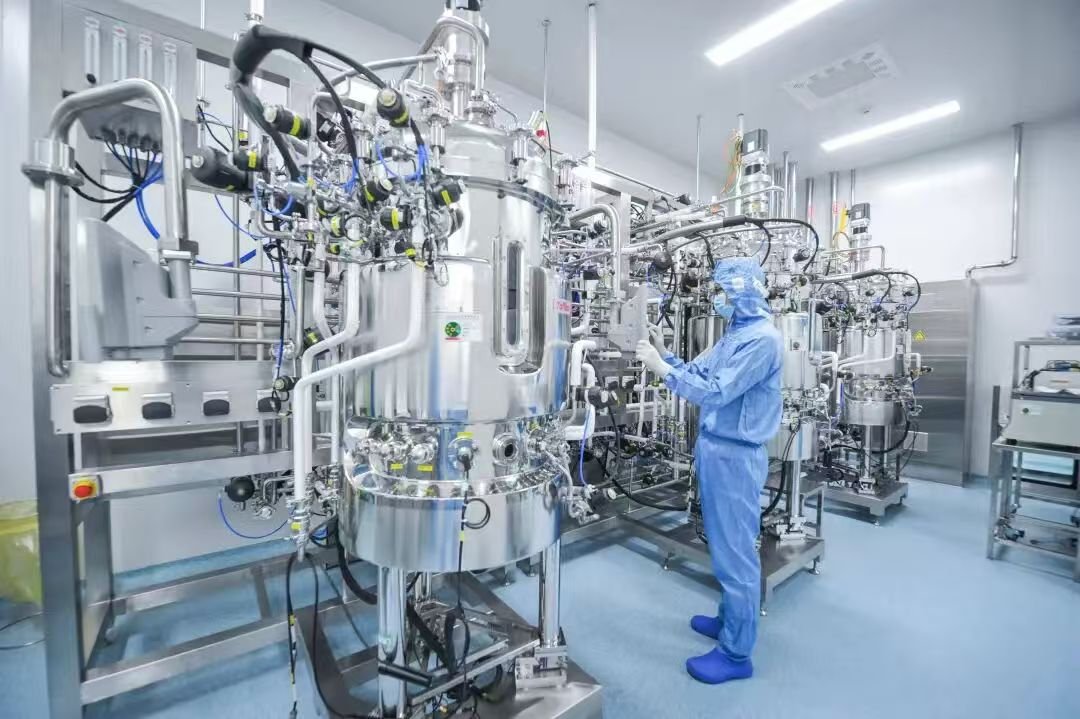
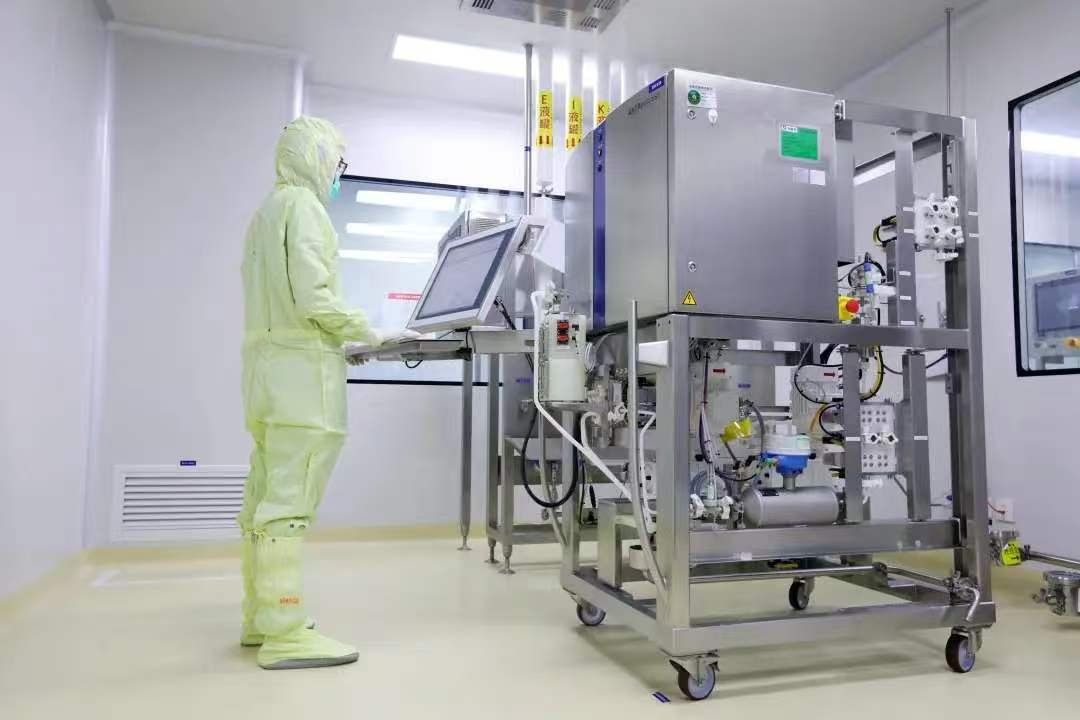
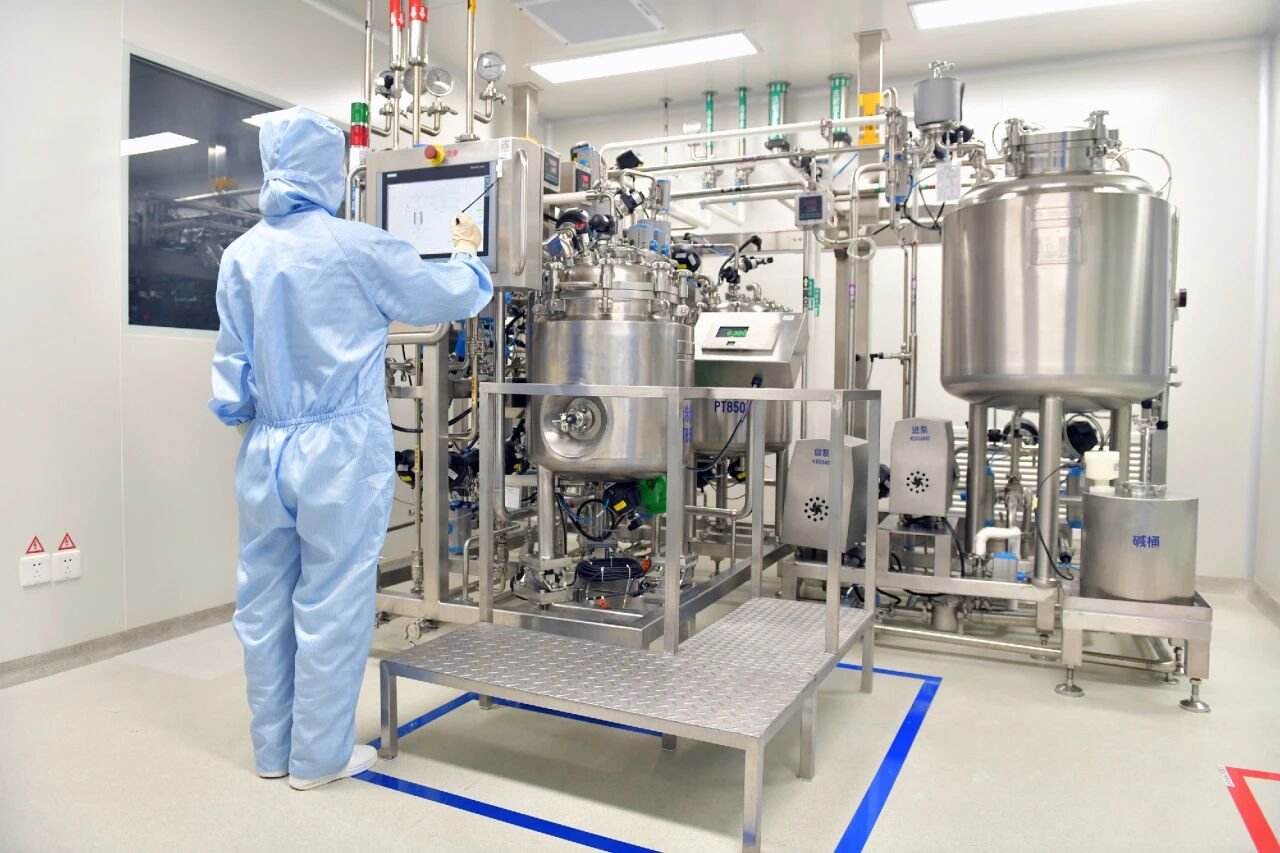
Novice researchers often underestimate the complexity of liposome fabrication, simplifying the workflow to lipid dissolution, film formation and hydration. In reality, GMP-compliant large-scale liposome manufacturing represents a highly sophisticated systematic engineering process. A standard commercial liposome production pipeline incorporates nine core unit operations: aqueous buffer preparation, buffer sterile filtration, lipid stock solution preparation, lipid solution filtration, lipid hydration, membrane extrusion, ultrafiltration/diafiltration, formulation dilution, sterile filtration and terminal filling. Each unit operation requires integrated in-process controls and analytical testing regimens, covering: pH monitoring and adjustment; filter integrity testing; particle size and PDI quantification; zeta potential measurement; phospholipid content assay; microbial limit testing; drug concentration profiling; related impurity detection; and visual appearance inspection.
If the formulation employs active drug loading (e.g., ammonium sulfate gradient loading applied in Doxil®), process complexity rises substantially. Additional process development is mandatory for lyophilized formulations intended for long-term shelf stability, encompassing lyoprotector screening and post-lyophilization reconstitution protocols. During laboratory formulation screening, researchers must evaluate inherent process complexity in parallel with excipient optimization. From a technology transfer perspective, intricate manufacturing workflows introduce amplified technical risks during scale-up; minor deviations at any single process stage can trigger drastic fluctuations in final product quality. Establishing a concurrent formulation and process development paradigm drastically improves the industrial translation success rate of preclinical liposome programs.
3. Critical Quality Attributes: Core Parameters Determining Liposome Product Performance
The ultimate commercial viability of a liposomal product hinges not on its fabrication route, but on sustained compliance with predefined CQAs. The most impactful quality indicators are summarized as follows:
Drug encapsulation efficiency: Unencapsulated free drug fractions trigger severe off-target adverse effects for highly cytotoxic agents, making free drug residual concentration a primary liposome quality benchmark.
Mean particle size and particle size distribution: Monodisperse particle populations underpin consistent therapeutic efficacy and patient safety; oversized particles may elicit inflammatory immune responses or local injection-site irritation.
System pH: pH modulates chemical stability of payloads, lipid bilayer structural integrity and in vivo drug release kinetics. Suboptimal pH profiles can also induce injection-site irritation upon intravenous administration.
Supplementary regulatory:mandated quality metrics include osmolality, turbidity, residual organic solvent levels, in vitro drug release profiles, sterility and endotoxin concentrations.
Cholesterol exemplifies the multifunctional role of formulation excipients beyond simple auxiliary materials: it enhances lipid bilayer rigidity and suppresses in vivo drug leakage to boost therapeutic outcomes. Residual organic solvents also pose dual risks: excessive solvent residues compromise product safety and disrupt lipid bilayer architecture, causing premature systemic drug leakage. A high-quality liposomal drug product arises from the balanced optimization of all interrelated CQAs, rather than unilateral tuning of a single analytical parameter.
4. Future Outlook: Streamlined, Intelligent Liposome Manufacturing Technologies
Despite the broad therapeutic advantages of liposomal carriers, the global roster of approved liposome-based pharmaceuticals remains limited, largely attributable to the convoluted nature of established manufacturing workflows. From a commercial standpoint, complex production processes translate to elevated capital equipment expenditure, extended manufacturing lead times and heightened quality control risks. Accordingly, streamlined, high-efficiency fabrication platforms constitute a central innovation frontier in contemporary liposome research.
Nanoprecipitation (antisolvent precipitation) stands out as a representative emerging technology. This technique leverages spontaneous lipid self-assembly under tailored solvent conditions to form nanovesicles with inherently narrow particle size distributions, eliminating or minimizing conventional membrane extrusion and diafiltration steps to drastically streamline production sequences. Microfluidics represents another transformative manufacturing approach, which achieves precise fluid mixing within micrometer-scale microchannels to synchronize lipid hydration and vesicle assembly. The highly controlled laminar mixing environment directly yields liposomes with target particle dimensions, bypassing discrete lipid hydration and extrusion unit operations. In practice, microfluidic platforms have been widely adopted for the preclinical and commercial production of advanced nanocarriers, including lipid nanoparticles (LNPs) deployed in mRNA vaccines.
The developmental paradigm for liposome research is undergoing a fundamental shift: investigators must prioritize formulation optimization alongside process simplification, continuous manufacturing compatibility and industrial scalability. In essence, the future evolution of liposome technology is no longer limited to “engineering superior liposomal vesicles”, but rather “manufacturing high-performance liposomes via simplified, robust, scalable workflows”. Only with efficient, reproducible and readily scalable fabrication pipelines can liposomes fully unlock their clinical potential as versatile drug delivery platforms and deliver improved therapeutic outcomes to broader patient populations.