
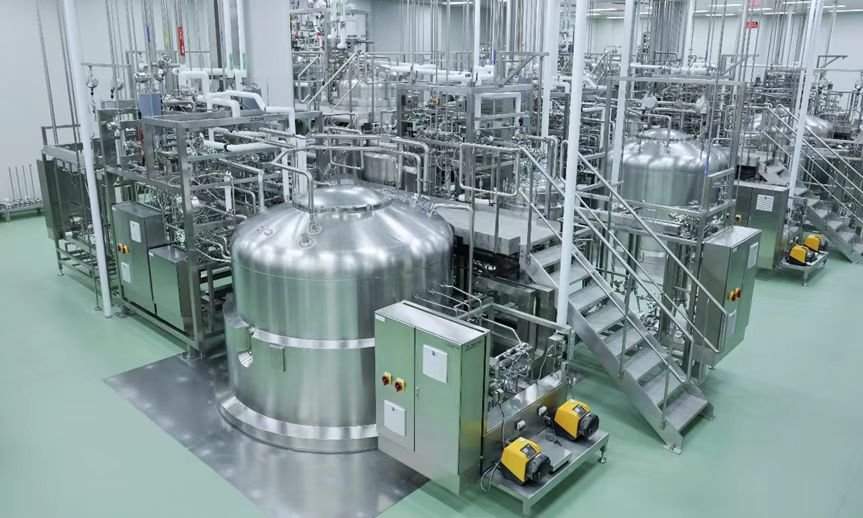

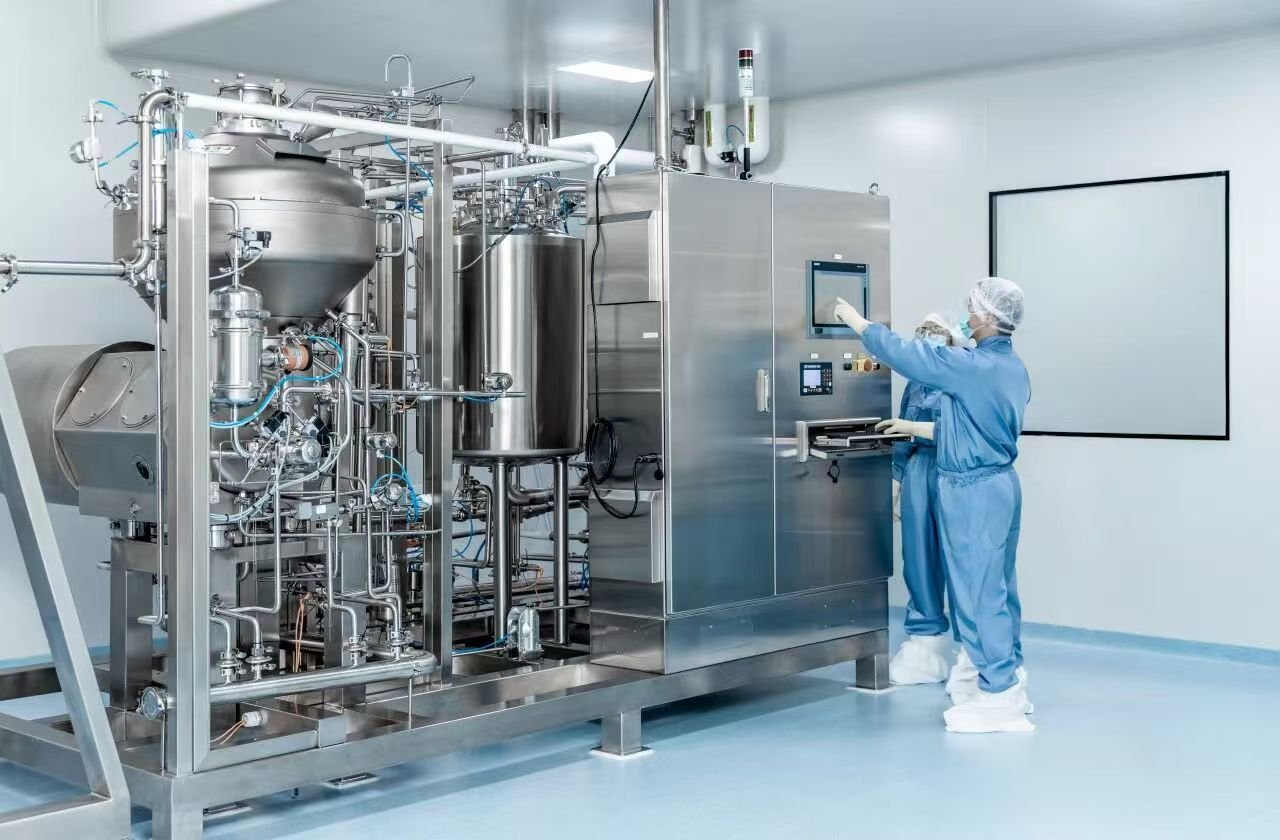
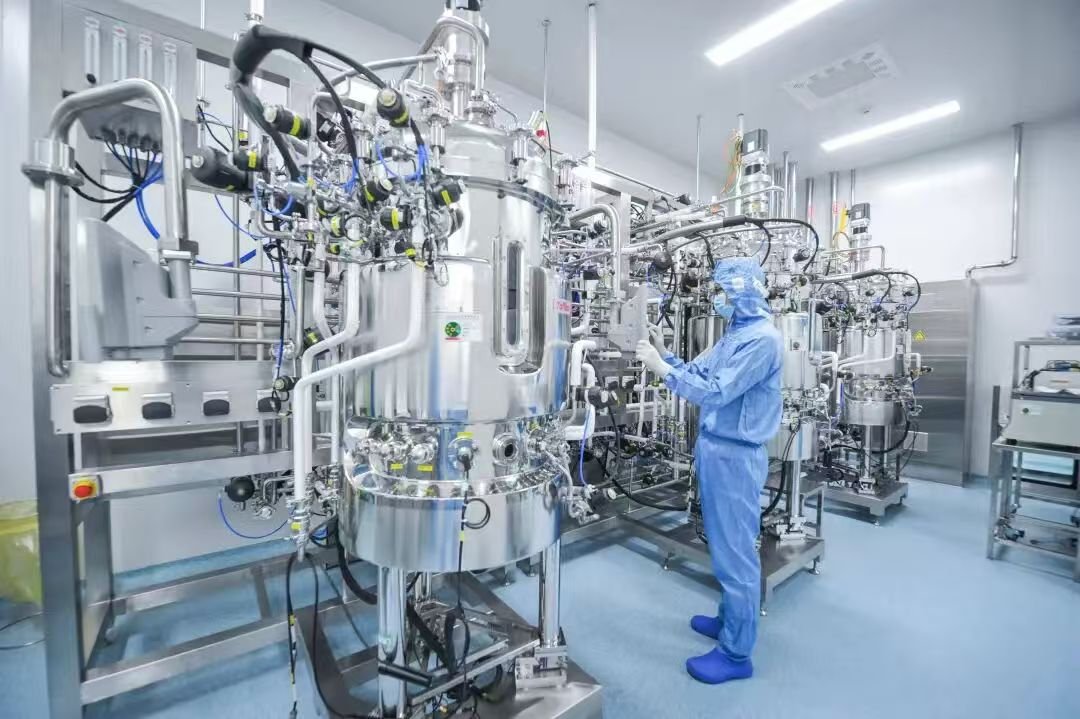
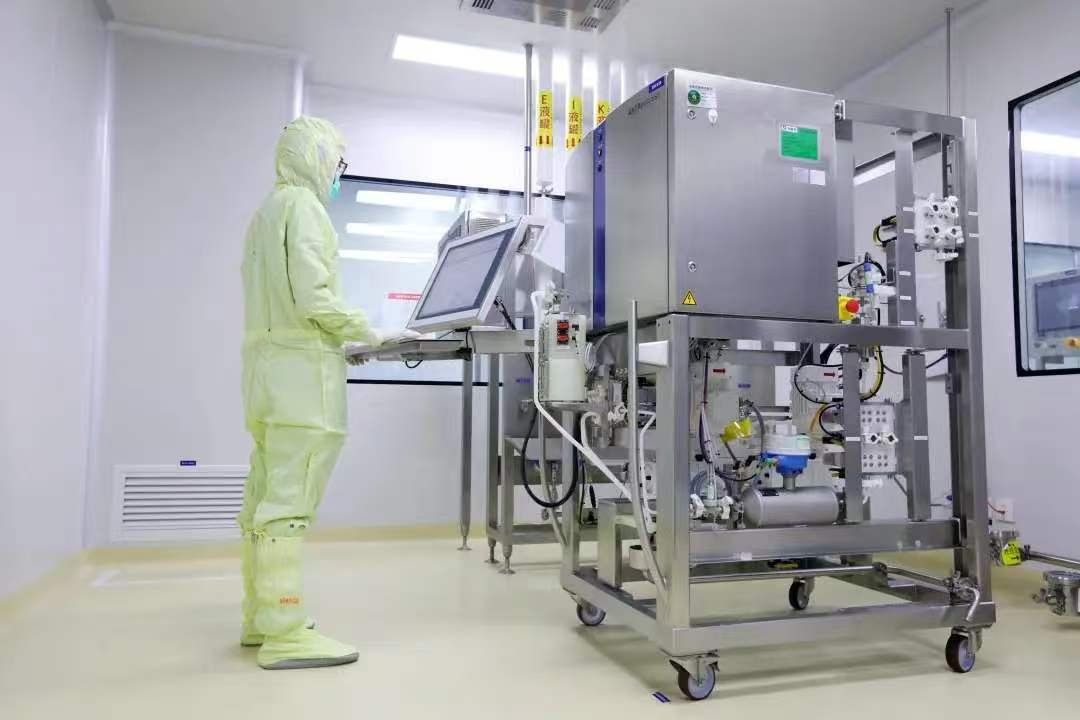
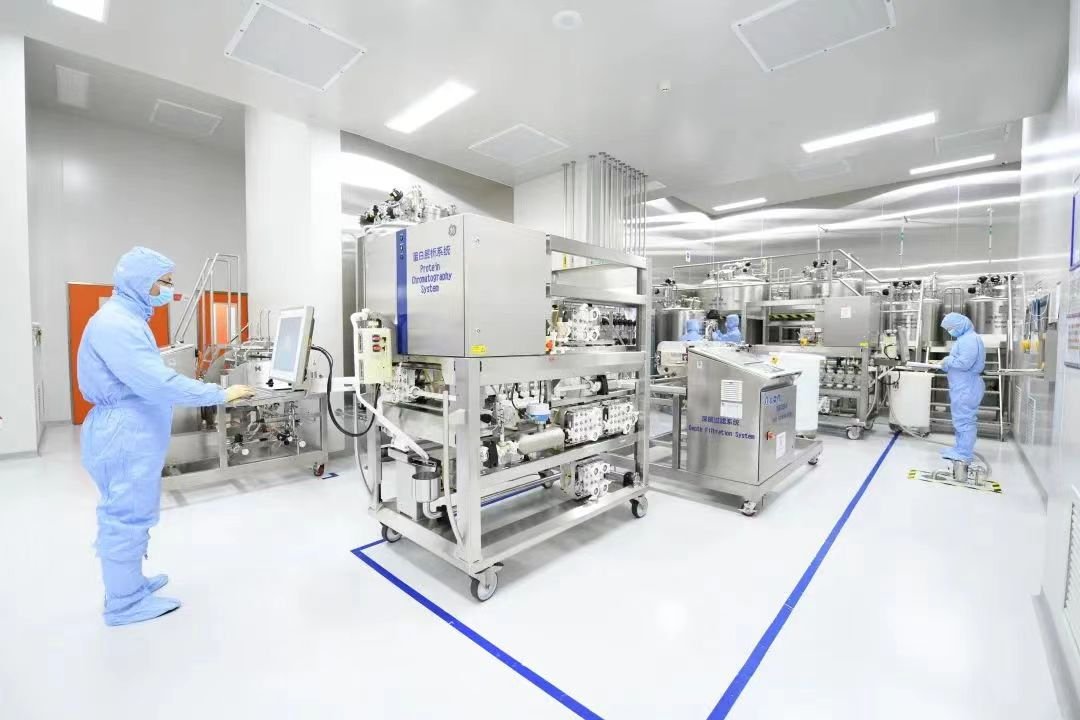
In the history of biopharmaceutical development, the rise of mRNA vaccines represents a revolution marked by unprecedented speed and efficiency. Unlike conventional vaccines, whose R&D and scale-up cycles often stretch over months or even years, mRNA vaccines deliver definitive advantages: streamlined development, facile scalability, and ultra-rapid manufacturing. Many wonder how this technology, dubbed “programmed biomanufacturing,” is mass-produced within industrial facilities. Fundamentally, the production of mRNA vaccines is an industrial pipeline marvel built upon cell-free biochemical reactions and microscale nanoparticle self-assembly. Its standard manufacturing workflow falls precisely into three core phases: upstream biochemical synthesis, downstream separation and purification, and final nanoparticle formulation and encapsulation. Let us step into this “super factory” to dissect the full industrial chain behind mRNA vaccine production.
1. Upstream Manufacturing: A Cell-Free “Microscale Copier”
Production of traditional vaccines (inactivated vaccines, recombinant protein vaccines, etc.) heavily relies on cell or egg-based workshops, requiring lengthy cycles for cell culture, viral inoculation and propagation. By contrast, the upstream workflow for mRNA vaccines entirely bypasses cell culture and proceeds within standalone bioreactors via in vitro transcription (IVT). Functioning as a high-precision microscale copier, this process directly transcribes linearized DNA templates into massive quantities of mRNA strands.
Linearized DNA template → addition of T7 RNA polymerase & modified NTP substrates → in vitro transcription (IVT) biochemical reaction → 5′ capping & 3′ polyadenylation → generation of functionally intact mRNA transcripts.
Within this biochemical copier, a suite of core enzymes and raw materials work synergistically and are all indispensable:
Core driver: RNA polymerases (T7, SP6 or T3 polymerases). These enzymes recognize linearized DNA templates and sequentially assemble free nucleotides into corresponding mRNA strands.
Substrate pool: Nucleoside triphosphates (NTPs). Comprising natural nucleotides or chemically modified unnatural bases such as N1-methylpseudouridine; these serve as building blocks for mRNA construction.
Yield booster: Inorganic pyrophosphatase (IPP). It eliminates reaction byproducts to shift chemical equilibrium, drastically lifting IVT yields.
Nucleic acid cleaving tool: DNase I. Once mRNA synthesis completes, this “genetic scissor” digests and removes the spent DNA template.
Critical Details: 5′ Capping and 3′ Tailing
To protect newly transcribed mRNA from degradation upon human administration and enable efficient protein translation, terminal modification of mRNA strands is mandatory.
5′ capping: Two mainstream approaches are adopted. Enzymatic capping employs guanylyltransferase and methyltransferase to install protective Cap 1 structures onto mRNA post-transcriptionally. The more advanced co-transcriptional capping introduces pre-synthesized trinucleotide cap analogs at the early IVT stage, allowing polymerases to incorporate the cap moiety during mRNA synthesis in a single step.
3′ poly(A) tailing: Poly(A) polymerase extends the mRNA 3′ terminus with a stretch of hundreds of adenosine residues. This poly(A) tail governs the intracellular half-life of mRNA after cellular uptake.
2. Downstream Purification: Chromatographic “Gold Panning” at Industrial Scale
Upon completion of IVT, reactor liquor is far from a pure drug solution but a highly complex mixture. It contains unconsumed NTPs, residual enzymes, fragmented digested DNA, and the most hazardous byproducts: double-stranded RNA (dsRNA) and truncated, incomplete RNA species.
Why Purification Is Indispensable
Substandard downstream purification leaves residual dsRNA, which potently activates the human innate immune system and triggers severe non-specific systemic inflammation; it also drastically suppresses mRNA translational efficiency. Studies demonstrate that mRNA purified via state-of-the-art chromatography achieves a 10–1000-fold improvement in transfection efficiency and antigen expression levels.
Laboratory-scale workflows commonly adopt lithium chloride (LiCl) precipitation for RNA extraction, yet this method is incompatible with industrial manufacturing. It fails to fully remove dsRNA and cannot be scaled up. Biopharmaceutical manufacturers therefore deploy a combinatorial panel of modern chromatographic platforms:
Size-exclusion chromatography (SEC): Separates species based on molecular size. A mature technique with high selectivity, primarily deployed for initial removal of small-molecule impurities.
Ion-exchange chromatography (IEC): Separates target mRNA from heterogeneous impurities via charge differences; exhibits strong binding capacity and excellent scalability.
Oligo(dT) affinity chromatography: Immobilized oligo(dT) sequences specifically bind the poly(A) tail of mRNA. This highly specific capture mechanism eliminates all truncated, non-functional RNA lacking intact poly(A) tails.
Hydrophobic interaction chromatography (HIC): Deployed alongside advanced monolithic columns for final polishing; removes structurally aberrant RNA based on hydrophobicity, supporting high flow rates.
Tangential flow filtration (TFF): Fluid flows tangentially across membrane surfaces for ultrafiltration and diafiltration. Applied throughout downstream processing to enable efficient desalting, removal of low-molecular-weight enzymes, and bulk sample concentration.
3. Formulation & Encapsulation: Microfluidics-Driven Microscale Self-Assembly
Highly purified mRNA remains fragile in free form. To endow mRNA with membrane-penetrating capacity, the final manufacturing stage involves nanoparticle encapsulation: negatively charged mRNA is packaged inside lipid nanoparticles (LNPs) consisting of four specialized lipid species. This encapsulation relies on precision-driven microscale precipitation and self-assembly.
1. Bench Scale & Early GMP Production: Staggered Herringbone Micromixer (SHM)
For R&D and early-stage GMP pilot production, microfluidic chips with staggered herringbone microchannels are widely used. When two fluid streams converge inside the SHM chip, the unique channel geometry generates intense fluid vortices within microseconds — far faster than spontaneous lipid aggregation. Under acidic conditions (pH 4.0), ionizable lipids acquire positive charges and undergo electrostatic attraction with negatively charged mRNA, triggering hydrophobic self-assembly of auxiliary lipid species. Within an instant, uniformly sized LNPs with fully sequestered mRNA cores are spontaneously formed. Industrial protocols commonly adopt an aqueous-to-organic phase volumetric ratio of 3:1 and flow rates of 12–14 mL/min to generate highly homogeneous nanoparticles.
2. Commercial-Scale Manufacturing Breakthrough: T-Type Impinging Jet Mixers (T-Mixers)
Despite its elegant design, the SHM microfluidic chip faces bottlenecks in fully automated, continuous GMP commercial production. Fabricated from polydimethylsiloxane (PDMS), the chip undergoes microscale swelling and deformation upon prolonged exposure to high-concentration ethanol, making it unsuitable for days of non-stop industrial operation. To resolve this industrialization pain point, stainless steel T-type or impinging jet mixers become the mainstream equipment for commercial-scale production:
Robust construction: Fully solvent-resistant with zero deformation risk, satisfying stringent compliance requirements for continuous GMP manufacturing.
Exceptional throughput: Supports high-velocity fluid impingement at flow rates of 60–80 mL/min or higher. By precise control of jet hydrodynamics, T-mixers generate LNPs equivalent or superior in homogeneity to those produced via microfluidic chips.
Once nanoparticles are formed, the process proceeds immediately to diafiltration or tangential flow filtration (TFF) to eliminate ethanol solvent and shift the buffer environment to physiological pH (~7.4). This stabilizes LNP morphology ahead of terminal sterile filling.
Conclusion: A Modern Biomanufacturing Engine Reshaping the Future
From digital genetic sequences to microsecond-scale polymerization inside bioreactors, and high-speed fluid impingement within stainless steel pipelines — the mRNA vaccine manufacturing process has fundamentally broken reliance on living biological substrates required for traditional biomanufacturing. Instead, it has evolved into a sophisticated precision manufacturing ecosystem integrating biochemical engineering, fluid mechanics and materials science.
This cell-free pipeline not only unlocks the theoretical speed limit of vaccine production, but also leverages modular platform design to eliminate massive capital expenditure for equipment retrofitting typical of conventional biomanufacturing facilities. It enables rapid cross-regional coordinated manufacturing and on-demand response to emergent pandemics. As downstream monolithic chromatography efficiency improves and stainless steel T-mixing technology gains wider commercial adoption, mRNA technology — the foundational pillar of modern medicine — will achieve lower manufacturing barriers and superior purity performance. It will rapidly advance into frontline applications ranging from infectious disease prophylaxis and personalized cancer vaccines to rare disease gene therapies, ushering in a new era where human healthcare is safeguarded by advanced industrial precision biomanufacturing.