





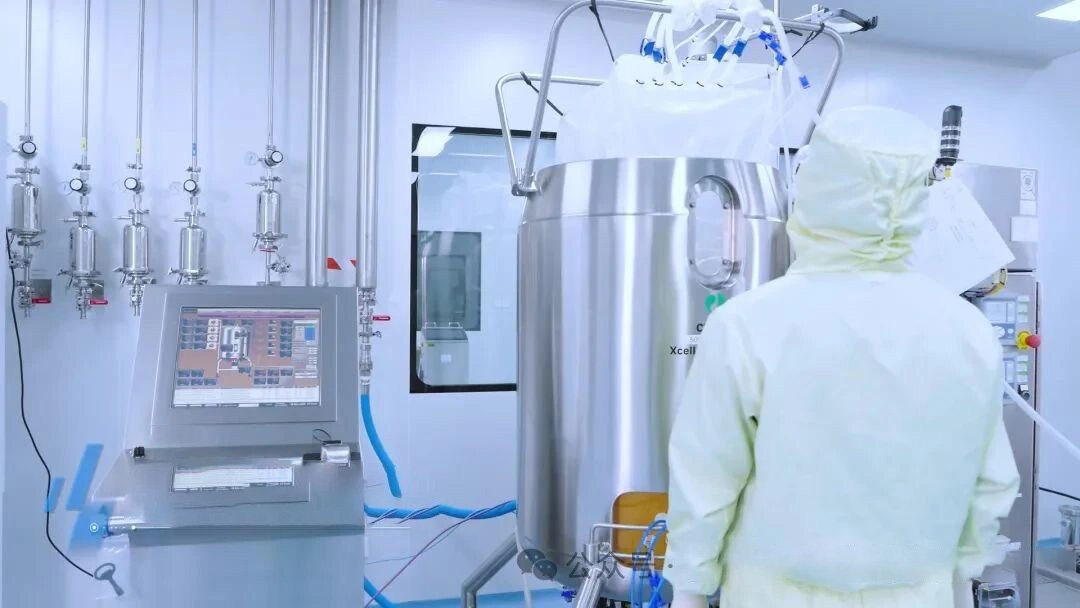
In the sophisticated ecosystem of modern biopharmaceuticals, the industrial translation of complex monoclonal antibodies, cutting‑edge gene therapies and viral vector therapeutics from laboratory development to clinical application relies on stringent purification protocols and comprehensive sterility control systems. Beyond endogenous process‑related impurities derived from cellular substrates, a pervasive yet underrecognized hazard persists throughout manufacturing and storage workflows: extractables and leachables (E&L). These exogenous chemical contaminants can migrate imperceptibly from process components, fluid contact tubing and single‑use production systems into drug substance and drug product matrices. Even trace‑level E&L contaminants may compromise product quality and pose potential safety risks to patients. This article systematically elaborates on the fundamental principles, high‑risk scenarios, regulatory evolution and standardized technical frameworks of E&L risk assessment in biopharmaceutical manufacturing.
01 Definition and Fundamental Characteristics of Extractables and Leachables
E&L studies constitute a core risk assessment discipline that characterizes the migration potential of chemical substances from product‑contact manufacturing components, processing systems and primary packaging materials into therapeutic products. The definitions and technical attributes of the two core indicators are specified as follows:
Extractables: Refers to chemical species released from manufacturing components, processing equipment and packaging materials under exaggerated, controlled laboratory extraction conditions. Aggressive extraction solvents and standardized stress parameters are applied to maximize the recovery of all potentially migratable substances, without inducing non‑specific chemical degradation of materials. Extractables data serve as the conservative baseline for preliminary risk screening of material compatibility.
Leachables: Refers to chemical contaminants that spontaneously migrate from product‑contact materials into drug products under actual manufacturing conditions and validated long‑term storage conditions complying with product labeling specifications. Leachables monitoring runs through the entire shelf‑life stability evaluation cycle of pharmaceutical products, reflecting real‑world contamination risks in commercial production and clinical use.
Biopharmaceutical products feature high structural sensitivity and low tolerance to exogenous impurities. Trace leachable contaminants may not only attenuate pharmaceutical efficacy and compromise product stability, but also trigger adverse immunological responses and toxicological reactions in vivo. Notably, such low‑molecular‑weight chemical contaminants exist at ultra‑trace concentrations and are difficult to eliminate via conventional downstream purification processes. This risk is particularly prominent in cell and gene therapies, which lack mature multi‑step purification workflows beyond routine cell washing procedures, resulting in limited capacity for leachable impurity removal.
02 Two Core High‑Risk Scenarios: Single‑Use Systems and Container‑Closure Systems
In biopharmaceutical production, leachable contamination predominantly originates from two critical product‑contact systems, which represent the primary focus of E&L risk control.
1. Single‑Use Systems (SUS)
Modern biomanufacturing extensively adopts single‑use process systems, including single‑use buffer and product storage bags, silicone fluid transfer tubing, sterile connectors, elastomeric sealing components (O‑rings), customized mixing systems, online sensors, single‑use bioreactors and tangential flow filtration (TFF) membranes.
Material structural risks of single‑use plastic bags: Multi‑layer co‑extruded polymer films are widely applied in solution preparation, transfer and long‑term storage. The composite structure consists of an inert product contact layer, gas barrier layer, adhesive interlayer and mechanical support outer layer. Although the inner contact layer is chemically inert, functional additives incorporated into other structural layers — including antioxidants, processing lubricants, plasticizers, antistatic agents, colorants and thermal stabilizers — may migrate into pharmaceutical solutions during production processes or long‑term low‑temperature storage.
Irradiation sterilization induced material degradation: Gamma irradiation, the mainstream sterilization technology for single‑use components, may trigger polymer chain scission and oxidative degradation, generating degradation byproducts that further exacerbate leachable contamination risks.
End‑user responsibility for risk qualification: While material suppliers provide baseline extractables characterization data, such data cannot cover the full spectrum of customized process parameters, product matrices and storage cycles of individual pharmaceutical manufacturers. Accordingly, pharmaceutical enterprises bear the ultimate responsibility for verifying E&L compatibility and assessing process‑specific leachable risks.
2. Container‑Closure Systems (CCS)
Container‑closure systems cover primary packaging materials such as glass/polymer vials, prefilled syringes, intravenous infusion bags and rubber stoppers for final drug product packaging. Given that biopharmaceuticals are stored in primary packaging for months to years throughout their shelf life, systematic E&L evaluation of both freshly manufactured batches and aged batches is essential to verify long‑term packaging compatibility and product stability.
03 Regulatory Iteration of E&L Requirements: From Clinical Trials to Commercial Authorization
In accordance with risk‑based Chemistry, Manufacturing and Controls (CMC) management principles, regulatory authorities adopt a phased supervision strategy for E&L studies. Complete E&L qualification data are not mandatory in early clinical stages; however, full documentation of all product‑contact equipment and packaging components must be included in IND/IMPD submissions to demonstrate basic material controllability.
US FDA (21 CFR 600.11): Stipulates that all product‑contact surfaces and final container‑closure systems must be free of particulate residues, leachable contaminants and other substances that may accelerate product degradation or compromise pharmaceutical safety and efficacy.
European EMA: Mandates detailed description of primary packaging configurations and systematic assessment of potential physicochemical interactions between packaging materials and active pharmaceutical ingredients (APIs) in clinical trial applications for gene therapy products.
Escalated CTD Regulatory Requirements for Commercial Stage Applications
Regulatory scrutiny of E&L risks is significantly enhanced in Phase III clinical trials and commercial marketing authorization applications (BLA/MAA). Per ICH M4Q(R1) guidelines, comprehensive E&L risk justification and qualification data must be submitted in Module 3 of the Common Technical Document (CTD). Specifically, 3.2.S.6 (Drug Substance Container‑Closure System) and 3.2.P.2.4 (Drug Product Container‑Closure System) require full elaboration of material selection rationale, moisture and light barrier performance, material‑drug compatibility (including substance adsorption and leaching behaviors), and material safety profiles. EU process validation guidelines further specify that for production utilizing single‑use systems, applicants must characterize the chemical nature, concentration level and impurity clearance mechanism of potential leachables, with documented risk assessment conclusions.
Insufficient E&L data in registration dossiers may lead to regulatory mandatory post‑approval supplementary studies. For instance, the FDA imposed a post‑marketing surveillance requirement during the approval of the monoclonal antibody Margenza. The sponsor was mandated to conduct long‑term leachable tracking analysis on both newly produced and expiry‑approaching product batches under specified refrigeration conditions (2–8 °C), covering non‑volatile organic compounds, volatile/semi‑volatile organic compounds and elemental impurities. Annual monitoring data updates were required throughout the surveillance period, with a comprehensive final safety and quality assessment report submitted within the regulatory specified timeline.
04 Industrial Specifications and Authoritative Guidelines for Standardized E&L Research
A mature, globally unified technical framework has been established to standardize E&L study design, data analysis and risk assessment for biopharmaceutical enterprises, with core guidelines as follows:
ICH Q3E Guideline: Based on the ICH Q9 Quality Risk Management (QRM) principle, this guideline establishes a systematic full‑life‑cycle management framework for leachable impurity evaluation and control. It realizes seamless alignment with existing impurity control systems, including ICH Q3A/Q3B (process and degradation impurities), Q3C (residual solvents), Q3D (elemental impurities) and M7 (mutagenic impurities), adapting to the rapid iteration of innovative materials and emerging therapeutic modalities.
Updated USP Standards: The United States Pharmacopeia has released specialized evaluation criteria for single‑use manufacturing plastic components, including <665> Characterization of Plastic Components Used in Biopharmaceutical Manufacturing Processes and <1665> Qualification of Plastic Process Components for Biopharmaceutical Manufacturing, providing standardized technical specifications for material qualification and E&L testing.
BPOG Industry Consensus Guidelines: The best practice guidelines issued by the BioPhorum Operations Group (BPOG) for extractables testing and leachables risk assessment of single‑use polymeric systems have become the mainstream industrial benchmark, widely adopted by global biopharmaceutical manufacturers and material suppliers.
Conclusion
From single‑use process consumables on production lines to primary packaging for final drug products, from trace polymer additives to full‑shelf‑life stability monitoring, E&L risk management serves as an indispensable invisible safety barrier in modern biopharmaceutical quality control. Rigorous E&L characterization, systematic risk assessment and standardized whole‑process control effectively eliminate exogenous contamination risks, ensuring the safety, efficacy and stability of innovative biotherapeutics delivered to clinical patients.
