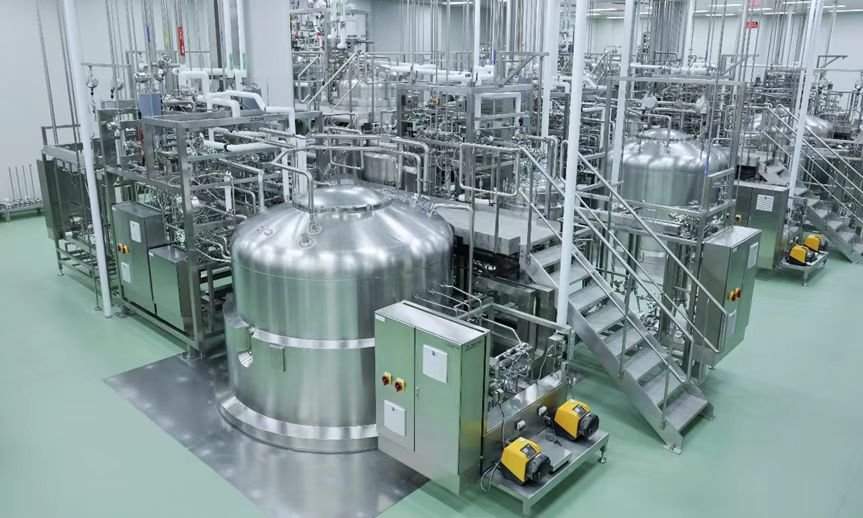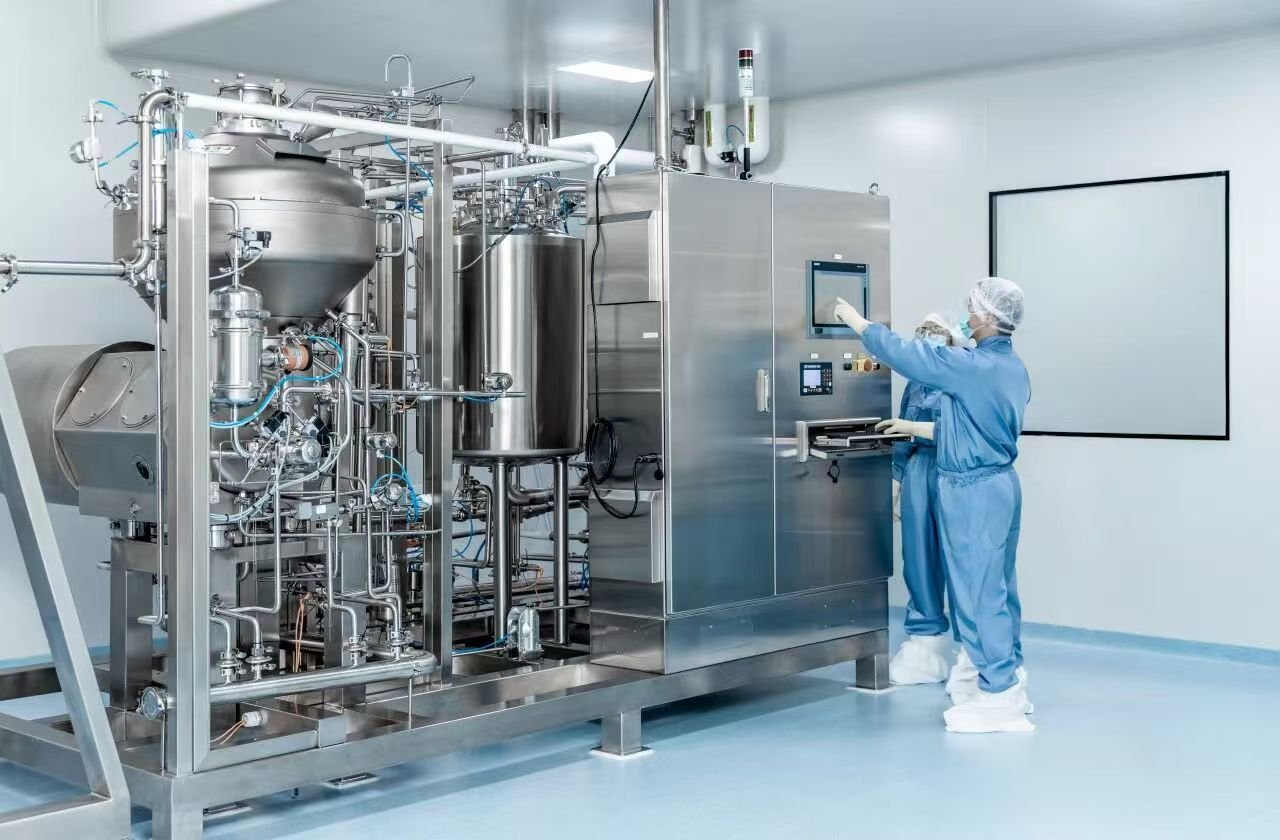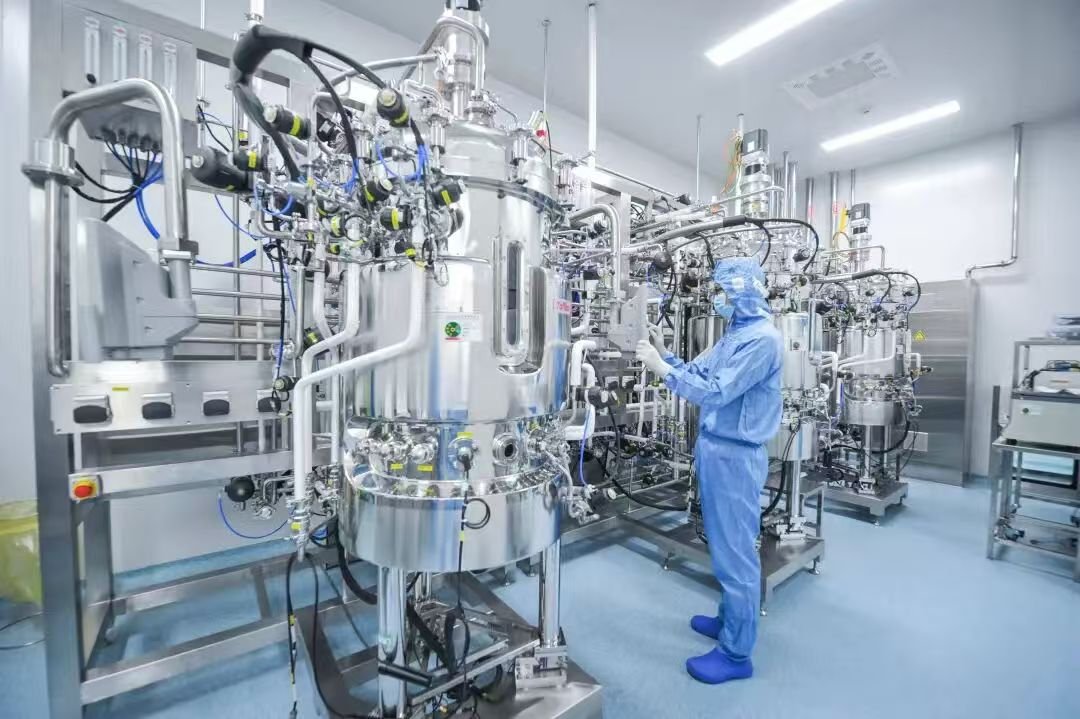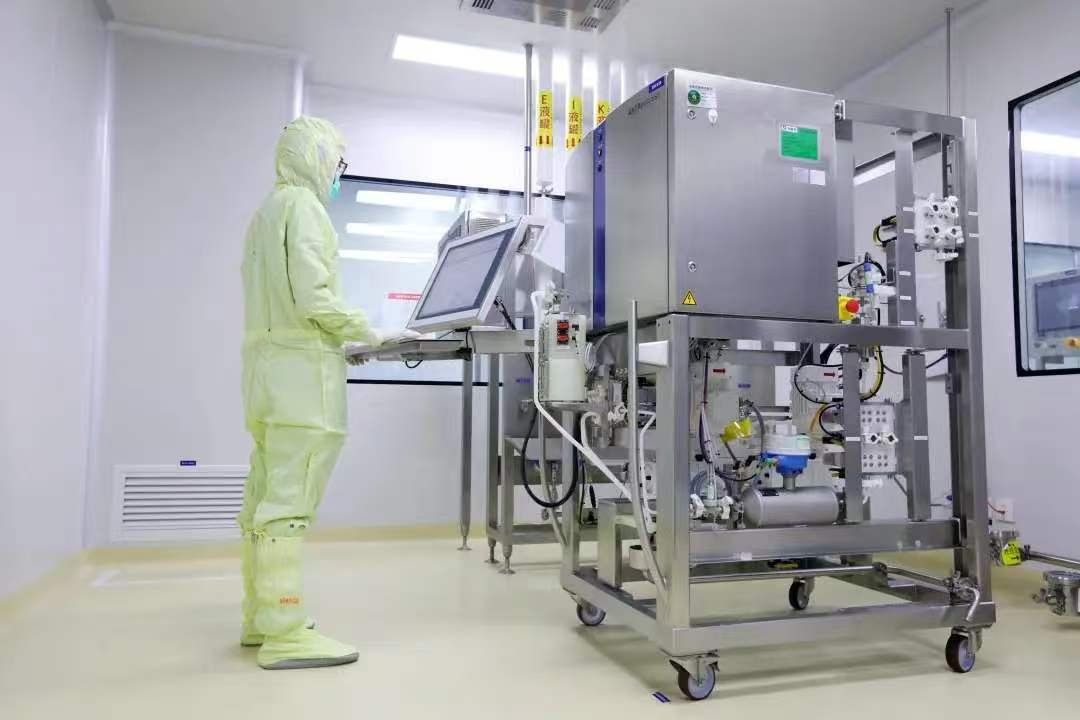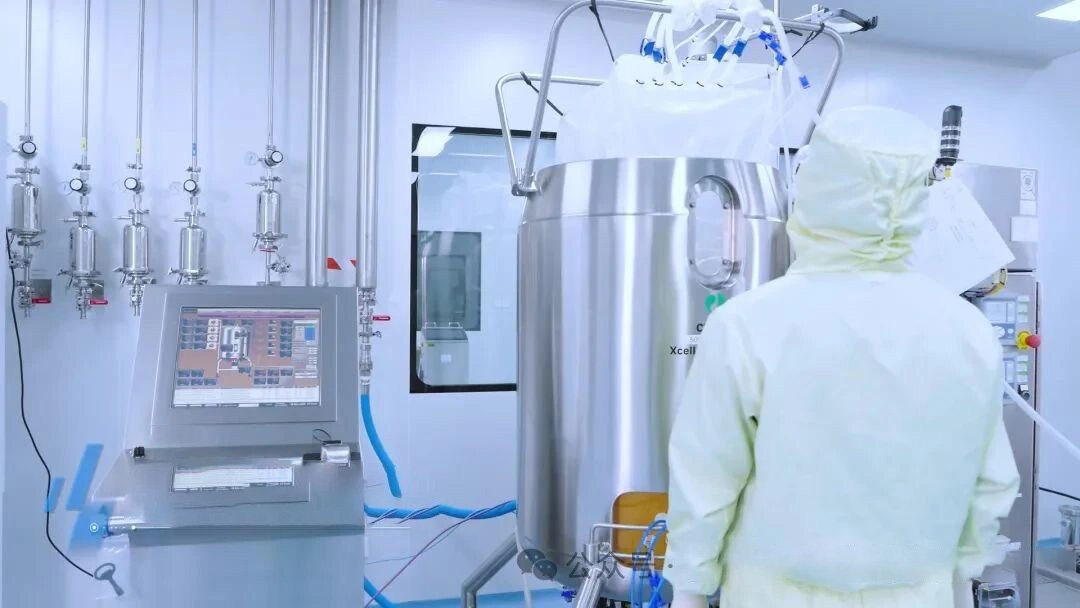
A quiet transformation is unfolding within aseptic pharmaceutical production, particularly vaccine manufacturing. Traditional facilities relied on an intricate “steel ecosystem” consisting of stainless steel bioreactors, complex piping networks and integrated in-situ steam sterilization systems. Today, lightweight, modular single-use consumables are emerging as the industry standard. During the COVID-19 pandemic in particular, single-use technologies delivered rapid facility deployment and seamless product changeover capabilities, underpinning global vaccine supply chains.
This article conducts an in-depth analysis of the core value delivered by single-use assemblies across every aseptic stage of vaccine production.
Why Vaccine Manufacturing Demands Uncompromising Aseptic Control
Vaccines are biological products administered directly to healthy populations, including infants and young children, with product safety as the paramount priority. Unlike small-molecule drugs that withstand terminal sterilization, most vaccine modalities — recombinant protein vaccines, viral vector vaccines, mRNA vaccines and more — contain thermolabile active ingredients incompatible with terminal sterilization. End-to-end aseptic process control therefore becomes the sole safeguard for product integrity.
Conventional stainless steel hardware mandates rigorous Clean-in-Place (CIP) and Sterilize-in-Place (SIP) cycles to maintain aseptic conditions, which introduce persistent pain points: complex cleaning validation workflows, elevated cross-contamination risks and prolonged production downtime. Single-use systems were engineered to address these fundamental limitations.
Core Advantages of Single-Use Assemblies: Resolving Inherent Aseptic Manufacturing Pain Points
1. Complete Elimination of Cross-Contamination Risks
Vaccine manufacturers typically operate multi-product production lines, with shared workshops concurrently producing influenza, shingles, HPV and other vaccine serotypes. Single-use consumables — including bioprocess bags, tubing manifolds and sterile connectors — are disposed of after each batch, physically breaking the contamination transmission chain between different lots and product lines, a capability unachievable with stainless steel infrastructure.
2. Dramatically Reduced Production Lead Times
Single-use workflows eliminate lengthy CIP/SIP cycles and associated cleaning validation activities, boosting equipment throughput by over 50%. For emergency pandemic vaccine manufacturing, a production line pre-assembled with single-use fluid paths can complete full product changeover within several hours.
3. Lower Capital Expenditure and Reduced Utility Dependencies
Facilities utilizing single-use hardware eliminate the need for oversized pure steam generators, continuous Water for Injection (WFI) circulation loops and dedicated cleaning skids. This lightweight facility model accelerates pilot plant construction and vaccine commercialization post-clinical development, while being highly suited to satellite vaccine filling hubs in remote regions.
4. Closed Processing to Protect Operators and Facility Environments
Vaccine workflows frequently manipulate live viral materials, including live attenuated vaccines and viral vector seed stocks. Single-use systems maintain full sterile closure via sterile connectors, disconnectors, tube sealers and thermoplastic tubing assemblies, safeguarding asepsis across all process stages. Closed fluid transfers can be executed within non-classified high-grade cleanroom zones, preventing both product microbial ingress and occupational exposure of staff to pathogenic live viruses.
End-to-End Integration Across Vaccine Manufacturing Workflows: Single-Use Application Breakdown
Single-use technologies have evolved beyond simple storage bags to penetrate every core unit operation of vaccine production:
Disposable rocking bioreactors and single-use stirred-tank bioreactors (scalable up to 2,000 L and above) are widely adopted for high-density cultivation of Vero, CHO and insect cell lines. Gamma-irradiated pre-sterilized culture bags integrate inline pH and dissolved oxygen (DO) sensors or single-use sterile electrode sleeves, alongside dedicated vent tubing. Ready-to-use single-use bioreactors eradicate risks of live virus leakage and incomplete inter-batch decontamination inherent to stainless steel vessels.
2. Viral Harvest and Purification
Single-use depth filters and hollow-fiber tangential flow filtration (TFF) cassettes remove cell debris post-viral harvest; pre-packed disposable chromatography columns eliminate column performance decay and repetitive validation overhead. Fully integrated single-use fluid paths enable sequential purification steps under fully closed conditions.
3. Drug Substance Storage and Formulation Mixing
Single-use 2D and 3D bioprocess bags (ranging from milliliters to multi-thousand-liter volumes) paired with disposable magnetic mixing systems support bulk drug substance holding. Ultra-low temperature resistant 2D bags and single-use plastic containers facilitate repeated freeze-thaw cycles, enabling intermediate bulk storage, serial dilution and homogenization under cryogenic conditions.
4. Formulation and Filling
Disposable filling manifolds, overhead surge bags and single-use filling needles are extensively deployed for Blow-Fill-Seal (BFS) lines and pre-filled syringe production. For multivalent vaccine compounding, single-use closed assemblies deliver residue-free, rapid changeover for sequential formulation preparation.
Regulatory Compliance Enablers: Extractables & Leachable and System Integrity Testing
Extractables and Leachable (E&L) characterization stands as the cornerstone of aseptic safety and regulatory compliance for single-use materials with direct product contact. Suppliers are required to furnish comprehensive extractables datasets aligned with BPOG, USP <665> and USP <1665> guidance documents, alongside leachable toxicology assessments simulated against actual manufacturing process parameters.
System integrity testing — conducted pre- and post-process via pressure decay and tracer gas methods — validates unbroken sterile barriers throughout production.
The “factory pre-sterilized, single-use disposable” operating model shifts the heavy burden of fundamental material and sterilization validation to qualified component suppliers with standardized manufacturing capabilities, allowing biopharma manufacturers to focus resources on process-specific performance validation.
Existing Challenges and Future Intelligent Development Roadmap
Single-use platforms are not without limitations, including global supply chain volatility, mechanical strength constraints for large-scale bioreactor operations and waste management environmental pressures. Industry innovation targets high-performance reinforced polymeric membranes and recyclable single-use material solutions to mitigate these drawbacks.
Future vaccine manufacturing facilities will depart from massive fixed stainless steel complexes, evolving into modular, plug-and-play cleanroom modules analogous to interlocking building blocks. Integrated single-use components will form a flexible, robust aseptic manufacturing foundation for next-generation vaccine production.